
A massage chair is one of those purchases that quickly becomes the heart of your relaxation routine. But when moving day arrives or you simply want to rearrange a room, that bulky, heavy recliner suddenly feels like a problem rather than a pleasure. These chairs pack delicate motors, rollers, and wiring into a frame that can weigh well over 150 pounds, so a careless lift can damage both the chair and your back.

That’s exactly why learning how to move massage chair models safely matters so much. With the right plan, a few common tools, and a bit of patience, you can relocate your chair without scratches, snapped cables, or strained muscles. This guide breaks the whole process into seven clear, beginner-friendly steps you can follow at your own pace. Whether you’re shifting it across the living room or loading it into a truck for a long-distance move, we’ll walk you through each stage. By the end, you’ll feel confident handling your chair like a pro and protecting your investment.
Why Moving a Massage Chair the Right Way Matters
Massage chairs aren’t ordinary furniture. They hold sensitive electronics, motorized rollers, and tightly routed cables that can break if the chair is dragged, dropped, or tipped at the wrong angle. Doing it correctly protects that costly machinery and keeps your warranty intact, since many manufacturers void coverage for damage caused by improper handling.
There’s a safety payoff too. A chair this heavy can easily injure your back, fingers, or feet if you lift without preparation or help. Taking the right approach also shields your floors and walls from scrapes and dents during the trip. In short, a few extra minutes of planning saves you from expensive repairs, painful strains, and avoidable frustration. The result is a smooth move that keeps both you and your chair in great shape.
Step-by-Step Guide to How To Move Massage Chair
Step 1: Gather Your Tools and Helpers
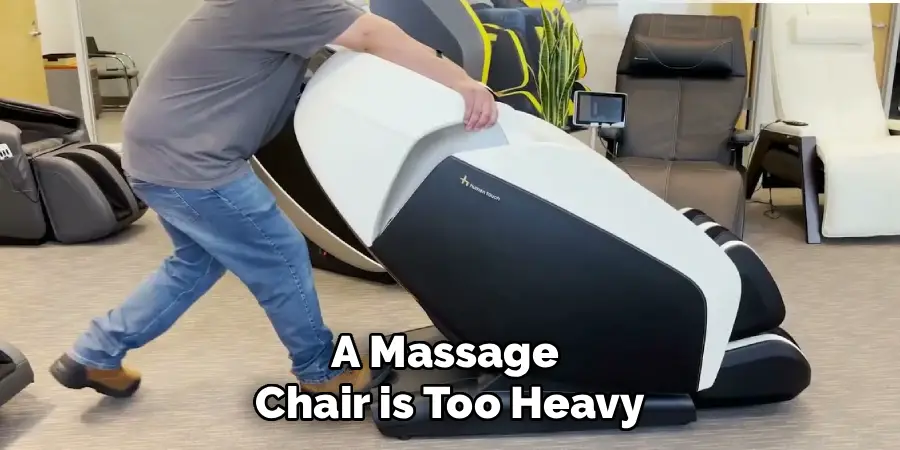
Before you lift a thing, set yourself up for success. Round up a furniture dolly, moving straps, a screwdriver, packing blankets, and a roll of stretch wrap or strong tape. These items cost little but make a huge difference in protecting your chair and your body.
Just as important, recruit at least one helper. A massage chair is too heavy and awkward for one person to manage safely, no matter how strong you feel. Having a second pair of hands keeps the load balanced and prevents sudden slips. If your chair is especially large or you’re navigating stairs, consider asking two helpers so everyone shares the weight and the path stays clear.
Step 2: Read the Manual and Power Down
Every chair model is a little different, so your owner’s manual is your best friend here. It often includes specific moving instructions, weight details, and warnings about which parts detach. If you’ve misplaced the paper copy, a quick search for the model number usually turns up a digital version online.
Once you know the basics, unplug the chair completely and let any reclining or motorized parts return to their neutral resting position. Powering down protects the internal electronics and prevents the chair from shifting unexpectedly while you work. Wrap the power cord neatly and secure it to the frame with tape so it doesn’t dangle, snag, or trip anyone during the move.
Step 3: Remove Detachable Parts
Many massage chairs come with removable components such as armrests, footrests, cushions, or side panels. Taking these off lightens the overall load and shrinks the chair’s bulky profile, which makes squeezing through doorways far easier. Use your screwdriver where needed and keep all screws in a labeled bag so reassembly later is stress-free.
Knowing how to move massage chair pieces individually also reduces the risk of snapping fragile attachments during transport. Wrap each detached part in a packing blanket or bubble wrap and set it aside in a safe spot. Label everything clearly if you’re moving a long distance, since matching parts back together is much simpler when they’re organized from the start.

Step 4: Protect the Chair and Wrap It
With the loose parts removed, it’s time to shield the main body from scratches and dust. Drape packing blankets over the chair, paying special attention to corners, the headrest, and any exposed control panels. These spots take the most abuse during a move, so a little extra padding goes a long way toward keeping the surface flawless.
Secure the blankets snugly using stretch wrap or moving tape, but avoid taping directly onto leather or fabric since adhesive can leave marks. Wrap firmly enough that the padding stays put, yet loosely enough that you don’t crush any buttons or seams. This protective layer also gives your straps something to grip, making the lift in the next step smoother and safer.
Step 5: Lift With Proper Technique
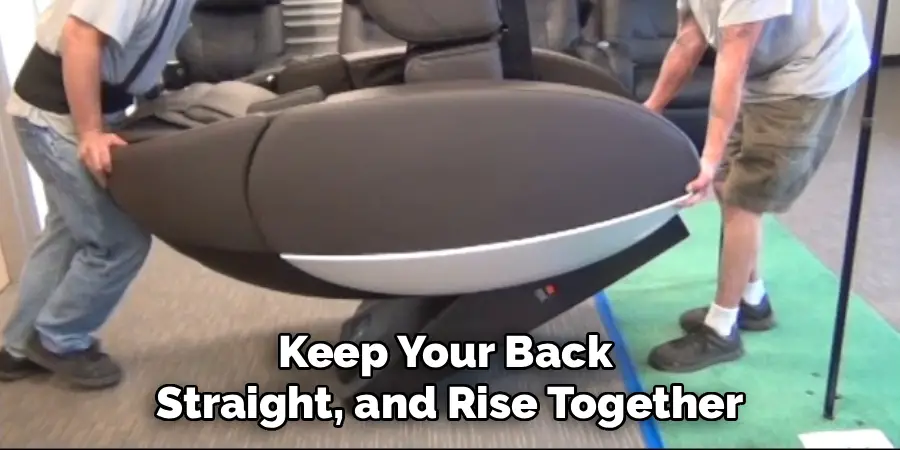
Now comes the heavy part, quite literally. Position your helpers on opposite sides of the chair and slide the moving straps underneath the base. Straps let you use your legs and shoulders instead of straining your back, which is exactly how the pros handle awkward, heavy loads without injury.
When you lift, bend at your knees, keep your back straight, and rise together on an agreed count. Communication is key here, so call out before every move. Learning how to move massage chair frames this way keeps the weight evenly distributed and your fingers clear of pinch points. Move slowly and steadily, never twisting your torso, and pause to reset your grip whenever you feel off balance.
Step 6: Use a Dolly for Longer Distances
Carrying a massage chair more than a few feet is asking for trouble, so let a furniture dolly do the heavy work. Tip the wrapped chair gently onto the dolly while your helper steadies it, then center the weight over the wheels for balance. A well-positioned load rolls smoothly and won’t tip when you turn corners.
Strap the chair securely to the dolly so it can’t slide off mid-trip. Push rather than pull whenever possible, keeping your speed slow and your route clear of cords, rugs, and clutter. For stairs, take them one step at a time with a helper guiding from below, and never rush. Patience here prevents both damage and accidents.
Step 7: Reassemble and Test
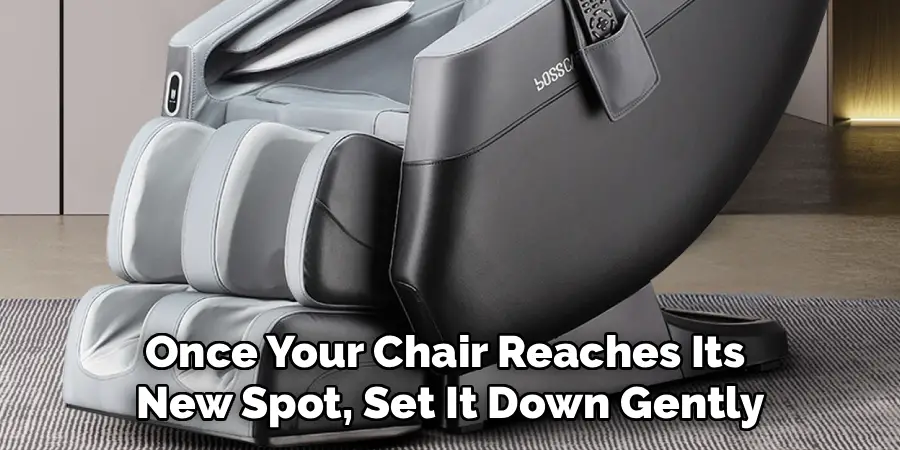
Once your chair reaches its new spot, set it down gently and remove the protective wrapping. Reattach the parts you took off earlier, using your labeled bags and the manual to guide you. Tighten every screw firmly so nothing wobbles, and double-check that armrests and footrests click securely into place before anyone sits down.
Finally, plug the chair back in and run a quick test cycle through its functions. Listen for unusual noises and watch that the rollers, recline, and controls all respond normally. Testing right away helps you catch any transport hiccups while the move is fresh in your mind. Once everything checks out, settle in and enjoy your well-earned, perfectly relocated relaxation spot.
Frequently Asked Questions
How Heavy Is a Typical Massage Chair?
Most full-body massage chairs weigh between 150 and 300 pounds, depending on the brand and features. Premium models with extra motors, heating elements, and zero-gravity mechanisms tend to sit at the higher end. Because of this weight, you should never attempt a move alone. Always check your specific model’s listed weight in the manual so you can plan for enough helpers and the right equipment.
Can I Move a Massage Chair by Myself?
It’s strongly discouraged. Even if you’re physically strong, the chair’s awkward shape and concentrated weight make solo lifting risky for both you and the chair. You could easily strain your back or drop the unit, damaging delicate internal parts. At minimum, have one helper and use moving straps plus a dolly. For stairs or long distances, two helpers make the job far safer and smoother.
Do I Need to Remove the Parts Before Moving?
In most cases, yes. Removing armrests, footrests, and cushions reduces the chair’s bulk and weight, making it much easier to maneuver through doorways and hallways. It also lowers the chance of snapping fragile attachments in transit. Always keep screws in labeled bags and wrap detached pieces separately. If your model has no removable components, simply focus extra attention on padding and wrapping the whole frame.
Will Moving Void My Warranty?
It can, especially if damage results from improper handling. Many manufacturers specify safe moving practices and won’t cover repairs for chairs that were dragged, dropped, or transported incorrectly. To stay protected, follow your manual’s instructions closely, power down before moving, and use proper equipment. If you’re unsure, contact the manufacturer first. Keeping records of careful handling also helps if a warranty question ever comes up.
How Do I Move It Up or Down Stairs Safely?
Stairs demand extra caution and at least two helpers. Keep the chair wrapped and strapped to a dolly designed for steps if possible. Take one stair at a time, with one person guiding from below and another steadying from above. Communicate clearly before each movement and never rush. If the staircase is narrow or steep, hiring professional movers is the safest and smartest choice.
Conclusion
Relocating your relaxation throne doesn’t have to be stressful or risky. The secret lies in preparation: gather your tools, read the manual, remove detachable parts, wrap everything well, and lift with proper technique alongside a helper. Using a dolly for longer stretches and testing the chair once it’s reassembled rounds out a process that protects both your body and your investment.
Now that you know how to move massage chair models the right way, you can tackle the job with real confidence instead of guesswork. Take your time, lean on your helpers, and respect the weight you’re working with. Do that, and you’ll have your chair settled safely into its new home in no time, ready to deliver the soothing comfort you love. So grab your straps, call in a friend, and give your chair the careful move it deserves.

Rick is a handyman who grew up helping his dad with his business. He learned a lot from him about how to fix things, and also about how to work hard and take care of business. These days, Rick is still into fixing things- only now, he’s doing it for a living.
Rick is always looking for new ways to help people grow and develop. That’s why he started contributing to this blog: to share all his experience and knowledge so that he can help people who are interested in DIY repair.