
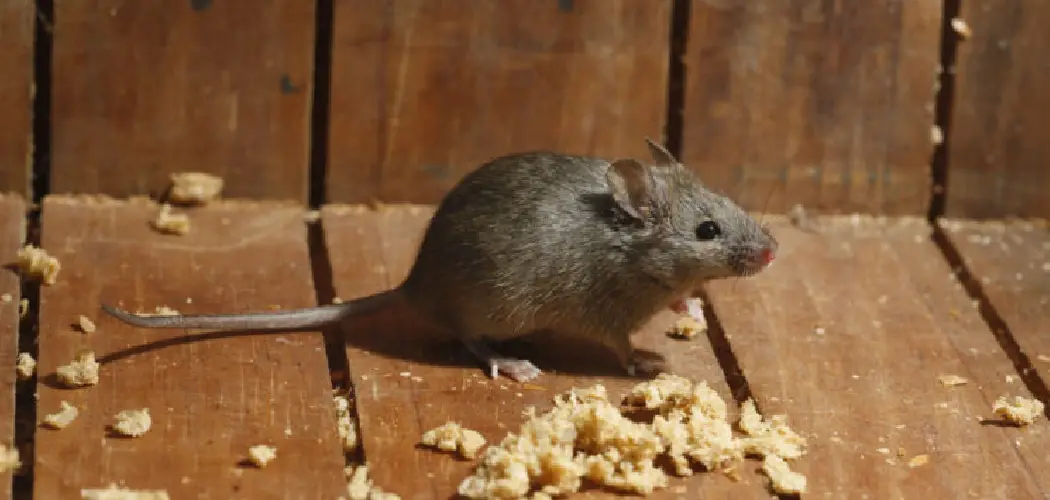
Mice can turn your favorite couch or dresser into their cozy home without you even noticing. They squeeze through tiny gaps, chew through fabric, and build nests deep inside cushions and wooden frames. If you have spotted droppings, gnaw marks, or heard faint scratching sounds, you are not alone. Many homeowners face this exact problem, and the good news is that you can solve it with the right approach.
Learning how to get rid of mice in furniture is easier than most people think. You do not need expensive equipment or professional training to start. With a few simple tools, some patience, and a clear plan, you can reclaim your furniture and keep it mouse-free for good. This guide walks you through each step in plain language, so you feel confident from start to finish. Whether you are dealing with a single mouse or a small family of them, the friendly advice below will help you tackle the issue quickly and safely.
Why Getting Rid Of Mice In Furniture Matters
Mice are more than just an annoyance. They chew through wood, foam, and fabric, causing damage that can ruin expensive pieces beyond repair. Their droppings and urine leave stains and unpleasant smells that linger for weeks. Worse, mice can carry bacteria and diseases that put your family and pets at risk.

Acting early protects both your health and your wallet. A small problem today can become a full infestation tomorrow, since mice breed fast and multiply quickly. By removing them now, you save money on replacements and avoid costly repairs. You also enjoy a cleaner, safer home where you can relax without worrying about hidden pests. Taking action gives you peace of mind and keeps your furniture in great shape for years.
Step-By-Step Guide To How To Get Rid Of Mice In Furniture
Step 1: Inspect Your Furniture Carefully
Start by giving every piece a close look. Pull cushions off couches, open drawers, and tip chairs to check the underside. Look for droppings, chewed fabric, shredded paper, or small holes where mice might enter. These signs tell you where the pests are hiding and how many you might be dealing with.
Use a flashlight to spot dark corners and tight gaps. Pay special attention to the back and bottom of large items, since mice love hidden spaces. Write down where you find evidence so you can target those areas later. A thorough inspection sets the foundation for everything that follows.
Step 2: Clean And Declutter The Area
Once you know where the mice are, clean the space around your furniture. Remove clutter, old boxes, and anything that gives mice a place to hide. Vacuum up droppings, crumbs, and nesting material, then wear gloves and a mask to protect yourself from germs.
A tidy room makes it harder for mice to stay comfortable. When you learn how to get rid of mice in furniture, cleanliness plays a huge role in your success. Wipe down surfaces with a disinfectant to remove scent trails that attract more pests. The cleaner your space, the fewer reasons mice have to return and settle in again.
Step 3: Seal All Entry Points
Mice can slip through gaps as small as a coin, so sealing entry points is essential. Check walls, baseboards, and the floor near your furniture for cracks and holes. Fill them with steel wool, caulk, or expanding foam, since mice cannot chew through these materials easily.

Do not forget the furniture itself. Some pieces have small openings in the frame or hidden gaps behind panels. Block these spots to stop mice from crawling back inside. Sealing takes a little time, but it stops the problem at the source. Without a way in, mice will look elsewhere for shelter.
Step 4: Set Traps Strategically
Traps remain one of the most reliable ways to catch mice fast. Place snap traps or humane catch-and-release traps near the spots where you found droppings or gnaw marks. Position them along walls and behind furniture, because mice tend to travel close to edges rather than open spaces.
Bait your traps with peanut butter, seeds, or a small piece of chocolate. Check them daily and reset as needed until the activity stops. Setting traps the right way is a key part of how to get rid of mice in furniture without harmful chemicals. Patience matters here, so keep at it until every mouse is gone.
Step 5: Use Natural Repellents
If you prefer a gentle approach, natural repellents can help push mice away. Peppermint oil, cloves, and cayenne pepper all give off strong scents that mice dislike. Soak cotton balls in peppermint oil and tuck them into drawers, corners, and under cushions.
Reapply these repellents every few days, since the scent fades over time. Natural options work best alongside traps and sealing, not on their own. They create an unwelcoming environment that encourages mice to leave. This method is safe around kids and pets, making it a popular choice for families who want a chemical-free solution to their pest problem.
Step 6: Deep Clean Infested Pieces
After the mice are gone, give your furniture a deep clean. Remove and wash any fabric covers, cushions, or bedding that mice touched. Steam clean upholstered items to kill germs and remove lingering odors that might attract new pests.

For wooden furniture, wipe every surface with a strong cleaner and let it dry fully. Sprinkle baking soda on soft materials to absorb smells, then vacuum it up after a few hours. A deep clean removes health risks and restores your furniture to a fresh, comfortable state. This final touch helps you enjoy your space again without any reminders of the infestation.
Step 7: Monitor And Prevent Future Problems
Getting rid of mice is only half the battle, so keep watching for new signs. Check your furniture weekly for droppings or fresh gnaw marks during the first month. Keep food sealed, floors swept, and clutter to a minimum to make your home less inviting.
Store off-season items in sturdy plastic bins instead of cardboard boxes, which mice chew through easily. Consider placing a few repellents in storage areas as a long-term guard. Consistent monitoring stops small problems before they grow. With steady habits and a little effort, you can keep your furniture pest-free and enjoy lasting peace of mind.
Frequently Asked Questions
How Do I Know If Mice Are Living In My Furniture?
Look for clear signs such as small dark droppings, chewed fabric, shredded paper, and a musty smell. You may also hear faint scratching or rustling sounds, especially at night. Mice often leave greasy marks along edges where they travel. Checking cushions, drawers, and the underside of furniture with a flashlight helps you confirm their presence quickly and accurately.
Are Traps Or Repellents More Effective?
Both work well, but they serve different purposes. Traps remove mice that already live in your furniture, giving you fast results you can see. Repellents create an unwelcoming space that discourages new mice from moving in. For the best outcome, use them together. This combined approach handles the current problem while protecting your furniture from future invasions over the long term.

Can I Save Furniture That Mice Have Damaged?
In many cases, yes. Minor damage like small holes or surface stains can often be repaired or cleaned. Steam cleaning removes germs and odors from fabric, while wood cleaners restore hard surfaces. However, if mice chewed deep into foam or structural parts, replacement may be safer. Assess the damage carefully and decide based on cost, health risks, and sentimental value.
How Long Does It Take To Remove Mice Completely?
Timing depends on how many mice you have and how consistent you are. For a single mouse, traps might work within a few days. A larger group could take two to three weeks of steady effort. Keep traps set, repellents fresh, and entry points sealed throughout. Monitoring for a full month afterward ensures no stragglers remain and confirms your home stays mouse-free.
Do I Need To Call A Professional Exterminator?
Most small infestations can be handled with the methods in this guide. If mice keep returning despite your best efforts, or if the problem spreads across your whole home, a professional can help. Exterminators have advanced tools and expert knowledge to tackle stubborn cases. Consider calling one when the situation feels overwhelming or when health concerns become serious for your family.
Conclusion
Dealing with mice in your furniture does not have to feel stressful or impossible. By inspecting carefully, cleaning thoroughly, sealing entry points, and using traps alongside natural repellents, you can solve the problem step by step. Each action builds on the last, giving you a clear path toward a clean, pest-free home. The key is to stay consistent and patient throughout the process.
Now that you know how to get rid of mice in furniture, you have all the tools you need to take charge. Start today by checking your furniture and following these simple steps. Small, steady efforts add up to big results, and soon you will enjoy your space without worry. Take that first step now, and reclaim your comfortable, mouse-free home for good.

Rick is a handyman who grew up helping his dad with his business. He learned a lot from him about how to fix things, and also about how to work hard and take care of business. These days, Rick is still into fixing things- only now, he’s doing it for a living.
Rick is always looking for new ways to help people grow and develop. That’s why he started contributing to this blog: to share all his experience and knowledge so that he can help people who are interested in DIY repair.