

Moving furniture into storage sounds simple, but keeping it in great shape is another story. Wood warps, leather cracks, and fabric grows mildew when it sits in the wrong conditions for too long. That is exactly why understanding how to store furniture in climate controlled storage can save you money, stress, and a lot of heartache down the road.
Climate-controlled storage keeps temperature and humidity steady all year, protecting your belongings from extreme heat, freezing cold, and damp air. Whether you are storing a family heirloom, an office set, or your entire home during a move, these units give your pieces a stable, safe environment.

In this guide, we will walk you through everything in clear, friendly language, no matter your experience level. You will learn why climate control matters, how to prep each item, and the smart packing habits that keep furniture looking new. By the end, you will feel confident and ready to store your things the right way, the first time around.
Why Climate-Controlled Storage Matters for Your Furniture
Furniture reacts strongly to its surroundings. When temperatures swing wildly, wood expands and contracts, which leads to cracks, warping, and loose joints. Humidity is just as dangerous, since damp air invites mold, mildew, and rust that can ruin upholstery and metal fittings.
A climate-controlled unit holds steady conditions, usually between 55 and 80 degrees Fahrenheit, with balanced humidity. This stability protects delicate materials like solid wood, leather, antiques, and electronics built into modern furniture. You also gain cleaner air with less dust and fewer pests.

The payoff is real peace of mind. Your investment stays valuable and ready to use, whether you store it for a month or several years. For anything precious or costly, this small extra step delivers big, lasting protection.
Step-by-Step Guide to How to Store Furniture in Climate Controlled Storage
Step 1: Clean Every Piece Thoroughly
Before anything goes into storage, give each item a proper cleaning. Dust, crumbs, and spills left behind can attract pests and cause stains that set over time. Wipe wood surfaces with a gentle cleaner, vacuum upholstery, and treat leather with a quality conditioner to prevent drying.
Make sure everything is completely dry before moving forward, since trapped moisture leads to mold even in a controlled space. Take your time here, because a clean start protects your furniture for the entire storage period. This simple habit sets the foundation for long-term preservation and keeps your pieces fresh when you retrieve them.
Step 2: Disassemble Larger Items
Whenever possible, break down bulky furniture into smaller parts. Remove table legs, headboards, shelves, and cushions to save space and reduce the risk of damage during transport. Smaller pieces are far easier to wrap, carry, and arrange neatly inside your unit.
Keep all screws, bolts, and small hardware in labeled bags, then tape them securely to the matching piece. This little trick saves you from a frustrating treasure hunt when reassembly day arrives. Learning how to store furniture in climate controlled storage starts with smart disassembly, because compact parts stack better and stay protected from bumps, scratches, and pressure.
Step 3: Use the Right Protective Materials
Choosing proper coverings makes a huge difference. Wrap wooden and delicate surfaces in moving blankets or padded covers, which cushion against knocks and scuffs. Skip plastic wrap directly on wood or leather, since it traps moisture and can leave marks or encourage mildew over time.
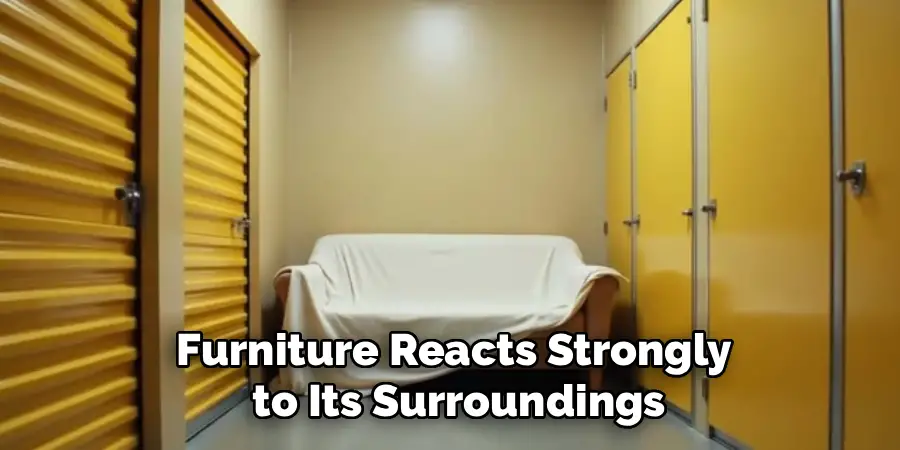
For upholstered items, breathable cotton sheets work best because they block dust while letting air flow. Bubble wrap suits mirrors, glass tabletops, and fragile decor. The goal is to shield every surface without smothering it, giving your furniture room to breathe while staying safely protected inside the unit.
Step 4: Prepare and Protect Upholstery
Fabric and leather need extra care because they absorb odors and moisture easily. Vacuum every cushion and crevice, then let items air out fully before packing. For leather, a light conditioner keeps it supple and prevents cracks during long stays.
Store cushions upright or lay them flat rather than crushing them under heavy loads, which keeps their shape intact. Understanding how to store furniture in climate controlled storage means treating soft materials with the same attention you give to wood, because well-kept upholstery stays comfortable, clean, and ready to welcome you back whenever you need it.
Step 5: Arrange Items Strategically Inside the Unit
Placement matters more than most people expect. Set heavier, sturdier pieces on the bottom and lighter, more fragile items on top. Leave a small gap between furniture and the walls so air can circulate freely, which helps prevent any condensation from settling.
Create narrow walkways so you can reach items without shifting the whole pile. Stand mattresses and sofas upright when it is safe, and never stack heavy boxes on delicate surfaces. Thoughtful arrangement protects your belongings and makes future access simple, saving you effort and worry every time you visit.
Step 6: Elevate Everything Off the Floor
Even in a climate-controlled space, keeping furniture off the bare floor adds a helpful layer of safety. Place wooden pallets, plastic risers, or sturdy boards underneath your pieces to guard against any unexpected moisture and to improve airflow around each item.

This small step also makes cleaning and rearranging easier later on. Raised furniture stays cooler, drier, and better ventilated, which reduces the chance of warping or musty smells. Think of elevation as cheap insurance for your belongings, giving you extra confidence that everything remains in top condition throughout the entire storage period.
Step 7: Check On Your Storage Regularly
Your job is not finished once the door closes. Visit your unit every few weeks or months to inspect for any signs of trouble, such as dampness, pests, or shifted items. Catching small issues early stops them from turning into costly damage.
During each visit, adjust coverings, wipe away dust, and confirm that everything sits securely in place. Regular check-ins give you real-time peace of mind and let you fix problems before they grow. This ongoing attention is the final habit that keeps your furniture safe, fresh, and ready for its next chapter.
Frequently Asked Questions
What Temperature Is Best For Storing Furniture?
Most experts recommend keeping your unit between 55 and 80 degrees Fahrenheit with steady humidity around 30 to 50 percent. This balanced range protects wood, leather, and fabric from warping, cracking, or growing mold. A stable climate matters far more than a single perfect number, so consistency is your best friend for long-term furniture protection.
Do I Really Need Climate Control For Short-Term Storage?
It depends on your items and your local weather. For a few weeks in a mild climate, standard storage may work fine for sturdy pieces. However, antiques, leather, electronics, and delicate wood benefit from climate control even short term. When conditions swing quickly, a stable environment prevents surprises and keeps valuable items safe.

Should I Wrap Wood Furniture In Plastic?
Avoid wrapping wood directly in plastic, since it traps moisture against the surface and can cause mildew or water stains. Instead, use breathable moving blankets or cotton sheets that protect against dust and scratches while letting air flow. If you use plastic for outer coverage, leave gaps so the wood can still breathe comfortably.
How Do I Prevent Mold And Musty Smells?
Clean and fully dry every item before storing, and choose a climate-controlled unit to manage humidity. Add moisture absorbers like silica gel packs for extra defense, and leave space between pieces for airflow. Elevating furniture off the floor helps too. Regular check-ins let you catch dampness early, keeping your belongings fresh and odor-free.
How Often Should I Visit My Storage Unit?
Visiting every four to six weeks is a good rule for most people, especially during seasonal changes. These check-ins let you spot moisture, pests, or shifting items before they become serious problems. If you store valuable or delicate pieces, more frequent visits add extra reassurance and help you maintain everything in excellent condition.
Conclusion
Protecting your belongings does not have to feel overwhelming. Once you break the process into simple, manageable steps, keeping your pieces safe becomes second nature. From deep cleaning and smart disassembly to breathable coverings, thoughtful placement, and regular check-ins, each habit builds on the last to create lasting protection you can count on.
The real secret to how to store furniture in climate controlled storage is preparation paired with consistency. A stable environment does the heavy lifting, but your careful prep work seals the deal. Now that you have a clear, beginner-friendly roadmap, you can store your furniture with confidence and skip the common mistakes that lead to damage and regret.
So go ahead and take that first step today. Gather your supplies, prep your favorite pieces, and give them the safe, steady home they deserve. Your future self will thank you when everything comes out looking just as good as the day you packed it away.

Rick is a handyman who grew up helping his dad with his business. He learned a lot from him about how to fix things, and also about how to work hard and take care of business. These days, Rick is still into fixing things- only now, he’s doing it for a living.
Rick is always looking for new ways to help people grow and develop. That’s why he started contributing to this blog: to share all his experience and knowledge so that he can help people who are interested in DIY repair.