
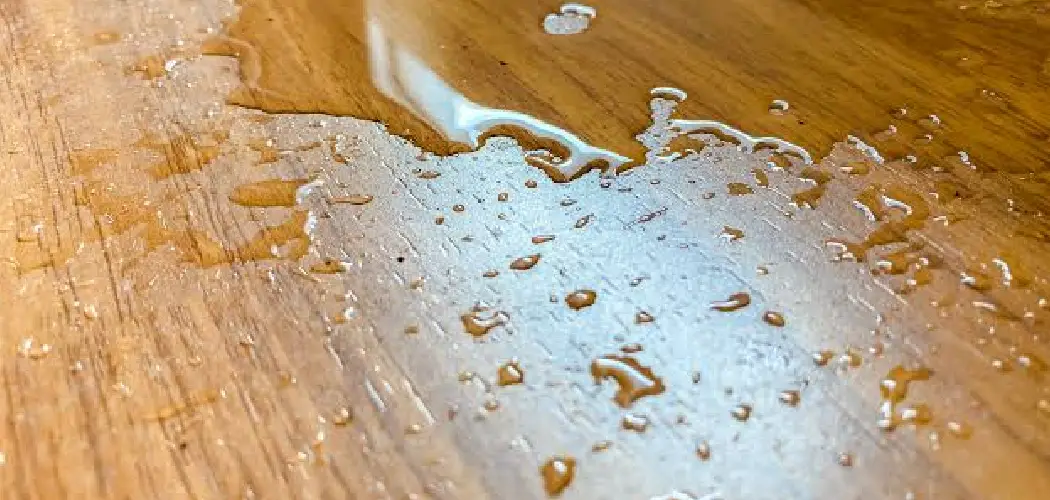
A sudden downpour can catch anyone off guard, and finding your patio chairs, wooden table, or cushioned sofa soaked through is never fun. Water left to sit can warp wood, stain fabric, and invite mold to settle in fast. The good news? You can save your pieces if you act quickly and follow the right steps. Knowing how to dry furniture that got rained on protects your investment and keeps your home looking great. Whether it’s outdoor patio sets, an upholstered chair near an open window, or solid wood that took a beating, drying it properly makes all the difference.
This guide walks you through everything in plain, simple language. You don’t need special skills or expensive gear, just a bit of time and the right approach. We’ll cover what to do first, how to handle different materials, and how to stop damage before it spreads. By the end, you’ll feel ready to tackle wet furniture with total confidence.
Why Drying Furniture That Got Rained On Matters
Acting fast saves money and keeps your furniture usable for years. When water sits in wood, it swells the fibers and causes warping, cracking, or splitting that’s often impossible to reverse. Fabric and foam soak up moisture like a sponge, and within just 24 to 48 hours, mold and mildew can take hold. That brings musty smells, ugly stains, and even health risks for anyone sensitive to spores.
Drying quickly also protects the finish on your pieces. Standing water dulls paint, lifts veneer, and leaves cloudy marks on polished surfaces. By stepping in early, you avoid costly repairs or full replacements. A little effort now means your favorite chair, table, or sofa stays sturdy, fresh, and beautiful instead of ending up at the curb.
Step-by-Step Guide to How to Dry Furniture That Got Rained On
Step 1: Move the Furniture to a Dry Spot
Your first move is getting the piece out of the rain and away from any more moisture. If it’s a smaller item, carry it indoors to a garage, covered porch, or a room with good airflow. For heavier pieces, you might need a second pair of hands, so don’t try to lift everything alone.
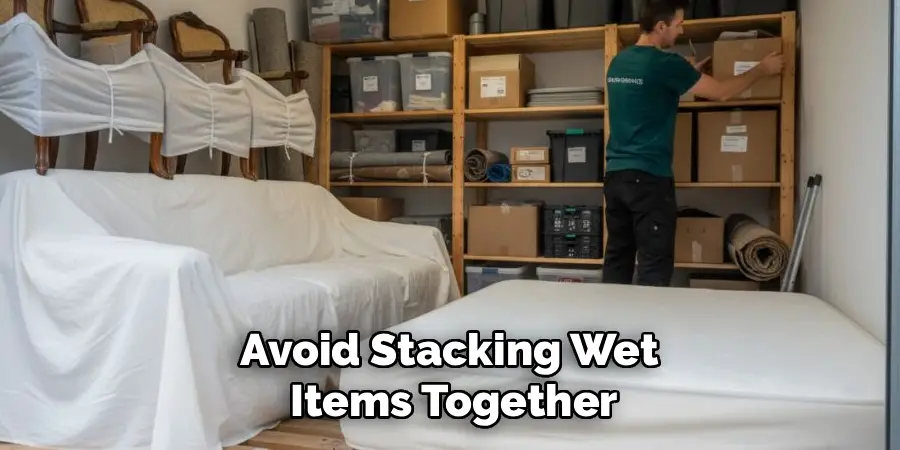
Once you’ve relocated it, place it somewhere with plenty of space around it. You want air to reach every side. Avoid stacking wet items together, since trapped dampness slows drying and encourages mold. A bright, breezy area works best for the steps that follow.
Step 2: Wipe Away Standing Water Right Away
Grab a stack of clean, dry towels and start blotting up surface water immediately. Press firmly rather than rubbing, especially on fabric, since rubbing pushes moisture deeper into the material. For wooden surfaces, wipe along the grain to lift water without scratching the finish.
Keep swapping out soaked towels for dry ones until you stop pulling up moisture. Pay close attention to crevices, joints, and corners where water loves to pool. The faster you remove this top layer of water, the less chance it has to soak in and cause lasting harm. This quick action sets you up for a smoother drying process.
Step 3: Remove Cushions and Loose Parts
If your furniture has removable cushions, covers, or pillows, take them off and handle them separately. Soaked cushions hold water in their foam cores, so they need their own drying space. Stand them upright or prop them at an angle so air flows around every surface.
For fabric covers you can unzip, pull them off and consider machine washing if the care label allows. Hang them somewhere airy afterward. Removing these pieces also lets you reach the frame underneath, which often hides trapped water you’d otherwise miss. Tackling each part on its own speeds up the whole job and gives better results.

Step 4: Boost Airflow to Dry Furniture That Got Rained On
Air movement is your best friend here, so set up fans pointed directly at the wet pieces. Position several fans at different angles to hit all sides at once. If the weather has cleared and the sun is out, moving items into direct sunlight helps too, since warmth and a gentle breeze speed evaporation naturally.
Open windows and doors to keep fresh air circulating through the room. The goal is constant motion, because still, damp air just sits and slows everything down. Run the fans for several hours, and check progress often. Steady airflow is one of the most effatest ways to pull moisture out fast.
Step 5: Pull Out Deep Moisture With a Dehumidifier
Surface drying only goes so far, especially with thick wood or dense foam. A dehumidifier works wonders by pulling moisture straight out of the air and the material itself. Set it up in the same closed room as your furniture, shut the windows so it can do its job, and let it run.
Empty the water tank as it fills, and keep the machine going until the room feels dry to the touch. For really soaked items, this might take a full day or two. Pairing a dehumidifier with your fans creates the perfect drying environment and stops hidden dampness from turning into mold later on.

Step 6: Check for Hidden Dampness
Just because the surface feels dry doesn’t mean the job is done. Press your hand firmly into cushions and run your fingers along wooden joints to feel for any lingering coolness or moisture. Cool, slightly damp spots mean water is still trapped inside, waiting to cause trouble.
If you own a moisture meter, use it on wooden pieces to get an accurate reading. Otherwise, trust your senses and give it extra time when in doubt. Lift cushions, tilt the frame, and inspect underneath and behind. Catching hidden dampness now saves you from discovering mold or warping a week down the road.
Step 7: Clean, Treat, and Protect
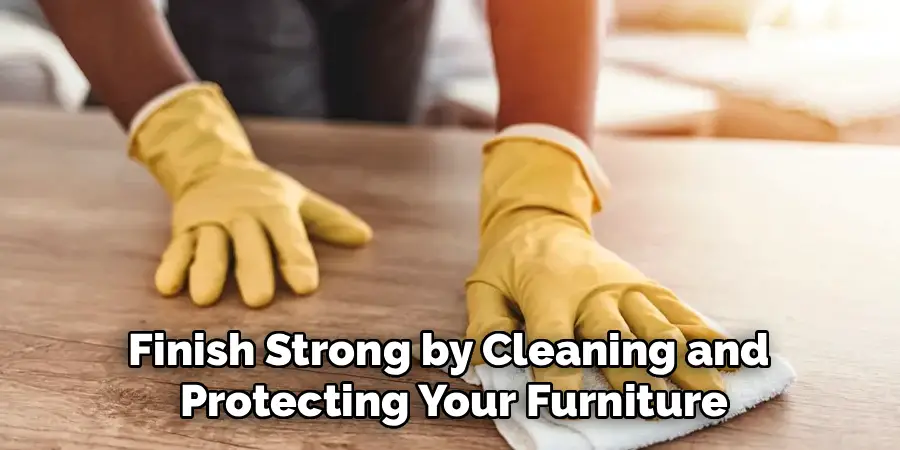
Once everything is fully dry, finish strong by cleaning and protecting your furniture. Wipe wooden surfaces with a wood-safe cleaner, then apply a fresh coat of polish or sealant to restore the finish and guard against future water damage. For fabric, a light fabric refresher or a sprinkle of baking soda, vacuumed up afterward, removes any leftover musty smell.
Inspect for early signs of mold, and treat any spots with a mild vinegar solution if needed. Adding a water-repellent spray to outdoor pieces gives extra defense. This final step brings your furniture back to life and helps it stand up better the next time rain rolls in.
Frequently Asked Questions
How Long Does It Take for Wet Furniture to Dry?
Drying time depends on the material and how soaked it got. Surface water on wood may dry in a few hours with good airflow, while waterlogged cushions can take one to two full days. Using fans and a dehumidifier together speeds things up considerably. Always confirm the inside is dry, not just the surface, before putting cushions back or using the piece again.
Can Rain-Soaked Furniture Be Saved?
In most cases, yes, especially if you act within the first day. Quick blotting, strong airflow, and a dehumidifier can rescue wood, fabric, and foam before lasting damage sets in. Pieces left wet for several days face a tougher battle, as mold and warping may already be present. The sooner you start drying, the better your chances of a full recovery.
Will Rain Ruin Wood Furniture Permanently?
Not always, but it can if ignored. A brief soaking that you dry promptly usually leaves wood intact, though you may need to refinish the surface. Prolonged exposure causes swelling, cracking, and warping that’s hard to fix. Drying slowly and evenly is key, since rushing with high heat can split the wood. Sealing it afterward helps prevent future rain damage.
How Do I Stop Mold After Furniture Gets Wet?
Speed and airflow are your best defense. Dry the piece completely within 24 to 48 hours using fans and a dehumidifier, since mold thrives in lingering moisture. Wipe surfaces with a vinegar solution to kill early spores, and keep the area well ventilated. Once dry, store furniture somewhere with low humidity. Checking for hidden dampness inside cushions also stops mold before it starts.
Should I Use a Hair Dryer or Heater to Dry Furniture?
It’s tempting, but go easy with direct heat. High heat from a hair dryer or heater can crack wood, melt finishes, or shrink fabric. Instead, rely on fans, fresh air, and a dehumidifier for steady, even drying. If you do use gentle warmth, keep it low and at a distance. Natural sunlight is a safer way to add warmth and speed up the process.
Conclusion
Wet furniture doesn’t have to mean ruined furniture. By moving pieces to a dry spot, blotting up standing water, boosting airflow, and using a dehumidifier, you can rescue almost any soaked item before damage sets in. The secret is speed, since mold and warping strike fast when moisture lingers. Take time to check for hidden dampness, then clean and seal everything to keep it looking its best.
Now that you understand how to dry furniture that got rained on, you can handle the next surprise storm without panic. Grab your towels, set up those fans, and act quickly the moment you spot wet furniture. With these simple steps, you’ll protect your favorite pieces and enjoy them for many years to come. Don’t wait, your furniture will thank you.

Rick is a handyman who grew up helping his dad with his business. He learned a lot from him about how to fix things, and also about how to work hard and take care of business. These days, Rick is still into fixing things- only now, he’s doing it for a living.
Rick is always looking for new ways to help people grow and develop. That’s why he started contributing to this blog: to share all his experience and knowledge so that he can help people who are interested in DIY repair.