
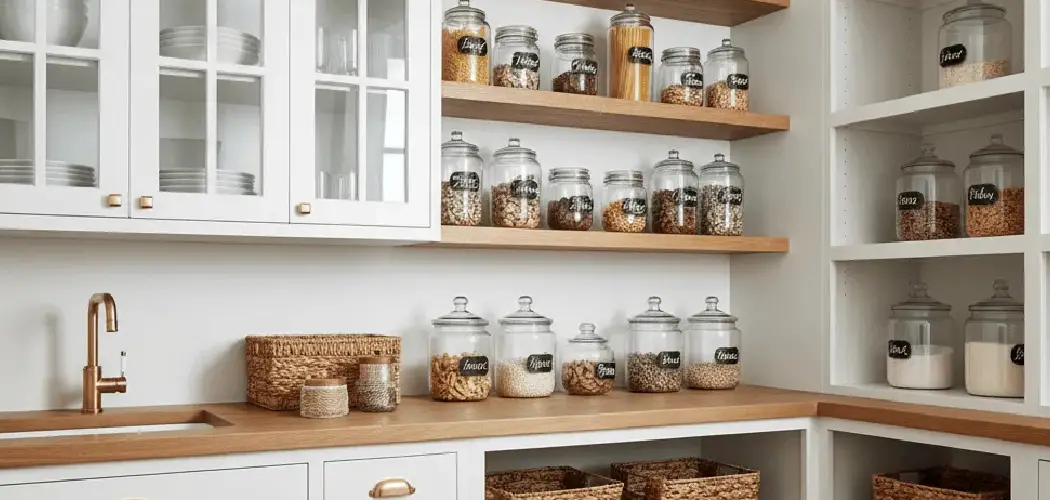
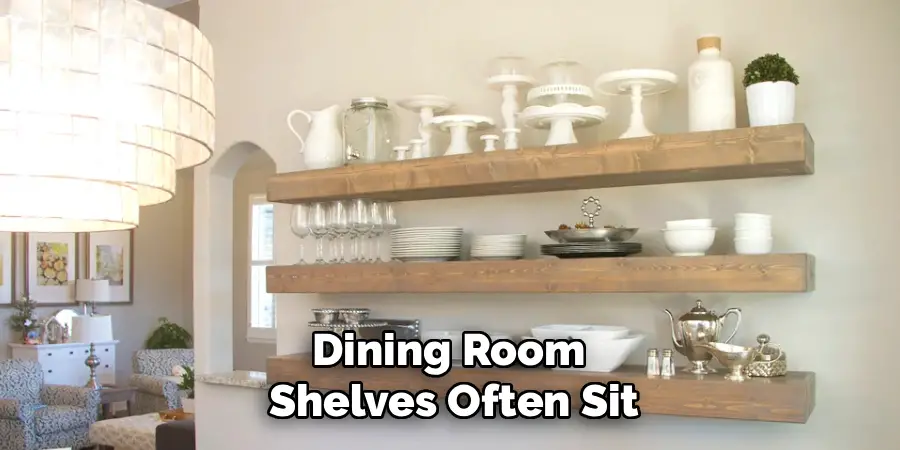
Dining room shelves often sit half-empty or cluttered with random odds and ends, yet they hold huge potential to shape the whole feel of your space. When you learn how to decorate dining room shelves with a little intention, you turn plain storage into a warm focal point that greets guests and makes everyday meals feel special. The good news is that you do not need a designer’s eye or a big budget to get results you love.
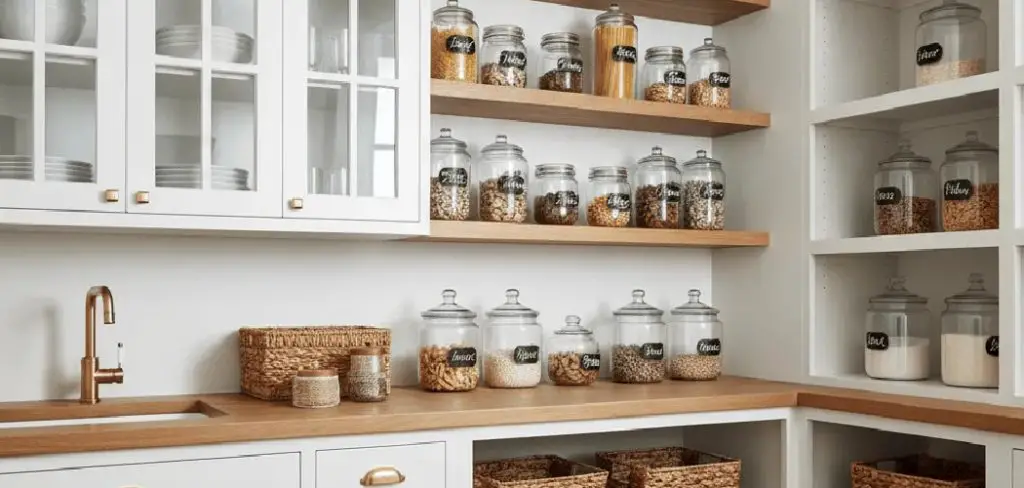
This guide walks you through the process one simple step at a time, so you can follow along no matter your skill level. You will discover how to mix practical items with pretty ones, balance color and height, and create a look that feels pulled together rather than crowded. Think of your shelves as a small stage where books, dishes, plants, and keepsakes each play a part. By the end, you will feel confident styling them your way and refreshing the look whenever the mood strikes you.
Why Decorating Dining Room Shelves Matters
Your shelves do more than hold plates and glasses. They set the tone for the room and tell a little story about you. Well-styled shelves draw the eye, add personality, and make a dining space feel finished instead of forgotten. They can showcase treasured pieces, keep favorite items within reach, and tie your color scheme together in one glance.
There is also a practical payoff worth noting. Thoughtful styling helps you stay organized, since every item earns its spot rather than piling up in a jumble. That balance of beauty and function means your shelves look great and work hard at the same time. Whether you host dinner parties or enjoy quiet family meals, a styled shelf lifts the whole atmosphere and makes the room feel cared for and inviting.
Step-by-Step Guide to How to Decorate Dining Room Shelves
Step 1: Clear Everything and Start Fresh
Begin by taking every single item off your shelves and giving the surfaces a good wipe-down. This clean slate lets you see the space clearly instead of working around clutter you have stopped noticing. Lay your items out on the dining table so you can view them all at once and decide what truly deserves a spot.
As you sort, group things into keep, relocate, and store piles. Be honest about what adds value and what simply fills space. Starting fresh feels a little bold, yet it gives you full creative control and helps you avoid repeating old habits that made the shelves feel messy in the first place.
Step 2: Choose a Color Palette and Theme
Now decide on the mood you want. Pick two or three main colors that echo your dining room’s existing tones, such as walls, rugs, or curtains. A cohesive palette instantly makes shelves look intentional rather than random. You might lean warm and earthy, cool and coastal, or crisp and modern depending on your taste.
Once your colors are set, think about a loose theme to guide your choices. Maybe you love a natural feel with wood and greenery, or a classic look with white ceramics and brass. This step gives you a filter for every later decision, so you can quickly tell whether an item belongs or pulls the whole display off track.
Step 3: Anchor With Larger Pieces First
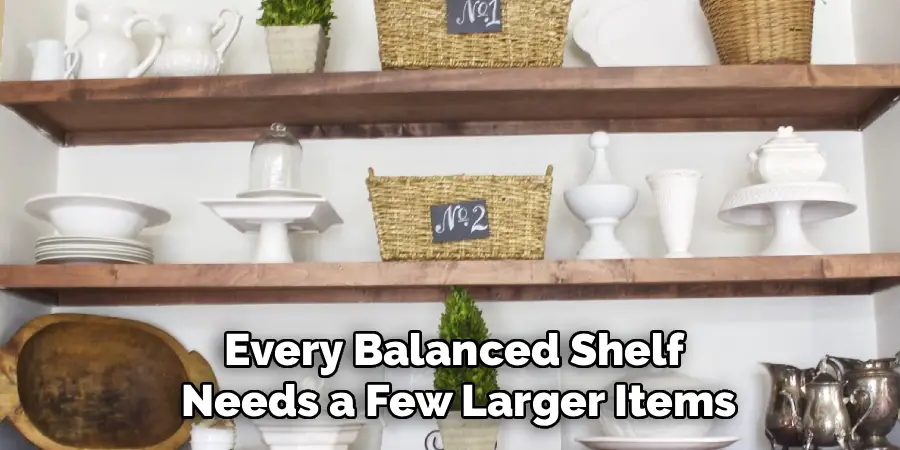
Every balanced shelf needs a few larger items to ground it. Start by placing your biggest pieces, like stacked serving bowls, framed art, or a tall vase, before adding anything small. These anchors create structure and stop the display from looking scattered or flat. Spread them across different shelves rather than clustering them all in one spot.

Vary the placement so your eye moves naturally up, down, and across. A large item on the top left might pair with another on the bottom right to keep things visually even. Getting these big pieces right early makes the rest of the styling feel far easier, since you simply fill in around them.
Step 4: Layer in Books and Functional Items
With your anchors in place, add books and everyday essentials that blend use with style. Stack a few books flat to create small platforms, then rest a candle or tiny plant on top for instant charm. Standing books between bookends work well too, adding vertical lines that break up open space.
Mix in functional dining pieces you actually use, such as pretty glassware, a stack of dinner plates, or linen napkins in a woven basket. This is where knowing how to decorate dining room shelves really pays off, because the trick is making practical items look like part of the design. When function and beauty overlap, your shelves stay tidy and genuinely useful.
Step 5: Add Greenery and Natural Touches
Plants breathe life into any shelf and soften hard edges instantly. Add a trailing pothos that drapes over an edge, a small potted herb, or a few faux stems if you prefer low maintenance. Greenery introduces fresh color and gentle movement that keeps a display from feeling stiff or overly staged.
Natural textures help too, so consider woven baskets, a wooden bowl, or a smooth stone as an accent. These organic elements pair beautifully with ceramics and glass, adding warmth and depth. Scatter them across different shelves rather than lining them up, and your arrangement will feel relaxed, layered, and welcoming instead of rigid or matchy.
Step 6: Balance Heights, Spacing, and Negative Space
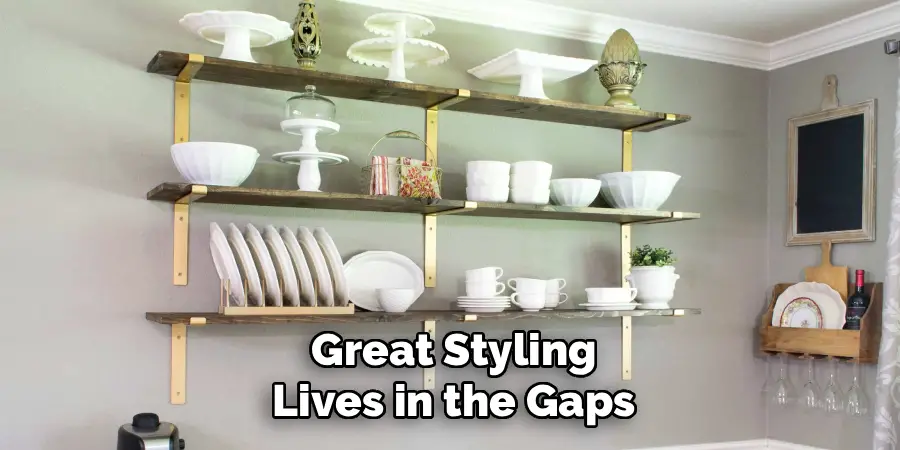
Great styling lives in the gaps as much as the objects. Resist the urge to fill every inch, since a little breathing room makes each piece stand out. Vary the heights of your items so your eye travels in a gentle zigzag rather than a flat line. Tall, medium, and short items placed near each other create pleasing rhythm.
Step back often to check the overall balance from across the room. If one shelf feels heavy or one side looks bare, shift items until things feel even. Mastering how to decorate dining room shelves comes down to this careful adjustment, where small tweaks in spacing turn a decent display into one that looks polished and effortless.
Step 7: Personalize and Refine the Final Look
Finish by adding a few personal touches that make the space unmistakably yours. Slip in a framed photo, a small piece of pottery from a trip, or a keepsake that sparks a happy memory. These details give your shelves soul and set them apart from a generic showroom look.
Once everything is placed, live with it for a few days and notice what catches your eye. Feel free to swap a color, move a plant, or remove one item that feels like too much. Styling is never truly finished, and that is the fun of it. Refresh your shelves with the seasons or your mood, and they will always feel current.
Frequently Asked Questions
How Do I Avoid Making My Shelves Look Cluttered?
Start by using fewer items than you think you need and leaving open space between them. Group smaller pieces in odd numbers, like threes, and give each grouping room to breathe. Step back often to check the overall look. If a shelf feels busy, remove one or two items. Empty space is not wasted space, since it helps every piece stand out clearly.
What Items Work Best For Dining Room Shelf Styling?
A good mix includes larger anchor pieces, books, greenery, and functional dining items you already own. Think stacked plates, pretty glassware, ceramic vases, woven baskets, candles, and small plants. Combine different heights, textures, and materials for visual interest. The best items serve double duty by looking attractive while staying useful, so your shelves feel styled yet practical for everyday meals and gatherings alike.
How Often Should I Update My Shelf Display?
There is no strict rule, so update whenever the look feels stale or a season changes. Many people refresh their shelves every few months to match holidays, weather, or new finds. Small swaps, like changing a plant or adding seasonal decor, keep things feeling current without much effort. Trust your instincts, and rearrange whenever you walk by and feel the urge for something new.
Do I Need To Match My Shelf Decor To My Dining Table?
You do not need an exact match, but some connection helps everything feel intentional. Pull one or two colors, materials, or finishes from your table or chairs and echo them on the shelves. This creates a subtle thread that ties the room together. Coordinating rather than matching keeps the space interesting and avoids that overly staged look where everything feels too perfectly aligned.
What If My Shelves Are Small Or Narrow?
Small shelves can still shine with a lighter touch. Choose fewer, smaller items and lean into vertical interest with slim vases or stacked books. Trailing plants work well since they draw the eye down without taking up shelf depth. Keep the palette simple and avoid overcrowding. With narrow shelves, restraint is your friend, and a few well-chosen pieces will look far better than many crammed together.
Conclusion
Styling your shelves is one of the easiest ways to give your dining room a fresh, welcoming feel without a full makeover. By clearing the slate, choosing a palette, anchoring with larger pieces, and layering in books, greenery, and personal touches, you build a display that looks intentional and works for daily life. The steps above show that learning how to decorate dining room shelves is far more approachable than it first appears.
Remember that styling is flexible and forgiving, so there is no single right answer. Trust your eye, adjust as you go, and let your shelves reflect what you love. Start with just one shelf today, play with the placement, and watch how quickly the whole room feels warmer and more put together. Your dining space is waiting, so gather your favorite pieces and enjoy the creative process from beginning to end.

Rick is a handyman who grew up helping his dad with his business. He learned a lot from him about how to fix things, and also about how to work hard and take care of business. These days, Rick is still into fixing things- only now, he’s doing it for a living.
Rick is always looking for new ways to help people grow and develop. That’s why he started contributing to this blog: to share all his experience and knowledge so that he can help people who are interested in DIY repair.