
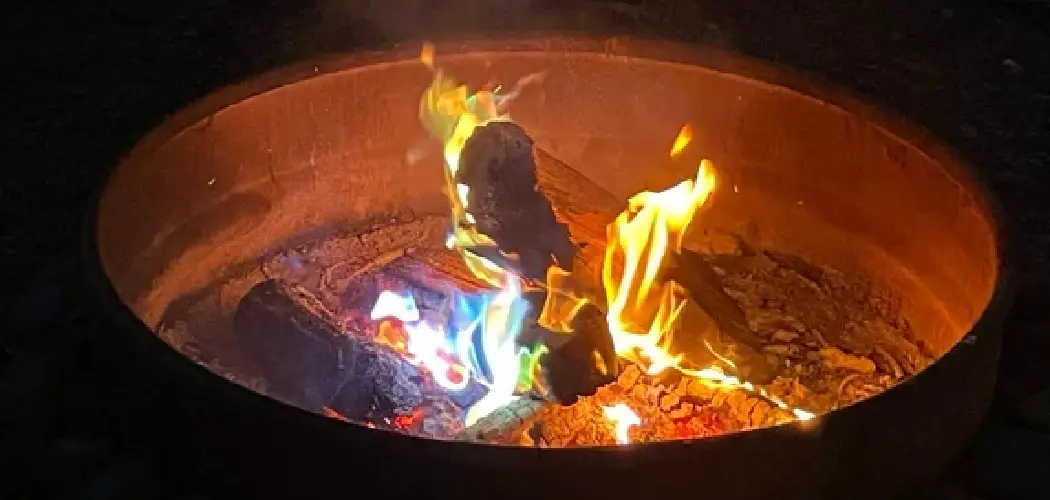
Decorating for the winter solstice means leaning into natural materials—greenery, candles, crystals, dried botanicals—to create a warm, grounded atmosphere. This guide covers everything from what to gather beforehand to the seven core steps, common mistakes, and budget tips for pulling it off for under $75.
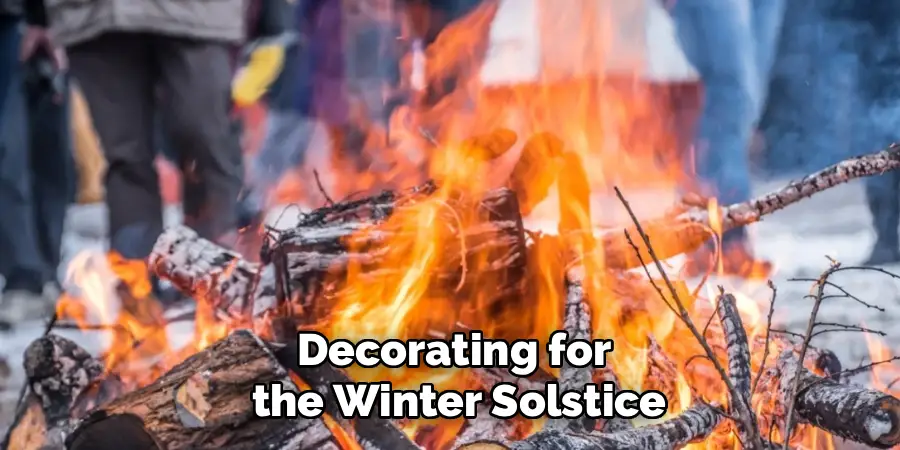
Every year on December 21st or 22nd, the Northern Hemisphere hits its longest night for most people; that passes without much thought. But for thousands of years, cultures across the world treated the winter solstice as a meaningful threshold—the Romans with Saturnalia, the Norse with Yule, and dozens of other traditions that saw the darkness not as something to endure, but something to mark.
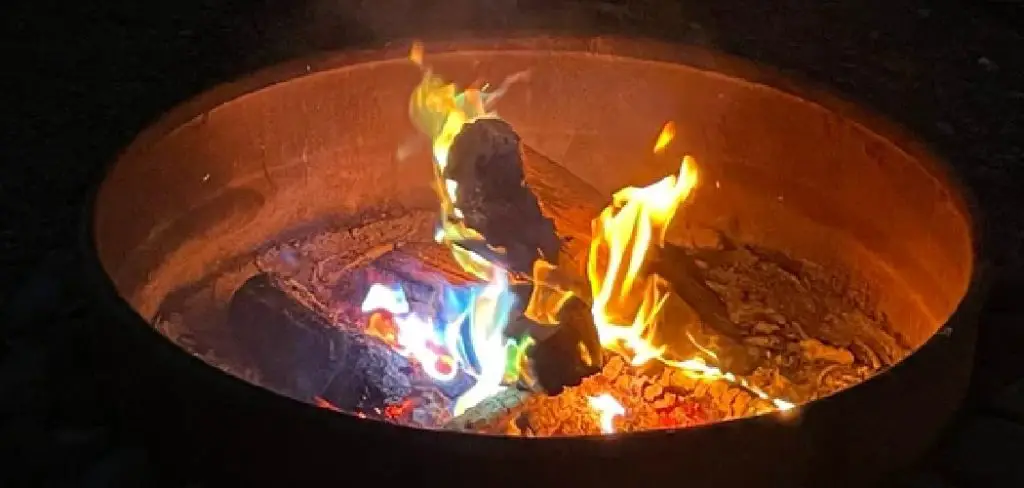
Decorating for the solstice taps into that same instinct. It’s slower and quieter than the commercial holiday rush. The materials are mostly natural—pine branches, candlelight, dried citrus, crystals—and the overall effect, when it works, feels genuinely warm rather than staged.
This guide on how to decorate for winter solstice walks through everything you’ll need: a materials list, seven clear steps, mistakes worth avoiding, and a realistic look at what it might cost. Whether you’re approaching this for the first time or trying to bring more intention to something you’ve done casually before, the goal here is to make the process feel manageable and personal.
What Do You Need to Decorate for the Winter Solstice?
Gathering your materials beforehand makes the whole process easier. Here’s what to look for.
Natural Greenery
Pine branches, holly, ivy, and eucalyptus all work well. They bring an organic, earthy quality to a space and can serve as garlands, centerpieces, or door wreaths depending on how you shape them. Foraged materials from outside—fallen branches, pinecones, stones—are equally effective and completely free.
Candles and Candleholders
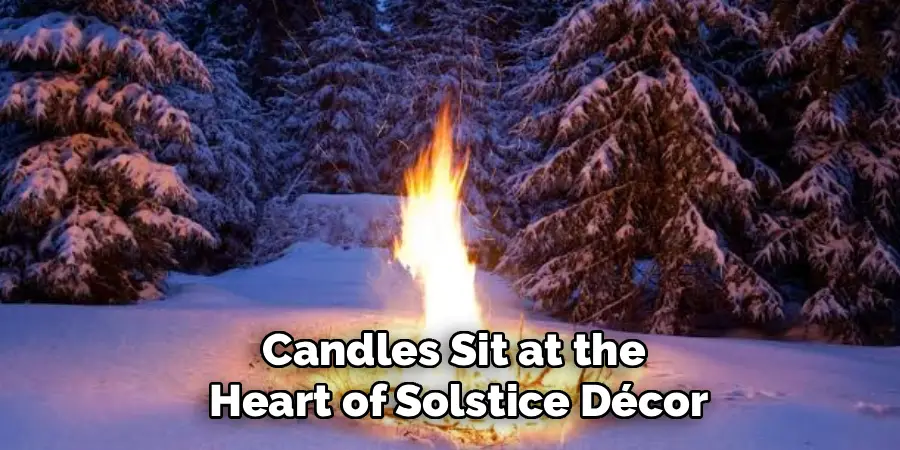
Candles sit at the heart of solstice décor. Pillar candles, taper candles, and tea lights in deep colors—burgundy, forest green, gold, warm white—all work. Pair them with wooden, brass, or stone holders for a look that feels grounded rather than generic. And if you have children or pets, high-quality LED candles are a reasonable alternative that doesn’t require compromise on atmosphere.
Crystals and Stones
Clear quartz, amethyst, and citrine appear frequently in solstice displays. Place them near candles or on shelves to add visual depth and, if that’s meaningful to you, symbolic weight.
Dried Fruits and Botanicals
Dried orange slices, cinnamon sticks, star anise, and pinecones are versatile, affordable, and fragrant. They work in wreaths, table arrangements, and hanging garlands. A large bag of cinnamon sticks from a bulk store costs far less than pre-bundled options and goes a long way.
String Lights and Lanterns
Warm-toned string lights and lanterns recreate the soft, diffused glow that defines solstice aesthetics. They work indoors and outdoors, making them one of the more flexible tools in the setup.
Ribbon and Natural Twine
Useful for tying wreaths, bundling greenery, and finishing arrangements. Earthy or metallic tones keep the look cohesive.
Textiles
Throws, cushions, and table runners in deep, warm colors—rust, ochre, navy—add texture and comfort. These small additions do more than people expect in terms of making a room feel genuinely cozy rather than simply decorated.
7 Steps on How to Decorate for Winter Solstice
Step 1: Set Your Intention and Choose a Color Palette
Before you buy anything, decide on the mood you want. Traditional solstice palettes lean toward deep greens, rich reds, gold, and earthy browns. A more minimal approach might favor white, silver, and cream. Picking a cohesive palette upfront prevents the scattered, mismatched result that happens when you shop without a plan.
Step 2: Create a Focal Point With a Centerpiece
Every well-decorated room has somewhere for the eye to land. For a solstice setup, that might be a dining table centerpiece, a fireplace mantel arrangement, or something resembling an altar-style display on a low shelf or side table. Combine candles, greenery, crystals, and dried botanicals to build something visually layered. As a general rule, odd numbers of objects—five pinecones, three candles—tend to look more natural and balanced than even groupings.
Step 3: Hang a Wreath or Garland at Your Entrance
The entrance to your home shapes how the rest of the space is perceived. A wreath made from pine, holly, and dried citrus signals warmth before anyone steps inside. Garlands draped along staircases, doorframes, or mantels extend that energy through the rest of the space without requiring significant effort or expense.
Step 4: Fill Your Space With Candlelight
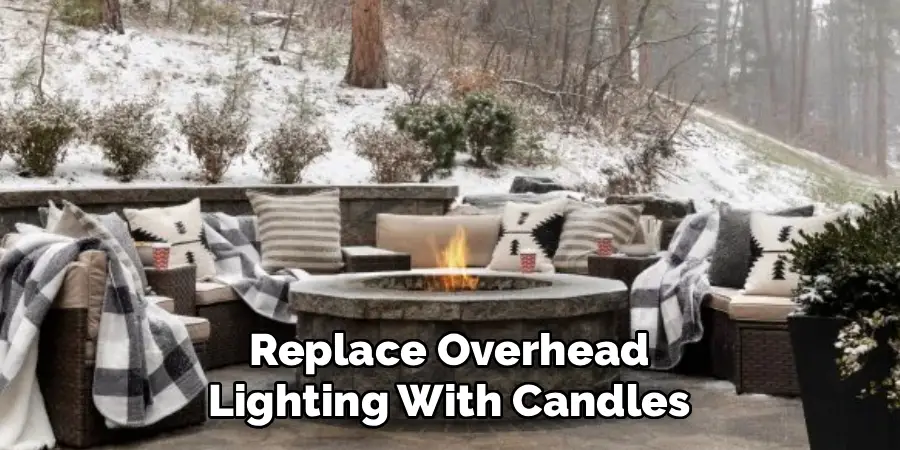
Replace overhead lighting with candles wherever practical during solstice celebrations. Grouping candles of varying heights on trays or fireproof plates creates a display that’s visually striking and easier to manage safely. Keep the area around them clear of greenery and fabric, and never leave lit candles unattended—a point that sounds obvious but gets overlooked more often than you’d expect.
Step 5: Add Natural Textures Throughout the Room
Layer natural textures across different surfaces. A wooden bowl filled with pinecones on the coffee table, a linen throw over the sofa arm, a bundle of cinnamon sticks on a windowsill. These tactile details make a space feel curated rather than assembled—lived in with intention rather than dressed up for an occasion.
Step 6: Incorporate Meaningful Symbols
Solstice décor often carries symbolic weight, and that’s worth leaning into. Sun imagery references the return of light after the year’s longest night. Evergreen branches suggest resilience and continuity through the darkest months. Stars, moons, and celestial motifs are widely available and easy to source at most craft stores. Choosing pieces that hold some personal meaning—rather than defaulting to whatever’s on the shelf—shifts the space from aesthetically pleasant to genuinely reflective.
Step 7: Finish With Scent
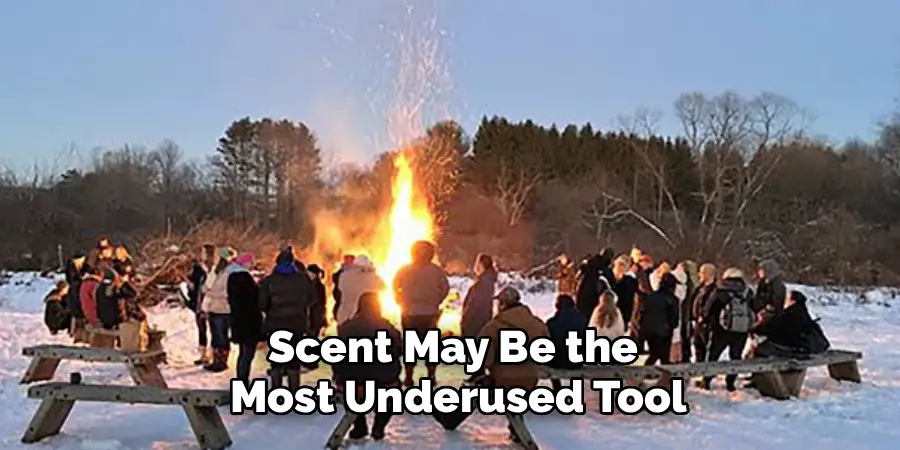
Scent may be the most underused tool in home decorating. A candle or simmer pot with notes of clove, cinnamon, pine, or cedarwood creates an immediate sense of warmth that no visual element can fully replicate. Essential oil diffusers work particularly well in smaller rooms where candle smoke might feel heavy. The scent layer is often what people remember most about a well-decorated space, even if they can’t quite explain why.
Following these steps on how to decorate for winter solstice, you can easily transform your home into a cozy and inviting winter wonderland.
Common Mistakes to Avoid When Decorating for the Winter Solstice
The most consistent mistake is overdoing it. When every surface is covered, the effect becomes chaotic rather than cozy. Start with less than you think you need, then add pieces gradually. It’s far easier to add than to edit once everything is already out.
Safety is the other area where people get careless. Candles left near greenery, extension cords running under rugs, and improper holders are all genuine risks. Review your setup before leaving any lit candles unattended, and make sure every candle sits on a fireproof surface with adequate clearance.
Do You Need Professional Help?
For most homes, winter solstice decorating is a manageable DIY project. The materials are accessible, the techniques are straightforward, and part of the value is doing it yourself. No technical expertise is required, and adjustments are easy to make.
That said, for a large event venue, an elaborate outdoor installation, or a situation where time is genuinely limited, a professional event decorator or stylist may be worth hiring. Professionals bring both experience and supplier connections that can make ambitious setups more achievable.
How to Decorate for the Winter Solstice on a Budget?
Cost is rarely a barrier here. A few approaches that help keep things affordable:
- Shop your home first. Baskets, trays, and textiles you already own can be repurposed effectively.
- Forage natural materials. Pinecones, branches, and stones cost nothing.
- Visit dollar stores and craft stores for candles, ribbon, and small decorative accents.
- Buy in bulk where possible. Cinnamon sticks and twine are considerably cheaper per unit in larger quantities.
- Invest in one or two quality statement pieces and keep everything else simple and affordable.
A basic, genuinely cozy setup can come together for $20–$40. A more elaborate arrangement with quality candles, crystals, and fresh greenery might run $100–$200. Shopping strategically—dollar stores, craft stores, and foraged materials—makes it possible to achieve a strong result for well under $75.
Frequently Asked Questions
What Are the Traditional Colors Used in Winter Solstice Decorating?
Traditional winter solstice colors include deep green, burgundy, gold, white, and earthy brown. These tones reflect the natural landscape during winter and align with the season’s symbolic themes—warmth, renewal, and the gradual return of light. Silver and midnight blue appear frequently in more celestial-themed setups.
Can You Decorate for the Winter Solstice in a Small Apartment?
Yes, and small spaces may actually suit solstice décor particularly well. The aesthetic emphasizes intentionality over volume. A single candle arrangement, a small wreath on the door, and a few crystals on a windowsill can create a genuinely warm atmosphere without overwhelming a compact living space.
How Far in Advance Should You Start Decorating for the Winter Solstice?
Most people begin one to two weeks before December 21st. That window gives enough time to gather materials, make any handcrafted elements like wreaths, and adjust the arrangement before the celebration itself. Starting too early risks fresh greenery drying out before the solstice arrives.
What’s the Difference Between Winter Solstice Décor and Standard Christmas Decorating?
There’s significant overlap in materials—both traditions use greenery, candles, and warm-toned color palettes—but the intent differs. Winter solstice décor tends to emphasize natural and symbolic elements over commercial or religious iconography. Think crystals, dried botanicals, and celestial imagery rather than ornaments, tinsel, or nativity scenes. The overall aesthetic is earthier and quieter.
Are There Any Fire Safety Tips Specific to Solstice Decorating?
A few practical ones: keep candles at least a foot away from greenery and fabric; use holders specifically designed for the candle type (pillar, taper, or tea light); place candles on ceramic, stone, or metal surfaces rather than wood; and never leave lit candles in an unoccupied room. If the setup includes dried botanicals near candles, the risk increases—dried materials catch quickly.
Bring the Season Indoors With Intention
Decorating for the winter solstice is one of the more grounding rituals the season offers. It slows things down and connects the space—and the people in it—to something older and quieter than the commercial holiday calendar.
Start small. Follow the steps on how to decorate for winter solstice here, adapt them to your space and your sensibility, and don’t aim for perfection on the first attempt. The most effective solstice décor is rarely the most elaborate. It’s the most personal.

Rick is a handyman who grew up helping his dad with his business. He learned a lot from him about how to fix things, and also about how to work hard and take care of business. These days, Rick is still into fixing things- only now, he’s doing it for a living.
Rick is always looking for new ways to help people grow and develop. That’s why he started contributing to this blog: to share all his experience and knowledge so that he can help people who are interested in DIY repair.