
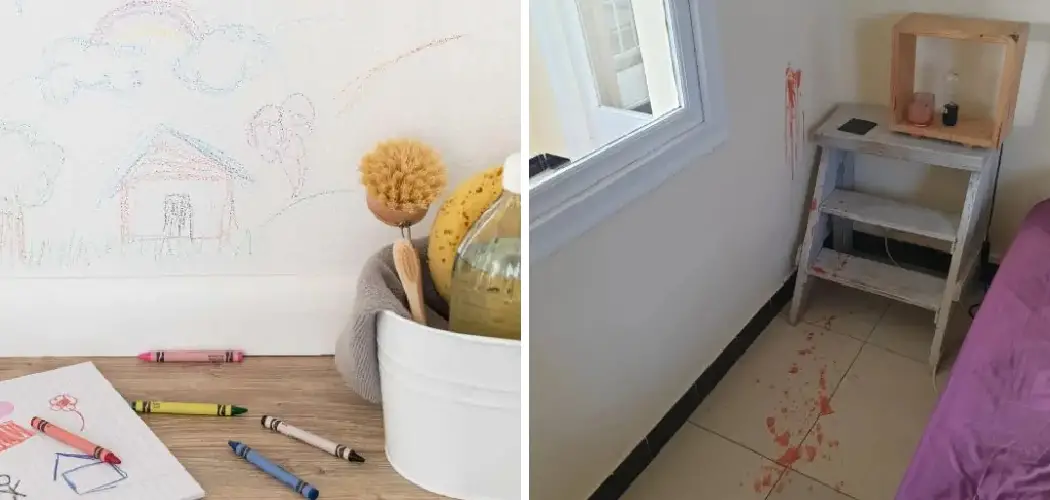
Scentsy wax warmers have become a beloved addition to many homes, offering a safe and flame-free way to fill spaces with delightful fragrances.

However, accidents happen, and sometimes wax can spill or splatter onto walls, creating an unsightly and stubborn mess. Removing Scentsy wax from a wall requires a delicate balance of effective cleaning techniques and careful handling to avoid damaging the paint or wall surface.
This guide will walk you through practical steps of how to remove scentsy wax from wall, from initial actions to prevent the wax from spreading to employing heat methods like a hairdryer or an iron with paper towels to gently lift the wax. Additionally, we will explore cleaning solutions that can help remove any residual stains or greasy marks left behind.
With the right approach, you can restore your wall to its original state, ensuring your home remains fresh and welcoming without any lingering wax mishaps.
Characteristics and Composition of Scentsy Wax
Understanding the characteristics and composition of Scentsy wax can help in devising more effective cleaning strategies. Scentsy wax is primarily composed of high-quality paraffin wax, which is chosen for its superior scent loading capability and low melting point.
This means that it can hold a higher concentration of fragrance oils compared to other types of wax, allowing it to emit stronger, more consistent scents when warmed. The low melting point also ensures that the wax melts evenly and efficiently at a relatively low temperature, reducing the risk of burns or overheating.
In addition to paraffin, Scentsy wax contains a blend of premium fragrance oils, specifically formulated to release a rich bouquet of aromas without smelling chemical-like or artificial. The wax is designed to liquefy and then re-harden without loss of fragrance, making it ideal for repeated use.
Moreover, Scentsy products are crafted to be non-toxic and free from harmful chemicals like phthalates, making them safe for use around children and pets. This blend of materials ensures that Scentsy wax remains a favorite choice for creating a cozy and aromatic atmosphere in homes.
10 Methods How to Remove Scentsy Wax from Wall
1. Scrape Off Excess Wax
The first step in removing Scentsy wax from your wall is to scrape off as much of the excess wax as possible. Use a plastic scraper, credit card, or a butter knife for this task. Begin by gently scraping the wax, starting from the edges and working towards the center. Be careful not to apply too much pressure to avoid damaging the paint or drywall beneath the wax.

Once you have removed as much wax as possible, you’ll be left with a thin residue that can be addressed with other methods. Scraping off the excess wax reduces the amount of residue, making the subsequent cleaning steps more effective and easier to manage.
2. Apply Heat with a Hair Dryer
Applying heat is an effective way to soften and remove wax from walls. Use a hairdryer on a low to medium setting and hold it a few inches away from the wax residue. Move the hairdryer back and forth to evenly distribute the heat without overheating any particular spot.
As the wax softens, use a clean, soft cloth or paper towel to wipe it away. Repeat the process until the majority of the wax is removed. Be cautious not to overheat the wall, as this could damage the paint. This method helps in loosening the wax, making it easier to clean without leaving a greasy residue behind.
3. Use an Iron and Paper Towels
Another effective method for removing Scentsy wax from a wall involves using an iron and paper towels. First, set the iron to a low, non-steam setting. Place a paper towel over the wax stain on the wall. Gently press the warm iron onto the paper towel, allowing the heat to melt the wax.
The paper towel will absorb the melted wax. Keep moving the paper towel to a clean spot as it becomes saturated with wax and repeat the process until the wax is completely removed. This method is effective for absorbing melted wax and minimizing damage to the wall surface.
4. Freeze the Wax
Freezing the wax can make it easier to remove, especially if it is thick and difficult to scrape off. Hold an ice pack or a bag of frozen vegetables against the wax for a few minutes until it hardens and becomes brittle.

Once the wax is frozen, gently scrape it off with a plastic scraper or a butter knife. Freezing the wax makes it less sticky and easier to remove in large pieces, reducing the likelihood of leaving a residue behind. This method is particularly useful for larger wax spills that have solidified on the wall.
5. Apply Vinegar Solution
A vinegar solution is an effective and natural way to remove wax residue from walls. Mix equal parts of white vinegar and water in a spray bottle. Spray the solution onto the wax stain and let it sit for a few minutes to soften the residue. Then, gently scrub the area with a soft cloth or sponge.
Vinegar helps to break down the wax and makes it easier to wipe away without damaging the paint. Rinse the area with clean water and dry it with a towel. This method is gentle yet effective, especially for smaller wax stains or when dealing with delicate wall surfaces.
6. Use a Commercial Wax Remover
Commercial wax removers are specially formulated to dissolve wax without damaging the underlying surface. Follow the manufacturer’s instructions for use, typically involving applying a small amount of the remover to the wax stain and letting it sit for a specified time.
After the wax has softened, wipe it away with a clean cloth. Be sure to test the wax remover on a small, inconspicuous area of the wall first to ensure it does not damage the paint or finish. Commercial wax removers are particularly useful for stubborn wax stains that do not respond to other methods.
7. Try a Magic Eraser
Magic Erasers are a versatile cleaning tool that can be effective in removing wax residue from walls. Dampen the Magic Eraser with water and gently rub it over the wax stain. The eraser’s micro-abrasive texture helps to lift the wax without scratching the wall surface.

Be gentle to avoid removing any paint, especially on walls with a matte or delicate finish. Magic Erasers are effective for removing the last traces of wax and restoring the wall to its original appearance. This method is particularly useful for small stains and touch-ups.
8. Use a Citrus-Based Cleaner
Citrus-based cleaners are effective for dissolving wax residues and leaving a pleasant scent behind. Apply a small amount of the citrus cleaner to a cloth and gently rub it over the wax stain. The natural citrus oils help to break down the wax, making it easier to wipe away.
After the wax is removed, rinse the area with water and dry it with a clean towel. Citrus-based cleaners are a natural and effective alternative to harsher chemical cleaners, and they work well on a variety of surfaces, including painted walls.
9. Apply Baking Soda Paste
Baking soda is a gentle abrasive that can help remove wax residue without damaging the wall. Make a paste by mixing baking soda with a small amount of water. Apply the paste to the wax stain and let it sit for a few minutes. Then, use a soft cloth or sponge to gently scrub the area.
The baking soda will help lift the wax from the surface. After scrubbing, wipe the area with a damp cloth to remove any baking soda residue and dry it with a clean towel. This method is particularly useful for stubborn wax stains and provides a natural cleaning solution.
10. Finish with a Mild Detergent
After removing the majority of the wax, clean the wall with a mild detergent to remove any remaining residue. Mix a few drops of mild dish soap with warm water and apply it to the stained area using a soft cloth or sponge. Gently scrub the area to remove any remaining wax and cleaning agents.

Rinse the area with clean water and dry it thoroughly with a towel. This final step ensures that the wall is completely clean and free of any sticky residue, restoring its original appearance.
Conclusion
Removing Scentsy wax from a wall involves a combination of scraping, heating, freezing, and using various cleaning agents to effectively lift and dissolve the wax without damaging the paint or wall surface.
By starting with scraping off excess wax and using methods like applying heat with a hair dryer or iron, freezing the wax, or using a vinegar solution, you can tackle different levels of wax residue.
Commercial wax removers, Magic Erasers, citrus-based cleaners, and baking soda
