

A floor lamp is a fantastic way to add both light and style to a room, but what happens when the perfect lamp is just a bit too short? A lamp that is too low can create awkward light pools, feel out of scale with your furniture, or fail to illuminate the space effectively. Before you decide to replace it, consider a simple DIY modification. Adding height to a floor lamp is often a straightforward project that can completely transform its presence in a room. This guide is designed for home decorators and DIY beginners, providing clear instructions on how to make a floor lamp taller using a custom base, ensuring it fits your space perfectly.

A well-proportioned floor lamp can significantly enhance the ambiance and functionality of a room. Whether you’re looking to add extra height for better task lighting or to achieve a balanced visual aesthetic, making adjustments to your floor lamp can be a rewarding experience. By customizing the height, you not only breathe new life into your existing lamp but also tailor it perfectly to your space, reflecting your unique style and needs.
Why Customizing the Height of a Floor Lamp
Customizing the height of a floor lamp is important because it allows you to adapt the lighting to your specific needs and preferences. The right lamp height can improve visibility for tasks such as reading or crafting, while also ensuring the light is distributed evenly throughout the space. Additionally, a lamp that is proportionate to your furniture and room layout contributes to a cohesive and harmonious design. By making these adjustments, you can create a more functional and inviting atmosphere that aligns with your personal style.
Materials Needed
- Floor lamp base (metal or wooden)
- Drill
- Screws
- Wood glue
- Measuring tape
- Saw
- Sandpaper
- Paint or stain (optional)
9 Step-by-Step Guide on How to Make a Floor Lamp Taller
Step 1: Use a Lamp Extension Pole
One of the easiest and most convenient ways to make a floor lamp taller is by using a lamp extension pole. These are readily available in most home improvement stores and can easily be attached to your existing lamp base.
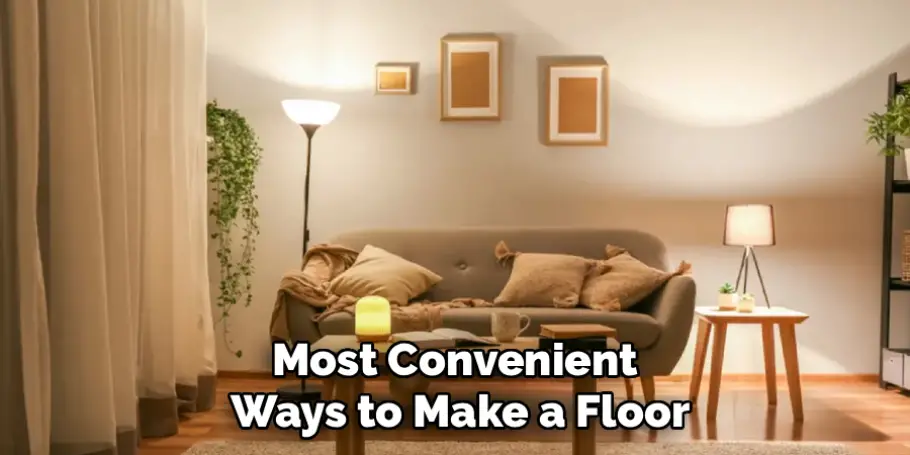
Another method to increase the height of your floor lamp is by adding a wooden or metal base at the bottom. Start by measuring and cutting a piece of wood or metal to the desired height. Sand the edges to ensure a smooth finish and securely attach the new base to the lamp using screws and wood glue for added stability. This approach not only elevates the lamp but also allows you to customize the base, adding a unique design element to match your interior décor.
Step 2: Place the Lamp on a Platform or Stand
Another effective way to increase the height of your floor lamp is by placing it on a platform or stand. This method works well for lamps with shorter bases that cannot be easily extended.
There are many platforms and stands available in the market, ranging from wooden blocks to decorative stands made from metal or acrylic. Choose one that matches the style and height you want for your lamp.
To use this method, simply place the platform or stand on the floor where you want your lamp to go. Then, position the lamp on top of it and adjust until it reaches your desired height. This not only elevates the lamp but also adds a visual interest to your space.
Step 3: Install a Tall Lamp Base
If a platform or stand is not your preference, you can also opt for a tall lamp base to elevate your lamp. This method is especially useful if you have limited floor space but still want to create the illusion of height in your room.
Tall lamp bases come in various styles and designs, from slim and sleek to more sculptural options. They are also available in a range of materials such as wood, metal, ceramic, or glass. Choose one that complements the overall aesthetic of your space and fits within your budget.
To use this method, simply place the lamp base where you want it on the floor and then attach the lampshade to complete the look.
Step 4: Add an Adjustable Lamp Stand
If you want even more versatility in your lighting setup, consider adding an adjustable lamp stand to your room. This type of stand allows you to easily adjust the height and angle of your lamp, providing better control over the amount and direction of light.
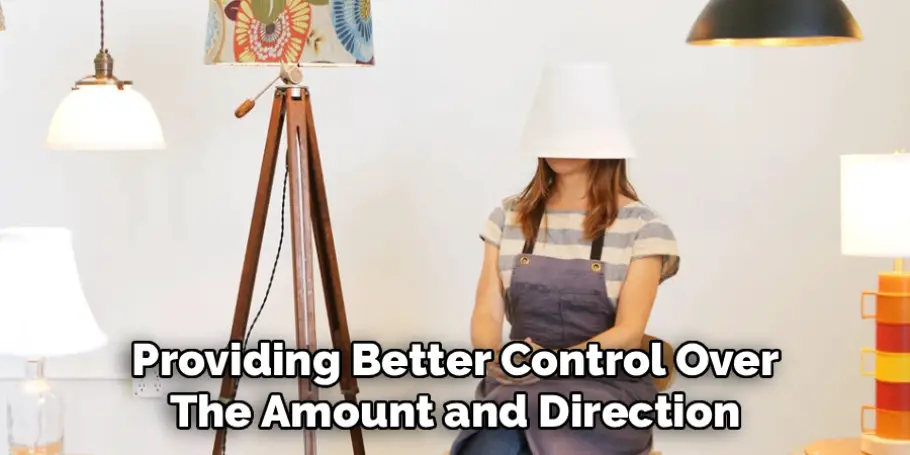
Adjustable lamp stands come in various sizes and styles, from simple and minimalistic designs to more decorative options. They are a great addition to any room where you need flexibility with your lighting needs, such as a home office or reading nook.
Step 5: Use a DIY Extension Cord
Another way to improve your lighting setup is by using a DIY extension cord. This can be especially useful if you have limited outlets in your room or if you want to move your lamps around frequently.
To make a DIY extension cord, all you need is an electrical outlet adapter and some extra wire. Begin by cutting the wire to your desired length, leaving enough slack for movement. Then, strip the ends of the wire and attach them to the outlet adapter according to its instructions.
Using a DIY extension cord not only adds convenience but also allows for more versatile placement of your lamps without having to rely on existing outlets.
Step 6: Opt for a Taller Lampshade
If you find that your lamps are not providing enough light, it may be due to the height of your lampshade. Opting for a taller lampshade can help increase the amount of light that is being emitted from your lamp.
When selecting a taller shade, make sure to choose one that is proportionate to the size and shape of your lamp base. A too-small shade on a tall base can look awkward and unbalanced. You also want to ensure that the shade does not cover any important design features or details on your lamp base.
A taller lampshade will allow for more space at the top for light to escape, creating a brighter and more evenly distributed glow throughout the room.
Step 7: Add a Weighted Base
Another important factor to consider when selecting a lamp is the base weight. Ideally, you want a lamp with a weighted base to prevent it from tipping over easily. This is especially important for taller lamps, as they tend to be top-heavy.
When browsing for lamps, pay attention to the material and stability of the base. A heavier material like metal or stone will provide more stability compared to lightweight materials like plastic or glass.
In addition, consider investing in a lamp with a wider or larger base for added balance and stability. This will not only ensure that your lamp stays upright, but it can also add visual interest and complement the overall design of your space.
Step 8: Use a Plant Stand or Decorative Stand
Another option to consider when looking for ways to improve the stability of your lamp is using a plant stand or decorative stand. These stands are designed to hold and display various items, including lamps.

Plant stands or decorative stands come in different sizes, styles, and materials. You can choose one that complements the design of your lamp and fits well with the overall aesthetic of your space.
Placing your lamp on a stand can also elevate it from ground level, making it less susceptible to accidents such as being knocked over or bumped into. This is especially useful if you have young children or pets in your home.
Step 9: Use a Tall Vase or Sculpture as a Base
Instead of using a traditional lamp base, you can get creative with your choice and use a tall vase or sculpture as the base for your lamp. This not only adds a unique touch to your décor but also allows you to repurpose an existing item in your home.
You can choose from a variety of vases or sculptures, depending on the style and look you want to achieve. For example, a sleek and modern vase would be perfect for a contemporary space, while a more ornate vase or sculpture would work well in a traditional or eclectic setting.
When using this method, it’s important to make sure that the base is stable enough to support the weight of the lamp.
Common Mistakes to Avoid
When choosing and using a lamp stand, there are several common mistakes to avoid. One frequent error is selecting a stand that is too tall or too short for your lamp, which can disrupt the harmony of the room’s decor or affect the usefulness of the lamp’s light. Another mistake is overlooking the stability of the stand; a poorly balanced or lightweight stand can easily tip over, posing safety risks. It’s also important to avoid mismatched styles or materials that clash with the overall aesthetic of your space. Lastly, ignoring the load capacity of a stand can lead to structural damage or even accidents if the lamp is too heavy for the stand to support. Paying attention to these details ensures both functional and visual success in your setup.
Frequently Asked Questions (FAQ)
What Is the Easiest Way to Add Height to a Floor Lamp?
The simplest method is to place the entire lamp on a stable, pre-made object. You could use a decorative wooden crate, a small, sturdy stool, or a stack of large, heavy books. This requires no disassembly of the lamp itself. However, you must ensure the object is wide and heavy enough to prevent the lamp from tipping over, and you will need to find a way to manage the cord aesthetically.
How Do I Know What Height My Floor Lamp Should Be?
The ideal height depends on the lamp’s function and its relationship to nearby furniture. For general room illumination, the bottom of the shade should be at or just above eye level when you are standing. For a reading lamp next to a sofa or chair, the bottom of the shade should be at eye level when you are seated to prevent glare.
Is It Safe to Modify a Floor Lamp?
Yes, it is safe as long as you take proper precautions. Always unplug the lamp completely before starting any work. The most important safety consideration is stability. The new base you add must be heavy and wide enough to securely support the lamp’s new center of gravity. As long as you are not altering the electrical wiring itself, the project is very safe.
What Materials Should I Avoid Using for a Lamp Riser?
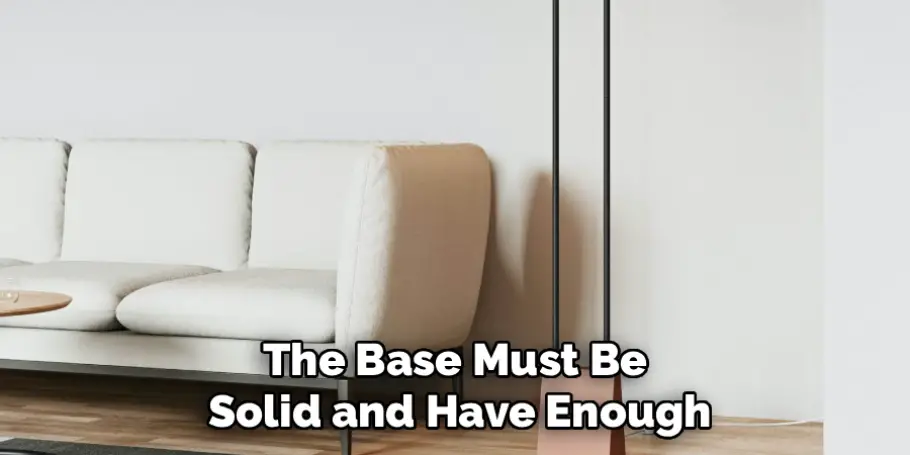
Avoid any materials that are lightweight, flammable, or unstable. Do not use hollow plastic containers, stacks of magazines, or anything that can easily tip over. The base must be solid and have enough weight to counterbalance the height of the lamp. Also, avoid materials that could be damaged by the slight heat generated by the lamp.
Can I Extend the Metal Pole of the Lamp Itself?
Extending the actual pole is a much more advanced project that is not recommended for beginners. It would require cutting the pole, finding a matching extension piece, and, most critically, extending the internal electrical wire. This involves cutting, splicing, and properly insulating wires, which can be dangerous if not done correctly. Adding a riser at the base is a much safer and easier alternative.
Conclusion
You don’t have to live with a floor lamp that doesn’t quite fit your space. With a little bit of DIY spirit, you can easily and safely give your favorite lamp the lift it needs. The process is all about creating a new, stable base that seamlessly integrates with the lamp’s design while providing the necessary extra inches. The key is to prioritize stability and work safely with the lamp unplugged. Now that you have a clear guide on how to make a floor lamp taller, you can confidently tackle this project and elevate your home’s lighting and style.
