
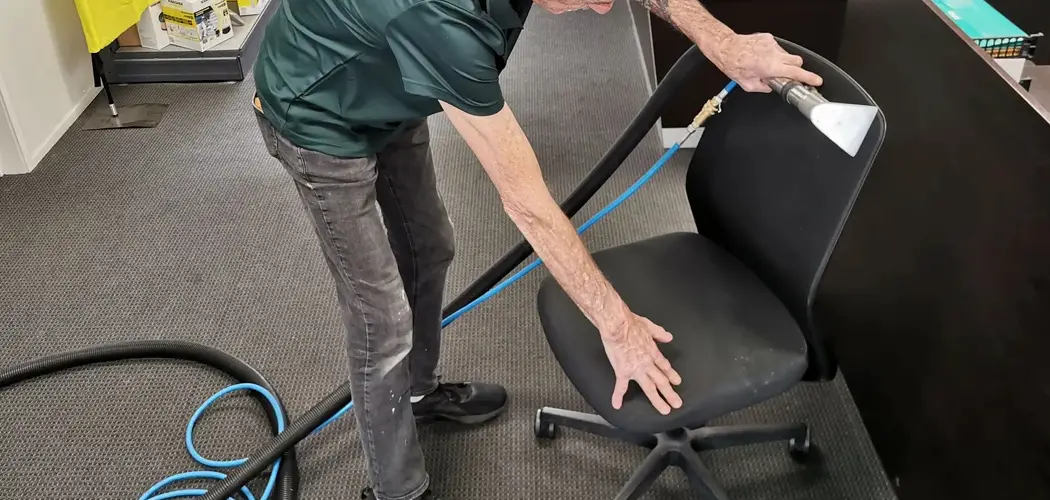
That funky smell coming from your favorite chair can ruin an otherwise cozy spot. Maybe it picked up the scent of last night’s dinner, a pet’s nap, or a spilled drink that never fully dried. Whatever caused it, you don’t have to live with it or rush out to buy a replacement. Learning how to get smell out of chair fabric and frames is a simple skill anyone can master, even if you’ve never cleaned upholstery before.
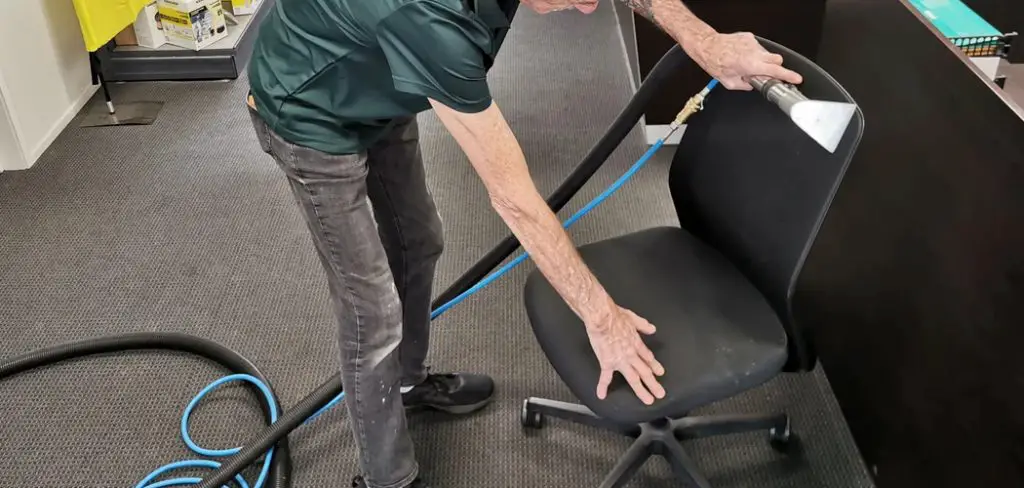
The smell usually comes from trapped particles, moisture, or bacteria settling deep into the cushions and material. The good news is that everyday household items can tackle the problem fast. This guide walks you through each step in plain, easy language so you feel confident the whole way. We’ll explain why fresh-smelling furniture matters, share a clear seven-step method, and answer the questions people ask most. By the end, you’ll have a practical plan to refresh your chair and reclaim your comfy seat.
Why Getting Smell Out of a Chair Matters
A smelly chair does more than bother your nose. Odors often signal trapped bacteria, mold, or moisture, which can affect the air you breathe and even trigger allergies or headaches over time. Tackling the smell early keeps your home healthier and far more pleasant to relax in. There’s also a practical side. Furniture is an investment, and regular care extends its life, saving you money on early replacements.
A clean, fresh chair simply feels better to use, whether you’re working, reading, or hosting guests. Lingering smells can also embarrass you when visitors stop by. By treating odors quickly and correctly, you protect both your comfort and your wallet, while keeping your living space welcoming. Best of all, the methods are gentle, affordable, and beginner-friendly, so anyone can do it.
Step-by-Step Guide to How To Get Smell Out of Chair
Step 1: Identify the Source of the Odor
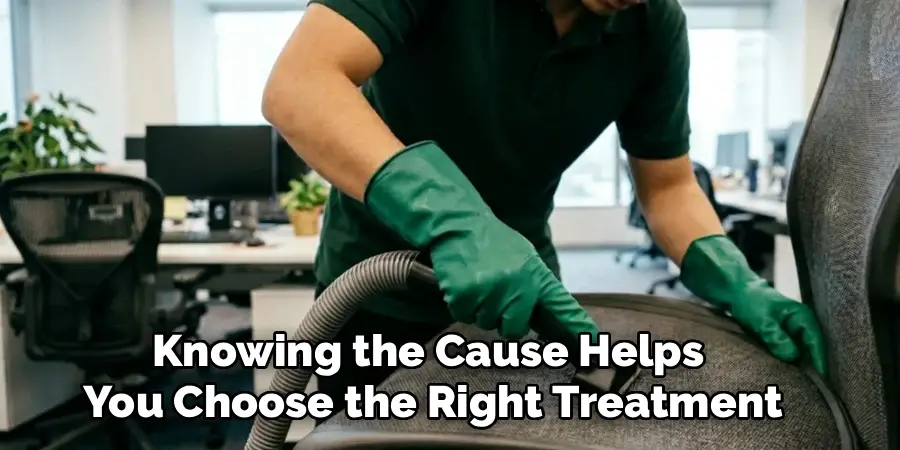
Before you reach for any cleaner, take a moment to figure out where the smell is coming from. Knowing the cause helps you choose the right treatment instead of guessing and wasting effort. Sniff around the cushions, seams, and base, since odors often hide in spots you’d never expect. A pet smell needs a different approach than a food spill or musty dampness.
Once you’ve pinpointed the area, check whether the chair is fabric, leather, or a mix. Look at the care label too, usually tucked under a cushion. This quick bit of detective work sets you up for success and protects your furniture from the wrong product.
Step 2: Vacuum the Chair Thoroughly
With the source identified, your next move is a good vacuum. Dust, crumbs, pet hair, and tiny particles collect deep in the fibers, and many of them carry odor right along with them. Use a brush or upholstery attachment and work slowly across every surface. Pay special attention to the seams, folds, and the gaps where the cushions meet the frame.
For removable cushions, lift them out and vacuum both sides plus the area underneath. This dry step removes a surprising amount of the smell on its own. It also clears the way so any cleaning solution you apply later can reach the fabric instead of sitting on debris.
Step 3: Sprinkle Baking Soda Generously
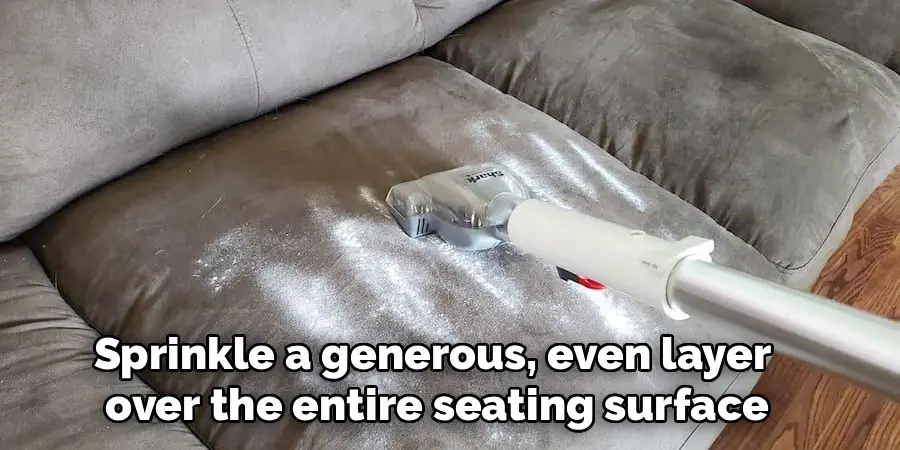
Baking soda is your best friend when learning how to get smell out of chair cushions naturally. It absorbs odors rather than masking them, and it’s safe on most fabrics. Sprinkle a generous, even layer over the entire seating surface, focusing on the spots that smell strongest. Don’t be shy with the amount, since a light dusting won’t do much against a stubborn odor.
Let it sit for at least a few hours, though overnight works even better for tougher smells. The longer it stays, the more odor it pulls out. When time’s up, vacuum every bit away. You’ll often notice a big improvement after this single, simple step.
Step 4: Spot Clean Stains and Problem Areas
Sometimes a smell clings to a specific stain, so treating that spot directly makes a real difference. Mix a gentle solution of warm water and a few drops of mild dish soap, or use a small amount of white vinegar for greasy or pet-related odors. Always test the mixture on a hidden area first to make sure it won’t discolor the material.
Dampen a clean cloth, wring it nearly dry, and blot the stain gently rather than rubbing. Rubbing pushes the odor deeper into the fibers. Work from the outside of the stain inward, then follow with a dry towel to soak up extra moisture.
Step 5: Use Vinegar for Deep Odors
When baking soda alone doesn’t fully solve how to get smell out of chair material, white vinegar steps in for tougher jobs. Its mild acidity neutralizes lingering bacteria and stubborn smells without harsh chemicals. Mix equal parts white vinegar and water in a spray bottle, then lightly mist the fabric. Avoid soaking it, since too much moisture invites mildew.
The vinegar smell fades as it dries, taking the bad odor with it. Open a window or run a fan to speed things along. For leather chairs, dilute the vinegar more and wipe gently with a soft cloth instead of spraying, protecting the finish while still freshening the surface.

Step 6: Let the Chair Air Out Fully
Fresh air does powerful work, so give your chair plenty of it. If you can, move the chair outside on a dry, breezy day and let it sit in indirect sunlight. Sunlight naturally kills odor-causing bacteria, while moving air carries trapped smells away. Just avoid harsh, direct sun for long stretches, which can fade fabric or crack leather.
If outdoors isn’t an option, place the chair near an open window and aim a fan at it. Make sure every layer dries completely, since leftover dampness brings odors right back. This patient step locks in the freshness from your earlier cleaning efforts.
Step 7: Apply a Finishing Freshener and Protect
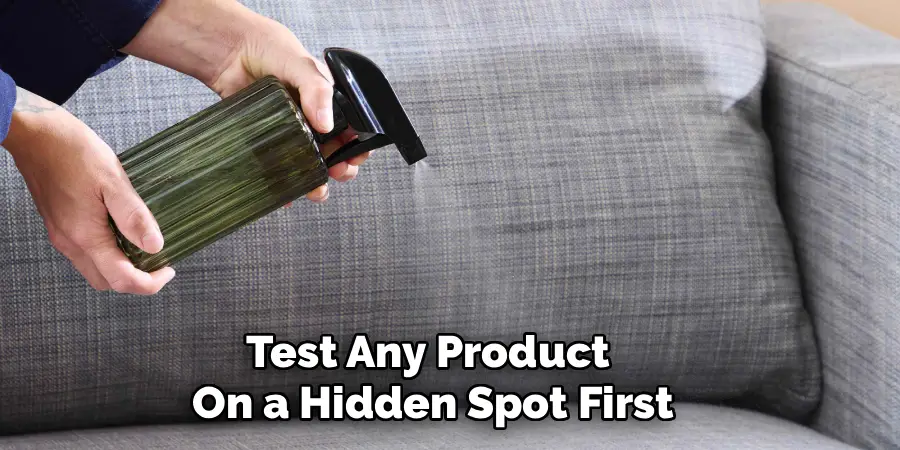
Once your chair is clean and fully dry, add a finishing touch to keep it smelling great. A light mist of fabric refresher or a homemade spray of water with a few drops of essential oil works beautifully. Test any product on a hidden spot first, and use it sparingly so you enhance the freshness rather than overpower it.
For ongoing protection, consider a fabric or leather guard suited to your chair’s material. This invisible layer helps repel spills and odors in the future, making your next cleanup faster. Step back, take a deep breath, and enjoy your refreshed, comfortable seat once again.
Frequently Asked Questions
How Long Does It Take to Remove a Smell From a Chair?
It depends on how strong the odor is and what caused it. Light smells often disappear within a few hours after vacuuming and a baking soda treatment. Deeper or pet-related odors may need overnight soaking and a couple of repeat sessions over several days. Consistent airing out and patience speed up the process, so don’t worry if one round isn’t enough.
Can I Use Baking Soda on All Types of Chairs?
Baking soda works wonderfully on most fabric and upholstered chairs, and it’s gentle enough for everyday use. For leather chairs, skip the heavy sprinkling and instead wipe gently with a barely damp cloth, since powder can dry out the surface. Always check the care label first and test a hidden area. When in doubt, start small and build up your treatment slowly.
What If the Smell Comes Back After Cleaning?
A returning smell usually means the source wasn’t fully removed or some moisture stayed trapped inside. Repeat the vacuuming and baking soda steps, then make sure the chair dries completely with good airflow. For stubborn cases, an enzyme-based cleaner breaks down odor molecules at their root, which is especially helpful for pet accidents. Patience and a second round often solve the problem for good.
Is Vinegar Safe for Upholstered Furniture?
Yes, diluted white vinegar is safe for most upholstered furniture and is a popular natural deodorizer. Always mix it with water, test it on a hidden spot, and avoid soaking the fabric. The sharp vinegar scent fades completely as it dries, leaving no lasting smell behind. For delicate or antique materials, check the care label or consult a professional before applying anything.
When Should I Call a Professional Cleaner?
Most odors respond well to do-it-yourself methods, but some situations call for expert help. If the smell comes from mold, smoke, or deep pet damage, or if your chair is an antique or made of delicate material, a professional has the right tools and experience. Reaching out for support also makes sense when repeated home treatments haven’t worked. There’s no shame in getting expert backup.
Conclusion
Freshening up a smelly chair is far easier than it first seems, and you don’t need fancy products to get great results. The secret is following the steps in order: find the source, vacuum well, treat with baking soda, spot clean stains, use vinegar for deeper odors, air everything out, and finish with a light freshener. Each step builds on the last, turning a frustrating smell into a clean, inviting seat.
Acting quickly always gives you the best outcome, since fresh odors lift far easier than ones left to settle in. Now that you know how to get smell out of chair fabrics and frames with confidence, you have everything you need to refresh your furniture and your whole room. Gather a few simple supplies, set aside a little time, and give your chair the care it deserves. Your nose, and your guests, will thank you.

Rick is a handyman who grew up helping his dad with his business. He learned a lot from him about how to fix things, and also about how to work hard and take care of business. These days, Rick is still into fixing things- only now, he’s doing it for a living.
Rick is always looking for new ways to help people grow and develop. That’s why he started contributing to this blog: to share all his experience and knowledge so that he can help people who are interested in DIY repair.