

A reclined chair that refuses to sit back up can turn a relaxing evening into a frustrating one. You press the button, you hear nothing, and the footrest stays stubbornly extended. The good news is that most of these problems are simple, and you can solve many of them yourself without calling a technician.

Learning how to fix an electric recliner that won’t close gives you confidence and saves you money on repair bills. In most cases, the cause is something small, like a loose cable, a tripped power supply, or a worn-out switch. These issues sound technical, but they are easy to spot once you know where to look.
This guide walks you through the whole process in plain language. You do not need prior experience or special tools to follow along. We will explain each step clearly, point out common mistakes, and help you understand what is happening inside your chair. By the end, you will know exactly how to bring your recliner back to its comfortable, upright position.
Why Fixing a Stuck Recliner Matters
A recliner that stays open is more than an annoyance. It takes up extra space, blocks walkways, and can become a tripping hazard in a busy room. Leaving the problem unattended often makes it worse, since loose wires or strained motors tend to degrade further over time.
Solving the issue early protects your investment, too. Quality recliners cost a fair amount, and a quick fix today can prevent a costly motor replacement later. When you understand the basic mechanics, you also gain the power to maintain the chair properly going forward.
There is also peace of mind. Knowing you can troubleshoot a stuck chair means small malfunctions no longer ruin your day. You stay in control, you reduce errors, and you keep your living space safe, tidy, and comfortable for everyone in your home.
Step-by-Step Guide to How to Fix an Electric Recliner That Won’t Close
Follow these seven steps in order. Each one builds on the last, so resist the urge to skip ahead. Working through them slowly helps you find the real cause instead of guessing.
Step 1: Check the Power Connection First
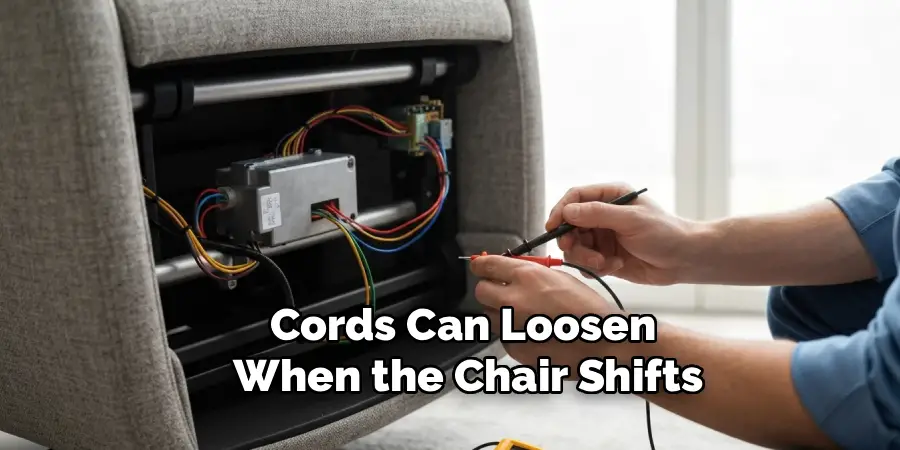
Start with the simplest possibility before anything else. A recliner that won’t move at all often has a power problem rather than a mechanical one. Trace the cord from the back of the chair to the wall outlet and confirm it is plugged in fully. Cords can loosen when the chair shifts or when someone vacuums nearby.
Next, test the outlet itself. Plug a lamp or phone charger into the same socket to see if it works. If the outlet is dead, reset the breaker or try a different one. Many “broken” recliners simply lost power.
Step 2: Inspect the Transformer and Power Box
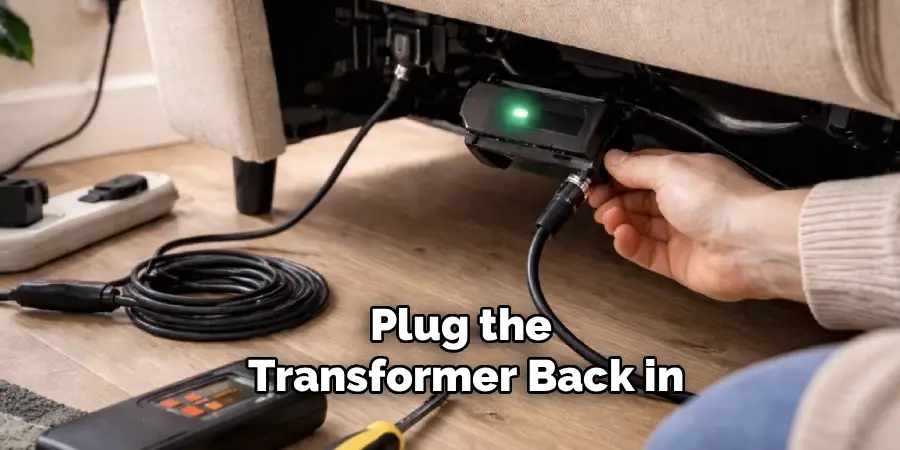
Most electric recliners use a small power box, often called a transformer, that converts wall voltage into a safe level for the motor. This box usually sits under or behind the chair, connected by a thin cable. Look for a small light on the unit. A glowing light means it is receiving power.
If the light is off, unplug the transformer, wait thirty seconds, and plug it back in. This simple reset clears minor electrical faults. Check that the cable running from the transformer into the chair is snug. A loose plug here is one of the most common and easily fixed causes.
Step 3: Examine the Hand Control and Buttons
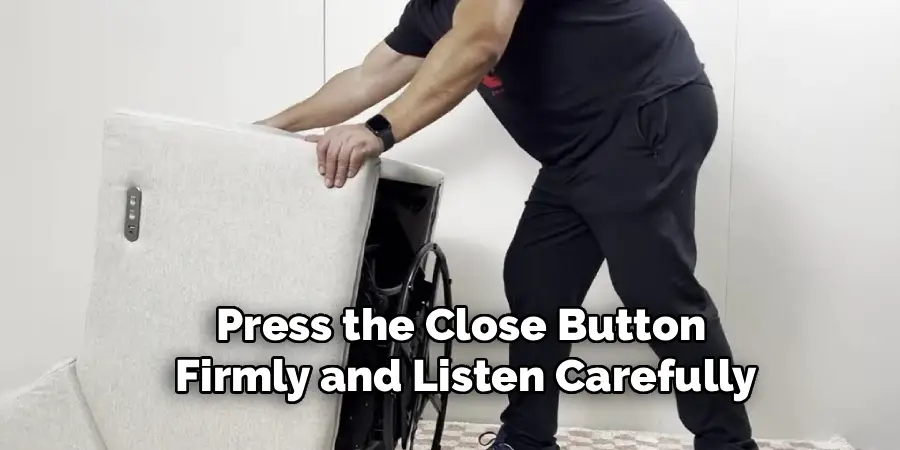
The hand control is your direct link to the motor, and worn buttons cause many closing problems. Press the close button firmly and listen carefully. A faint clicking sound suggests the control works but the motor struggles. Total silence may point to a faulty remote.
Inspect the cable connecting the control to the chair for kinks, cuts, or loose plugs. Reseat the connector firmly. If your model has a second remote or a known-good replacement, swap it in to test. Hand controls are inexpensive and easy to order, so replacing one is a friendly first repair.
Step 4: Close by Clearing Obstructions
Sometimes the motor works perfectly, but something physical blocks the mechanism. Toys, remote controls, blankets, or even a curious pet can wedge into the moving frame. Carefully look underneath and behind the seat while the chair is extended.
Remove anything caught in the metal scissor arms or near the footrest hinge. Run your hand gently along the frame to feel for trapped fabric or debris. Clear it out, then test the close button again. This step is satisfying because the fix is often instant, and it reminds us that not every problem requires tools or technical skill.
Step 5: Reconnect or Replace the Motor Cable
If power is fine and nothing blocks the frame, the motor cable deserves attention. Tip the chair gently forward or lay it on its back to view the motor, a cylinder-shaped unit attached to the frame. Locate the cable plugged into it.
Unplug the connector, check for bent pins or corrosion, then push it back together firmly until it clicks. Vibration over months of use can loosen these connections slowly. If the cable looks frayed or damaged, order a matching replacement from the manufacturer. Reconnecting a loose motor cable restores movement for a surprising number of stuck recliners.

Step 6: When the Motor Hums but Won’t Move
A motor that hums or buzzes without moving is trying to work but cannot. This often means the gears inside are jammed or the mechanism is overloaded. First, gently rock the footrest by hand while pressing the close button to help the gears catch.
If that fails, the motor may be worn or burnt out. Listen for grinding, which signals internal damage. In this case, you will likely need a replacement motor, which usually arrives as a single bolt-in part. Note your chair’s model number before ordering so you receive the correct match.
Step 7: Test, Reassemble, and Confirm the Fix
After making any repair, return the chair upright and reconnect everything you moved. Plug the transformer back in, secure all cables, and make sure no tools remain inside the frame. Then press the close button and watch the chair complete a full cycle.
Run the recliner open and closed two or three times to confirm the fix holds. Smooth, quiet movement means success. If the chair still hesitates, revisit the earlier steps, since you may have more than one issue. Testing thoroughly now prevents repeat frustration and gives you real confidence in your repair.
Frequently Asked Questions
Why Does My Recliner Open but Not Close?
This usually points to a one-way fault in the motor, switch, or wiring rather than total failure. Since the open function works, power reaches the chair. Focus on the close button, the hand control cable, and any physical obstruction in the frame. A worn motor that struggles in one direction is also common and may need replacing if other checks pass.
Can I Fix an Electric Recliner Without Any Tools?
Yes, many fixes need no tools at all. Checking the power cord, resetting the transformer, clearing obstructions, and reseating loose plugs are all hands-only tasks. Tools become necessary only for deeper work, like replacing a motor or opening the frame. Always start with the simple, tool-free checks first, as they solve the majority of common closing problems quickly and safely.
How Much Does It Cost to Repair a Stuck Recliner?
Costs vary widely depending on the cause. A replacement hand control or power transformer often costs a modest amount and ships easily to your door. A new motor sits higher but remains far cheaper than buying a whole new chair. If you do the work yourself, you pay only for parts, which makes home repair a smart, budget-friendly choice.
Is It Safe to Repair My Recliner Myself?
For basic checks, yes, repairing your recliner is generally safe. Always unplug the chair from the wall before touching internal cables or the motor to avoid electric shock. Keep fingers clear of the scissor mechanism, since it can pinch. If you ever feel unsure or smell burning, stop and contact a professional. Safety first keeps your simple repair from becoming a bigger problem.
When Should I Call a Professional Instead?
Call a professional if you have completed every step and the chair still will not close, or if you notice burning smells, sparks, or exposed wires. These signs suggest electrical faults that need expert attention. Likewise, if your recliner is under warranty, contact the manufacturer first, since self-repair could void your coverage. Knowing your limits protects both you and your furniture.
Conclusion
Bringing a stuck recliner back to life is far more achievable than it first appears. By moving methodically through power checks, control tests, obstruction clearing, and motor inspection, you tackle the most likely causes in a logical order. Most chairs respond to one of these simple fixes, and you gain valuable skills along the way that serve you for years.
Now that you understand how to fix an electric recliner that won’t close, you can approach the task with confidence instead of frustration. Grab your chair, work through the steps at your own pace, and enjoy the satisfaction of solving it yourself. Should you hit a wall, remember that professional help and manufacturer support are always within reach. Your comfort is worth the effort, so go ahead and reclaim that cozy spot today.

Rick is a handyman who grew up helping his dad with his business. He learned a lot from him about how to fix things, and also about how to work hard and take care of business. These days, Rick is still into fixing things- only now, he’s doing it for a living.
Rick is always looking for new ways to help people grow and develop. That’s why he started contributing to this blog: to share all his experience and knowledge so that he can help people who are interested in DIY repair.