
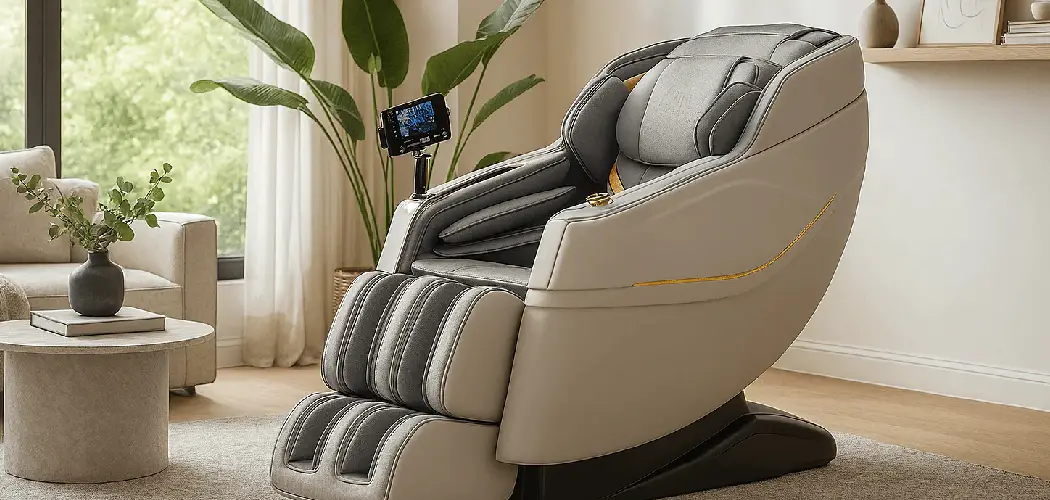
A massage chair sits in your living room like a quiet promise of relaxation, yet many people never unlock everything it can do. If you just bought one or finally have time to explore the model you already own, knowing how to use massage chair features properly makes all the difference between a quick novelty and a daily ritual that eases your tension. The good news is that you don’t need to be a tech expert or a wellness guru to get started.
These chairs are built to be intuitive, but a little guidance helps you avoid common mistakes and get more comfort from every session. In this guide, you’ll learn how to set up your chair, choose the right program, adjust intensity, and protect your body so each massage feels great. Whether you want to soothe a stiff neck after work or relax before bed, the steps ahead will walk you through it. Let’s turn that chair into your favorite spot at home.
Why Using a Massage Chair Matters
A massage chair does more than feel nice. Regular sessions can ease muscle tension, improve circulation, and help your body shift out of stress mode after a long day. When your muscles relax, your mind often follows, which makes these chairs a simple tool for winding down and sleeping better.
There’s also real convenience at play here. Instead of booking appointments and driving across town, you get targeted relief whenever you need it. Over time, that easy access encourages consistency, and consistency is where the benefits really add up. A few minutes most days can reduce everyday aches, loosen tight shoulders, and give you a reliable way to reset. For anyone juggling work, family, and stress, that kind of on-demand comfort genuinely matters.
Step-by-Step Guide to How to Use Massage Chair
Step 1: Position the Chair Properly
Before you sit down, give your chair the space it needs. Most models recline fully, so check the manufacturer’s recommended clearance behind the chair and leave a few extra inches just to be safe. Place it on a flat, stable surface away from walls and furniture that could block the recline.
Once the spot is set, plug it into a grounded outlet and avoid using extension cords, since these chairs draw steady power. Make sure cords stay tucked out of walkways too. A proper setup protects both the chair and your home, and it lets the recline and footrest move freely without bumping into anything during your session.

Step 2: Get Familiar With Controls
Take a few minutes to study the remote or control panel before your first real session. Most chairs include buttons for power, automatic programs, manual modes, intensity, and recline. Some newer models add a touchscreen or a companion app, which can feel overwhelming at first but quickly becomes second nature.
Don’t rush this part. Press through the menus while sitting upright so you understand what each button does before the rollers start moving. Knowing how to use massage chair controls confidently means you can adjust settings mid-session without fumbling. This small bit of prep pays off, because you’ll spend your time relaxing instead of guessing which button does what.
Step 3: Choose the Right Program
Now pick a program that matches your goal for the session. Automatic modes are perfect for beginners, since they run preset routines designed for relaxation, recovery, or a full-body stretch. Just press the option that fits your mood and let the chair guide you through it.
If you want more control, switch to manual mode and target a specific area like your neck, shoulders, or lower back. Manual settings let you choose techniques such as kneading, tapping, or rolling. Start with a gentle automatic program for your first try, then experiment with manual modes once you feel comfortable. Matching the program to your needs makes every minute in the chair count.

Step 4: Adjust the Fit and Body Scan
Many quality chairs include a body scan feature that maps your spine and shoulder height before the massage begins. Sit back, stay still, and let the rollers glide along your back so the chair can customize the massage to your frame. This step ensures the pressure lands where it should.
After the scan, fine-tune the fit by adjusting the shoulder position, seat depth, and footrest length so everything aligns with your body. A chair that fits you well feels dramatically better than one running on default settings. Take a moment here, because a quick adjustment now means the rollers hit the right spots and you avoid awkward pressure during the session.
Step 5: Set the Intensity and Recline
With your program chosen and fit dialed in, set the intensity to a level that feels good rather than painful. A common mistake is cranking the pressure too high on the first try, which can leave you sore instead of relaxed. Start low, then increase gradually until the massage feels firm but comfortable.
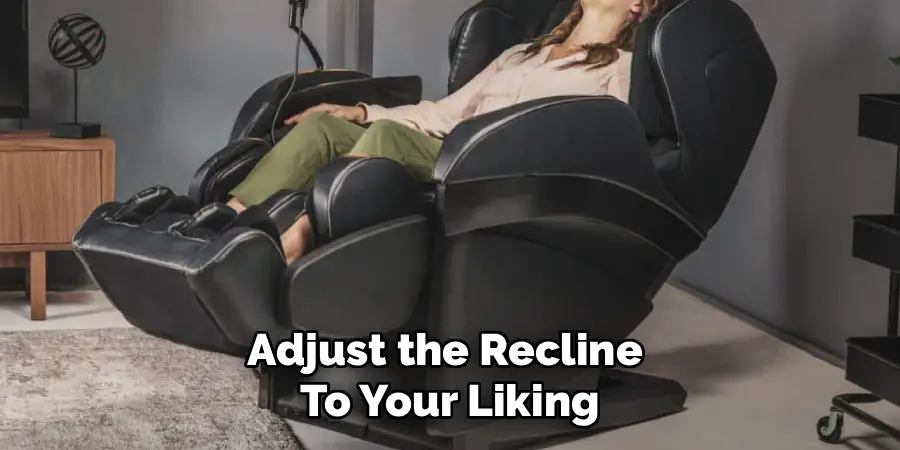
Next, adjust the recline to your liking. Leaning back slightly often deepens the massage by letting your body weight press into the rollers, while an upright position offers a lighter touch. Many people enjoy a zero-gravity recline that elevates the legs and reduces strain on the spine. Experiment until you find your sweet spot.
Step 6: Relax and Stay Mindful During the Session
This is the part you’ve been waiting for, so settle in and let the chair do its work. Keep your arms relaxed, breathe slowly, and avoid tensing against the rollers. Fighting the pressure makes the massage less effective and can leave your muscles tight rather than loose.
Pay attention to how your body responds throughout the session. If a certain spot feels too intense, lower the strength or move the massage to another area. Most sessions run between fifteen and thirty minutes, which is plenty for one sitting. Staying mindful helps you notice what feels good, so you can repeat the settings that work best for you next time.
Step 7: Finish Up and Care for the Chair
When your session ends, return the chair to its upright position before standing, and take a moment to rise slowly since deep relaxation can leave you a little lightheaded. Drinking a glass of water afterward helps flush out the toxins loosened during the massage and keeps you feeling refreshed.
Caring for your chair keeps it working well for years. Wipe down the surface with a soft, dry cloth to remove dust and oils, and avoid harsh cleaners that can damage upholstery. Power it off fully when you’re done, and check the cords occasionally for wear. A little upkeep protects your investment and ensures every future session feels just as good.

Frequently Asked Questions
How Long Should a Massage Chair Session Last?
Most experts recommend keeping each session between fifteen and thirty minutes. This window is long enough to relax tight muscles and improve circulation without overworking the area. Spending too long can leave you sore, especially at high intensity. If you’re new to it, start with shorter sessions of around fifteen minutes, then adjust based on how your body feels afterward and what your chair’s manual suggests.
Is It Safe to Use a Massage Chair Every Day?
For most healthy adults, daily use is perfectly safe when sessions stay reasonable in length and intensity. A short, gentle massage each day can ease tension and support relaxation. That said, listen to your body and avoid overdoing high-pressure settings. If you have a medical condition, are pregnant, or recently had surgery, check with your doctor first to make sure regular use suits your situation.
Can a Massage Chair Help With Back Pain?
Yes, many people find real relief for everyday back tension and stiffness. The rollers knead tight muscles, boost circulation, and help your body relax, which can ease minor aches. Targeted programs for the lower back are especially helpful after long hours sitting. Keep in mind that a chair eases muscle discomfort rather than treating serious conditions, so see a professional for ongoing or severe pain.
What Should I Wear in a Massage Chair?
Comfortable, lightweight clothing works best. Thin fabrics like a cotton t-shirt and soft pants let you feel the rollers clearly without bulky seams or thick material getting in the way. Avoid heavy jeans, belts, or anything with hard buttons along your back. Remove items from your pockets too, including phones and keys, so nothing presses uncomfortably against you during the session.
Why Does My Massage Chair Feel Too Intense?
A massage that feels too strong usually means the intensity is set too high or your body simply needs time to adjust. New users often crank the pressure up before their muscles are ready. Lower the strength, choose a gentler program, and shorten your session. As your muscles adapt over a few sessions, you can gradually increase intensity to a level that feels firm yet comfortable.
Conclusion
Getting the most from your chair really comes down to a few simple habits: set it up correctly, learn the controls, choose a program that fits your goal, and adjust the intensity so every session feels comfortable rather than painful. Add a little mindful breathing and basic upkeep, and you’ll turn a one-time purchase into a daily source of relief and relaxation.
Now that you know how to use massage chair features with confidence, there’s no reason to let yours sit unused. Pick a quiet moment today, settle into a gentle automatic program, and notice how good it feels to unwind. Start with short sessions, pay attention to what your body enjoys, and build from there. Your shoulders, your back, and your stress levels will thank you.

Rick is a handyman who grew up helping his dad with his business. He learned a lot from him about how to fix things, and also about how to work hard and take care of business. These days, Rick is still into fixing things- only now, he’s doing it for a living.
Rick is always looking for new ways to help people grow and develop. That’s why he started contributing to this blog: to share all his experience and knowledge so that he can help people who are interested in DIY repair.