
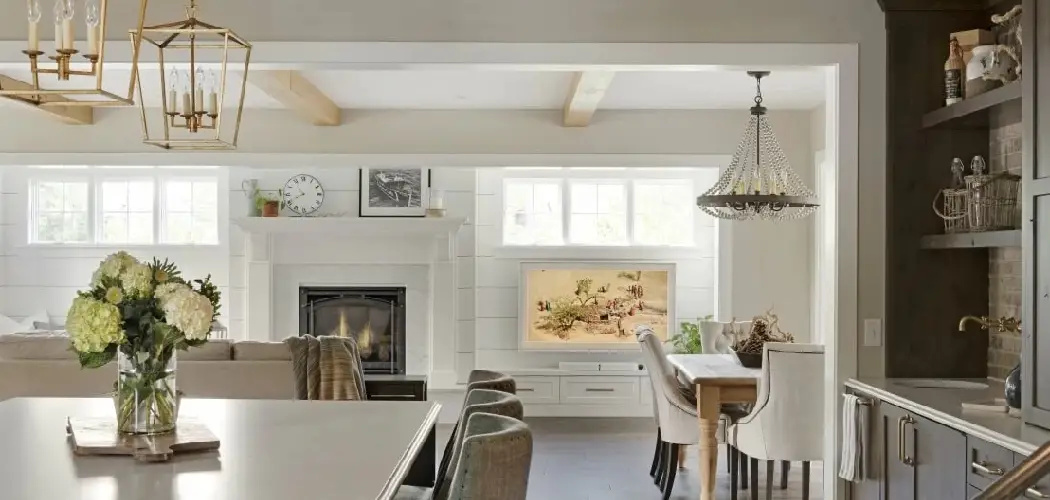
Pendant lights are the jewelry of the kitchen, adding personality and crucial task lighting to the heart of your home. A beautifully lit kitchen island is both a functional workspace and a stunning focal point. However, achieving that perfect, balanced look is about more than just picking stylish fixtures; it comes down to mathematics and thoughtful placement. Incorrectly spaced pendants can make a kitchen feel cluttered or poorly lit. This guide removes the guesswork, providing clear, beginner-friendly instructions and simple formulas on how to space pendant lights over an island, ensuring your lighting is both beautiful and perfectly functional.
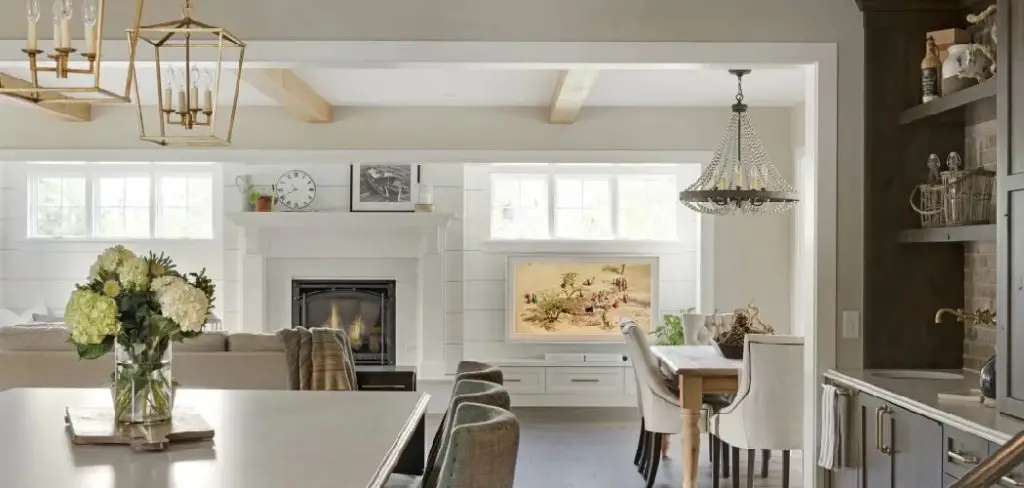
Why Proper Spacing Matters
The spacing of pendant lights over a kitchen island is more than just an aesthetic choice—it directly impacts the functionality and ambiance of the space. Properly spaced lights ensure even illumination across the countertop, reducing shadows and making tasks like chopping, prepping, and dining more comfortable and enjoyable. Additionally, thoughtfully positioned pendants create a sense of balance and proportion in the room, complementing the overall design without overpowering other elements. Neglecting to calculate spacing can result in glare, insufficient light, or a visually chaotic arrangement, detracting from both form and functionality.
7 Step-by-Step Guide on How to Space Pendant Lights Over an Island
Step 1: Measure the Length
Before you can determine spacing, you need to know the exact dimensions of your canvas. Use a tape measure to find the total length of your kitchen island countertop from one end to the other. Write this number down, as it will be the foundation for all subsequent calculations. For example, let’s say your island is 72 inches long. This single measurement is the starting point for creating a visually balanced and evenly lit surface, preventing lights from being too crowded or too far apart, which would disrupt the island’s functionality and aesthetic appeal.
Step 2: Determine the Number
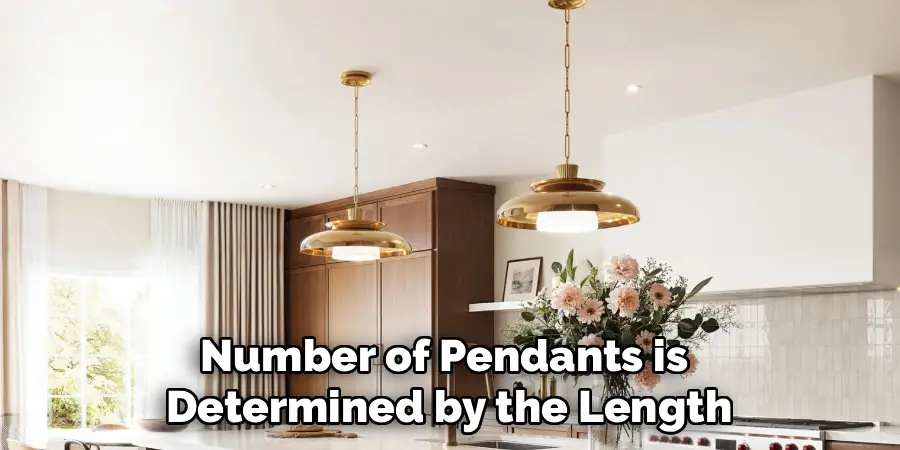
The number of pendants is determined by the length of your island and the size of the pendants themselves. As a general rule, odd numbers of lights (like one or three) tend to be more visually appealing than even numbers. For most standard islands (6 to 8 feet long), three pendants are a popular and balanced choice. For smaller islands (under 5 feet), two pendants might work better. Consider the diameter of your chosen lights; larger pendants will require more space, so you might use fewer of them to avoid a cluttered look.
Step 3: Calculate the Centerline
The first placement point to establish is the absolute center of your kitchen island. Take the total length you measured in the first step and divide it by two. This gives you the centerline. If your island is 72 inches long, the center is at 36 inches from either end. If you are planning to hang a single, large pendant, this centerline is where you will install it. If you are hanging three pendants, this centerline marks the placement for your middle light, creating a perfect anchor point for the rest of your measurements.
Step 4: Edge of the Countertop
A simple and effective guideline for spacing is to leave at least 6 inches of open space from the edge of the countertop to the edge of the pendant light on each end. This prevents the ends of the island from feeling dark and ensures the lights don’t hang precariously close to the edge. To use this rule, simply mark a point 6 inches in from each end of your island. The space between these two marks is your total available hanging area for the lights themselves, ensuring a clean and professional layout.
Step 5: Spacing Between Pendants
Now it’s time to put it all together. First, add up the diameters of all the pendants you plan to hang. Subtract this total from the length of your island. The number you are left with is the total amount of empty space you have to distribute. Now, take that number and divide it by the number of pendants plus one. For example, for a 72-inch island with three 10-inch pendants, you have 42 inches of empty space to distribute. This calculation ensures there’s an equal gap between each light and between the end lights and the island’s edge.
Step 6: Mark the Placement
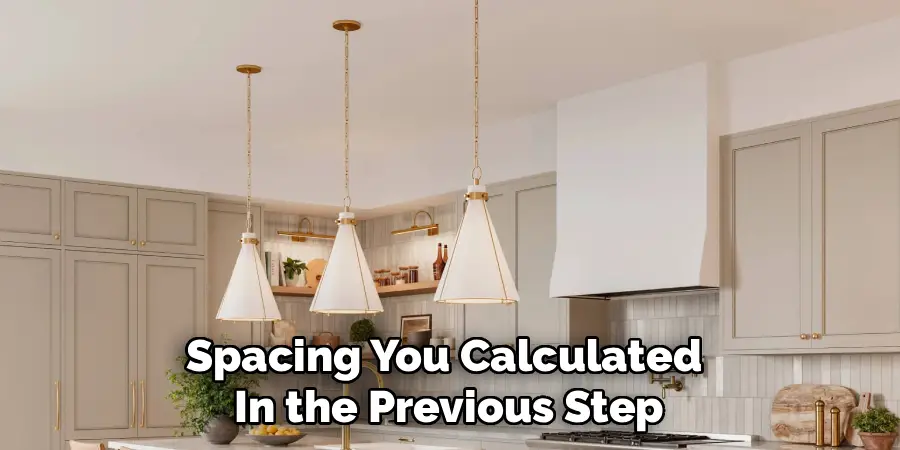
Using the numbers you just calculated, you can now mark the exact spot on the ceiling for each electrical box. Find the centerline of your island’s width to ensure the lights hang down the middle, not too far forward or back. For a three-pendant setup, your middle light goes on the island’s centerline. Then, measure out from that center point in both directions to mark the spots for the other two lights, based on the spacing you calculated in the previous step. Use a pencil to make small, clear marks on the ceiling.
Step 7: Correct Hanging Height
The height at which you hang your pendants is just as important as their spacing. The bottom of the pendants should hang approximately 30 to 36 inches above the surface of the countertop. This height is low enough to provide effective task lighting without obstructing the view across the island, allowing for easy conversation. If you have very high ceilings (over 9 feet), you can hang the lights a bit higher. A good way to test this is to have someone hold a pendant at the desired height while you view it from different angles.
Lighting for Different Kitchens
When it comes to lighting for different kitchens, understanding the style and purpose of the space is key. For smaller kitchens, consider under-cabinet lighting to enhance functionality and create a brighter workspace without overwhelming the room. Recessed lighting is another excellent choice for compact kitchens, providing a clean and uncluttered look.
For larger kitchens, incorporating layers of lighting is essential. Use a combination of ambient lighting, such as ceiling-mounted fixtures or chandeliers, with task lighting over workspaces like the sink, stove, or island. Pendants, as mentioned earlier, are a popular choice for islands, combining style with practicality. Additionally, accent lighting can be used to highlight architectural features or showcase decorative items, adding depth and character to the room.
Frequently Asked Questions
How High Should Pendant Lights Hang Over an Island?
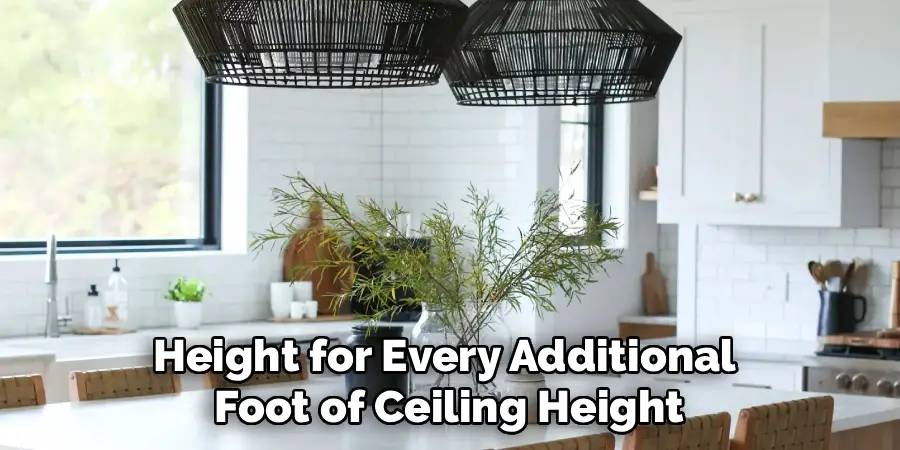
The standard rule of thumb is to hang pendant lights so the bottom of the fixture is 30 to 36 inches above the countertop. This provides ample task lighting for activities like food prep without blocking sightlines across the room. For ceilings taller than 8 feet, you can add about 3 inches of height for every additional foot of ceiling height.
How Many Pendants Should I Put Over My Island?
This depends on the length of your island and the size of the lights.
- Small Islands (4-5 feet): Two smaller pendants often work best.
- Standard Islands (6-8 feet): Three pendants are a classic, balanced choice.
- Large Islands (over 8 feet): You might consider four pendants or two larger, statement fixtures.
In general, an odd number of lights (1 or 3) is often considered more aesthetically pleasing.
What Is the Rule for Spacing Two Pendant Lights?
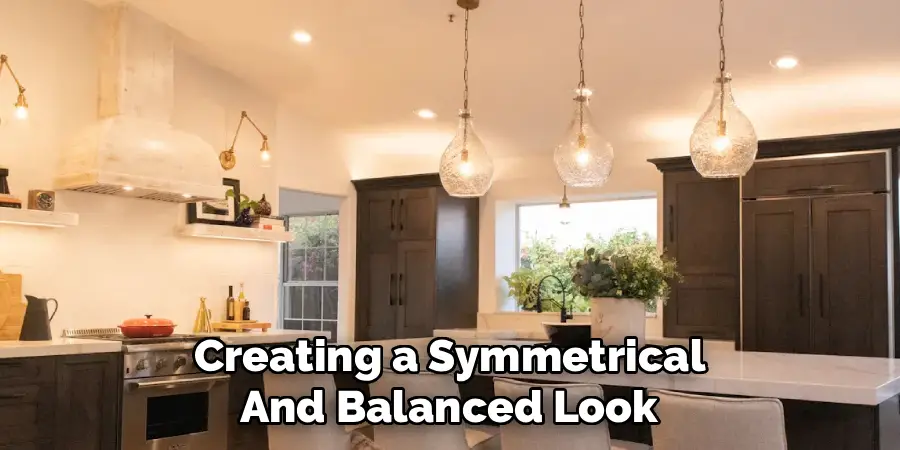
To space two pendants, first, divide your island’s length by four. This will give you four equal quadrants. You will then place the center of each pendant light over the centerline of the first and third quadrants. This method ensures the two lights are evenly spaced from each other and from the ends of the island, creating a symmetrical and balanced look.
Should Pendant Lights Be Centered on the Island?
Yes, your row of pendant lights should be centered along both the length and the width of the island. Longitudinally, they should be spaced evenly from each other and from the ends. For the width, they should hang directly down the middle of the island. This centered placement creates a sense of balance and ensures the entire countertop surface is evenly illuminated.
What Size Should My Pendant Lights Be?
The size (diameter) of your pendants should be proportional to your island. A common mistake is choosing lights that are too small, which can look underwhelming. A good starting point is to ensure the pendants do not visually overwhelm the space but are substantial enough to serve as a design element. Consider the overall scale of your kitchen when making your selection.
Conclusion
Properly spacing your pendant lights is the key to transforming your kitchen island from a simple counter into a stunning and functional centerpiece. By following a few simple mathematical formulas, you can create a layout that feels intentional and professionally designed. The process boils down to measuring your island, determining the number of fixtures, and using clear rules to calculate even spacing and appropriate height. Now that you have a comprehensive guide on how to space pendant lights over an island, you can confidently plan and install your lighting to create the beautiful, well-lit kitchen you’ve always wanted.
