

A glass dining table adds a sleek, modern touch to any room, reflecting light and making your space feel open and airy. But that beautiful surface comes with a catch: it shows every scratch, smudge, and water ring, and a hard knock can lead to chips or cracks. If you’ve ever winced at a fork scraping across the top or a hot dish left without a mat, you know the worry well. Learning how to protect glass dining table surfaces means you can enjoy that elegant look for years without the constant stress.
The good news is that keeping your table safe doesn’t take fancy gear or hours of work, just a few smart habits and the right accessories. This guide walks you through clear, beginner-friendly steps anyone can follow, from choosing a tablecloth or pad to handling spills the right way. By the end, you’ll know exactly how to keep your table looking flawless. Let’s dive in and give your glass the care it deserves.

Why Protecting Your Glass Dining Table Matters
Glass might look tough, but it scratches and chips more easily than you’d expect. A protected table keeps that crystal-clear finish free of swirl marks, etching, and cloudy spots that build up from daily use. This saves you money too, since repairing or replacing a glass top costs far more than a simple pad or runner.
Protection also keeps your family safe. Cracks and sharp edges from accidental knocks can cause real injury, so guarding the surface lowers that risk. Beyond safety and savings, a well-cared-for table simply looks better, holding its shine through dinners, homework sessions, and craft projects. When you put a little effort into prevention now, you avoid frustration later and keep your dining space looking polished and welcoming every single day.
Step-by-Step Guide to How to Protect Glass Dining Table
Step 1: Start With a Quality Table Pad
The single best way to guard your table is a custom or fitted table pad. These padded covers sit directly on the glass and absorb the impact of dropped utensils, hot dishes, and rough handling. Look for a pad sized to match your tabletop, since a snug fit stays put and covers the whole surface. Many pads come with a soft felt bottom that won’t scratch the glass and a wipeable top that resists spills. You can leave it on during everyday meals and remove it for special occasions when you want the glass to show. This one accessory does the heavy lifting in keeping your surface flawless.

Step 2: Layer on a Tablecloth or Runner
Once you understand how to protect glass dining table tops with a pad, add a tablecloth or runner for both style and extra defense. Fabric creates a soft barrier between the glass and anything placed on it, catching crumbs and cushioning small bumps. A full tablecloth covers the entire surface, while a runner protects the center where serving dishes usually go. Choose machine-washable materials so you can clean them easily after messy meals. Cotton, linen, and polyester blends all work well and come in countless colors to match your decor. Beyond protection, the right cloth softens the look of the glass and adds warmth to your dining space.
Step 3: Use Placemats and Coasters Every Time
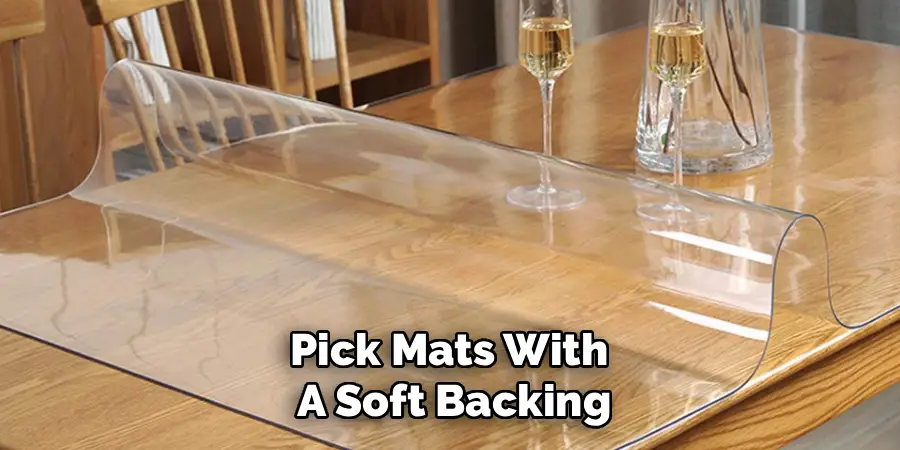
Placemats and coasters are small but mighty defenders against scratches and water rings. Set a placemat at each seat to shield the glass from plates, cutlery, and the constant sliding that wears down the surface. Coasters catch the condensation from cold drinks and the heat from hot mugs, both of which can leave permanent marks on glass. Pick mats with a soft backing rather than a rough or rubbery one that might scuff the top. Keep a stack within easy reach so everyone in the household uses them without thinking. This simple habit prevents most of the daily damage glass tables tend to collect over time.
Step 4: Add Felt Pads and Edge Guards
Small accessories make a big difference in keeping your table safe. Stick felt pads under any decorative items, vases, or candle holders that rest on the glass, since their hard bottoms can scratch with the slightest movement. For homes with young children, clear edge guards or corner bumpers soften the sharp edges and protect both your table and your family from painful collisions. These guards press on easily and stay nearly invisible against the glass. Check them now and then to make sure they stay firmly attached. Pairing felt pads with edge guards rounds out your defense, covering the spots that tablecloths and placemats might miss.
Step 5: Handle Hot and Heavy Items With Care
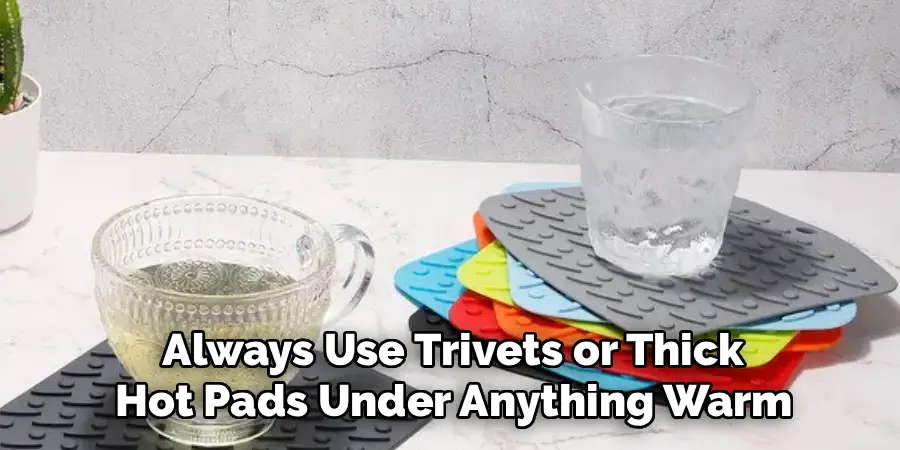
Glass reacts poorly to sudden temperature changes, so never place a hot pot or pan straight onto the surface. Always use trivets or thick hot pads under anything warm, as a quick blast of heat can crack or weaken the glass. The same care applies to heavy items like large centerpieces or appliances, which can stress the surface and lead to chips. Set heavy objects down gently rather than dropping them, and avoid sliding them across the top. Knowing how to protect glass dining table surfaces from heat and weight stops some of the worst damage before it ever starts. A moment of caution saves you a costly repair.
Step 6: Clean With Gentle Products Only
The way you clean your table matters just as much as how you protect it. Harsh chemicals and abrasive scrubbers can scratch the glass or strip its shine, leaving a dull, cloudy finish. Instead, reach for a soft microfiber cloth and a gentle glass cleaner or a simple mix of water and a little vinegar. Wipe in smooth, even strokes to lift smudges and fingerprints without leaving streaks. Skip rough sponges, scouring pads, and powdered cleansers entirely. Clean up spills quickly so they don’t dry and etch into the surface. Regular gentle cleaning keeps your table sparkling and prevents the slow buildup of grime that makes glass look tired.
Step 7: Inspect and Maintain Regularly
A little routine care goes a long way toward keeping your table in top shape. Every few weeks, take a moment to check the glass for tiny chips, loose edge guards, or worn felt pads, and fix any issues before they grow. Tighten or replace pads as needed, and look underneath at the frame or base to confirm everything stays sturdy and level. Wobbly support puts uneven pressure on the glass, which can lead to cracks over time. Keeping the whole setup solid protects your investment for the long run. This habit takes just minutes but ensures your table stays beautiful, safe, and ready for many more meals to come.

Frequently Asked Questions
Can a Glass Dining Table Scratch Easily?
Yes, glass scratches more easily than many people assume. Dragging plates, cutlery, ceramics, or decorative items across the surface can leave fine marks that dull the shine over time. Even small grit and dust can scratch the glass if you wipe it without rinsing first. Using placemats, coasters, and felt pads under objects prevents most scratches, while gentle cleaning with a soft microfiber cloth keeps the finish smooth and clear.
What Is the Best Cover for a Glass Table?
A custom-fitted table pad offers the best all-around protection, since it cushions impacts, resists heat, and shields against scratches. For everyday style, a washable tablecloth or runner adds a softer barrier and catches spills. Placemats handle individual place settings beautifully. The ideal choice depends on your needs, but combining a pad for heavy use with cloths and mats for daily meals gives you complete, flexible coverage that keeps the glass safe.
How Do I Remove Water Rings From Glass?
Water rings usually come from condensation or hot items left without protection. To remove them, wipe the spot with a soft microfiber cloth dampened with a vinegar-and-water mix, then buff dry. For stubborn rings, a paste of baking soda and water gently rubbed in can help lift the mark. Always finish with a glass cleaner for a streak-free shine. Going forward, use coasters and trivets to stop rings from forming in the first place.
Are Glass Dining Tables Safe for Families With Kids?
Glass tables can be safe for families when you take a few precautions. Choose tempered glass, which is far stronger and breaks into blunt pieces rather than sharp shards. Add clear corner bumpers and edge guards to soften the sharp edges that little ones might bump into. Teach children not to climb or lean on the table, and use pads to prevent slips. With these steps, a glass table works well even in a busy household.
How Often Should I Clean My Glass Table?
For a table you use daily, a quick wipe after each meal keeps smudges, crumbs, and spills from building up. Do a more thorough cleaning with glass cleaner once or twice a week to remove fingerprints and restore shine. Always clean spills right away, since dried liquids can etch or stain the surface. Regular, gentle cleaning not only keeps the glass sparkling but also helps you spot small chips before they become bigger problems.
Conclusion
Keeping your glass table looking flawless comes down to a handful of simple, consistent habits. Start with a quality table pad as your main line of defense, then layer on tablecloths, placemats, and coasters to guard against scratches and water rings. Add felt pads and edge guards for extra safety, handle hot and heavy items with care, and always clean with gentle products and a soft cloth. A quick inspection every few weeks ties it all together, catching small issues before they turn into costly cracks or chips.
Now that you know how to protect glass dining table surfaces the easy way, you can enjoy that sleek, elegant look without the constant worry. Pick one or two steps to start with today, like grabbing a set of coasters or a fitted pad, and build from there. Your table is the heart of countless meals and memories, so give it the care it deserves. With a little effort, you’ll keep it sparkling and safe for many years to come.

Rick is a handyman who grew up helping his dad with his business. He learned a lot from him about how to fix things, and also about how to work hard and take care of business. These days, Rick is still into fixing things- only now, he’s doing it for a living.
Rick is always looking for new ways to help people grow and develop. That’s why he started contributing to this blog: to share all his experience and knowledge so that he can help people who are interested in DIY repair.