
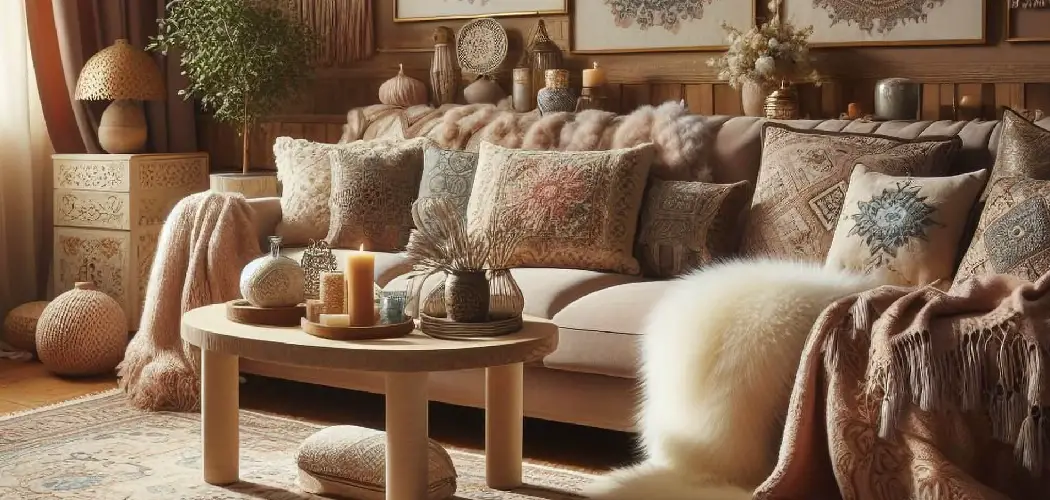
A sofa can feel flat and forgettable, or it can feel warm, layered, and inviting. The difference often comes down to the pillows. Learning how to mix and match pillows on a sofa is one of the simplest ways to refresh a room without spending much money or rearranging furniture. You do not need a designer’s eye to get it right, either. With a few easy principles around color, texture, size, and pattern, you can create a look that feels pulled together and intentional.
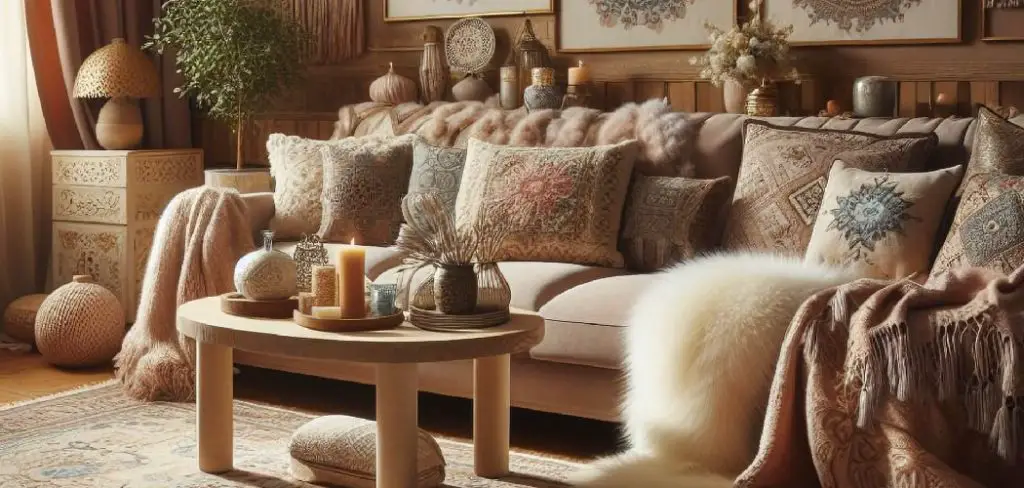
This guide breaks the process into clear, beginner-friendly steps so you can follow along at your own pace. Whether your sofa is gray, navy, beige, or bold, the same ideas apply. You will learn how to choose a starting color, balance shapes, and avoid the common mistakes that make a sofa look cluttered. By the end, you will feel confident styling your own space and adjusting it whenever the seasons or your mood change. Let’s turn that plain couch into the cozy centerpiece of your room.
Why Mixing and Matching Pillows on a Sofa Matters
Pillows do far more than add comfort. They shape the mood of your entire living room. The right mix introduces color, depth, and personality, instantly making a space feel finished. A thoughtful arrangement draws the eye, softens hard lines, and signals that a room is cared for.
There are practical perks, too. Pillows are easy and affordable to swap, so you can update your style for spring, fall, or the holidays without buying new furniture. They also let you experiment with bold patterns you might be nervous to commit to elsewhere. Best of all, getting it right reduces that frustrating “something feels off” feeling. With a little guidance, you turn guesswork into a repeatable skill you can use in any room of your home.
Step-by-Step Guide to How to Mix and Match Pillows on a Sofa
Step 1: Start With a Color Anchor
Begin by choosing one color to anchor your whole arrangement. The easiest approach is to pull a shade from something already in the room, such as a rug, a piece of art, or your curtains. This instantly ties your pillows to the space and prevents random, mismatched results.
Once you have your anchor color, you can build outward from there. Pick one or two complementary tones to support it, and decide whether you want a calm, tonal look or a brighter, more energetic feel. Keeping your palette to roughly three colors gives you room to play while still looking cohesive and intentional rather than chaotic.

Step 2: Vary Your Pillow Sizes
Size variety is one of the secrets behind professionally styled sofas. When every pillow is the same dimension, the arrangement looks stiff and a little dull. Mixing larger and smaller pillows creates depth and a more natural, relaxed feel that invites people to sit down.
A reliable formula is to place your largest pillows at the outer corners and layer smaller ones in front. For a standard sofa, twenty-two-inch pillows work well as the base, with twenty-inch and eighteen-inch options layered toward the center. This stepped approach builds dimension and keeps your eye moving comfortably across the whole couch.
Step 3: Play With Texture and Fabric
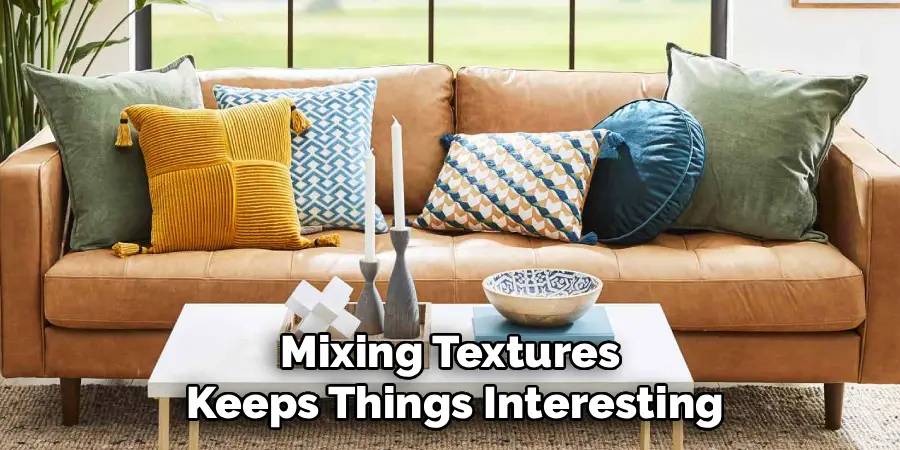
Texture adds richness that color alone cannot. Even if you stick to a simple palette, combining different fabrics gives your sofa a layered, high-end look. Think soft velvet next to chunky knit, smooth linen beside a touch of faux fur, or crisp cotton paired with woven materials.
The goal is contrast you can feel as well as see. Mixing textures keeps things interesting and stops a tonal arrangement from looking flat. Try pairing something soft and plush with something structured and tailored. This balance feels intentional and cozy at the same time, and it works beautifully across seasons when you swap pieces in and out.
Step 4: Mix Patterns Without the Chaos
Patterns intimidate a lot of beginners, but they are easier to handle than they look. The trick to learning how to mix and match pillows on a sofa with patterns is to vary the scale. Combine one large-scale print, one medium pattern, and one small or subtle design so they support rather than fight each other.
Keep those patterns within your chosen color palette to hold everything together. A bold floral, a gentle stripe, and a tiny geometric can coexist happily when they share the same tones. If patterns still feel risky, anchor them with a couple of solid pillows that give the eye a place to rest.
Step 5: Balance Without Perfect Symmetry
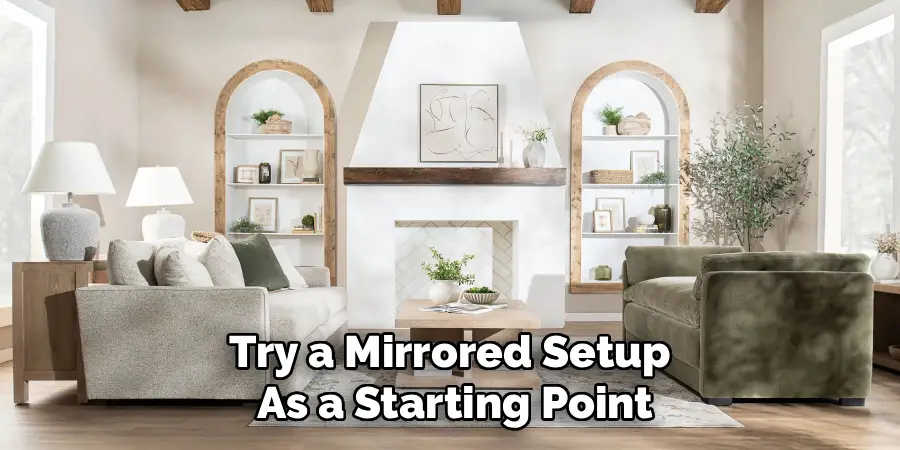
Many people assume both sides of the sofa must match exactly, but perfect symmetry can feel rigid. Instead, aim for visual balance. This means each side carries a similar amount of color and weight, even if the specific pillows differ. The result feels relaxed yet still deliberate.
Try a mirrored setup as a starting point, then break it gently. For example, use matching corner pillows on each end but vary the smaller pillows in front. This keeps the arrangement grounded while adding the slight imperfection that makes a room feel lived-in and inviting rather than staged or showroom-stiff.
Step 6: Choose the Right Number of Pillows
More is not always better. Too many pillows leave no room to actually sit, while too few make a sofa look bare. The number you need depends on your sofa’s length. A loveseat usually looks best with two or three pillows, a standard three-seater with three to five, and a large sectional with five to seven.
Always work in a way that suits the scale of your couch. Odd numbers often look more natural and dynamic, but even arrangements can feel clean and classic. Step back, check the balance, and remove anything that crowds the seating area.
Step 7: Fluff, Arrange, and Adjust
The final touches make a surprising difference. Give each pillow a firm fluff and a gentle karate chop across the top edge for that crisp, styled dip many designers love. Plump inserts always look better than flat, tired ones, so consider down or down-alternative fillers for lasting shape.
Then arrange from the outside in, layering larger pillows behind smaller ones. Once everything is placed, take a photo on your phone. Seeing the sofa through a camera helps you spot gaps, imbalances, or colors that clash. Adjust as needed, and do not be afraid to keep tweaking until it feels just right.

Frequently Asked Questions
How Many Pillows Should I Put on My Sofa?
It depends on your sofa’s size. A small loveseat looks balanced with two or three pillows, a standard three-seat sofa suits three to five, and a large sectional can handle five to seven. Odd numbers often feel more relaxed and natural, while even numbers look tidy and symmetrical. Always leave enough room to sit comfortably without moving everything aside first.
Do My Throw Pillows Have to Match My Sofa Exactly?
No, and they usually look better when they do not. Pillows that match the sofa too closely tend to disappear. Instead, choose colors that complement or contrast your couch while still relating to the room. Pull shades from your rug, art, or curtains to tie everything together. A little contrast adds depth and keeps your sofa from looking flat or one-dimensional.
What Pillow Sizes Work Best Together?
Variety creates the most appealing look. A common approach uses twenty-two-inch pillows at the corners, twenty-inch pillows layered in front, and an eighteen-inch or lumbar pillow in the center. This stepped sizing builds depth and stops the arrangement from feeling stiff. The key is contrast in scale, so avoid using a single size across the entire sofa for the best results.
How Do I Mix Patterns Without It Looking Busy?
Focus on scale and palette. Combine one large pattern, one medium pattern, and one smaller or subtle design so they balance instead of competing. Keep all the patterns within the same color family to hold the look together. If you feel unsure, add a couple of solid pillows to give your eye a calm place to rest between the busier prints.
How Often Should I Update My Sofa Pillows?
There are no strict rules, but seasonal swaps keep your space feeling fresh. Many people refresh covers in spring and fall, choosing lighter textures for warm months and cozier fabrics for cooler ones. Pillows are affordable and easy to change, so update them whenever your room feels stale or you simply want a new mood. Buying covers rather than full pillows saves both money and storage space.
Conclusion
Styling a sofa is one of the most satisfying ways to transform a room, and now you have a clear roadmap to do it well. By starting with a color anchor, varying your sizes, layering textures, mixing patterns thoughtfully, and balancing the arrangement, you can create a look that feels both cozy and intentional. Remember that small adjustments, like fluffing and using a camera to check your work, make a big difference.
The best part about knowing how to mix and match pillows on a sofa is that it is endlessly flexible. You can change the mood for any season or occasion without committing to anything permanent. So gather a few pillows you love, trust the steps above, and start experimenting today. Step back, enjoy the result, and keep adjusting until your sofa feels exactly like home.

Rick is a handyman who grew up helping his dad with his business. He learned a lot from him about how to fix things, and also about how to work hard and take care of business. These days, Rick is still into fixing things- only now, he’s doing it for a living.
Rick is always looking for new ways to help people grow and develop. That’s why he started contributing to this blog: to share all his experience and knowledge so that he can help people who are interested in DIY repair.