

An ofrenda is a beautiful altar built during Día de los Muertos to welcome and honor loved ones who have passed away. Families create these displays with photos, food, flowers, and candles, turning memory into something you can see, touch, and celebrate. If you have never built one before, learning how to decorate an ofrenda can feel a little overwhelming at first, but the process is warm, meaningful, and surprisingly simple once you break it into steps.
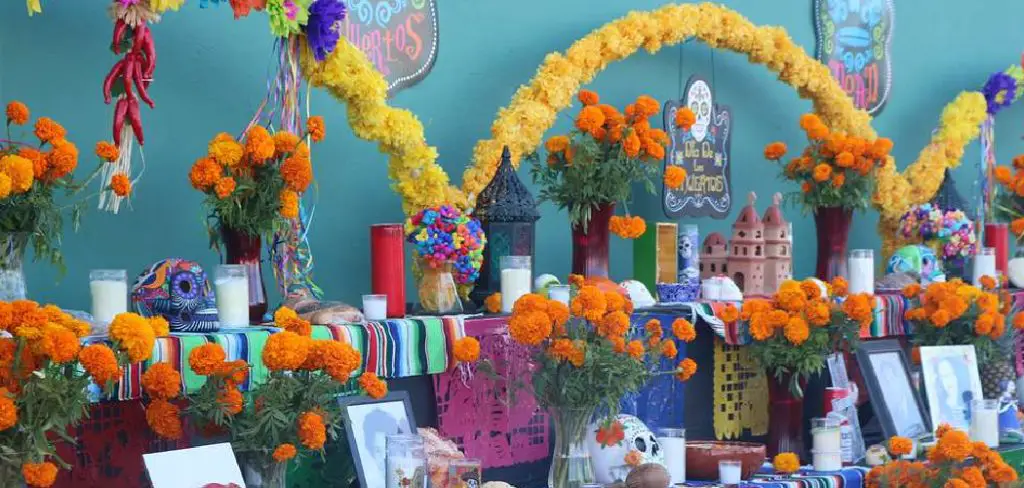
This guide walks you through everything you need, from choosing a base to adding the final personal touches. You do not need special skills or expensive supplies. What matters most is intention and love. Whether you are honoring a grandparent, a friend, or a beloved pet, your ofrenda becomes a bridge between you and the people you miss. By the end, you will feel confident, prepared, and ready to build a display that truly reflects your family’s story and traditions.
Why Decorating an Ofrenda Matters
Decorating an ofrenda is about more than beautiful arrangements. It keeps memories alive and gives families a shared space to grieve, celebrate, and stay connected across generations. Each item you place carries meaning, from the marigolds that guide spirits home to the favorite foods that spark happy stories around the table.
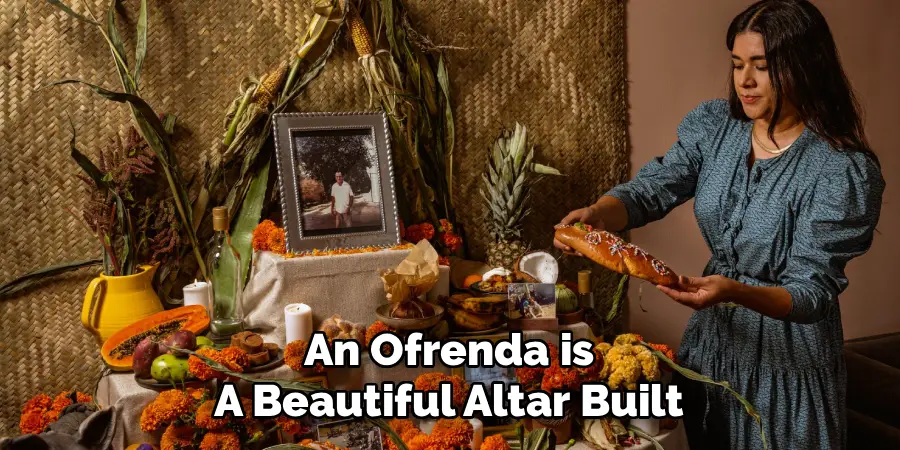
The practice also teaches younger family members about their roots and the people who came before them. Building an altar together sparks conversation, laughter, and healing. It transforms loss into remembrance and turns an ordinary corner of your home into something sacred. Beyond tradition, the act itself feels grounding. You slow down, reflect, and honor lives that shaped your own, creating a moment of connection that lasts well beyond the holiday.
Step-by-Step Guide to Decorating an Ofrenda
Step 1: Choose Your Base and Location
Start by picking a sturdy surface such as a table, dresser, or set of stacked boxes. Many families build multi-level altars, since tiers represent different realms like the earth and the heavens. Pick a spot that feels calm and visible, so family members can pause and reflect throughout the celebration.
Once you have your surface, cover it with a clean cloth. White symbolizes purity, while colorful papel picado adds festive energy. Arrange your levels before adding anything else. A solid foundation makes the rest of the process smoother and helps you plan where each item will sit without crowding your display.
Step 2: Add Photographs of Loved Ones
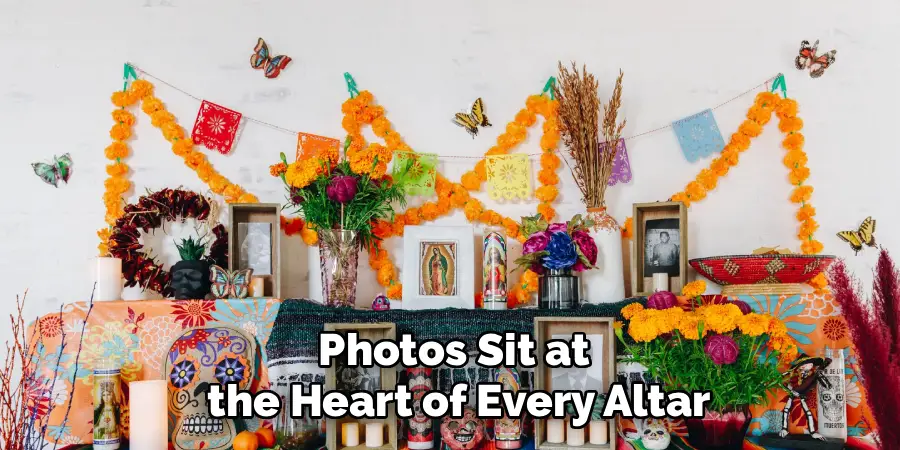
Photos sit at the heart of every altar. Choose clear images of the people you want to honor, and place them where they can be easily seen. Older family members often go on higher tiers, but there are no strict rules, so follow what feels right for your family.
Frame the pictures if you can, since frames protect them from candle smoke and spilled water. If you are honoring several people, group photos in a way that tells a story. Learning how to decorate an ofrenda often begins here, because these faces remind you exactly who the altar celebrates and why every other item matters.
Step 3: Include the Four Elements
Traditional altars represent earth, wind, water, and fire. Each element plays a symbolic role in welcoming spirits back home. Food and seeds stand for earth, while papel picado fluttering in the breeze represents wind. These small details give your display deeper meaning and connect it to centuries of tradition.
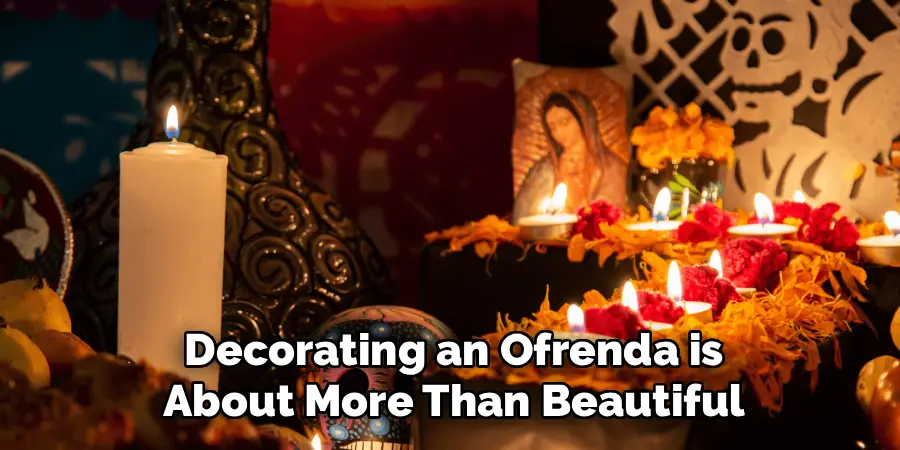
Set out a glass of water to quench the thirst of returning souls, and light candles to symbolize fire and guiding light. When you understand how to decorate an ofrenda with these four elements, your altar becomes balanced and complete. Placing them thoughtfully shows respect for the customs and the people you are honoring.
Step 4: Bring In Marigolds and Flowers
Marigolds, known as cempasúchil, are the signature flower of Día de los Muertos. Their bright orange petals and strong scent are believed to guide spirits toward the altar. Scatter loose petals, arrange full blooms in vases, or create a petal path leading to your display.
Fresh flowers add color, fragrance, and life to your altar. If marigolds are hard to find, other seasonal blooms work too, though nothing quite matches their symbolism. Do not worry about perfection here. A generous, slightly wild arrangement often feels warmer and more inviting than a stiff, overly tidy one, so let your creativity lead the way.
Step 5: Set Out Favorite Foods and Drinks
Food invites spirits to feast and reminds everyone of shared meals and happy gatherings. Prepare or buy the dishes your loved ones enjoyed most, whether that is tamales, pan de muerto, chocolate, or a favorite soda. These offerings make the altar feel personal and full of life.
Arrange plates and cups carefully so nothing tips over near your candles. Sugar skulls, or calaveras, are also traditional and add a playful, colorful touch. Do not stress about quantity. A few meaningful items matter far more than a crowded table, and every dish you include tells a story about the person you miss.
Step 6: Add Personal Mementos and Belongings
This is where your altar becomes truly one of a kind. Include small objects that capture each person’s personality, such as a favorite hat, a musical instrument, jewelry, a treasured book, or a beloved toy. These items spark memories and make the display feel deeply personal and alive.
Encourage family members to contribute something meaningful. When everyone adds a piece, the altar becomes a shared act of love and remembrance. Keep fragile or valuable items toward the back where they stay safe. These small touches transform a simple arrangement into a heartfelt tribute that celebrates who your loved ones really were.
Step 7: Finish With Candles and Final Touches
Candles light the way for returning spirits, so place them safely throughout your altar. Use holders to catch dripping wax and keep flames away from paper decorations. If open flames worry you, battery-operated candles offer a safe, worry-free alternative that still creates a soft, welcoming glow.
Finally, step back and review your display. Add copal incense for a fragrant, purifying touch, and adjust anything that feels out of place. Take a quiet moment to appreciate what you have built. This last step ties everything together and lets you enjoy the meaning behind each carefully chosen piece.
Frequently Asked Questions
When Should I Build My Ofrenda?
Most families set up their altar in the last days of October so it is ready by November 1st and 2nd, the main days of Día de los Muertos. Building it a few days early gives you time to gather supplies, arrange everything carefully, and involve family members. Many keep the altar up through November 2nd before gently taking it down.
How Many Levels Should an Ofrenda Have?
There is no single correct number. Altars often have two, three, or seven levels, each carrying symbolic meaning tied to spiritual realms. A two-tier altar represents heaven and earth, while seven levels reflect the stages a soul passes through. Choose the number that fits your space and comfort level, since even a simple single surface can hold deep meaning.
What If I Cannot Find Marigolds?
Marigolds are ideal because of their scent and symbolism, but they are not mandatory. If they are unavailable in your area, use other seasonal flowers or good-quality artificial marigolds. Some people craft paper flowers with their children, which adds a personal, creative touch. The intention behind your altar matters far more than sourcing one specific type of bloom.

Can I Include Pets on My Ofrenda?
Absolutely. Pets are cherished family members, and honoring them is completely welcome. Add a photo, their favorite toy, a collar, or a small bowl of their preferred treats. Many families dedicate a special section just for animal companions. Including your pets keeps their memory alive and makes the celebration feel complete and true to everyone you love.
Do I Need to Follow Every Tradition Exactly?
No. Traditions offer a helpful starting point, but your altar should reflect your family and beliefs. Some households follow customs closely, while others adapt them to their space, budget, and personal style. What truly matters is honoring your loved ones with sincerity. Feel free to blend classic elements with your own meaningful touches to create something authentic.
Conclusion
Building an altar is a heartfelt way to celebrate life, honor memory, and bring your family closer together. By following these seven steps, you now know how to decorate an ofrenda that feels balanced, personal, and full of meaning. From choosing your base to lighting the final candle, each detail carries love and intention that your loved ones would surely appreciate.
Do not wait for the perfect moment or supplies to begin. Gather your photos, flowers, and favorite mementos, and start creating a space that tells your family’s unique story. Invite others to help, share memories, and enjoy the process together. Your first altar does not need to be flawless, only genuine. Take that first step this season, and watch how a simple display becomes a treasured tradition for years to come.

Rick is a handyman who grew up helping his dad with his business. He learned a lot from him about how to fix things, and also about how to work hard and take care of business. These days, Rick is still into fixing things- only now, he’s doing it for a living.
Rick is always looking for new ways to help people grow and develop. That’s why he started contributing to this blog: to share all his experience and knowledge so that he can help people who are interested in DIY repair.