
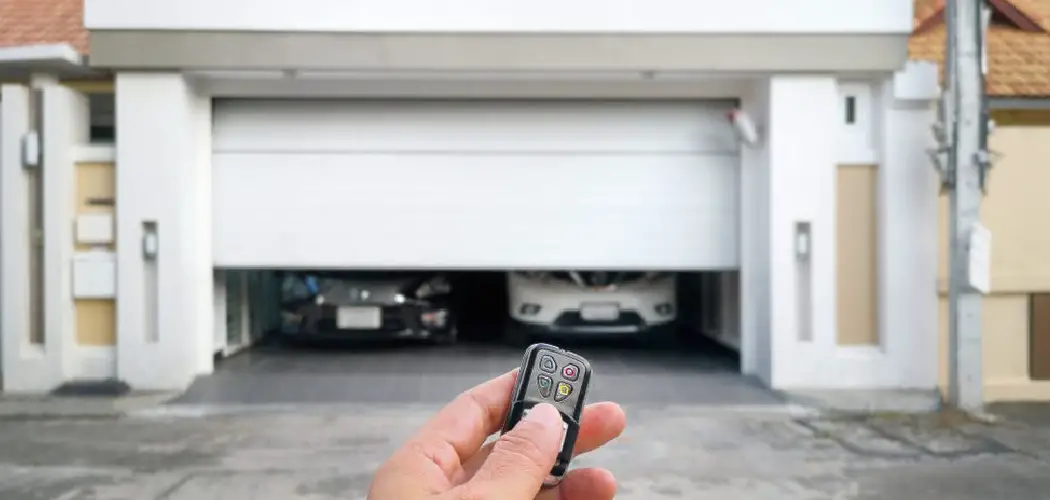
An automatic roller garage door is a modern convenience we often take for granted—until the power goes out. A power outage or a malfunction in the opener motor can leave your car trapped inside or you locked out. Fortunately, every automatic roller door system is designed with a manual override for precisely these situations. While it might seem daunting, the process is straightforward and requires no special tools. Knowing this simple procedure can save you from being stranded and provide peace of mind during an emergency. This guide will provide clear, step-by-step instructions on how to manually open a roller garage door, ensuring you can regain access safely and quickly.
When unexpected power outages or system failures occur, gaining access to your garage can feel like a daunting challenge. Thankfully, with the manual override mechanism, you can take control of the situation with ease. Understanding how to operate your garage door manually is not only a practical skill but also a quick solution that can be implemented in moments of need, ensuring both convenience and safety.
Why Knowing is Important
Understanding how to use the manual override on your roller garage door is crucial for several reasons. First, it ensures that you can access your garage even during unforeseen circumstances such as power outages or system malfunctions, preventing unnecessary delays or inconveniences. Second, it enhances safety by allowing you to secure your garage manually when needed, reducing the risk of leaving it vulnerable. Lastly, being prepared with this knowledge empowers you to handle emergencies independently, giving you peace of mind and confidence in your ability to manage the situation effectively.
7 Step-by-Step Guide on How to Manually Open a Roller Garage Door
Step 1: Ensure the Door Is Fully Closed
Before you begin, it is critical to ensure the garage door is in the fully closed position. Disengaging the motor while the door is partially or fully open is extremely dangerous. The door is very heavy, and without the motor holding it in place, it could come crashing down with immense force, causing serious injury or property damage. If the door is stuck in an open position, do not attempt to disengage it yourself. In this scenario, the safest course of action is to call a professional garage door technician for assistance.
Step 2: Unplug the Motor
For safety, you must disconnect the garage door opener from its power source. Locate the power cord running from the opener unit (the motor on the ceiling) and unplug it from the electrical outlet. If the opener is hardwired into your home’s electrical system, you will need to go to your breaker box and switch off the corresponding circuit breaker. This step ensures that the motor cannot be accidentally activated by someone else while you are working on the door, preventing any unexpected movement that could lead to injury.
Step 3: Locate the Emergency Release Cord
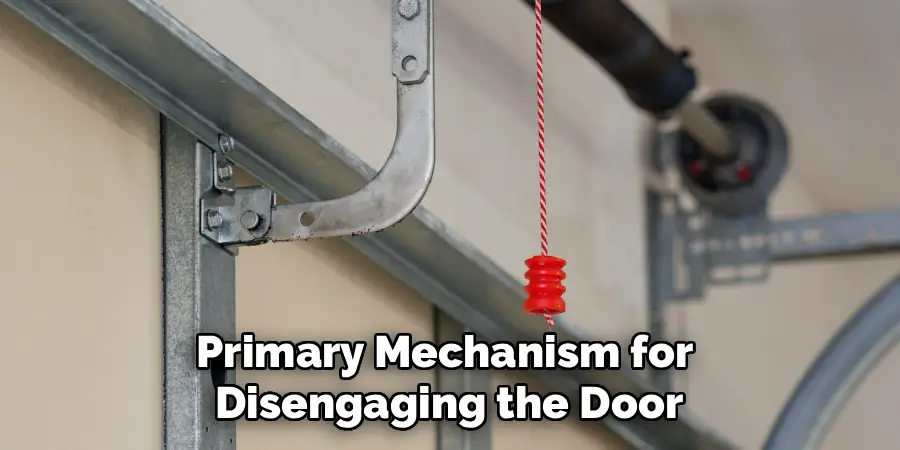
Look up at your garage door opener’s motor unit. You will see a rope, typically red, hanging from the trolley that moves along the track. This is the emergency release cord. It has a plastic handle on the end, often in a T-shape or a simple pull handle. This cord is your direct connection to the manual override system. It is specifically designed to be easily visible and accessible from the ground, serving as the primary mechanism for disengaging the door from the automatic opener’s chain or belt drive.
Step 4: Disengage the Opener
Firmly grasp the handle of the red emergency release cord and pull it straight down. You should hear a distinct click or pop as the trolley release lever disengages from the drive mechanism. This action effectively disconnects the door from the motor, switching it from automatic to manual mode. Once disengaged, the door is free to be moved by hand. Some models may require you to pull the cord down and back (towards the motor) to lock it in the disengaged position, so consult your opener’s manual if a simple downward pull doesn’t work.
Step 5: Carefully Lift the Door by Hand
With the door now in manual mode, you can open it by hand. Position yourself in the center of the door, bend at your knees to protect your back, and get a firm grip on the bottom of the door. Lift smoothly and steadily. If the door’s torsion springs are properly balanced, it should not feel excessively heavy and should lift without a huge amount of effort. Lift the door all the way up until it cannot go any further. It should stay in the open position on its own if the springs are in good working order.
Step 6: Secure the Door in the Open Position
Even if the door seems to be staying open on its own, it is a crucial safety precaution to secure it. If the springs are weak or broken, the door could slide back down unexpectedly. You can secure it by placing sturdy locking pliers or C-clamps on the vertical tracks just below the bottom rollers of the door. This creates a physical stop that will prevent the door from closing. Never leave the door unattended in the open position without securing it in this manner, especially if you need to drive your car in or out.
Step 7: Re-Engaging the Garage Door Opener
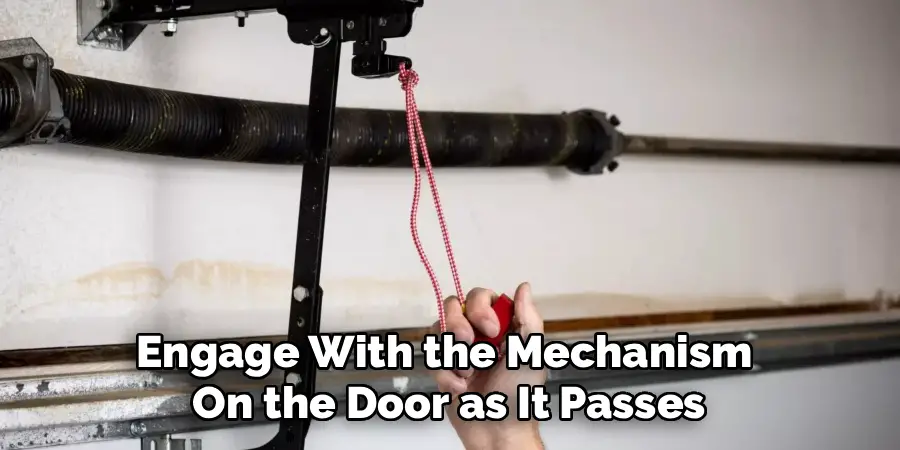
Once power is restored or the motor is repaired, you will need to reconnect the door to the automatic opener. First, remove any clamps you placed on the tracks. Then, pull the emergency release cord, this time towards the garage door opening. This will reset the release lever. You can then use your remote to activate the motor. The trolley will move along the track and automatically re-engage with the mechanism on the door as it passes over it. You will hear a loud click when it successfully connects.
Common Troubleshooting Issues
When dealing with automatic garage doors, several common issues may arise that can prevent smooth operation. One frequent problem is misaligned or dirty photo-eye sensors. These sensors are responsible for detecting obstructions and stopping the door from closing, but debris or misalignment can trigger false signals. Another issue is worn-out or broken springs, which can hinder the door from opening or closing properly. Additionally, if the garage door fails to respond to the remote, the issue could lie with dead batteries or interference affecting the signal. Finally, track obstructions or loose hardware can cause the door to stick or operate noisily. Regular maintenance and inspections can help identify and address these issues before they become severe.
Frequently Asked Questions
What Is the Red Cord Hanging from My Garage Door Opener?
The red cord is the emergency manual release. Its purpose is to disengage the garage door from the automatic opener’s trolley system. This allows you to open or close the door by hand in the event of a power failure or a malfunction with the opener motor. It is a critical safety and accessibility feature on all modern garage door openers.
Is It Safe to Manually Open My Garage Door?
It is safe to manually open your garage door as long as you follow the correct procedure. The most important safety rules are:
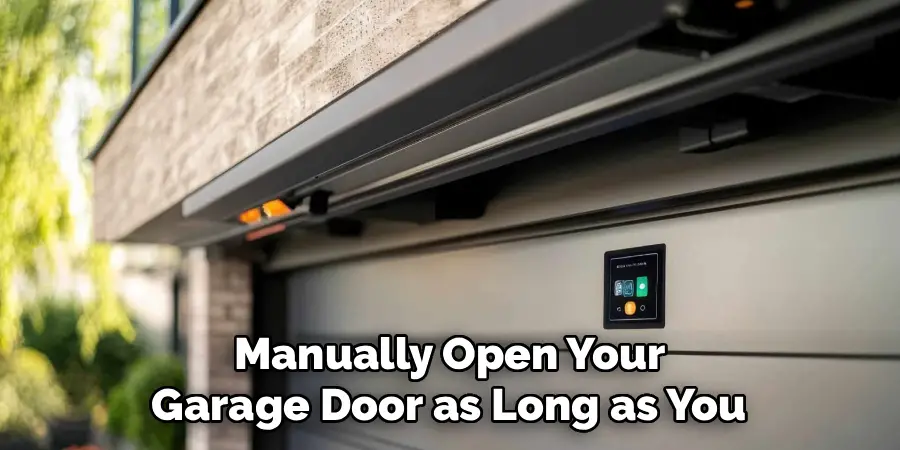
- Only disengage the opener when the door is fully closed.
- Lift with your legs, not your back, to avoid injury.
- Secure the door in the open position before walking or driving under it.
What if the Door Is Too Heavy to Lift?
If the door feels extremely heavy and is very difficult to lift, stop immediately. This is a sign that the torsion springs, which act as a counterbalance, are broken or have lost tension. The springs do the heavy lifting, not the motor. A door with a broken spring is incredibly dangerous and should only be serviced by a qualified professional.
How Do I Lock My Garage Door in Manual Mode?
When the opener is disengaged, the door is not securely locked. If you need to leave your home with the door closed and in manual mode, you must lock it. Many roller doors have an internal slide lock on one of the side tracks. Engage this slide lock to physically prevent the door from being opened from the outside.
Why Won’t My Door Re-engage with the Opener?
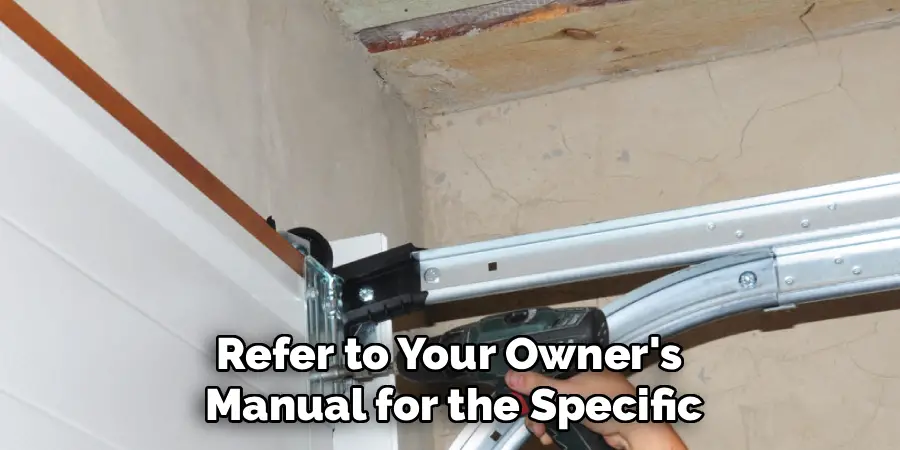
If you hear the motor running but the door isn’t moving, the trolley may not have re-engaged. Make sure you have properly reset the release lever. Sometimes you may need to manually lift the door until the trolley mechanism lines up with the connection point on the drive chain or belt and clicks into place. Refer to your owner’s manual for the specific re-engagement process for your model.
Conclusion
Knowing how to operate your garage door manually is an essential skill for any homeowner. A power outage or motor failure can happen at any time, and being prepared can prevent a major inconvenience. The process is centered around the safe use of the emergency release cord, which disengages the door from the motor and allows for manual operation. By following the steps of ensuring the door is closed, unplugging the motor, and lifting carefully, you can confidently gain access to your garage. Now that you know how to manually open a roller garage door, you are equipped to handle this common situation safely and effectively.

About
Angela is the chief editor of Indoorense. She began her career as an interior designer before applying her strategic and creative passion to lifestyle and home.
She has close to 15 years of experience in creative writing and online content strategy for housekeeping and cleaning,home decorations as well as other efforts.
She loves her job and has the privilege of working with an extraordinary team. She lives with her husband, two sons, and daughter in Petersburg. When she’s not busy working she spent time with her family.