
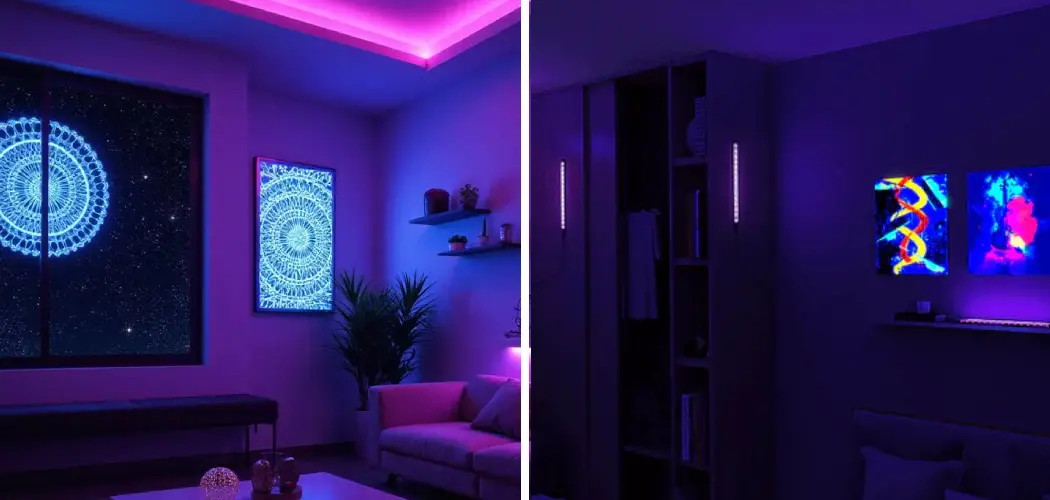
That glowing purple effect that makes white shirts pop and neon paint shine has a special charm at parties, gaming setups, and themed rooms. The good news is you don’t need to buy expensive UV lamps to get close to that look. Learning how to make black lights on led lights gives you a fun, budget-friendly way to create that moody, fluorescent glow using gear you might already own. The secret lies in mixing the right colors on your RGB strips and adding a simple filter to block the colors you don’t want.
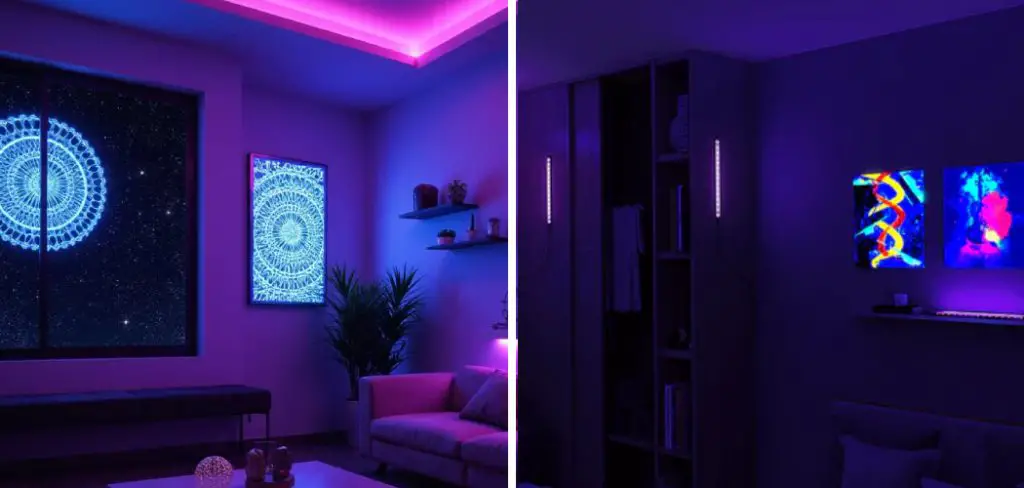
This guide is written for total beginners, so you won’t need any technical background. We’ll walk through the color settings, the small materials you need, and the little tricks that make the glow stronger. By the end, you’ll be able to transform an ordinary strip into something that lights up posters, makes glow paint sparkle, and gives any space a cool club-like vibe. Let’s get your lights ready to glow.
Why Black Light Effects on LED Lights Matter
Creating a black light effect at home saves you real money, since dedicated UV fixtures often cost far more than the LED strips many people already have. Instead of buying single-purpose equipment, you reuse your existing setup and unlock a whole new mood with just a few tweaks. That flexibility is a big win for anyone who loves changing up their space.
Beyond the savings, the effect adds genuine fun and atmosphere. It makes fluorescent paint, highlighter ink, and certain fabrics glow in striking ways, which is perfect for parties, photoshoots, or a gaming corner. You also gain creative control, dialing the look up or down to match your mood. Learning this skill turns a basic strip into a versatile tool that keeps your decor fresh and exciting year-round.
Step-by-Step Guide to How to Make Black Lights on Led Lights
Step 1: Gather Your Materials
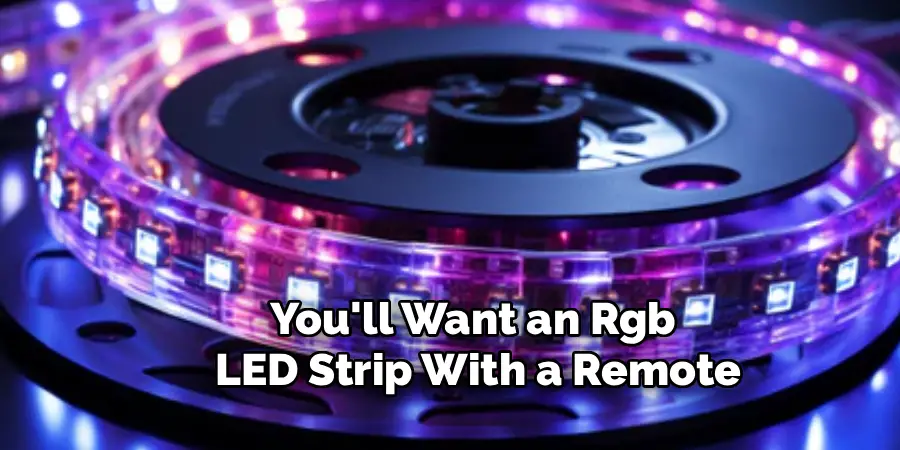
Before you start, collect everything you need so the process flows smoothly. You’ll want an RGB LED strip with a remote or app control, since you need the ability to adjust colors precisely. Grab a roll of transparent blue and purple gel filter sheets, the kind used in stage lighting, plus some clear tape or a thin sheet of acrylic. A pair of scissors helps you cut filters to size. Having these items ready in one spot means you won’t pause halfway through to hunt for supplies. Most of this gear is cheap and easy to find online or at a craft store, making this an accessible project for almost anyone.
Step 2: Set the Color to Deep Purple
The heart of how to make black lights on led lights is dialing in the right color blend. Using your remote or app, set the strip to a deep violet shade by combining a strong blue value with a small touch of red. On most controllers, you can do this manually by reducing the green channel to zero and balancing blue high with red low. This creates a rich purple that sits close to the ultraviolet end of what your LEDs can produce. Green light ruins the effect, so keep it switched off entirely. Take a moment to fine-tune the balance until the glow looks as deep and saturated as possible.
Step 3: Dim the Brightness Slightly
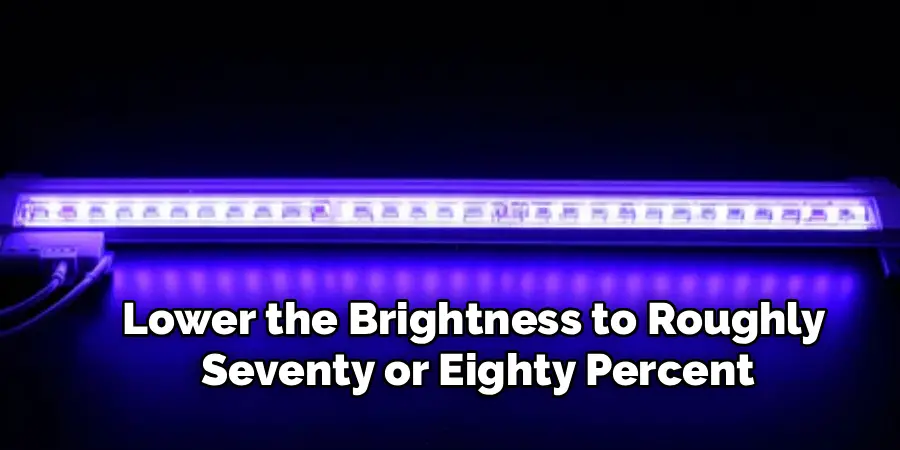
Once your color is set, lower the brightness to roughly seventy or eighty percent. This might feel backward, but a softer output actually helps the black light illusion. Bright white-heavy light washes out the fluorescent glow you’re trying to create, while a dimmer purple lets reactive materials shine more clearly against the darkness. Adjust gradually and watch how nearby objects respond. You’re aiming for a moody, low-light atmosphere rather than a blazing beam. If your strip has a warm white channel, make sure it stays off, because any white light will weaken the effect and flatten the contrast you want.
Step 4: Add a Blue Gel Filter
To push your lights closer to a true blacklight tone, place a blue gel filter over the strip. Cut the sheet to match the length of your LEDs, then secure it gently with clear tape or mount it on a thin acrylic panel held just in front of the strip. The filter blocks unwanted warm wavelengths and deepens the purple-blue glow. Layering a thin purple gel on top of the blue one strengthens the result even more. Keep the filter close but not touching the diodes directly, so heat doesn’t build up. This simple barrier is what separates a basic purple light from a convincing UV-style effect.
Step 5: Test With Fluorescent Objects
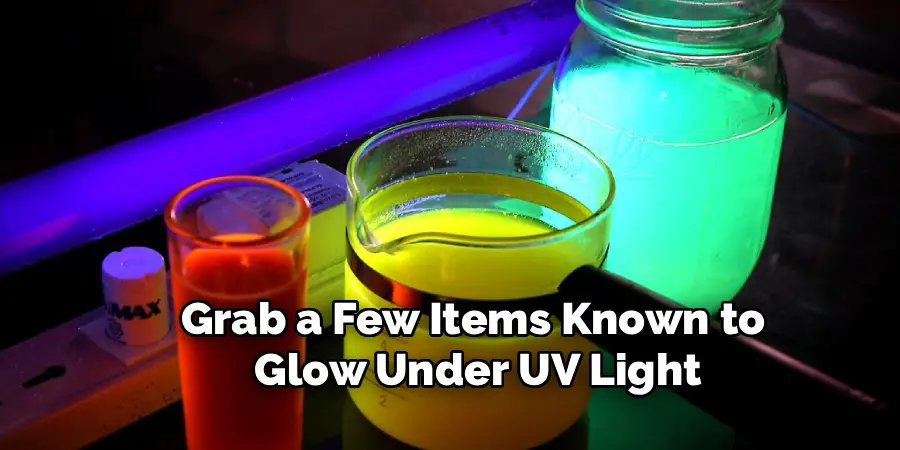
Now comes the satisfying part where you check your progress. Grab a few items known to glow under UV light, such as a white t-shirt, a highlighter mark on paper, tonic water, or glow-in-the-dark paint. Turn off the room lights and hold these objects near your strip. If they light up with that signature eerie brightness, your setup is working well. If the glow seems weak, revisit your color balance and filter placement. Testing as you go helps you understand exactly how your particular strip behaves, since every brand of LED produces slightly different wavelengths and intensities.
Step 6: Position the Lights Strategically
Placement makes a huge difference in how strong the effect feels. Mount your strip where it can cast light across the objects you want to glow, rather than pointing it at a blank ceiling. Behind a desk, along a shelf edge, or around a poster all work beautifully. Keeping the surrounding room as dark as possible boosts the contrast and makes the fluorescent reaction far more visible. Angle the strip so the light hits surfaces directly. A little experimenting with distance and direction goes a long way, and you’ll quickly find the sweet spot where everything pops and the atmosphere comes together.
Step 7: Fine-Tune and Save Your Settings
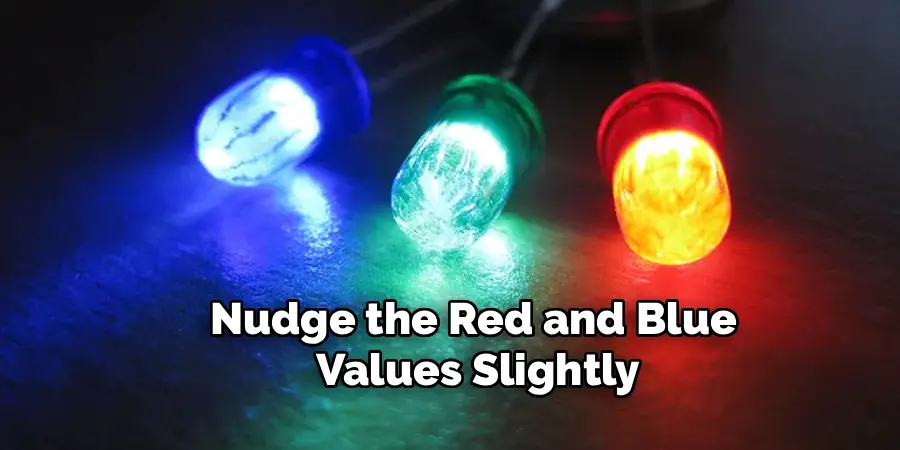
After everything is in place, spend a few minutes refining the look until it feels just right. Nudge the red and blue values slightly, adjust the brightness, and shift the filters until the glow reaches its peak. Once you nail down a combination you love, save it as a preset in your app or note the exact color values somewhere handy. That way, you can recreate the black light mood instantly next time without starting from scratch. This final step locks in all your effort and turns a one-time experiment into a reliable, repeatable setting you can enjoy whenever the mood strikes.
Frequently Asked Questions
Can Regular LED Strips Really Produce a True Black Light?
Not exactly, but they can come impressively close. Standard RGB strips can’t emit true ultraviolet light the way dedicated UV bulbs do. However, by mixing deep blue and violet tones and adding gel filters, you mimic the visual effect well enough to make many fluorescent materials glow. The result looks convincing for parties and decor, even if it isn’t scientifically identical to a real blacklight.
Why Doesn’t My Glow Effect Look Strong Enough?
The most common culprit is leftover green or white light in your color mix. Even a small amount washes out the fluorescent glow. Make sure the green channel sits at zero and any white channel stays off. A bright room also weakens the effect, so dim your surroundings. Adding a blue or purple gel filter and lowering brightness slightly will deepen the look considerably.
What Materials Glow Best Under This Setup?
Plenty of everyday items react nicely to the purple-blue light. White fabrics, highlighter ink, tonic water containing quinine, glow paint, and certain laundry detergents all light up well. Neon party decorations and fluorescent posters work great too. Testing a handful of objects helps you discover which ones shine brightest in your space, letting you arrange your room for the most dramatic and eye-catching visual impact.
Do Gel Filters Damage the LED Strip?
No, gel filters are safe when used correctly. Just avoid pressing them directly against the diodes for long periods, since LEDs give off a little heat. Mounting the filter slightly in front of the strip, on a thin acrylic panel or with a small gap, prevents any warping or melting. Stage-grade gels are designed to handle light exposure, so they hold up well over time.
Is This Effect Safe to Use for Long Periods?
Yes, this approach is perfectly safe for extended use. Since you’re working with standard RGB LEDs rather than genuine high-intensity UV sources, there’s no risk of skin or eye damage from harmful ultraviolet exposure. You can run the effect during parties, gaming sessions, or movie nights without worry. Just follow basic electrical safety, keep the strip ventilated, and avoid covering it with flammable materials.
Conclusion
Turning an ordinary RGB strip into a glowing, club-style centerpiece is easier than it looks once you understand the basics. The whole process comes down to mixing a deep purple color, dimming the brightness, adding blue and violet gel filters, and positioning everything in a dark space for maximum contrast. With a little testing and fine-tuning, you can make reactive objects shine and give any room a fresh, atmospheric vibe without spending much at all.
Now that you know how to make black lights on led lights, you have a fun and flexible skill ready to use anytime you want to switch up your space. So grab your strip, dial in those colors, and start experimenting. Save your favorite settings, gather a few glowing objects, and enjoy the cool, moody glow you created all on your own.

Rick is a handyman who grew up helping his dad with his business. He learned a lot from him about how to fix things, and also about how to work hard and take care of business. These days, Rick is still into fixing things- only now, he’s doing it for a living.
Rick is always looking for new ways to help people grow and develop. That’s why he started contributing to this blog: to share all his experience and knowledge so that he can help people who are interested in DIY repair.