

It’s a familiar moment in many homes: the air conditioner kicks on, and for a second, the lights throughout the house dim or flicker. While it might seem like a minor annoyance, it can sometimes be a sign of a deeper electrical issue. This flicker is caused by the massive surge of electricity your AC unit’s compressor needs to start up, which momentarily diverts power from other circuits.
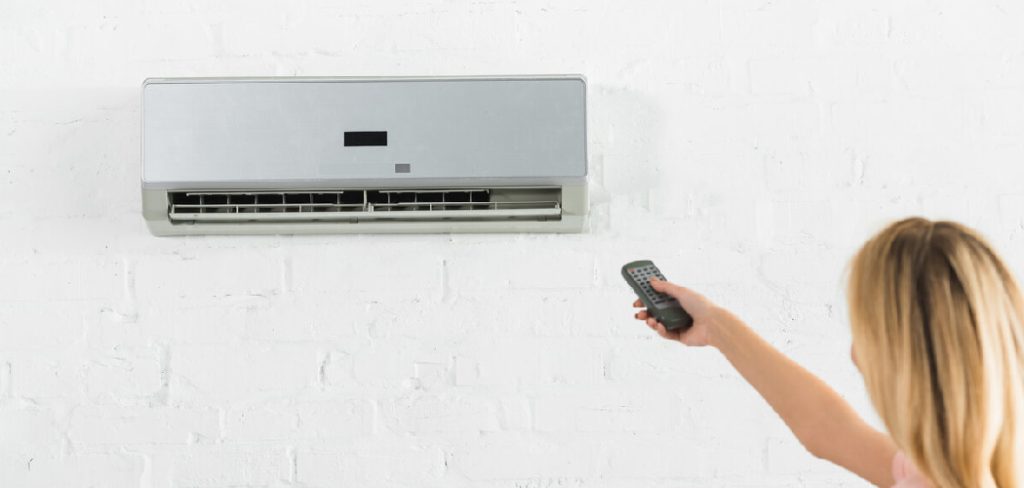
In many cases, this is normal. However, if the flickering is severe, frequent, or getting worse, it’s wise to investigate the cause. This guide provides clear, beginner-friendly instructions on how to fix lights flickering when the ac turns on, helping you diagnose the problem safely.
When your lights flicker every time the AC turns on, it can feel like an annoyance or even a cause for concern. Understanding why this happens is the first step in resolving the issue. This guide will walk you through common reasons behind this phenomenon, the potential risks involved, and straightforward solutions you can try. By addressing the problem, you can restore peace of mind and ensure your home’s electrical system runs smoothly.
Why do Lights Flicker When AC Turns On?
There are a few possible reasons why your lights flicker when the AC turns on. Some of the most common explanations include:
- Electrical load: Your home’s electrical system is designed to handle a certain amount of electricity at once. When your air conditioning unit turns on, it can temporarily increase the demand for power, causing a momentary dip in voltage that affects other appliances and lights.
- Faulty wiring: If your home’s wiring is old or damaged, it may not be able to handle the sudden surge of power that occurs when the AC turns on. This can lead to flickering lights and even power outages. It’s important to have your wiring regularly inspected and updated if necessary.
- Clogged air filter: Your AC unit needs proper airflow in order to function efficiently. If the air filter is clogged with dust and debris, it can restrict airflow and cause the system to work harder than it should. This not only puts strain on the unit, but also increases energy consumption and utility costs.
- Dirty condenser coils: The outdoor unit of your AC system contains condenser coils that help release heat from inside your home. These coils can become dirty over time due to dirt, leaves, and other debris blocking them.
7 Step-by-Step Guide on How to Fix Lights Flickering When AC Turns On
Step 1: Observe the Frequency
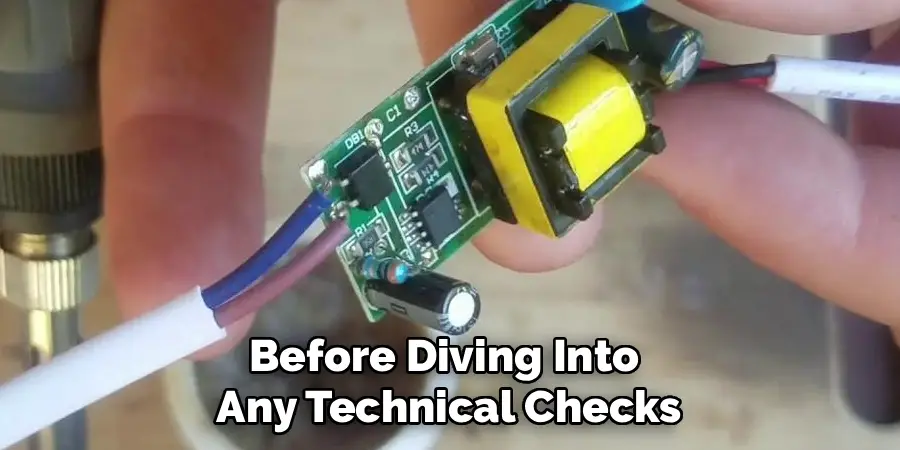
Before diving into any technical checks, take a moment to be a good observer. Is this a single, brief dimming that happens only when the AC first starts, or is it a constant, rhythmic flickering while the unit runs? A momentary dip in power is often normal, especially in older homes. However, persistent flickering, or a dimming so severe it nearly turns the lights off, points to a more significant problem. Note which lights are affected—is it just one room, or the entire house? Gathering this information will be crucial for diagnosing the root cause.
Step 2: Check for Loose Connections
One of the simplest and most common culprits is a loose electrical connection. This could be as simple as a lightbulb not screwed in tightly enough. Go to the affected lights and ensure each bulb is snug in its socket. Next, turn off the power at the circuit breaker and check that the light fixture itself is securely wired. A loose wire nut connection where the fixture meets the house wiring can easily cause flickering under a heavy electrical load. Always prioritize safety and ensure the power is completely off before touching any wiring.
Step 3: Inspect the AC Unit’s Capacitor
The capacitor is a small, cylindrical component in your outdoor AC unit that gives the compressor the powerful electrical jolt it needs to start. Over time, these capacitors can weaken and fail. When a capacitor is going bad, the compressor has to work much harder and draw even more current to start up, causing a more dramatic voltage drop and more noticeable light flickering. Visually inspect the capacitor for any signs of bulging, leaking, or corrosion. If it looks swollen or damaged, it is almost certainly the problem and needs to be replaced by a qualified HVAC technician.
Step 4: Assess Your Electrical Panel
Your main electrical panel is the heart of your home’s electrical system. Open the panel door and look for any signs of trouble. Check to see if the circuit breaker for your air conditioner is a different brand than the panel itself, as mismatched components can cause poor connections. Look for any visible signs of scorching, melting, or corrosion around the breakers. Also, check that all breakers are firmly seated. A loose breaker can create a poor connection that arcs and causes voltage fluctuations when a heavy load like an air conditioner kicks on.
Step 5: Verify the AC is on a Dedicated Circuit
Modern building codes require that large appliances like central air conditioners be on their own dedicated circuit. This means that no other outlets or lights should be connected to the same circuit breaker as your AC unit. If your home is older, this might not be the case. If your lights are sharing a circuit with your AC, the massive power draw will directly and severely affect them. An electrician can help you determine if your AC is on a dedicated circuit and can run a new one if necessary to resolve the issue.

Step 6: Install a Soft-Start Kit
If your electrical system is in good shape but the initial power surge is still causing a flicker, installing a soft-start kit can be an excellent solution. This device is an add-on for your air conditioner that reduces the initial inrush of current when the compressor starts. Instead of demanding a massive jolt of power all at once, it allows the compressor to ramp up to full speed more gradually. This smooths out the power draw, significantly reducing or completely eliminating the voltage drop that causes your lights to flicker.
Step 7: Consult a Licensed Electrician
If you have gone through the basic checks and are not comfortable performing more advanced diagnostics, it is time to call a professional. A licensed electrician has the tools and expertise to safely test your entire electrical system. They can measure the voltage drop at the panel, check for loose connections in inaccessible areas, assess the health of your main service line, and determine if your electrical panel is undersized for your home’s needs. Investing in a professional diagnosis is the safest and most effective way to address persistent electrical issues.
Energy Efficiency Improvements
Improving energy efficiency in your home not only reduces your electricity bills but also minimizes your environmental footprint. Start by upgrading to energy-efficient appliances, which consume less power while maintaining optimal performance. Consider installing LED lighting, as these bulbs use significantly less energy and last much longer than traditional incandescent options.
Sealing gaps around windows and doors can also prevent energy loss, helping your heating and cooling systems work more efficiently. Additionally, upgrading your home’s insulation and investing in a programmable thermostat can further enhance energy savings by maintaining consistent indoor temperatures. For a more comprehensive approach, consult an energy auditor to identify specific areas of improvement tailored to your home.

Frequently Asked Questions
Is It Normal for Lights to Flicker When the AC Turns On?
A single, brief dimming of the lights at the exact moment the AC compressor kicks on is very common and usually not a cause for concern. This is just the result of the large, momentary power draw. However, if the flickering is severe, lasts for more than a second, or happens continuously while the AC is running, it indicates an underlying issue that should be investigated.
Can Flickering Lights Be a Fire Hazard?
Yes, in some cases, flickering lights can be a sign of a potential fire hazard. The flicker itself isn’t dangerous, but the cause might be. Problems like loose wiring, an overloaded circuit, or a failing circuit breaker can create excess heat and arcing, which can lead to a fire. If the flickering is accompanied by a buzzing sound from an outlet or your electrical panel, turn off the circuit and call an electrician immediately.
What Is an AC Capacitor and How Does It Cause Flickering?
An AC capacitor is a component that stores and releases a large electrical charge to help the motor and compressor start. When the capacitor weakens, it can’t provide that strong initial jolt. As a result, the motor has to pull much more power directly from the circuit for a longer period to get started. This prolonged, heavy draw causes a significant voltage drop across your home’s electrical system, leading to noticeable flickering.
Could My Electrical Service Be Too Small?
Yes, this is a possibility, especially in older homes that were built before central air conditioning was common. Your home’s main electrical service (rated in amps, e.g., 100-amp, 200-amp) might not be large enough to handle the combined load of modern appliances. If your lights dim when any large appliance runs (like the dryer or microwave), it could be a sign that your main service or panel needs to be upgraded by an electrician.
What Is a Soft-Start Kit?
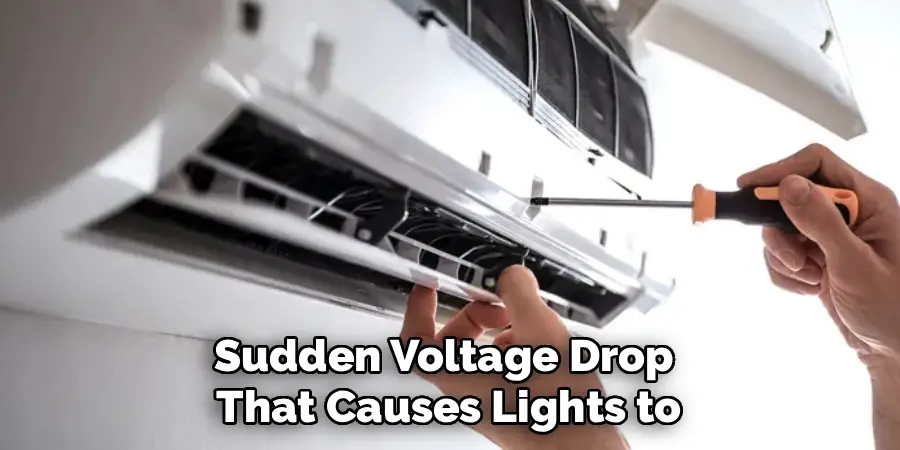
A soft-start kit is an electronic device installed on your air conditioner to manage the startup power surge. Instead of the compressor demanding maximum power instantly, the soft-start kit allows it to ramp up to speed gradually over a few seconds. This reduces the inrush current by up to 70%, which eliminates the sudden voltage drop that causes lights to flicker. It can also extend the life of your AC’s compressor.
Conclusion
A flicker of the lights when your AC starts can be anything from a normal quirk to a warning sign of a serious electrical problem. By methodically checking the simple things first—like loose bulbs and the health of your AC’s capacitor—you can often identify the source of the issue. For more complex problems, like an overloaded circuit or an undersized electrical panel, the expertise of a professional is essential for a safe and effective solution. Understanding the potential causes gives you the power to take action. Now that you know how to fix lights flickering when ac turns on, you can diagnose the problem with confidence and ensure your home’s electrical system is both safe and stable.

Rick is a handyman who grew up helping his dad with his business. He learned a lot from him about how to fix things, and also about how to work hard and take care of business. These days, Rick is still into fixing things- only now, he’s doing it for a living.
Rick is always looking for new ways to help people grow and develop. That’s why he started contributing to this blog: to share all his experience and knowledge so that he can help people who are interested in DIY repair.