
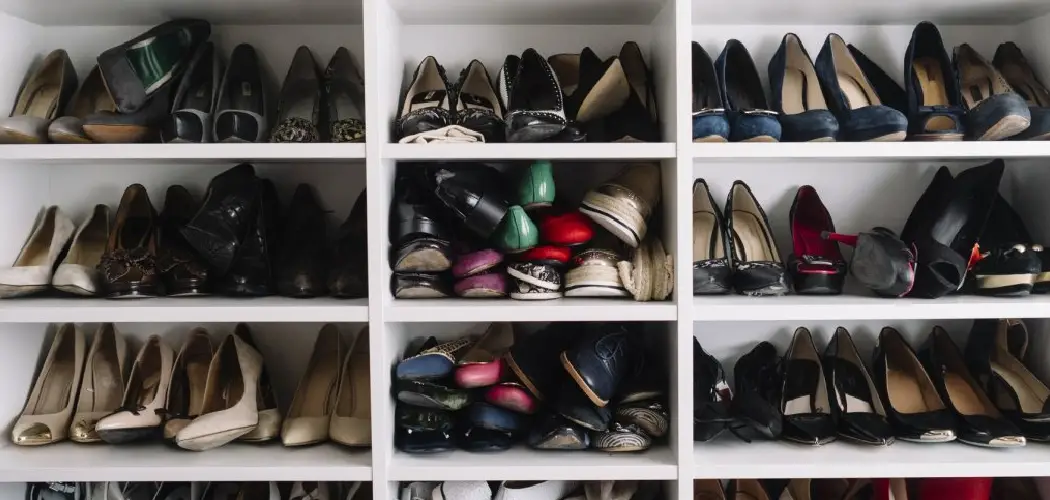
In many homes, shoe clutter is a common challenge that leads to disorganized closets and overcrowded entryways. This can make it difficult to find the right pair of shoes when needed, adding unnecessary stress to daily routines. Learning how to declutter shoes is essential for reclaiming valuable space and simplifying your life.
You can create a more serene and efficient living space by organizing your shoe collection. The process of decluttering involves assessing and sorting through your footwear, deciding what to keep, and determining the best storage solutions. By following a systematic approach, you can ensure that your shoe collection is manageable and well-organized, allowing for easy access to every pair. In the following sections, we will delve into the steps of effectively tackling shoe clutter, helping you maintain a tidy and functional environment.
Assessing Your Shoe Collection
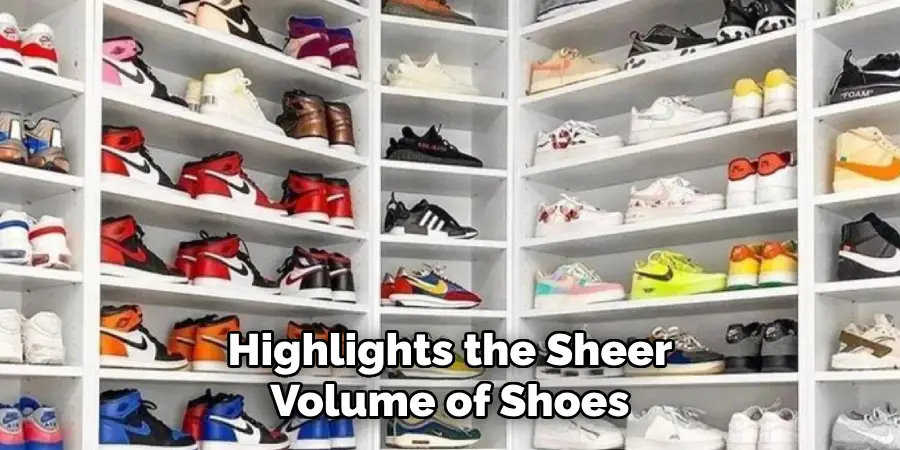
The initial step in how to declutter shoes is to gather all of your footwear in one place. This can be a revealing process that highlights the sheer volume of shoes accumulated over time. Start by retrieving shoes from every imaginable hiding place. Check closets, peer under beds, and scout through entryway racks. Leave no pair unaccounted for. Collecting all shoes in a central location gives you a comprehensive overview, which is crucial for understanding the scope of your shoe clutter.
Once you’ve gathered every pair, it’s time to evaluate each one. Assessing the condition of your shoes is a necessary step in decluttering. Inspect each pair for signs of wear and tear—are they scuffed, worn out, or perhaps in perfect condition? As you go through your collection, ask yourself pertinent questions: Do I wear this pair frequently? Are they comfortable enough for extended use? Do they fit with my current style or wardrobe essentials? Being honest in your evaluation helps identify which shoes truly serve a purpose in your life.
Having reviewed each pair, it’s essential to establish criteria for decluttering. Establish guidelines that will aid in effective decision-making about what to keep, donate, or discard. Consider the various types of shoes in your collection. Everyday shoes should be practical and reflect daily needs, formal shoes must match current fashion statements and seasonal shoes should be evaluated based on local weather and personal activity. A well-defined set of criteria ensures that your shoe collection remains both functional and aligned with your personal style, simplifying your choices during the decluttering process.
How to Declutter Shoes: Sorting Shoes
Organizing your shoe collection involves creating sorting categories that streamline the decision-making process. Start by dividing your shoes into four main groups: Keep, Donate, Discard, and Seasonal Storage. This categorization helps you objectively assess each pair’s utility and condition. Use boxes or bins to temporarily hold the sorted shoes, making the process systematic and less overwhelming. Label each container clearly and set them in an easily accessible area to maintain order while you work through your collection.
When it comes to organizing the Keep pile, consider arranging your shoes based on frequency of use, type, or season. Ensure frequently worn pairs are readily accessible and placed towards the front of your storage area. Seasonal shoes, such as boots or sandals, can be placed in boxes or shelves according to the time of year they’re needed. Another effective strategy is categorizing shoes by type—grouping all athletic footwear, formal shoes, and casual pairs together. It’s also crucial to keep pairs together; consider using shoe bags or dedicated compartments to ensure that shoes are stored as a pair, thus avoiding the frustration of mismatched or lost shoes.
Deciding between donating or discarding involves reflecting on the condition and practicality of each pair. For shoes in good condition that you no longer need consider donating to local charities or organizations that can provide them to those in need. Before donating, ensure shoes are clean and of acceptable quality, as this increases their value to recipients. On the other hand, for shoes that are damaged beyond repair, it’s important to recycle or dispose of them responsibly. Many recycling programs exist for old footwear, using materials for new products or energy recovery. By making thoughtful decisions about what to donate and discard, you contribute positively to your community and the environment while achieving a more organized shoe collection.

How to Declutter Shoes: Cleaning and Maintaining Shoes
Once you have sorted your shoe collection, it’s time to clean and maintain it to ensure longevity and readiness for future use. Cleaning your shoes before storage is crucial to keeping them in optimal condition and preventing any residual dirt or odors from setting in.
Cleaning the Shoes Before Storage
A simple wipe-down with a damp cloth will usually do the trick for leather shoes, followed by applying a conditioning polish to maintain flexibility and shine. Fabric shoes can be cleaned with a mild detergent solution and a soft brush, targeting stains and dirt gently. Rubber shoes, like those used for athletic activities, can be scrubbed with a warm, soapy solution and rinsed thoroughly. Once clean, always allow shoes to air dry naturally to prevent any material damage. Removing dirt, dust, and lingering odors helps preserve the shoes’ appearance and extend their lifespan while also ensuring they are fresh when you decide to wear them again.
Repairing Worn-Out Shoes
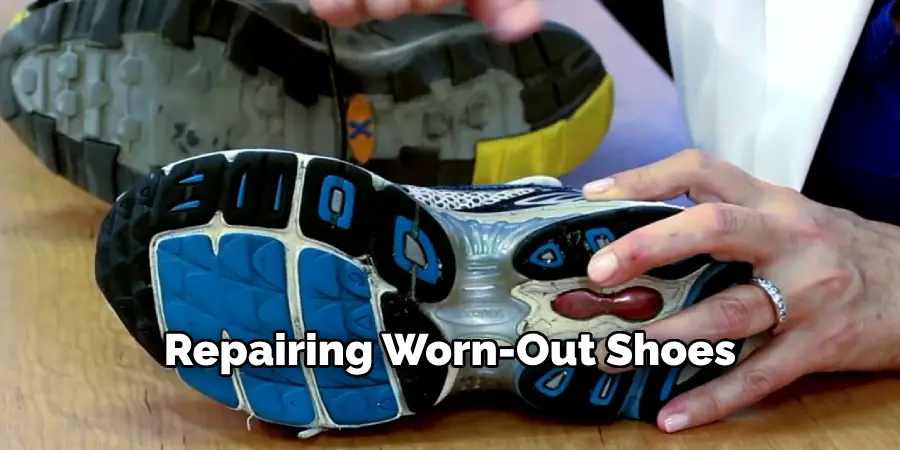
Another essential aspect of shoe maintenance involves repairing any wear-and-tear issues that might have developed over time. Start small with tasks like replacing worn laces with new, sturdy ones to ensure a secure fit. For shoes that show more significant wear, like soles that are thinning or coming away from the upper, consider resolving them to restore them to a functional condition.
In the case of more serious or intricate repairs, such as repairing leather cracks or complicated sole separations, it may be wise to seek professional shoe repair services. Opting for professional assistance can effectively address considerable damage and save beloved pairs from premature disposal, ultimately contributing to a sustainable footwear collection. With these cleaning and maintenance steps, your shoes will stay in good shape, ready for everyday or occasional use as needed.
Organizing Your Shoe Storage
Choosing Storage Solutions
Organizing your shoe collection efficiently requires selecting appropriate storage solutions catering to your space and personal style. Begin by considering the type of storage that suits your collection best. Shoe racks offer an easy way to keep shoes accessible and can be placed in closets, entryways, or bedrooms. They come in a variety of sizes and designs, allowing you to choose one that reflects your aesthetic preferences.
Bins or boxes provide a less visible solution, ideal for storing shoes that are used less frequently. Transparent bins offer the added advantage of easy visibility, ensuring you can identify each pair without the need for labeling. Shelving, another versatile option, can be modified to fit available space and customized to display shoes attractively. Over-the-door organizers present a space-saving solution for those with limited floor space, making use of vertical surfaces by placing shoes neatly in pockets. When selecting storage, consider your available space, the size of your collection, and your need for accessibility. Tailoring your storage method to these factors will create a harmonious balance between organization and style.
Utilizing Vertical Space
Maximizing your vertical space is crucial in small living areas with premium floor space. To make the most out of vertical storage, stackable bins or tiered shelves can effectively increase shoe visibility and access. Consider placing stackable bins in corners where they can utilize height rather than having multiple structures that occupy the room’s width. Tiered shelves provide clear visibility of each shoe level, preventing the back rows from being forgotten or lost.
Always ensure that vertical structures are stable and secure to prevent accidents. Another clever method involves wall-mounted shelves or pegs, particularly for lightweight shoes such as flats or sandals, which can easily hang. Implementing these vertical solutions allows you to keep shoes organized without encroaching on valuable floor space, enhancing the tidiness and functionality of your living environment.
Implementing a Seasonal Rotation System
A well-organized shoe closet should adapt to the seasons, ensuring that only relevant footwear is readily accessible. Implementing a seasonal rotation system involves storing off-season shoes, like winter boots or summer sandals, separately and bringing forward those suited to the current climate. This practice maintains the organization and safeguards shoes from unnecessary wear by limiting exposure to unfavorable conditions. Use labeled bins or shelves to separate seasonal items, rotating them as required.
This also offers an opportunity to review each seasonal change, evaluating whether each pair is still suitable or needs replacing. Regularly revisiting your shoe collection keeps it streamlined and relevant all year round, exuding a sense of order and intentionality. Embrace regular evaluations as part of your routine to ensure your shoe storage remains organized, accessible, and efficient.
Maintaining a Clutter-Free Shoe Collection
Regularly Reviewing Your Collection
To maintain an organized and clutter-free shoe collection, it is crucial to set a regular schedule for reassessing your shoe needs. Many find that a quarterly or biannual review works well, aligning with seasonal changes and ensuring that only necessary footwear occupies space. During each review, examine your current collection carefully, evaluating the condition and relevance of each pair in your lifestyle.
This practice encourages mindful decision-making regarding new purchases, preventing impulsive additions that may clutter your storage space. Staying aware of how each new purchase impacts the overall harmony of your collection can also help maintain a balance between functionality and available space.
Establishing a One-In-One-Out Rule
One effective strategy to keep your shoe collection manageable is the “One-In-One-Out” rule. By implementing this policy, you ensure that another must be donated or discarded for each new pair added to your collection. This approach fosters conscious consumerism, encouraging thoughtful purchases and helping prevent the accumulation of excess footwear. Regular purging of unworn or outdated shoes can bring new life into your collection and promote sustainability by redirecting footwear to those in need through donations.
Creating a Footwear Tracking System
Consider implementing a tracking system to efficiently manage and monitor your shoe collection. This can be as simple as maintaining a spreadsheet or utilizing dedicated apps designed for inventory management. Recording details such as purchase dates, condition notes, and usage frequency helps in making informed decisions on future acquisitions, ensuring consistent evaluation of your footwear needs.
A tracking system provides a clear overview of your collection, assists in adhering to the “One-In-One-Out” rule, and serves as a valuable tool in maintaining a tidy, clutter-free storage environment. This organized approach empowers you to easily manage your shoe collection, ensuring it remains functional and stylish.
Conclusion
Decluttering your shoe collection offers transformative benefits for maintaining an organized living space and streamlining daily routines. By learning how to declutter shoes effectively, you cultivate a functional and aesthetically pleasing environment. A tidy shoe area ensures easy accessibility, saving time each morning and reducing stress. Regular maintenance of your collection, through strategies like seasonal rotations or the “One-In-One-Out” rule, aids in preserving only what is necessary, reflecting careful and conscious choices.
Decluttering becomes a habit that supports an efficient shoe system and imbues your space with a personal touch. Ultimately, a clean and well-organized shoe closet is a rewarding reflection of your individual style, offering satisfaction and convenience daily. Embrace these strategies to transform your shoe storage into a space that meets both your practical needs and personal preferences.

Rick is a handyman who grew up helping his dad with his business. He learned a lot from him about how to fix things, and also about how to work hard and take care of business. These days, Rick is still into fixing things- only now, he’s doing it for a living.
Rick is always looking for new ways to help people grow and develop. That’s why he started contributing to this blog: to share all his experience and knowledge so that he can help people who are interested in DIY repair.