

Swapping out tired cabinet doors is one of the easiest ways to give your kitchen a fresh look without a full remodel. But here’s the catch: even the most beautiful new doors will disappoint you if they don’t fit. A few millimeters off, and you’ll end up with gaps, doors that won’t close, or hinges that refuse to line up.
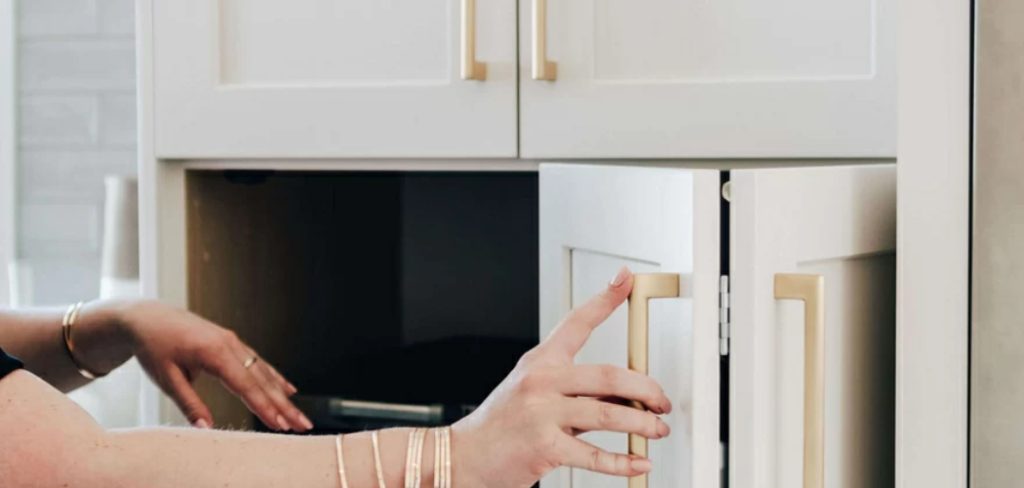
That’s why learning how to measure for new kitchen cabinet doors is the single most important step in the whole project. The good news? You don’t need to be a pro carpenter to get it right. With a tape measure, a notepad, and a little patience, anyone can take accurate measurements that lead to a perfect fit. This guide breaks the process down into simple, friendly steps you can follow at your own pace. We’ll cover what to measure, how to record it, and the common mistakes that trip people up. By the end, you’ll feel confident ordering doors that slot into place like they were made for your kitchen, because they will be.
Why Measuring for New Kitchen Cabinet Doors Matters
Accurate measurements protect both your budget and your sanity. Cabinet doors are usually custom-cut or ordered to exact sizes, which means returns can be costly, slow, or simply not allowed. Getting it right the first time saves you money and a lot of frustration. Precise measuring also ensures your doors open smoothly, sit flush, and line up evenly across the room, giving your kitchen that clean, professional finish everyone notices.
Beyond looks, proper sizing protects the function of your cabinets, since doors that rub or overlap wear out hinges fast. There’s a confidence boost too. When you measure carefully and see everything fit perfectly, you’ll trust yourself to tackle more home projects. Think of measuring as the foundation that makes every other decision, from style to color, fall neatly into place.
Step-by-Step Guide to How To Measure for New Kitchen Cabinet Doors
Step 1: Gather the Right Tools
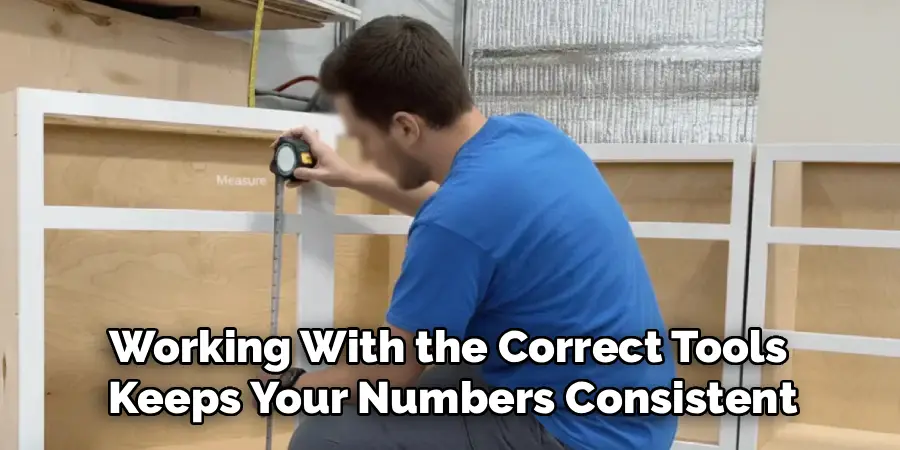
Before you measure a single door, set yourself up for success by collecting the right tools. You’ll want a quality steel tape measure, since cloth or flexible tapes can stretch and give false readings. Grab a notepad or a printed chart, a pencil, and your phone for snapping reference photos. A small level helps too if you want to check that your cabinet frames sit square.
Working with the correct tools keeps your numbers consistent and easy to trust. Lay everything out on the counter so it’s within reach. A little preparation here prevents the scramble of hunting for a pencil mid-project and keeps your focus on accuracy from the very first measurement.
Step 2: Decide on Your Door Overlay Style
Before measuring openings, you need to know how your doors sit on the cabinet. There are three common styles: full overlay, where the door covers almost the entire frame; partial overlay, where doors cover part of the frame and leave a gap between them; and inset, where the door sits flush inside the frame opening. Each style changes the size you’ll order.
Take a moment to look at your current doors and identify which style you have, or which one you want. This decision shapes every number you write down next. Knowing your overlay upfront prevents confusion later and ensures the doors you order match the look you’re picturing.
Step 3: Measure the Cabinet Openings
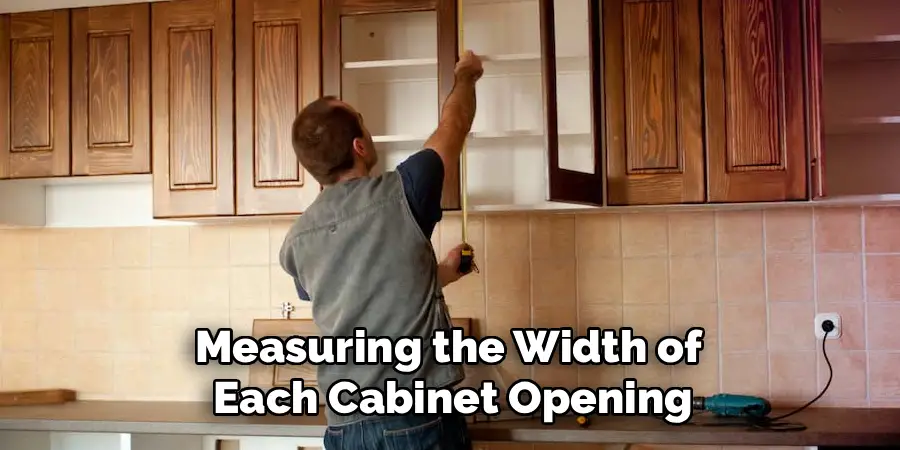
Now for the core task. To learn how to measure for new kitchen cabinet doors accurately, start by measuring the width of each cabinet opening from inside edge to inside edge of the frame. Then measure the height the same way, top to bottom. Write each number down immediately, labeling which cabinet it belongs to so nothing gets mixed up.
Measure to the nearest sixteenth of an inch for the best accuracy. Cabinets often look identical but vary slightly, so measure every single opening rather than assuming they match. Recording precise opening sizes gives you the base numbers you’ll adjust for your chosen overlay style in the next steps.
Step 4: Calculate Overlay and Door Size
With your opening measurements in hand, it’s time to do a little simple math. For a standard full overlay, you typically add one inch to both the width and the height of the opening, which gives the door a half-inch overlap on each side. Partial overlay doors usually add less, and inset doors are cut slightly smaller than the opening to sit inside it.
Always check the specific overlay recommendation from your hinge manufacturer, since hardware affects the exact amount. Double-check your arithmetic and write the final door size beside each opening measurement. This step turns raw numbers into the actual sizes you’ll order, so accuracy here truly counts.
Step 5: Account for Hinges and Hardware
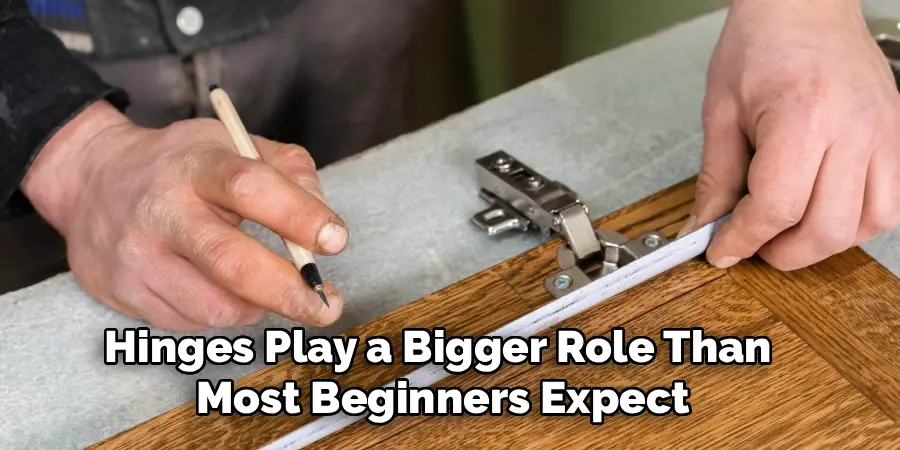
Hinges play a bigger role than most beginners expect. The type you choose, whether concealed European hinges or traditional surface-mount ones, affects how much space the door needs to open and close without hitting its neighbor. Concealed hinges often require specific overlay measurements and a drilled cup hole, so confirm those details before ordering.
If you’re reusing existing hinges, measure their position and note it. If you’re buying new ones, read the spec sheet carefully and match your door size to its requirements. Skipping this step is a common reason doors bind or refuse to shut. A few minutes confirming hardware now saves a frustrating reorder later.
Step 6: Double-Check and Record Everything
Knowing how to measure for new kitchen cabinet doors the right way means never trusting a single reading. Go back and measure each opening a second time, then compare it to your first number. If the two match, you’re golden. If they don’t, measure once more until you’re confident. This habit catches simple slips before they become expensive mistakes.
Organize your final numbers in a clear chart, listing each cabinet by location along with its width, height, overlay style, and door size. Snap a quick photo of your layout too. Tidy, well-labeled records make ordering smooth and give you something reliable to reference if a question comes up.
Step 7: Verify Before You Order
You’re almost there, so resist the urge to rush. Lay your finished measurement chart next to your supplier’s order form and match every field carefully. Confirm the units, since mixing inches and millimeters is an easy and costly error. Check that your overlay and hinge details align with what the manufacturer expects.
If your supplier offers a measuring guide or a quick review service, take advantage of it for extra peace of mind. Reading through everything one final time feels tedious, but it’s far easier than dealing with doors that arrive the wrong size. Once you’re certain each number is correct, place your order with confidence and look forward to a flawless fit.

Frequently Asked Questions
What Tools Do I Need to Measure Cabinet Doors Accurately?
A rigid steel tape measure is your most important tool, since flexible tapes can stretch and skew results. You’ll also want a pencil, a notepad or measurement chart, and ideally a small level to check that frames sit square. Your phone is handy for reference photos. These simple, affordable items are likely already in your home, making this a budget-friendly project for any skill level.
Should I Measure the Old Door or the Cabinet Opening?
It’s best to measure the cabinet opening rather than the old door, especially if the existing doors are warped, damaged, or the wrong size. The opening gives you a reliable base measurement to build from. You can measure the old door as a helpful cross-check, but always confirm against the opening and your chosen overlay style to ensure your new doors fit exactly as intended.
How Much Overlay Should My New Doors Have?
Overlay depends on your cabinet style and hinges. A standard full overlay typically adds about one inch total to the opening, giving a half-inch overlap on each side. Partial overlays add less, while inset doors fit inside the frame and are cut slightly smaller. Always check your hinge manufacturer’s recommended overlay, since the hardware you choose directly affects the exact amount you should add.
What Happens If My Measurements Are Slightly Off?
Even a small error can cause real problems, like doors that won’t close, uneven gaps, or hinges that don’t line up. Because cabinet doors are often custom-made, returns can be expensive or unavailable. That’s why measuring twice and verifying everything before ordering matters so much. If you’re unsure, many suppliers offer review services to double-check your numbers and give you added confidence before you commit.
Can I Measure for Cabinet Doors Myself or Should I Hire a Pro?
Most homeowners can absolutely handle this themselves with patience and accurate tools. The process is straightforward once you understand overlays and hinges. If you have unusual cabinet shapes, many doors to order, or simply want extra reassurance, consulting a professional or your supplier’s measuring service is a smart move. For standard kitchens, though, following careful steps gives you reliable, professional-quality results on your own.
Conclusion
Getting a perfect fit comes down to one thing: careful, consistent measuring. When you gather the right tools, identify your overlay style, measure each opening precisely, account for hinges, and verify every number before ordering, you set yourself up for doors that slide into place effortlessly. The math is simple, the tools are affordable, and the payoff is a kitchen that looks polished and works beautifully.
Remember to measure twice, label everything clearly, and never rush the final check, since those small habits prevent the costly mistakes that catch beginners off guard. Now that you understand how to measure for new kitchen cabinet doors from start to finish, you have everything you need to begin with confidence. Grab your tape measure, set aside an hour, and take those first measurements today. With your accurate numbers in hand, you’ll be ready to order doors that transform your space and prove that a little precision goes a long way.

Rick is a handyman who grew up helping his dad with his business. He learned a lot from him about how to fix things, and also about how to work hard and take care of business. These days, Rick is still into fixing things- only now, he’s doing it for a living.
Rick is always looking for new ways to help people grow and develop. That’s why he started contributing to this blog: to share all his experience and knowledge so that he can help people who are interested in DIY repair.