
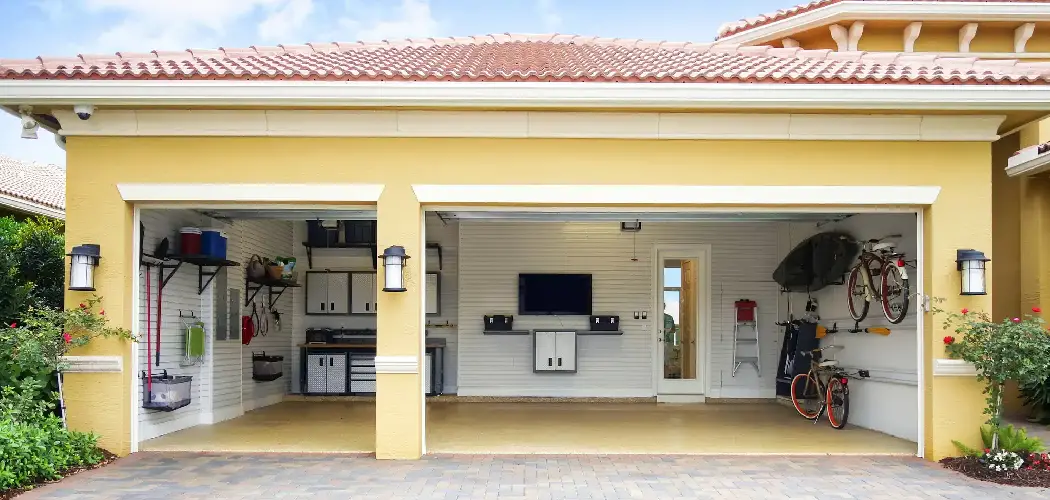
Finding puddles of water seeping into your garage after a rainstorm is a frustrating problem for any homeowner. This unwanted moisture can damage tools, ruin stored belongings, and lead to more serious issues like mold growth or foundation damage. Often, the main culprit is a gap between the bottom of your garage door and the concrete floor. Fortunately, there are several effective and approachable solutions to this common issue. You don’t have to be a construction expert to protect your space. This guide will provide clear, step-by-step instructions on how to keep water from coming in under garage door, helping you create a watertight seal.
Water intrusion under your garage door can be both frustrating and damaging, especially during heavy rainfall or snowmelt. If left unchecked, it can compromise the safety of your belongings and the structural integrity of your garage. By addressing the issue early, you can maintain a dry and functional space while avoiding costly repairs. This guide is here to simplify the process, offering achievable solutions for every homeowner.
Understanding Water Intrusion
Water intrusion occurs when water seeps beneath your garage door, often caused by uneven flooring, worn-out seals, or poor drainage systems around your property. Recognizing the root cause is pivotal to finding the right solution. Factors such as the slope of your driveway, the condition of the weatherstripping, and even seasonal weather patterns play a role in allowing water to enter your garage. By understanding these contributors, you can better protect your space against the unwanted effects of water damage.
Tools and Materials
To effectively prevent water from intruding under your garage door, you’ll need to gather the following tools and materials:
- Garage door threshold seal kit – Designed to create a watertight barrier along the base of the door.
- Measuring tape – Ensures accurate measurements for cutting materials to size.
- Utility knife – Useful for trimming the threshold seal or rubber materials to the appropriate length.
- Adhesive or sealant – Often included in threshold seal kits, this secures the material firmly to the garage floor.
- Cleaning supplies – A broom and degreaser to prepare the surface by removing dirt, dust, and oil.
- Caulk gun – If using a separate sealant, a caulk gun will help with precise application.
- Rubber mallet – Handy for correctly positioning and securing the threshold seal.
Having these items on hand will ensure a smooth and efficient installation process, helping you achieve a durable solution.
7 Step-by-Step Guide on How to Keep Water From Coming in Under Garage Door
Step 1: Inspect the Bottom Garage Door Seal
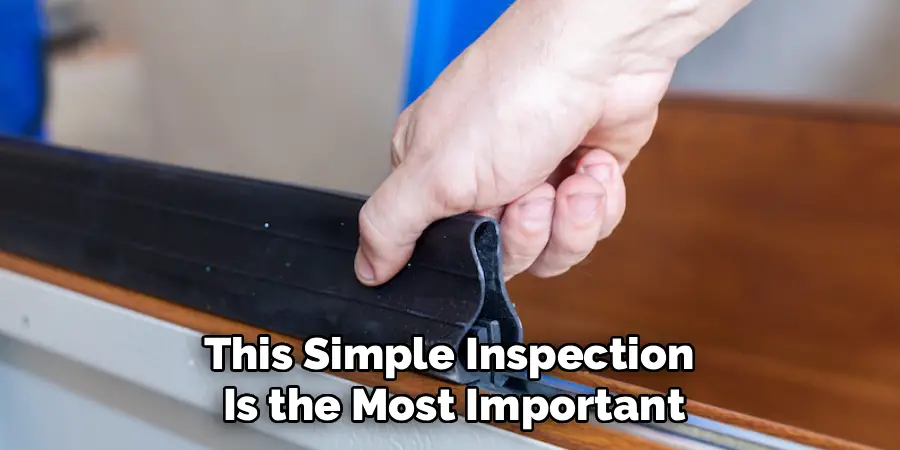
The first line of defense is the rubber or vinyl seal, also known as an astragal, attached to the bottom of your garage door. Over time, this seal can become cracked, brittle, compressed, or torn, creating gaps where water can easily penetrate. Close your garage door and inspect the seal from both the inside and outside. Look for any visible damage or areas where you can see daylight coming through. If the seal is flat and hard instead of pliable, it has lost its effectiveness and will need to be replaced. This simple inspection is the most important starting point.
Step 2: Replace the Seal
If your inspection reveals a worn-out seal, replacing it is a straightforward DIY project. You will need to purchase a new bottom seal compatible with your garage door model. With the garage door open, carefully slide the old seal out of the tracks on the bottom of the door. You may need pliers to help pull it out. After cleaning the tracks of any debris, you can slide the new seal into place. It can be helpful to lubricate the tracks with a bit of dish soap to make this process easier. Once installed, trim any excess length.
Step 3: Adjust the Garage Door
Sometimes the issue is not the seal itself but that the door is not closing tightly enough against the floor. Your garage door opener has a “close-limit” setting that tells the door when to stop lowering. If this is set too high, it can leave a gap. Check your opener’s manual for instructions on how to adjust this limit. Typically, it involves turning a small screw on the motor unit. Make small, incremental adjustments, closing the door after each one, until you achieve a snug fit without the door reversing upon contact.
Step 4: Install a Threshold Seal
A garage door threshold seal is a highly effective barrier that you install directly onto the concrete floor. This rubber strip is glued to the floor just inside the garage door, creating a raised dam that stops water in its tracks. The garage door seal then closes on top of this threshold, creating an exceptionally tight, two-part seal. When installing, it is crucial to thoroughly clean the concrete floor and use the manufacturer-recommended adhesive to ensure a strong, permanent bond that can withstand being driven over daily. This is one of the best solutions available.
Step 5: Check the Driveway’s Slope
Take a step back and look at the area outside your garage. If your driveway slopes down toward the garage door, you are fighting a constant battle against gravity. Water will naturally pool against the door during heavy rain. The best long-term solution is to improve drainage. One effective option is to install a channel drain, also known as a trench drain, in the concrete just in front of the garage door. This drain collects surface water and diverts it away from the garage entrance through underground pipes, effectively solving the grading issue.
Step 6: Maintain Your Gutters
Your home’s roof drainage system plays a significant role in managing water around your foundation. If your gutters are clogged with leaves and debris, water can overflow and pour down directly in front of your garage door, overwhelming any seals. Likewise, ensure your downspouts are directing water far away from the garage and driveway. Using downspout extenders can be a simple and inexpensive way to carry rainwater several feet away from the foundation, preventing it from flowing back toward the garage entrance and creating problems. Regular gutter maintenance is essential preventive care.
Step 7: Fill Cracks and Gaps in the Concrete
Inspect the concrete floor of your garage and the driveway apron just outside. Cracks and low spots in the concrete can channel water directly under the door or allow it to pool in problematic areas. For small cracks, you can use a concrete or masonry crack filler to seal them up. For larger, uneven sections of the concrete floor, you might consider using a concrete leveling compound to create a smooth, even surface for the garage door seal to rest on. This ensures there are no low points for water to exploit.
Maintenance Tips
Regular maintenance of your garage door and its components can go a long way in preventing water infiltration and ensuring smooth operation. Start by inspecting and cleaning the bottom seal or weatherstripping routinely to remove any dirt or debris that may compromise its effectiveness. Lubricate moving parts such as hinges, rollers, and tracks with a silicone-based lubricant to prevent rust and ensure proper function.
Additionally, check for any gaps or wear in the side and top seals, replacing them as needed to maintain a tight seal against the elements. Lastly, ensure the automatic garage door opener is functioning properly by testing the closing and safety mechanisms periodically. Keeping up with these simple maintenance measures will help protect your garage from water damage and prolong the life of your door.
Common Sealing Mistakes
When sealing your garage door to prevent water intrusion, a few common mistakes can compromise the effectiveness of your efforts. One frequent error is failing to thoroughly clean the surface before applying any sealant. Dirt, grease, or debris can prevent the sealant from adhering properly, leading to gaps and failure over time. Another mistake is using the wrong type of sealant for your specific situation. For example, using a sealant that isn’t rated for outdoor or wet conditions can result in early wear and poor performance.
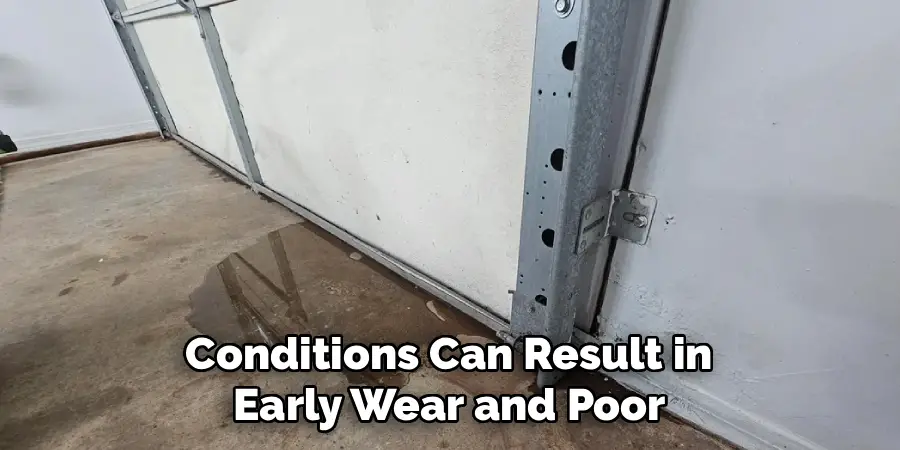
Additionally, applying too much or too little sealant can create uneven sealing and leave areas vulnerable to leaks. Finally, neglecting to account for environmental factors, such as temperature or humidity levels during application, can impact the curing process, reducing the sealant’s longevity and effectiveness. Taking the time to prepare and ensure proper application helps avoid these pitfalls, leading to a more durable and reliable seal.
Frequently Asked Questions
What Is a Garage Door Threshold Seal?
A threshold seal is a strip of durable rubber that is adhered directly to the concrete floor of your garage. It is installed just behind where the garage door closes. This creates a raised barrier, or a mini dam, that physically blocks wind-driven rain and pooling water from entering. The bottom seal of the garage door then presses against this threshold, creating a very tight, double barrier against the elements.
How Do I Know if My Garage Door Seal Is Bad?
There are a few clear signs that your bottom seal needs replacing:
- Visible Damage: Look for cracks, tears, or chunks missing from the rubber.
- Hardness: A good seal should be soft and pliable. If it feels hard and brittle, it has lost its sealing ability.
- Daylight: Close the door and look for any slivers of light coming through at the bottom. Any light means water can get in.
Why Is Water Still Coming in After I Replaced the Seal?
If you have a new seal but still have leaks, the problem likely lies elsewhere. Check if your concrete floor is uneven, creating gaps under the seal. Also, verify that your driveway doesn’t slope toward the garage. In cases of heavy, wind-driven rain, a single bottom seal may not be enough, and installing a garage door threshold seal is the recommended next step.
Can a Badly Sloped Driveway Be Fixed?
Yes, but it is often a significant project. The most effective solution is installing a trench or channel drain across the driveway in front of the garage. This collects water before it reaches the door and diverts it away. In more extreme cases, a contractor may need to regrade the driveway or repour the concrete apron to ensure water flows away from the house.
Is a Threshold Seal Better Than a Bottom Door Seal?
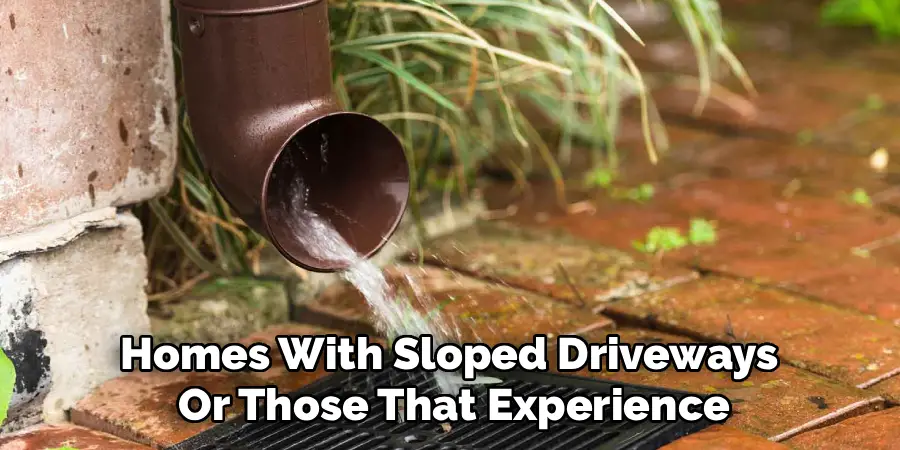
They are not mutually exclusive; they work best together as a system. The bottom door seal is your first line of defense and is essential. The threshold seal is a secondary barrier that provides a much higher level of protection, especially for homes with sloped driveways or those that experience heavy, wind-driven rain. For maximum water protection, using both is the ideal solution.
Conclusion
Protecting your garage from water intrusion is crucial for maintaining the value and usability of the space. The solution often involves a combination of simple fixes, from replacing a worn-out bottom seal to making sure your gutters are clean.
By systematically inspecting your door, seal, and the surrounding landscape, you can identify the weak points and address them effectively. Installing a threshold seal or improving drainage provides a more robust, long-term defense. Now that you know how to keep water from coming in under garage door, you can take the necessary steps to ensure your garage stays clean, dry, and protected.

About
Angela is the chief editor of Indoorense. She began her career as an interior designer before applying her strategic and creative passion to lifestyle and home.
She has close to 15 years of experience in creative writing and online content strategy for housekeeping and cleaning,home decorations as well as other efforts.
She loves her job and has the privilege of working with an extraordinary team. She lives with her husband, two sons, and daughter in Petersburg. When she’s not busy working she spent time with her family.