
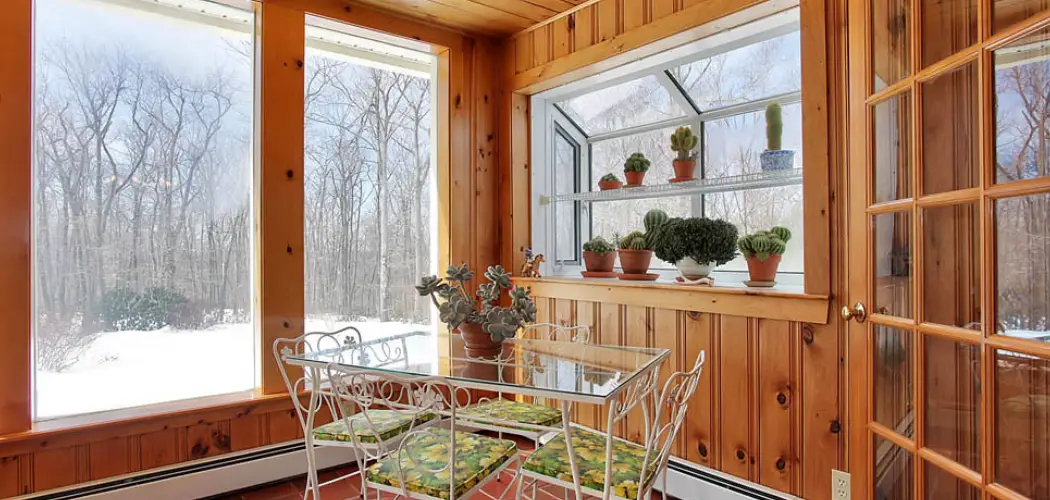
A sunroom is a delightful addition to any home, offering a bright and airy space where you can enjoy the sun’s warmth without leaving the comfort of indoors. However, managing the amount of sunlight that enters the room is crucial to maintain a comfortable environment and protect furniture from UV damage. Covering sunroom windows effectively can help regulate temperature, ensure privacy, and add a touch of style to your space. In this guide, we’ll explore various methods and materials for how to cover sunroom windows.

The Importance of Selecting the Right Window Coverings
Choosing the right window coverings for your sunroom goes beyond aesthetics; it significantly impacts the room’s functionality and comfort. The correct coverings can efficiently control the amount of natural light entering the space, preventing overheating during summer while helping to retain warmth in colder months. Additionally, high-quality coverings protect your furniture and flooring from UV rays, reducing the risk of fading and wear over time.
They also provide much-needed privacy, creating a more intimate and secure atmosphere. Moreover, the right window treatments can enhance the overall style and décor of your sunroom, complementing the design and mood you wish to achieve. With various options available, such as blinds, shades, and curtains, understanding the specifics of your sunroom’s needs is essential for selecting the most suitable coverings.
Different Options for Covering Sunroom Windows
When it comes to covering sunroom windows, there are diverse options available that cater to different needs and aesthetics. Here are some popular choices:
1. Blinds
Blinds offer versatility in function and design, allowing you to adjust the amount of light entering the room easily. Available in materials like wood, faux wood, and aluminum, blinds can suit various décor styles. Vertical blinds are a great fit for larger window expanses, while horizontal blinds are typically used for standard-sized windows.
2. Shades
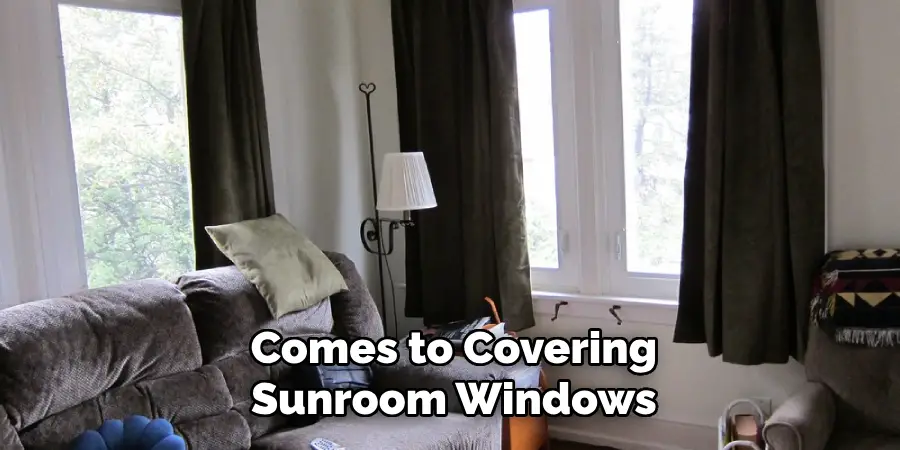
Shades provide a clean and streamlined look to sunroom windows. They come in various types, such as roller shades, which are easy to operate; cellular shades, which add insulative value; and Roman shades, which offer a classic and elegant appearance. Each type of shade provides varying levels of light control and privacy.
3. Curtains and Drapes
Curtains and drapes add softness and texture to a sunroom, creating a cozy atmosphere. They come in a variety of fabrics, colors, and patterns, allowing you to personalize the room’s look. Heavier drapes can provide better insulation and privacy, while lighter curtains may enhance the room’s airy feel.
4. Solar Screens
Solar screens are an energy-efficient option that reduces glare and heat from the sun while maintaining visibility to the outside. They provide UV protection for your furniture and come in varying opacities. Solar screens help in keeping the space cooler during intense sunlight periods.
5. Window Film
Window film is an affordable and low-maintenance solution that can be applied directly to the glass. It comes in different styles, including frosted and tinted films, which offer privacy and reduce UV exposure. Window film is less obtrusive and preserves most of the room’s natural light.
10 Methods How to Cover Sunroom Windows
1. Install Solar Shades
Solar shades are a highly effective option for covering sunroom windows because they allow you to reduce glare and heat without blocking your view. These shades are made from a special fabric that filters UV rays, which helps to keep your sunroom cool and protects your furniture from fading. Solar shades come in different levels of opacity, so you can choose a light filtering option for partial sunlight or a more opaque fabric for greater protection. They also roll up easily, so you can enjoy an unobstructed view when the sun isn’t too strong.
2. Use Plantation Shutters
Plantation shutters are a classic and elegant choice for sunroom windows. These shutters feature wide, adjustable louvers that allow you to control the amount of sunlight entering the room. With plantation shutters, you can tilt the louvers to direct sunlight upward, allowing natural light in while reducing glare. They also provide excellent privacy when fully closed. Plantation shutters are available in various materials, including wood, vinyl, and composite, making them a versatile option that can match the style of your sunroom.
Their sturdy construction also makes them long-lasting and easy to clean.

3. Hang Sheer Curtains
If you want to maintain the airy and light feel of your sunroom but reduce the harshness of direct sunlight, sheer curtains are a perfect solution. These lightweight curtains gently diffuse sunlight, creating a soft, warm glow in the room. Sheer curtains are available in a wide range of colors and fabrics, so you can choose a design that complements your decor. They also provide a degree of privacy without completely blocking the view. For a layered effect, you can pair sheer curtains with heavier drapes to allow for more light control when needed.
4. Install Blinds
Blinds are a practical and affordable way to cover sunroom windows, giving you full control over light and privacy. Horizontal or vertical blinds come in various materials, including wood, faux wood, aluminum, and vinyl, making them adaptable to different design styles. The slats of the blinds can be adjusted to allow just the right amount of sunlight into the room, or they can be completely closed for full privacy. Some blinds also come with motorized options, making it easy to adjust them at the push of a button, especially for larger sunroom windows.
5. Use Roman Shades
Roman shades are an elegant and versatile option for sunroom windows. These fabric shades create soft, cascading folds when raised, adding a decorative element to your windows. When lowered, Roman shades provide full coverage, blocking out light and offering privacy. You can choose from a wide range of fabrics, from light filtering to blackout, depending on how much light control you want. Roman shades can also be customized with patterns, colors, and textures that enhance the style of your sunroom, creating a cozy and sophisticated atmosphere.
6. Install Cellular Shades
Cellular shades, also known as honeycomb shades, are an excellent option for sunroom windows if you’re looking to improve energy efficiency. These shades have a unique honeycomb structure that traps air, providing insulation against heat in the summer and cold in the winter. Cellular shades are available in various opacity levels, from light filtering to blackout, allowing you to control light and privacy. The sleek, minimalist design of cellular shades makes them a great option for modern sunrooms, while their insulating properties help to maintain a comfortable temperature throughout the year.
7. Add Window Film
For a minimalist and budget-friendly option, window film is a great solution to cover sunroom windows. Window films are applied directly to the glass and come in a variety of styles, including frosted, tinted, and decorative designs. They provide UV protection, reduce glare, and help regulate the temperature in your sunroom without obstructing the view. Some films also offer privacy by making it difficult for people outside to see in, while still allowing natural light to enter. Window films are easy to install and remove, making them a flexible option for temporary or permanent coverage.
8. Install Skylight Covers
If your sunroom has skylights, covering them is crucial to control excessive sunlight and heat. Skylight covers come in different forms, including retractable shades, blinds, and films, allowing you to choose the level of light control you need. Retractable shades or blinds can be motorized for easy adjustment, giving you the option to open them during cooler parts of the day and close them when the sun is at its peak. Skylight covers not only reduce heat and glare but also prevent harmful UV rays from damaging your furniture and floors.
9. Use Layered Window Treatments
For ultimate flexibility and style, consider layering different types of window treatments in your sunroom. Combining two or more methods, such as sheer curtains with blinds or Roman shades with drapes, allows you to create a custom look while offering maximum control over light and privacy. Layered treatments give you the option to adjust the window coverings based on the time of day and the amount of sunlight coming in. During the brightest parts of the day, you can close both layers for full coverage, and in the evening, you can leave the sheer or lighter layer open for a more relaxed feel.
10. Opt for Motorized Shades or Blinds
If convenience and ease of use are a priority, motorized shades or blinds are an excellent option for sunroom windows. Motorized window treatments can be operated with a remote control, smartphone, or even integrated with smart home systems, allowing you to adjust them without leaving your seat. This is particularly useful for sunrooms with large windows or skylights that are difficult to reach.
Motorized shades come in various styles, including roller shades, cellular shades, and blinds, so you can choose the best option for your design preferences and needs. They provide excellent control over light and privacy while offering the ultimate in convenience and modern technology.
Conclusion
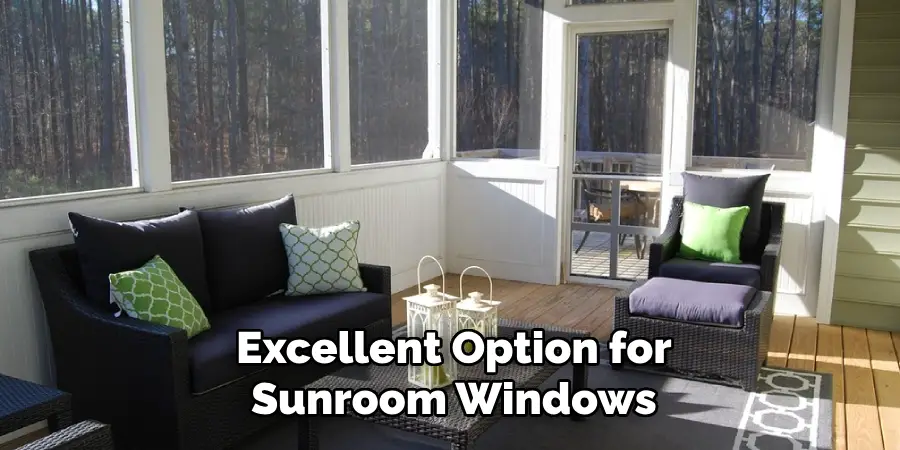
Covering sunroom windows doesn’t mean sacrificing natural light or views; instead, it’s about finding the right balance between light control, privacy, and aesthetics. Whether you prefer the softness of sheer curtains, the practicality of blinds, or the elegance of Roman shades, there are plenty of options to suit your style and functional needs. Follow these simple instructions outlined in this blog post about how to cover sunroom windows, and you’ll be able to get the job done with ease.

About
Angela is the chief editor of Indoorense. She began her career as an interior designer before applying her strategic and creative passion to lifestyle and home.
She has close to 15 years of experience in creative writing and online content strategy for housekeeping and cleaning,home decorations as well as other efforts.
She loves her job and has the privilege of working with an extraordinary team. She lives with her husband, two sons, and daughter in Petersburg. When she’s not busy working she spent time with her family.