
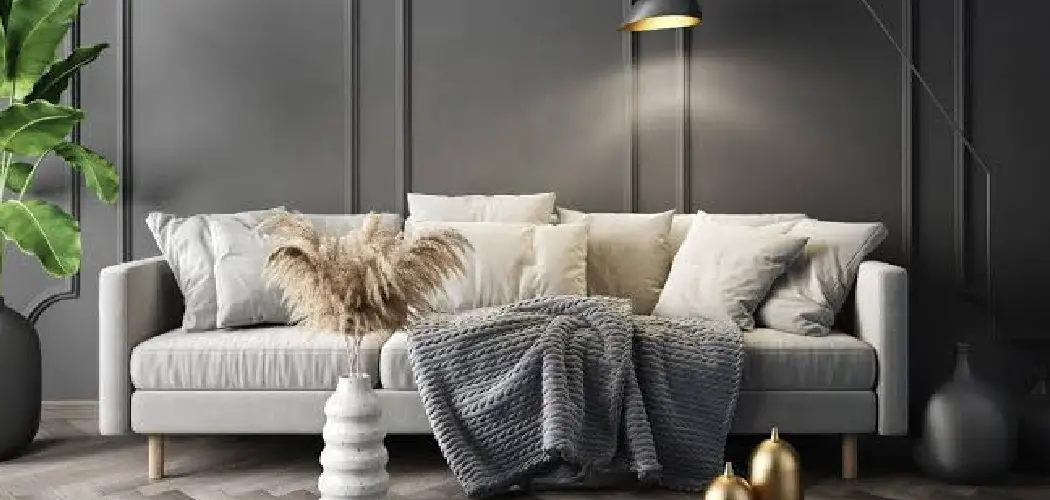
A sofa table set against a wall is one of those spots that can either feel forgotten or become a real highlight of your room. This slim, flat-topped table usually sits behind a couch or flush against a blank stretch of wall, and it gives you a wonderful chance to add personality without taking up much space. If you have ever stared at that empty surface and wondered how to decorate a sofa table against a wall, you are about to get a clear, friendly plan you can follow step by step.
The good news is that you do not need a designer’s eye or a big budget to make it work. With a few smart choices about height, balance, and layering, you can turn a plain table into a styled focal point that ties the whole room together. This guide walks you through the process in simple stages, so whether you are a total beginner or just looking to refresh your space, you will feel confident arranging every piece with intention and ease.
Why Decorating A Sofa Table Against A Wall Matters
A well-styled sofa table does more than fill an awkward gap. It draws the eye, adds warmth, and gives a room that finished, lived-in feel that store-bought furniture alone cannot achieve. When placed against a wall, the table becomes a natural stage for art, lighting, and personal objects that reflect who you are.
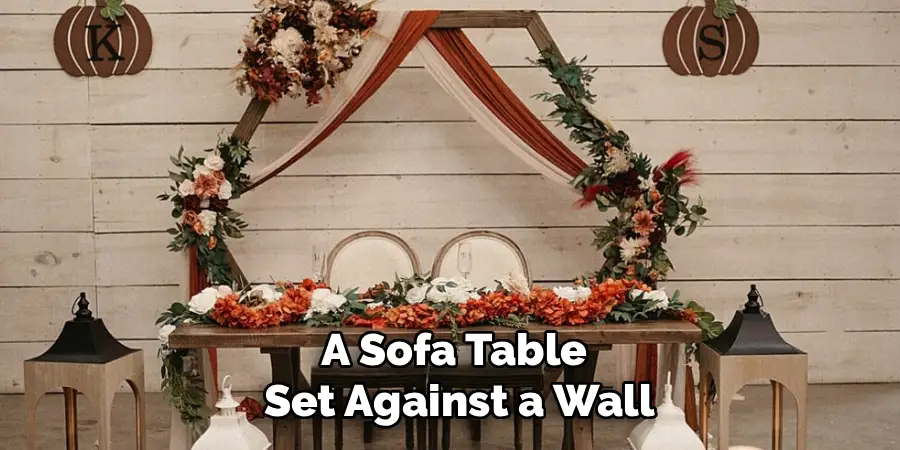
This spot also works hard for you in practical ways. It offers a landing zone for keys, books, or a lamp, and it can anchor an entryway or living room with a sense of order. Getting it right means blending function with beauty, so the table looks intentional rather than cluttered. A thoughtful arrangement can even make a small room feel larger and more welcoming, which is why this simple project delivers such a big visual payoff.
Step-by-Step Guide to How to Decorate a Sofa Table Against a Wall
Step 1: Measure Your Space and Set a Plan
Before you buy or arrange anything, grab a tape measure and note the width, depth, and height of your table along with the open wall above it. Knowing your exact dimensions helps you choose pieces that fit the scale of the surface instead of overwhelming or underwhelming it. Sketch a rough layout on paper and mark where taller items and lower items will sit. This early planning step keeps your project focused and saves you from costly returns. Learning how to decorate a sofa table against a wall always starts with understanding your space, so take a few quiet minutes here to map out your vision clearly.
Step 2: Choose an Anchor Piece
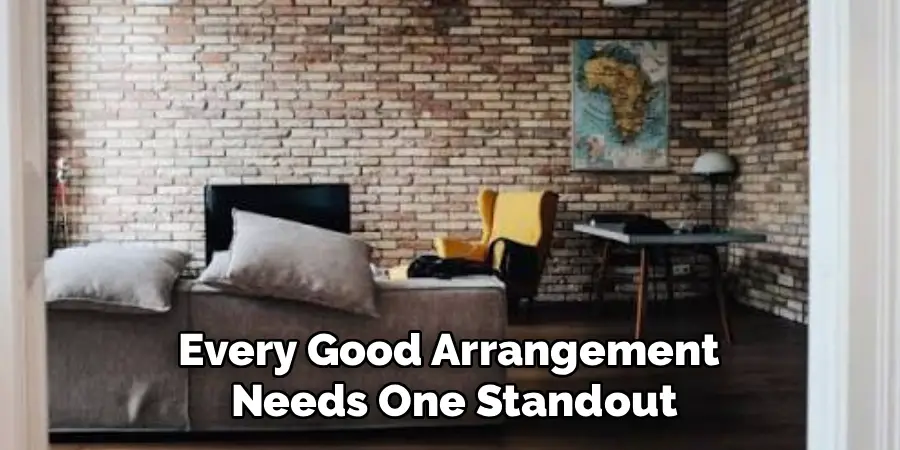
Every good arrangement needs one standout item to build around. This anchor is usually the tallest or most eye-catching object, such as a framed piece of art, a large mirror, or a tall lamp placed to one side. Position it against the wall first, since everything else will relate to it in height and spacing. A mirror is a smart pick because it bounces light and makes the area feel more open. Choose something that speaks to your style, whether that means a bold abstract print or a calm landscape, and let it set the mood for the rest of your display.
Step 3: Add Layers with Height and Depth
With your anchor in place, start layering objects to create visual interest. Group items in odd numbers, like threes, because our eyes find those groupings more natural and pleasing. Vary the heights by mixing a tall vase, a medium stack of books, and a short candle or small bowl. Pull some pieces slightly forward and push others back to build depth rather than lining everything up in a flat row. This layering trick is the secret to how to decorate a sofa table against a wall in a way that feels rich and collected instead of sparse. Play with the arrangement until it feels balanced from every angle.

Step 4: Introduce Lighting for Warmth
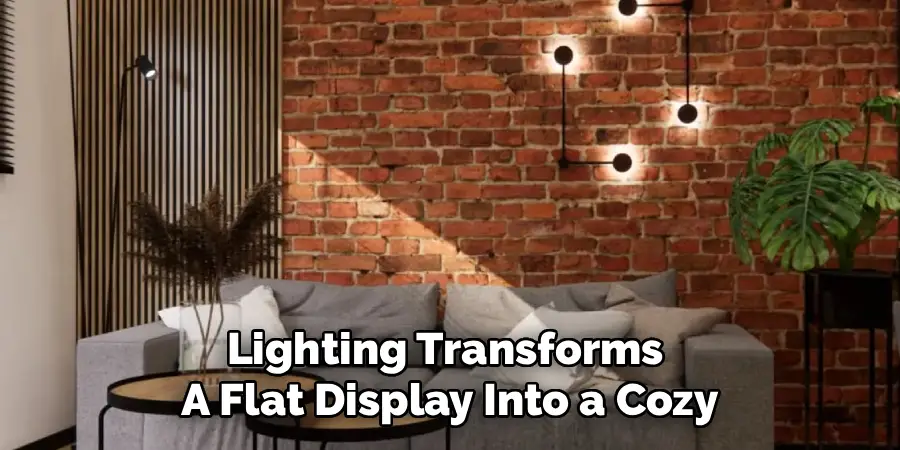
Lighting transforms a flat display into a cozy, inviting scene. A slim table lamp on one end casts a soft glow and instantly adds warmth to the corner. If your table sits in an entryway, this light also serves a practical purpose by welcoming you home. For a subtle touch, tuck a few battery-powered candles or a small string of fairy lights among your objects. Warm-toned bulbs work best because they flatter both the table finish and the surrounding room. Keep any cords tidy by running them along the wall or securing them with clips, so the finished look stays clean and polished rather than messy.
Step 5: Balance Color and Texture
Now think about how your pieces work together in color and feel. Pick two or three main shades that echo colors already in your room, such as a throw pillow or rug, so the table feels connected to its surroundings. Mix textures to keep things lively by pairing smooth ceramic with rough wood, woven baskets, or a touch of metal. This contrast adds richness and stops the display from looking flat or one-note. Avoid using too many competing patterns, since a calm base lets your standout pieces shine. A gentle blend of tones and textures creates harmony that feels both intentional and effortlessly stylish.
Step 6: Add Greenery or a Natural Element
Nothing brings a display to life quite like a living element. A small potted plant, a trailing vine, or a simple vase of fresh flowers adds freshness and softens the hard lines of furniture and frames. If you worry about upkeep, a good-quality faux plant offers the same effect with zero maintenance. Place your greenery to one side so it balances your anchor piece rather than crowding it. Natural elements like a bowl of stones, a piece of driftwood, or dried grasses also add organic charm. This step gives your arrangement a breath of fresh air and a welcoming, grounded feel.
Step 7: Edit, Step Back, and Refine
The final step is often the most important one. Walk away from your table, then return with fresh eyes and view it from across the room and from where you usually sit. Ask yourself whether anything feels crowded, empty, or out of place. Remove one or two items if the surface looks busy, since a little breathing room makes the whole display feel more elegant. Adjust spacing, straighten frames, and fine-tune your lighting until everything clicks. This editing habit is what separates a thrown-together table from a polished, designer-worthy scene, so trust your instincts and refine until it feels just right.
Frequently Asked Questions
What Should I Put On A Sofa Table Against A Wall?
Start with one anchor piece like a mirror, artwork, or a tall lamp, then layer in smaller items such as books, a vase, a candle, and a bit of greenery. Group objects in odd numbers and vary their heights for a natural look. The goal is a mix of function and beauty, so include pieces that are both useful and pleasing to your eye.
How Do I Decorate A Sofa Table Without Making It Look Cluttered?
Less is often more, so resist the urge to fill every inch of surface. Choose a few quality pieces and leave some open space around them to let each item breathe. Group things in small clusters rather than spreading them evenly, and stick to two or three colors. Step back regularly to check the balance, and remove anything that feels like it is fighting for attention.
How Tall Should Decor Be On A Sofa Table?
Aim for variety, with your tallest piece reaching roughly two-thirds of the wall space above the table or standing near the height of a nearby lamp. Medium and short items should step down from there to create a gentle, layered slope. If you hang art or a mirror, leave a small gap of a few inches between it and the objects below so the arrangement feels connected but not crowded.
Do I Need A Lamp On My Sofa Table?
A lamp is not required, but it adds warmth, function, and a lovely glow, especially in an entryway or living room corner. If you already have plenty of light nearby, you can skip it and use candles or a small decorative light instead. A lamp also helps balance a tall anchor piece on the opposite side, giving your display a pleasing sense of symmetry and depth.
How Often Should I Update The Display?
There is no strict rule, but refreshing your table with the seasons keeps it feeling current and fun. Swap in cozy textures and warm tones for autumn, or bright flowers and lighter pieces for spring. You do not need to change everything at once, since even one or two new items can update the whole look. Trust your taste and adjust whenever the space starts to feel stale.
Conclusion
Styling that empty surface behind your couch or along a blank wall is a simple project with a big reward. You now know how to decorate a sofa table against a wall using a clear, repeatable process that starts with measuring your space, choosing a strong anchor, and layering objects with varied height and texture. Add warm lighting, a touch of greenery, and a balanced color palette, then finish by editing until everything feels just right. Each step builds on the last, so you can move at your own pace and adapt the ideas to fit your room and budget.
The real secret is trusting your own eye and giving yourself permission to experiment. Move pieces around, try new groupings, and step back often to see what feels balanced and welcoming. Do not aim for perfection, because the most inviting spaces reflect real personality rather than a showroom look. Gather a few favorite pieces, follow these steps, and start styling your table today. Once you see how much warmth and character it brings, you will be glad you took the time to get it right.

Rick is a handyman who grew up helping his dad with his business. He learned a lot from him about how to fix things, and also about how to work hard and take care of business. These days, Rick is still into fixing things- only now, he’s doing it for a living.
Rick is always looking for new ways to help people grow and develop. That’s why he started contributing to this blog: to share all his experience and knowledge so that he can help people who are interested in DIY repair.