
Bathrooms are one of the highest energy-consuming rooms in the home, primarily due to the demands of hot water usage, lighting, heating, and ventilation systems. Enhancing energy efficiency in the bathroom can significantly reduce your carbon footprint while also lowering your utility bills, leading to both financial and environmental benefits. Common areas where energy is heavily utilized include water heating for showers and baths, lighting that often runs continuously during periods of use, and ventilation that is essential for maintaining air quality.
This guide aims to provide practical tips and strategies on how to save energy in the bathroom by focusing on these key areas. With an emphasis on water heating, improved lighting solutions, energy-efficient ventilation options, and smart fixtures, you can make your bathroom more sustainable and eco-friendly, all while contributing to a more energy-efficient household.
Reducing Water Heater Energy Use
Install a Low-Flow Showerhead:
Traditional showerheads use around 2.5 gallons per minute (gpm), but low-flow models can reduce that to 1.5 gpm without sacrificing water pressure. This lowers the amount of hot water you need, reducing energy used by your water heater.
Use a Shower Timer:
Reducing shower time from 10 minutes to 5 minutes can save a significant amount of energy used to heat water. You can use a shower timer or set a reminder to encourage shorter showers, thus decreasing both water and energy consumption.
Lower Water Heater Temperature:
Many water heaters are set at 140°F, which is higher than necessary for most uses. Reducing the temperature to 120°F can save energy without noticeable differences in hot water performance. This simple adjustment can also extend the life of your water heater.
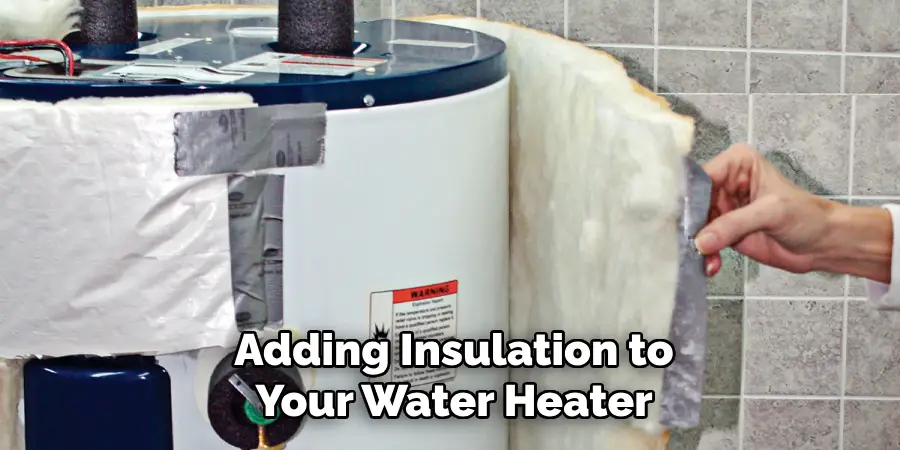
Insulate Water Heater and Pipes:
Adding insulation to your water heater and hot water pipes helps retain heat longer, reducing the energy required to keep the water hot. Pipe insulation is particularly beneficial in colder climates, where heat loss can be considerable. By implementing these insulation measures, you ensure that energy is retained within the system, enhancing efficiency and lowering energy bills.
How to Save Energy in The Bathroom: Efficient Lighting Solutions
Step 1: Switch to LED Bulbs:
Replace incandescent or CFL bulbs with energy-efficient LED lights. LEDs use up to 75% less energy and last 25 times longer than traditional bulbs, significantly reducing both energy consumption and the frequency of bulb replacements. Their durability and efficiency make them a sustainable choice for long-term savings.
Step 2: Use Motion Sensors or Timers:
Installing motion sensor lights or timers ensures that lights are only on when needed, reducing unnecessary energy consumption. This technology is particularly useful in bathrooms, where forgetting to turn off the lights is a common occurrence. Motion sensors automatically switch lights on when someone enters, and off after a pre-set time, making them both convenient and efficient.
Step 3: Maximize Natural Light:
If your bathroom has windows, maximize natural light during the day to reduce the need for artificial lighting. Use light-colored curtains or blinds that allow daylight to filter in while maintaining privacy. By relying more on natural light, you can enjoy a well-lit bathroom without additional energy costs.
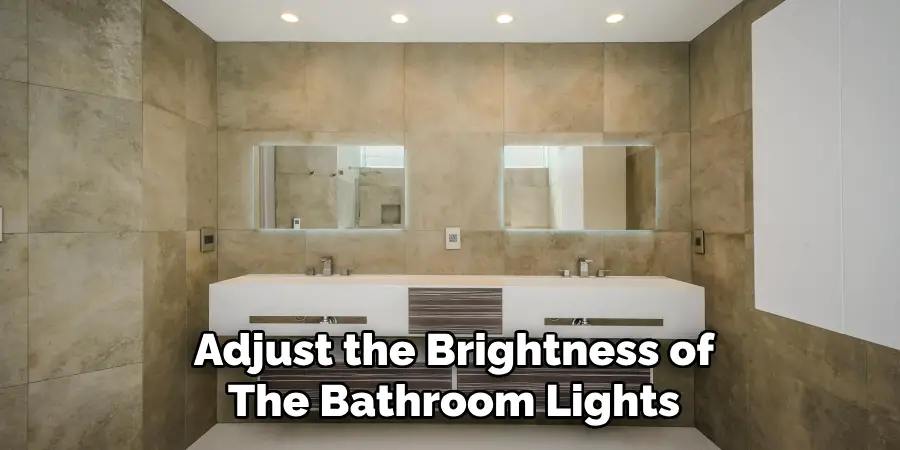
Step 4: Install Dimmer Switches:
A dimmer switch can help you adjust the brightness of the bathroom lights, allowing you to use less energy during times when full brightness isn’t necessary. This not only enhances ambiance but also contributes to energy savings, providing an easy way to control energy usage based on your needs.
How to Save Energy in The Bathroom: Water Conservation for Energy Savings
Step 1: Upgrade to Water-Efficient Faucets:
Installing water-efficient faucets or faucet aerators reduces the flow of water while maintaining adequate pressure. This lower flow decreases the demand for hot water, which contributes to energy savings by lessening the load on your water heater. By investing in these upgraded fixtures, you not only conserve water but also cut down on energy usage.
Step 2: Fix Leaky Faucets and Toilets:
A dripping faucet or a constantly running toilet can waste gallons of water each day, leading to increased water and energy costs. By repairing leaks promptly, you help conserve water and reduce the energy required to pump and heat it, maximizing both environmental and financial benefits.
Step 3: Opt for a Dual-Flush Toilet:
Dual-flush toilets offer users a choice between a low-volume flush for liquid waste and a higher-volume flush for solid waste. This smart approach optimizes water use, reducing overall water consumption and the energy needed for water treatment and delivery, making your bathroom more sustainable.
Step 4: Use Cold Water for Small Tasks:
For small tasks such as washing hands or brushing teeth, using cold water instead of hot can significantly lower energy usage. This simple adjustment minimizes the reliance on your water heater, offering an easy and effective way to conserve both water and energy in your daily routine.
Ventilation and Heating Efficiency
Step 1: Install an Energy-Efficient Exhaust Fan:
Ensure your bathroom has a properly functioning exhaust fan to reduce moisture buildup. Opt for Energy Star-rated fans that use less electricity while effectively ventilating the space. By removing excess moisture, these fans prevent mold growth and maintain air quality without consuming excessive power.
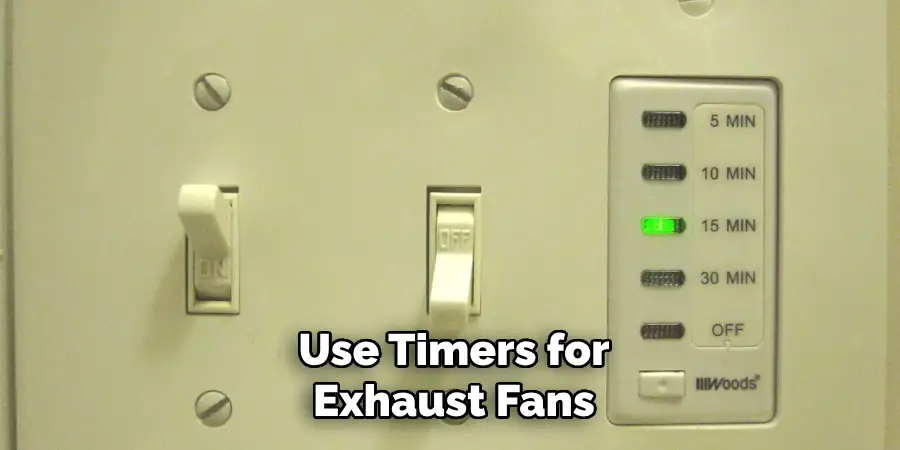
Step 2: Use Timers for Exhaust Fans:
Running the exhaust fan too long wastes energy. Install a timer to ensure it only runs for 10-15 minutes after a shower, which is sufficient to remove moisture effectively. This helps in minimizing unnecessary energy consumption, ensuring the fan operates only when needed.
Step 3: Lower Thermostat in the Bathroom:
Heating the bathroom during winter months consumes energy. Lowering the thermostat by just a few degrees when not in use can lead to noticeable savings. Consider using a small, energy-efficient space heater when extra warmth is needed, ensuring comfort while reducing energy expenditure.
Step 4: Weatherproof Windows and Doors:
Ensure bathroom windows and doors are properly sealed to prevent drafts and heat loss. Adding weather stripping or caulking can prevent cold air from entering and warm air from escaping, thus reducing heating needs. This simple step enhances your bathroom’s energy efficiency, keeping it comfortable while cutting down on heating costs.
Smart Fixtures and Appliances
Step 1: Install a Smart Thermostat:
Smart thermostats allow you to control heating and cooling in your bathroom with precision. They can learn your schedule and automatically lower the temperature when the bathroom isn’t in use, ensuring energy is not wasted during periods of inactivity. With remote control capabilities via smartphones, smart thermostats offer convenience and energy efficiency, reducing overall heating costs.
Step 2: Energy-Efficient Water Heaters:
If your water heater is old, consider upgrading to an energy-efficient model like a tankless or solar water heater. Tankless water heaters only heat water when it’s needed, which can save energy compared to traditional storage water heaters. Solar water heaters harness the power of the sun to heat water, providing an eco-friendly alternative that can lead to substantial savings over time.
Step 3: Low-Energy Heated Towel Rails:
Heated towel rails can add a touch of luxury but can also consume a lot of energy. Look for low-energy or timed models that only operate when needed. These innovative designs ensure your towels are warm while effectively reducing energy consumption, offering a practical and efficient solution for everyday comfort.
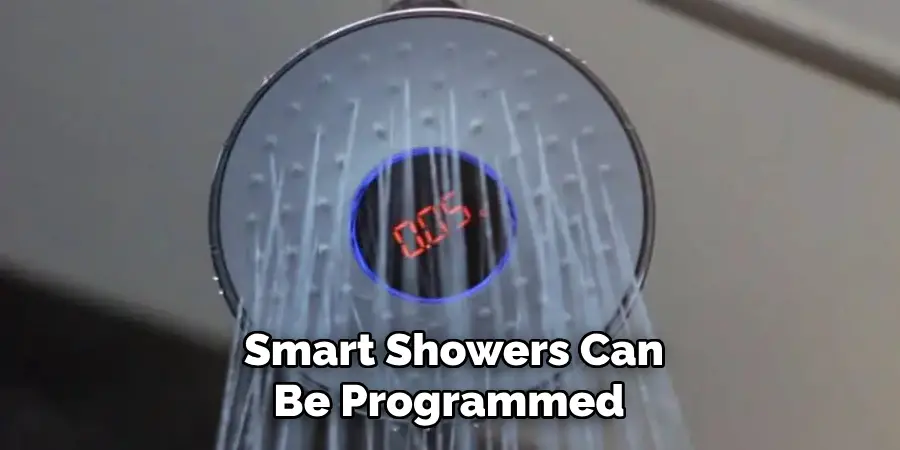
Step 4: Smart Shower Systems:
Smart showers can be programmed to limit water usage, maintain a consistent temperature, or pause water flow while you’re lathering up, minimizing both water and energy use. These systems provide a modern bathing experience that is both resource-conscious and user-friendly, integrating technology seamlessly into your daily routine for optimal efficiency and comfort.
Green Habits for Energy Savings
Implementing green habits in your daily routine can substantially enhance energy savings and reduce your environmental footprint. Start by adopting the simple practice of turning off the water when it’s not in use, such as while brushing your teeth or shaving. This saves a considerable amount of hot water, directly decreasing energy consumption required for heating.
Additionally, consider limiting the frequency of taking baths and opt for shorter showers instead. Baths typically consume a larger volume of hot water compared to showers. By reducing bath times and shower durations, you can achieve significant reductions in both water and energy usage.
Keeping electronics unplugged when they’re not needed, such as electric razors, hair dryers, and toothbrush chargers, can help eliminate “phantom” power drain. This occurs when appliances still consume electricity even when not actively in use, contributing to unnecessary energy waste.
Lastly, use a shower bucket to collect the cold water that flows before the shower heats up. This water can be repurposed for tasks like cleaning or watering plants, helping to minimize overall water and energy waste while promoting an eco-friendly lifestyle. By incorporating these straightforward habits, you contribute to energy efficiency and conservation efforts.
Conclusion
Saving energy in the bathroom is both feasible and impactful through small yet significant changes such as upgrading to energy-efficient fixtures, reducing hot water use, and incorporating smart devices. These efforts not only help lower energy consumption but also reduce water usage, creating a dual benefit for both the environment and your household finances. The importance of these strategies cannot be underestimated; implementing them can lead to substantial savings on utility bills over time, simultaneously shrinking your home’s overall energy demand.
A final tip on how to save energy in the bathroom: whether it’s adapting to a simple habit change or installing a new energy-efficient device, each step taken towards energy efficiency contributes positively. Every action, regardless of scale, accumulates to provide financial savings and lessen your environmental footprint, making your bathroom a model of sustainability.

About
Angela is the chief editor of Indoorense. She began her career as an interior designer before applying her strategic and creative passion to lifestyle and home.
She has close to 15 years of experience in creative writing and online content strategy for housekeeping and cleaning,home decorations as well as other efforts.
She loves her job and has the privilege of working with an extraordinary team. She lives with her husband, two sons, and daughter in Petersburg. When she’s not busy working she spent time with her family.