
Electric blankets are a wonderful way to stay warm during the chilly months, providing comfort and coziness to your evenings. However, it’s crucial to ensure that your electric blanket is functioning safely and effectively. Regularly testing your electric blanket can help prevent hazards such as overheating, short-circuiting, or other malfunctions.
In this guide, we will cover essential steps to test your electric blanket, ensuring it operates properly while keeping you safe and warm. From checking for signs of wear and tear to conducting temperature tests, we will provide you with comprehensive methods to verify your electric blanket’s performance. By following these steps, you can enjoy the comfort of your electric blanket with peace of mind, knowing that it is functioning correctly and safely. In this guide, you’ll learn how to test an electric blanket effectively.
Visual Inspection
Step 1: Examine the Fabric
Begin by visually inspecting the blanket for any visible damage. Look for frayed edges, holes, or burned spots in the fabric. Pay special attention to the areas around the control unit and connections, as these are more susceptible to wear and tear. If you notice any significant damage, it’s best to discontinue use and replace the blanket. Identifying these issues early can prevent further deterioration and potential safety hazards, ensuring your blanket remains in safe working condition.
Step 2: Check the Power Cord
Inspect the power cord for any signs of damage, such as cracks, frays, or exposed wires. A damaged power cord can pose a significant safety risk and may lead to electrical shocks or fires. Ensure the plug is intact and fits securely into outlets. If you find any issues with the cord, do not use the blanket until it has been repaired or replaced. Ignoring such signs could jeopardize your safety, so it’s essential to address them promptly.
Step 3: Assess the Controller
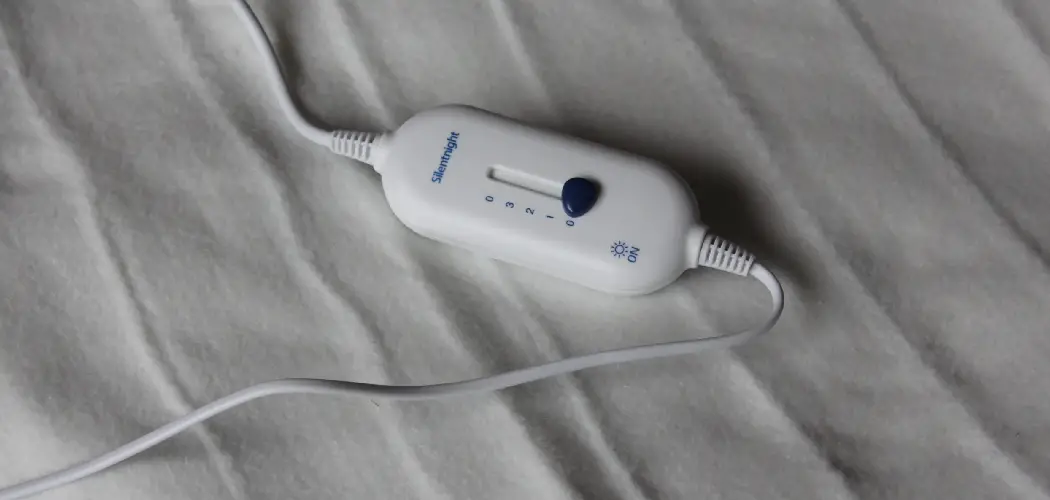
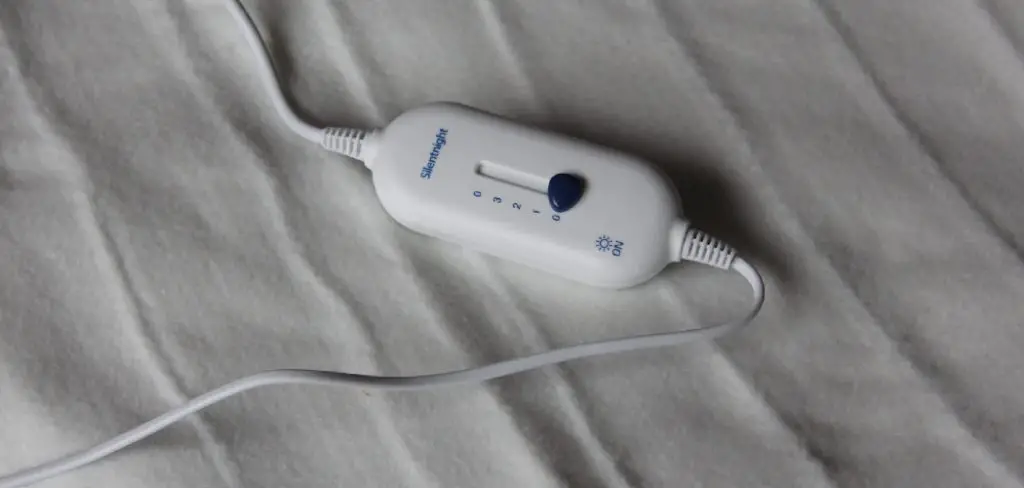
Examine the controller and ensure all buttons and settings are functioning properly. If your electric blanket features multiple heat settings, test each one to verify that it operates smoothly. This step ensures you can easily adjust the temperature for comfort and safety. Look for any signs of damage or wear on the controller, as this can affect the blanket’s performance. A faulty controller may mismanage power distribution, increasing the risk of overheating.
Step 4: Check for Odors
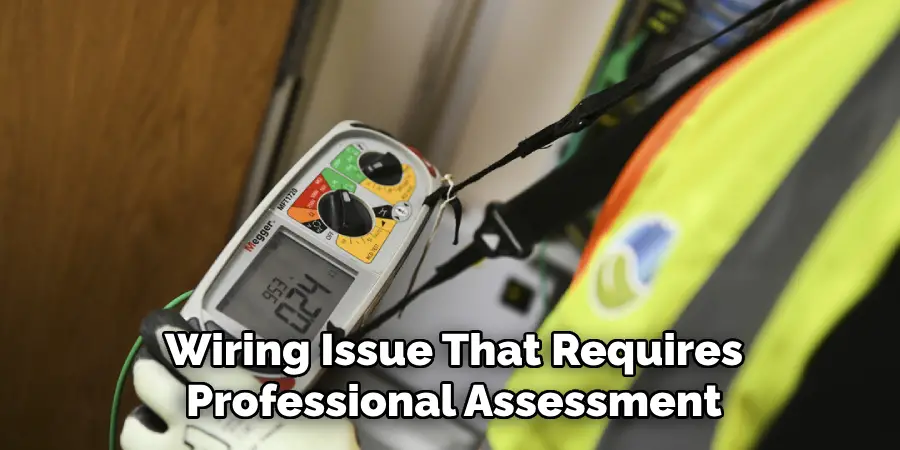
When inspecting your blanket, take a moment to smell for any unusual odors. If you detect a burning smell, discontinue use immediately. This could be a sign of a malfunctioning heating element or wiring issue that requires professional assessment. Paying attention to such odors can help avert critical failures and ensure your electric blanket continues to provide warmth safely.
How to Test an Electric Blanket: Testing the Blanket’s Heating Function
Step 1: Plug It In
Once you’ve completed your visual inspection, plug the electric blanket into a power outlet. To ensure the outlet is functioning correctly, test it with another device, such as a lamp or phone charger. This step verifies that the issue, if any, lies with the blanket rather than the power source. Once confirmed, proceed with testing the blanket.
Step 2: Set the Temperature
Set the electric blanket to its lowest heat setting and allow it to warm up for about 10-15 minutes. This initial phase helps ensure the blanket is operational and that heat is being generated properly. It should begin to feel warm, indicating it is reaching the desired temperature gradually.
Step 3: Check for Consistent Heat
After the warming period, carefully touch the surface of the blanket to check for consistent heat distribution. The blanket should feel warm to the touch but not excessively hot. Any noticeable cold spots may signal a malfunction, suggesting an internal wiring or heating element issue.
Step 4: Increase the Temperature
Increase the temperature setting to medium or high, depending on your blanket’s available options. Allow it to heat for another 10-15 minutes, then re-evaluate the surface. Ensure that the warmth is evenly distributed across the entire blanket. Inconsistent heating at this stage could indicate a need for repair or replacement.
Step 5: Use a Temperature Probe
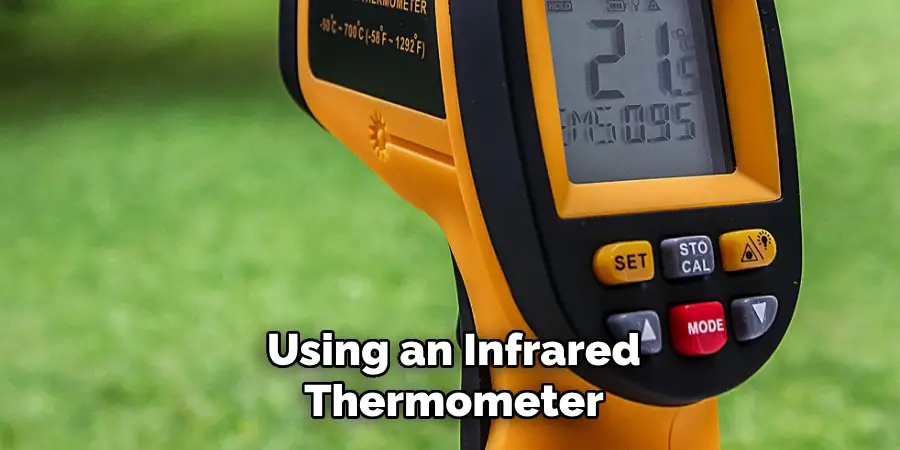
Consider using an infrared thermometer or temperature probe for a more accurate assessment. Gently place the probe on various blanket sections to monitor the temperature. This method provides a precise measurement of the heat output and reveals if the heating elements are functioning evenly. Check that the temperatures fall within the manufacturer’s recommended range to confirm safety and performance.
Step 6: Monitor for Overheating
While the blanket is heating, continuously monitor it for any signs of overheating. If it becomes excessively hot or emits a burning smell, turn it off immediately and discontinue use. Such symptoms can indicate a serious malfunction that requires professional examination. By identifying overheating risks early, you can prevent potential damage or hazards, ensuring your electric blanket remains a safe addition to your home.
Conducting a Safety Test
Step 1: Use a Ground Fault Circuit Interrupter (GFCI)
To enhance safety, connect your electric blanket to a Ground Fault Circuit Interrupter (GFCI) outlet. This outlet type is designed to instantly cut off electricity if it detects minor electrical imbalances, reducing the risk of electric shocks and potential fire hazards. Using a GFCI outlet can provide an extra layer of safety, especially if you use the blanket extensively or in locations prone to moisture.
Step 2: Test the Automatic Shut-Off Feature
Many modern electric blankets incorporate an automatic shut-off function to prevent overheating. To verify this safety feature, set your electric blanket to a high temperature and allow it to operate for the specified duration indicated in the user manual (usually between 1 to 10 hours, depending on the model). Observe whether the blanket powers off automatically after this period, ensuring its internal timer and sensors function as intended.
Step 3: Conduct a Grounding Test
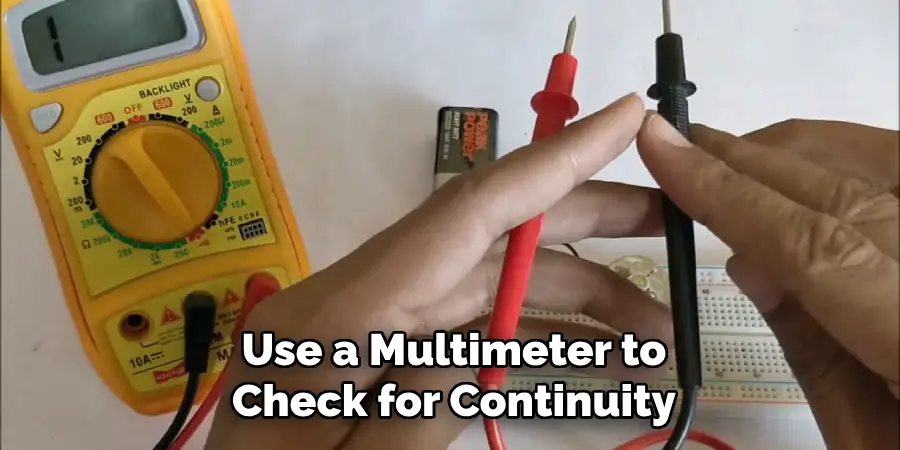
For added safety assurance, perform a grounding test on your electric blanket. Use a multimeter to check for continuity in the blanket’s wiring. Carefully follow manufacturer instructions for grounding tests to confirm that the blanket is securely connected to the electrical system. Proper grounding prevents electrical faults and enhances user protection against electric shocks.
Step 4: Check for Sparks or Fraying
While the blanket is active, stay alert for any abnormal sounds, such as sizzling or crackling noises, which may signify a malfunction. Visually inspect the surface for sparks or fraying, both indicators of wiring issues. Should you detect such problems, immediately switch off the blanket and unplug it, as continued use could elevate risks of injury or fire.
Step 5: Read the User Manual
To ensure comprehensive safety testing, always consult the user manual provided by the manufacturer. These guides contain important model-specific recommendations and testing procedures. Adhering to the manual’s guidelines helps guarantee the electric blanket’s safe and effective operation, prolonging its lifespan and mitigating potential risks. By following these instructions, you maintain peace of mind while enjoying the warmth and comfort of your electric blanket.
Regular Maintenance and Care
Step 1: Follow Washing Instructions
Ensure that you follow the manufacturer’s instructions for washing and maintaining your electric blanket. Many electric blankets are machine washable, but some may require hand washing or dry cleaning. Always detach any electronics or controls before cleaning. Using the correct method prevents damage and prolongs the blanket’s durability, ensuring safe usage.
Step 2: Store Properly
Store your electric blanket in a cool, dry place when not in use. Avoid folding it tightly, as this can damage the internal wiring. Instead, roll or loosely fold the blanket to prevent any unnecessary strain on the heating elements. Proper storage helps maintain the blanket’s integrity and ensures it works efficiently for its next use.

Step 3: Regular Inspections
Make it a habit to inspect your electric blanket periodically. Before each season of use, conduct a thorough visual inspection and test the heating function to verify that it remains in safe working condition. By detecting potential issues early, you can address them promptly, ensuring continued safety and performance.
Step 4: Replace When Necessary
If your electric blanket shows signs of wear, damage, or malfunction, it’s best to replace it. Most electric blankets have a lifespan of around 5-10 years, so keep track of its age and replace it if it’s been used for an extended period. Timely replacement ensures you continue to enjoy warmth safely without compromising your well-being.
Conclusion
Testing your electric blanket regularly is essential for ensuring safe and effective usage. By conducting thorough visual inspections, testing the heating function, and performing safety checks, you can enjoy the warmth and comfort of your electric blanket without concern. Remember to follow manufacturer guidelines for maintenance and care to extend the life of your blanket. Regular inspections and proper storage will help prevent potential hazards and keep your electric blanket in optimal condition.
Ultimately, by being proactive in testing and caring for your electric blanket, you can savor its coziness during the cold months while ensuring your safety and peace of mind. Understanding “how to test an electric blanket” effectively contributes to a secure and comfortable experience, allowing you to feel confident that your blanket is functioning properly.

About
Angela is the chief editor of Indoorense. She began her career as an interior designer before applying her strategic and creative passion to lifestyle and home.
She has close to 15 years of experience in creative writing and online content strategy for housekeeping and cleaning,home decorations as well as other efforts.
She loves her job and has the privilege of working with an extraordinary team. She lives with her husband, two sons, and daughter in Petersburg. When she’s not busy working she spent time with her family.