
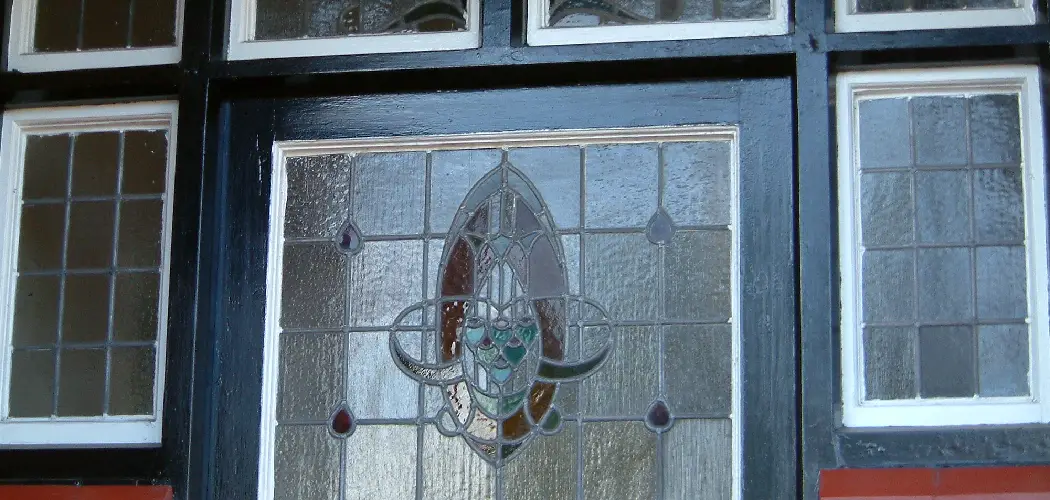
Condensation on your front door can be an annoying and potentially damaging issue, especially during colder months. It occurs when warm, moist air inside the home meets the cold surface of the door, resulting in water droplets forming on the surface. Left untreated, this moisture can lead to problems like mold, mildew, and even wood rot. Understanding the causes of condensation is essential in addressing the issue effectively. From controlling indoor humidity levels to improving insulation and ventilation, several ways exist to reduce or eliminate condensation on your front door.
In this article, we’ll explore practical strategies to prevent condensation on your front door, helping you maintain a dry and comfortable home while protecting your door from moisture-related damage. This guide will equip you with knowledge on how to stop condensation on front door surfaces, ensuring your entryway remains welcoming and in good condition throughout the seasons.
Understanding What Causes Condensation
Condensation is a typical phenomenon that occurs when warm, humid air inside your home encounters a cold surface, like your front door. One of the primary culprits is humidity levels indoors. The higher the humidity within your home, the greater the chance that condensation will form. Managing indoor humidity is crucial, particularly during colder months.
Another factor contributing to condensation is temperature differences. A significant temperature discrepancy between the inside of your home and the outside environment enhances the potential for moisture build-up. When cold outdoor air cools the door’s surface, warm air from the inside meets this chilled surface, resulting in moisture formation.
Insulation and sealing issues around your front door can exacerbate the situation. Ineffective insulation or gaps and cracks in the door frame allow cold air to seep in, cooling the door surface and consequently increasing condensation risk.
Lastly, external weather conditions such as rain, snow, or high humidity levels can make the door’s exterior surface cooler, increasing indoor condensation. Addressing these elements by improving insulation and managing indoor air quality helps mitigate the problem and protect your front door from moisture-related damage.
How to Stop Condensation on Front Door: Lower Indoor Humidity Levels
Step 1: Use a Dehumidifier
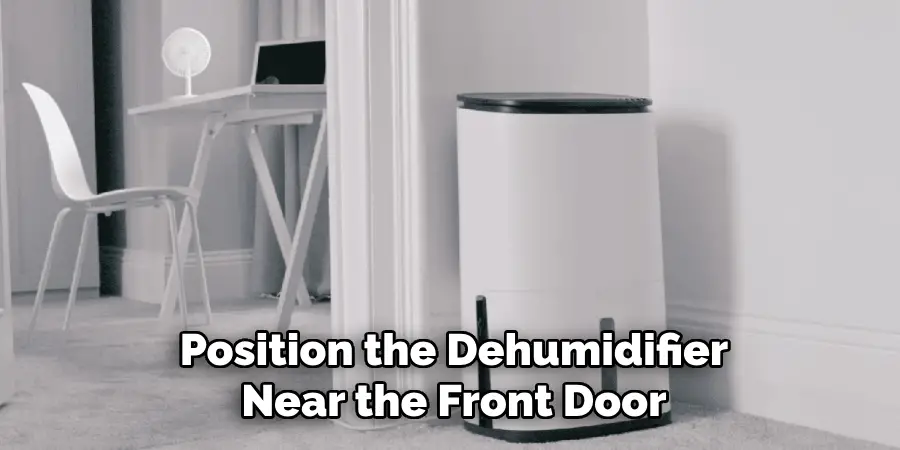
One of the most effective ways to prevent condensation is to lower the humidity levels in your home. A dehumidifier can help remove excess moisture from the air, especially during winter when condensation is more common. Position the dehumidifier near the front door or in rooms where moisture levels are typically higher, such as the kitchen or bathroom. Regularly empty the water collection container and clean the filter to maintain the dehumidifier’s efficiency.
Step 2: Monitor Humidity with a Hygrometer
To manage indoor humidity levels, use a hygrometer to measure the relative humidity in your home. Ideally, the humidity level should be between 30% and 50%. If it’s higher than this, consider using ventilation or moisture control methods to lower it. Hygrometers are readily available and can provide real-time data to help you decide when to employ additional humidity reduction strategies.
Step 3: Ventilate Moisture-Prone Areas
Proper ventilation in rooms that produce a lot of moisture, like the bathroom, kitchen, and laundry room, can help reduce overall humidity. Use exhaust fans to vent steam and moisture outside, ensuring they are clean and unobstructed for optimal function. Additionally, open windows should be installed when possible to improve airflow, and trickle vents should be installed that allow a constant but controllable amount of ventilation.
Step 4: Avoid Drying Clothes Indoors
Drying clothes indoors can significantly increase moisture levels in your home. If possible, dry clothes outside or use a dryer vented to the exterior to keep indoor humidity in check. If you must dry clothes inside, place them in a well-ventilated area and use a dehumidifier to mitigate moisture generated by the drying process.
Step 5: Use Houseplants Wisely
While houseplants are great for air quality, they can also increase humidity levels indoors. If condensation is an issue, consider reducing the number of plants near your front door or moving them to another area of the home. Alternatively, choose plants with lower water requirements or place a small dehumidifier nearby to balance out moisture released into the air.
Improve Insulation and Sealing Around the Door
Step 1: Install Weather Stripping
Gaps around your front door can allow cold air to seep inside, lowering the surface temperature of the door and increasing the chance of condensation. Installing weather stripping around the door frame helps create a tight seal, preventing cold air from entering and warm air from escaping. Replace old or worn-out weather stripping to maintain a good seal. Check for drafts by holding a lit candle or incense stick near the edges of the door. If the flame flickers, a draft may need to be addressed.

Step 2: Add a Door Sweep
A door sweep is a strip of rubber or brush material that attaches to the bottom of the door to block drafts from underneath. This simple addition can help reduce the cold air entering from below the door, further reducing the chances of condensation. Door sweeps are easy to install and can be a cost-effective way to enhance the barrier against outside temperatures.
Step 3: Insulate the Door Itself
If your front door is not insulated or is made of a material that gets cold easily, such as metal, consider adding insulation. If applicable, you can install an insulating door blanket or apply an insulating film to any glass panes to prevent heat transfer and reduce condensation. These solutions help retain warmth on the interior side of the door, minimizing the conditions that lead to moisture formation.
Step 4: Install a Storm Door
Installing a storm door can provide an additional barrier between the cold outside air and the warm inside air. The storm door acts as an insulator, keeping the surface of the front door warmer and reducing the potential for condensation. It also offers enhanced protection against harsh weather conditions, contributing to energy efficiency and comfort in your home.
Step 5: Seal Gaps and Cracks
Inspect the door frame for gaps, cracks, or holes that allow cold air in. Use a caulk to seal any cracks around the door frame, and make sure the threshold is properly sealed to prevent air leakage. Paying attention to these details ensures that your home remains insulated and minimizes the risk of condensation forming on your front door.
Increase Air Circulation Near the Door
Step 1: Open Interior Doors
Increasing air circulation near the front door can help reduce condensation. One way to do this is by keeping interior doors open, which allows warm air to flow freely and prevents cold spots near the door. By ensuring that warm air can reach the entryway, you create a more uniform temperature which decreases the likelihood of condensation forming on cold surfaces.

Step 2: Use Ceiling Fans
Ceiling fans are not just for cooling in the summer—they can also help distribute warm air in the winter. Set the fan to rotate clockwise at a low speed to push warm air down from the ceiling, which helps to evenly distribute heat and reduce condensation around the front door. This gentle circulation ensures that warm air disperses throughout the room, combating cold pockets that contribute to moisture buildup.
Step 3: Install a Ventilation Fan
If condensation on your front door is a persistent problem, consider installing a small ventilation fan near the entryway. This will improve airflow and help keep the area dry. A fan that exhausts the outside can also help manage humidity levels by expelling moist air out of your home. Proper ventilation is crucial in maintaining air quality and preventing surface moisture accumulation.
Step 4: Rearrange Furniture
Check if any large pieces of furniture are blocking airflow near the front door. If so, rearrange them to allow better air circulation, ensuring that the warm air in your home reaches the front door area. Improving the furniture layout can facilitate effective airflow, reduce cold spots, and lower the risk of condensation forming in areas adjacent to the entryway.
Use a Door Curtain or Thermal Drapes
Step 1: Hang a Door Curtain
Another effective way to reduce condensation is by using a door curtain. Hanging a heavy, insulated curtain over the door helps keep cold air from reaching the warm interior. Door curtains are especially useful for older doors that may lack proper insulation. They act as an added layer of defense against the chilling effects of outdoor temperatures, effectively maintaining warmth inside your home.

Step 2: Choose Thermal Drapes
If your front door has glass panes or sidelights, thermal drapes can help keep the cold air from cooling the surface and causing condensation. These drapes are designed to insulate and reduce heat transfer, keeping the area around the door warmer. Available in various styles and colors, thermal drapes are both a practical and stylish solution to enhance home insulation and curb condensation issues.
Step 3: Close Curtains at Night
Close the door curtain or thermal drapes at night when temperatures drop. This will create a barrier that keeps warm air inside and cold air outside, reducing the risk of condensation forming on the door surface. By blocking drafts and minimizing temperature variances, you prevent the conditions that encourage moisture buildup. Regularly using curtains or drapes in this manner can make a significant difference in maintaining a comfortable and dry entryway environment.
Conclusion
Condensation on your front door can be a persistent issue, but it’s possible to reduce or even eliminate it with the right strategies. Understanding how to stop condensation on front door surfaces involves a multi-faceted approach. You can create a more comfortable and dry environment by lowering indoor humidity levels, improving insulation, increasing air circulation, and using door curtains or thermal drapes.
Taking the time to properly seal gaps and cracks, install weather stripping, and control indoor moisture will prevent condensation and improve your home’s energy efficiency. With these simple yet effective solutions, you can protect your front door from moisture damage and maintain a welcoming entryway all year long. Implementing these measures addresses condensation issues and enhances your living space’s overall comfort and efficiency.

About
Angela is the chief editor of Indoorense. She began her career as an interior designer before applying her strategic and creative passion to lifestyle and home.
She has close to 15 years of experience in creative writing and online content strategy for housekeeping and cleaning,home decorations as well as other efforts.
She loves her job and has the privilege of working with an extraordinary team. She lives with her husband, two sons, and daughter in Petersburg. When she’s not busy working she spent time with her family.