

Condensation from a tumble dryer can be a common nuisance, leading to dampness and potential mold issues in your home. Understanding the causes of condensation and implementing effective solutions can help maintain a dry and healthy living environment. Whether you have a vented or condenser dryer, there are simple steps you can take to minimize condensation and ensure your dryer operates efficiently.
This guide on how to stop condensation from tumble dryer will provide practical tips and recommendations to prevent condensation, improving both the performance of your appliance and the air quality in your home.
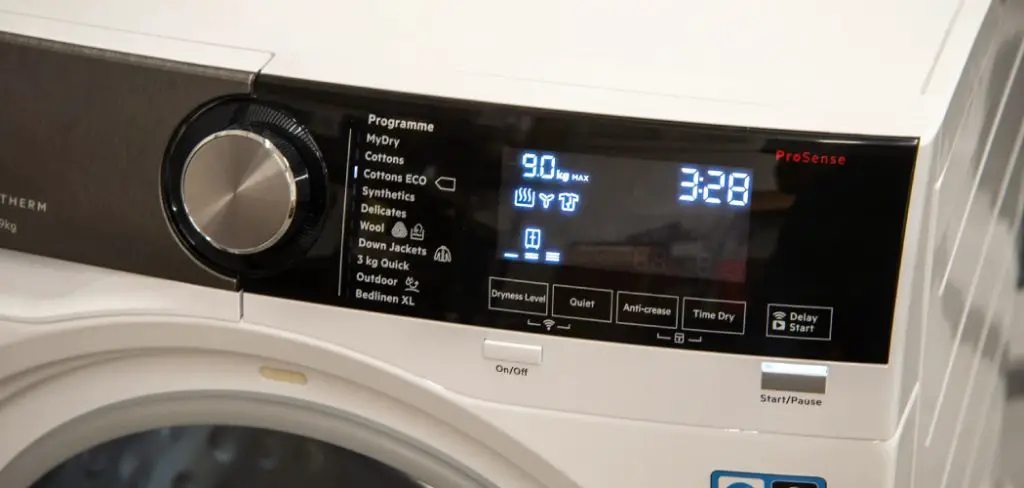
Why Does Condensation Occur?
Before we delve into the tips and solutions to stop condensation from a tumble dryer, it’s important to understand why this issue occurs in the first place. Condensation is formed when warm, moist air comes into contact with a cold surface, causing the moisture in the air to turn into water droplets. In the case of a tumble dryer, this can happen when hot and humid air from the drying cycle meets the colder surfaces of walls or windows in your home.
The amount of condensation produced by your dryer can vary depending on factors such as the type of dryer you have, how often you use it, and how well-ventilated your laundry room or space is. The good news is that with the right preventive measures, you can significantly reduce the amount of condensation and its negative effects.
Needed Materials
- Vent Kit (for Vented Dryers)
- Dehumidifier
- Ducting Hose (for Condenser Dryers)
- Thermal Insulation Tape
- Vent Hose Adaptor
8 Step-by-step Guidelines on How to Stop Condensation From Tumble Dryer
Step 1: Ensure Adequate Ventilation
The first step in preventing condensation from your tumble dryer is to ensure that the area where your dryer is located has adequate ventilation. This is crucial for both vented and condenser dryers. Begin by checking that any existing vent or window is open and allowing air to circulate freely. If possible, leave a window ajar during and after the drying cycle to let out the warm, moist air.
For rooms without windows, consider installing an extractor fan to help pull out humid air and bring in fresh air. Ensuring proper ventilation not only helps mitigate condensation but also improves the overall air quality, thus keeping your living environment more comfortable and healthy.
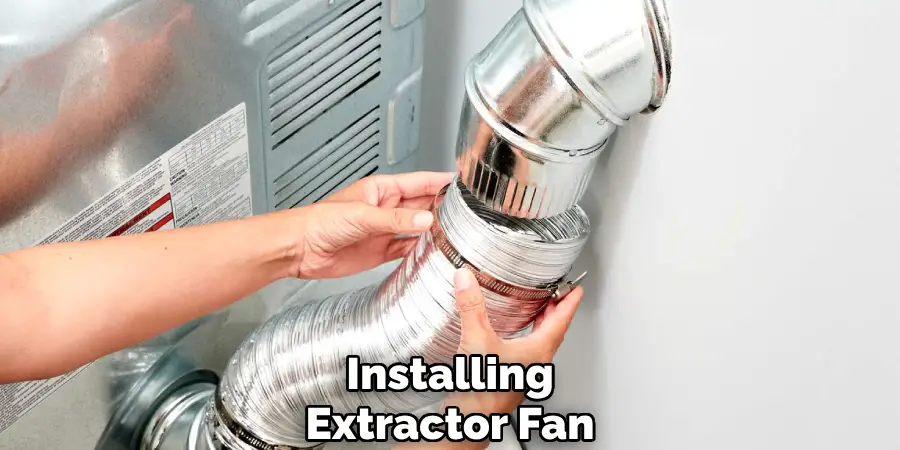
Step 2: Check the Vent Hose and Ducting
If your tumble dryer has a vent hose, make sure it is not kinked or obstructed in any way. A damaged or clogged vent hose can restrict air flow, causing excess moisture to build up inside the dryer and escape into your home. To prevent this, regularly inspect and clean the vent hose to ensure it is in good condition.
For condenser dryers, check the ducting for any blockages or obstructions. This is especially important if you have pets that shed fur, as it can easily get stuck in the ducting. Clear out any debris from the ducting to allow proper airflow.
Step 3: Use a Vent Kit (for Vented Dryers)
If you have a vented tumble dryer, it is essential to use a vent kit to direct the moist air outside. A vent kit typically includes a vent hose and an adaptor that connects to your dryer’s exhaust outlet. Make sure to install the vent hose correctly and seal any gaps with thermal insulation tape to prevent escaped air from re-entering your home.
It’s also essential to regularly check and clean the vent kit to ensure it is functioning properly and not causing any condensation build-up.
Step 4: Invest in a Dehumidifier
A dehumidifier can be a valuable tool in preventing condensation from your tumble dryer. It works by extracting excess moisture from the air, helping to reduce humidity levels in your home quickly. Place the dehumidifier near your dryer and turn it on during and after each drying cycle to help remove any lingering moisture.
The type of dehumidifier you choose will depend on the size of your space, but consider one with a built-in humidistat to regulate humidity levels automatically.
Step 5: Dry Clothes Outdoors
One way to significantly reduce condensation from your tumble dryer is by drying clothes outdoors. Hang them on a clothesline or use a drying rack in an open area where air can circulate freely. This not only eliminates the need to use the dryer but also helps keep excess moisture outside.
If hanging clothes outdoors isn’t possible, consider using a foldable indoor drying rack near an open window to allow for proper ventilation.
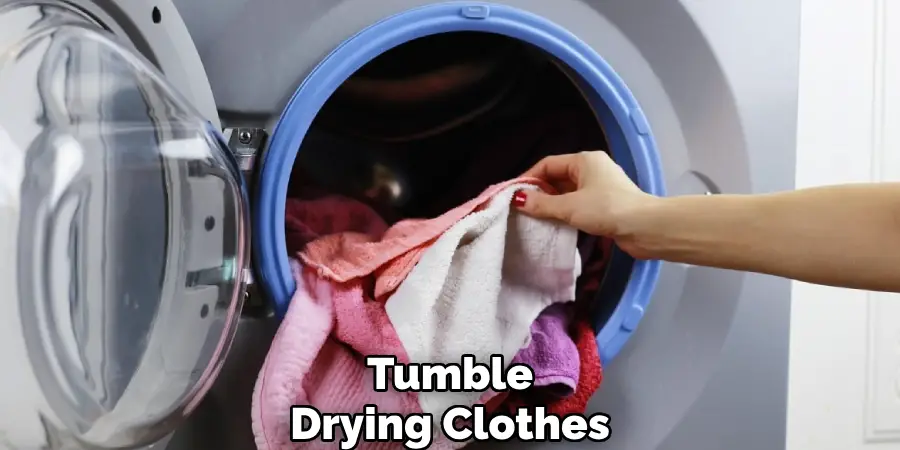
Step 6: Run Your Dryer at Optimal Times
Running your tumble dryer during the evening or at night can contribute to excess condensation, particularly in colder months. This is because the temperature difference between the warm air from your dryer and the colder outdoor air can cause more moisture to form on windows and walls.
To avoid this, try to run your dryer during warmer parts of the day when outside temperatures are closer to that of your home’s interior.
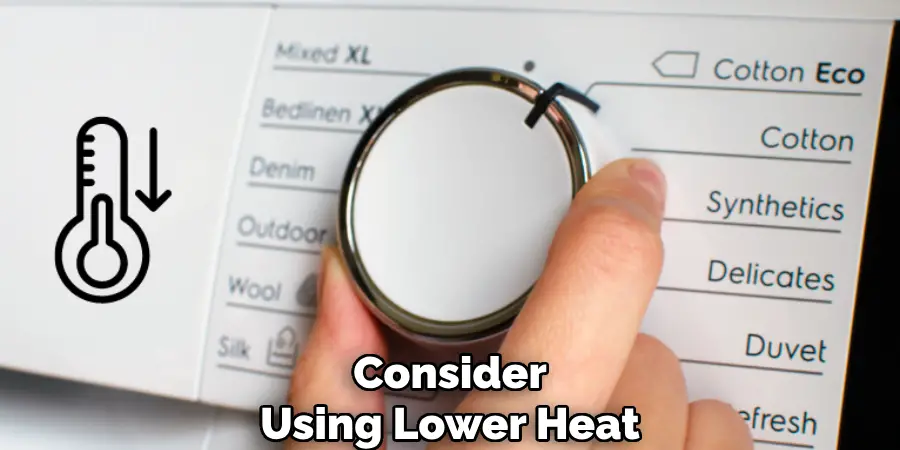
Step 7: Use Lower Heat Settings
Using high heat settings on your tumble dryer can create more steam, leading to increased condensation. Consider using lower heat settings and allowing clothes to dry for longer if necessary. This helps reduce the amount of water vapor produced, thus decreasing the chances of condensation occurring.
The added bonus of using lower heat is that it can also save energy and money on your electricity bill.
Step 8: Regularly Clean and Maintain Your Dryer
Last but not least, regularly cleaning and maintaining your tumble dryer can prevent condensation and ensure its optimal performance. Remove any lint or debris from the lint trap after each drying cycle, as a clogged lint trap can restrict airflow and cause moisture build-up.
Also, inspect the interior of your dryer for any signs of mold or mildew growth, which can contribute to excess moisture. If you notice any issues, clean the interior with a mild detergent or use a specialized cleaner designed for dryers.
Following these guidelines on how to stop condensation from tumble dryer and being mindful of proper maintenance can go a long way in preventing condensation from your tumble dryer. By taking the necessary steps, you can enjoy dry clothes without worrying about excess moisture causing damage to your home. So don’t wait, start implementing these tips today for a healthier, more comfortable living environment.

Additional Tips
- Consider investing in a vented tumble dryer if you have the option. Vented dryers release moist air directly outside, significantly reducing the risk of condensation.
- Place a towel or mat underneath your tumble dryer to catch any excess water that may drip from wet clothes.
- If using a condenser dryer, make sure to regularly empty and clean the water tank as recommended by the manufacturer.
- Keep doors closed while running your tumble dryer to prevent moisture from spreading to other rooms. Remember to open windows after use for ventilation.
- Regularly check and clean the exterior exhaust vent of your vented dryer to ensure it is not clogged with lint or debris.
- Install a moisture barrier behind your dryer, such as a sheet of plastic or aluminum foil, to prevent moisture from seeping into the walls.
- If you live in an area with high humidity levels, consider using a portable air conditioner or opening windows and doors to improve cross-ventilation while the dryer is running. Do not use the air conditioning vent as a source of ventilation for your tumble dryer.
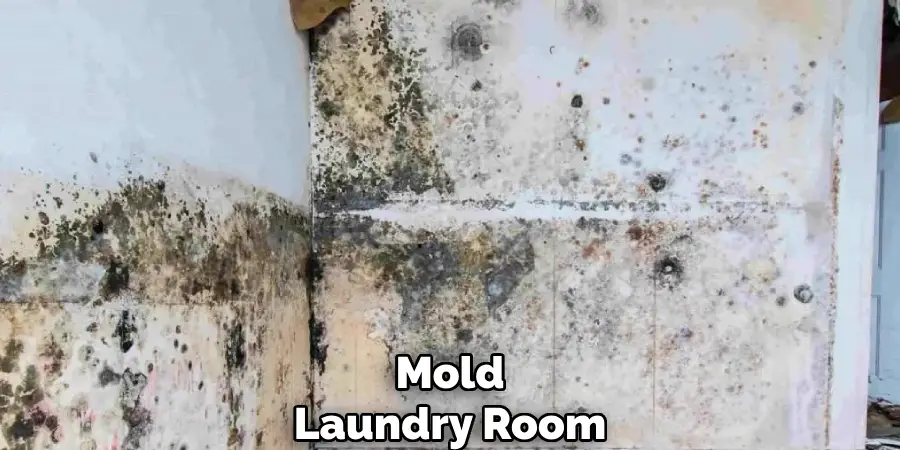
- If you notice any signs of mold or mildew in your laundry room, address it immediately to prevent further condensation issues.
- When drying heavy or bulky items, such as towels or blankets, consider adding a dry towel or large dry rag to help absorb excess moisture.
- If you have a heat pump tumble dryer, make sure the outdoor unit is clean and free of debris to ensure proper airflow and functioning.
- If condensation continues to be an issue despite following these steps, consult a professional for further advice. They may recommend installing additional ventilation or insulation in your laundry room.
Frequently Asked Questions
Q: Can I Stop Condensation From My Tumble Dryer Without Using a Vent Kit?
A: For vented dryers, it is not recommended to use the dryer without a vent kit as this can lead to moisture build-up and cause damage to your home. However, for condenser dryers, proper ventilation can still be achieved through regular cleaning of the ducting and using a dehumidifier.
Q: How Often Should I Clean My Dryer to Prevent Condensation?
A: It is recommended to clean your dryer’s lint trap after every drying cycle and inspect the interior for any signs of mold or mildew growth at least once a month. This will help maintain proper airflow and prevent excess moisture build-up. Additionally, schedule a professional maintenance check-up for your dryer at least once a year.
Q: Can Using Lower Heat Settings on My Dryer Affect Its Performance?
A: While lower heat settings may take longer to dry clothes, it can prevent excess steam and reduce the chances of condensation. It is also more energy-efficient and can save you money on your electricity bill. However, make sure to always follow the manufacturer’s recommendations for your specific dryer model.
Q: Is a Dehumidifier Necessary Even If I Follow All Other Steps?
A: A dehumidifier can be an effective tool in preventing condensation from a tumble dryer, especially if you live in a high-humidity environment. It is not necessary, but it can provide added protection and help maintain a comfortable level of humidity in your home.
Conclusion
In conclusion, preventing condensation from your tumble dryer involves a combination of proper installation, regular maintenance, and strategic usage. By implementing the steps detailed in this guide on how to stop condensation from tumble dryer—such as using a vent kit, investing in a dehumidifier, drying clothes outdoors when possible, and maintaining your dryer—you can effectively reduce the risk of excess moisture in your home.
These practices not only help to protect your property from potential damage but also enhance the efficiency and longevity of your dryer. By staying proactive and mindful of how you use and care for your dryer, you can ensure a healthy, comfortable living environment.

About
Angela is the chief editor of Indoorense. She began her career as an interior designer before applying her strategic and creative passion to lifestyle and home.
She has close to 15 years of experience in creative writing and online content strategy for housekeeping and cleaning,home decorations as well as other efforts.
She loves her job and has the privilege of working with an extraordinary team. She lives with her husband, two sons, and daughter in Petersburg. When she’s not busy working she spent time with her family.