
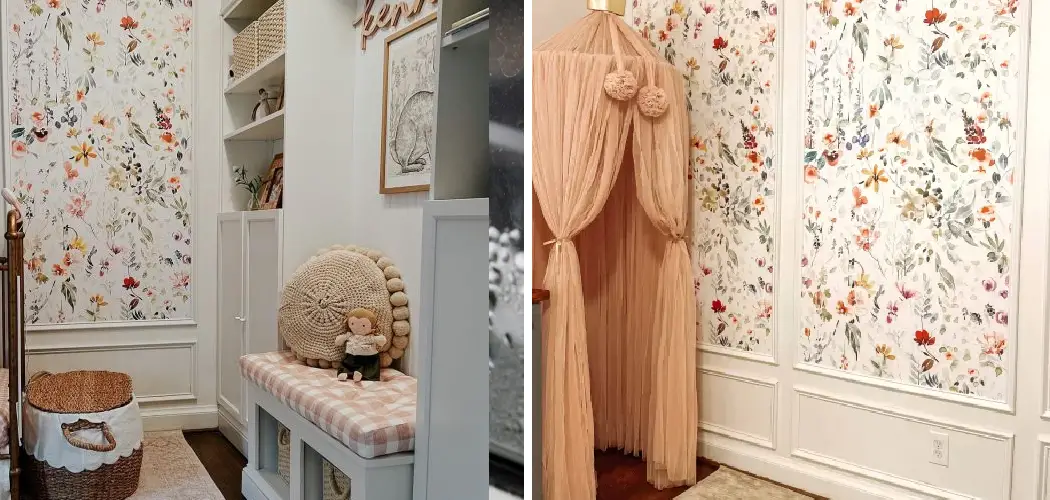
Framing wallpaper is an innovative way to add a touch of personal flair and sophistication to any space. Whether you want to showcase a vintage pattern, incorporate a pop of color, or create an artful focal point, framed wallpaper offers versatility and style. This guide will walk you through how to frame wallpaper, highlighting essential materials, techniques, and tips to help you achieve a stunning result.
Whether you are working with leftover wallpaper pieces or commissioning a special design, framing wallpaper can elevate your home décor in a unique and creative way.
Why Frame Wallpaper?
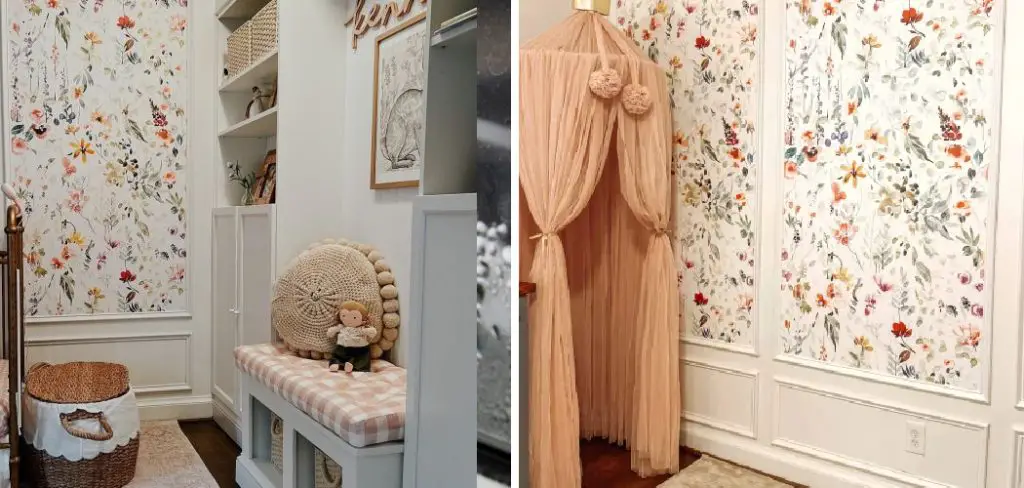
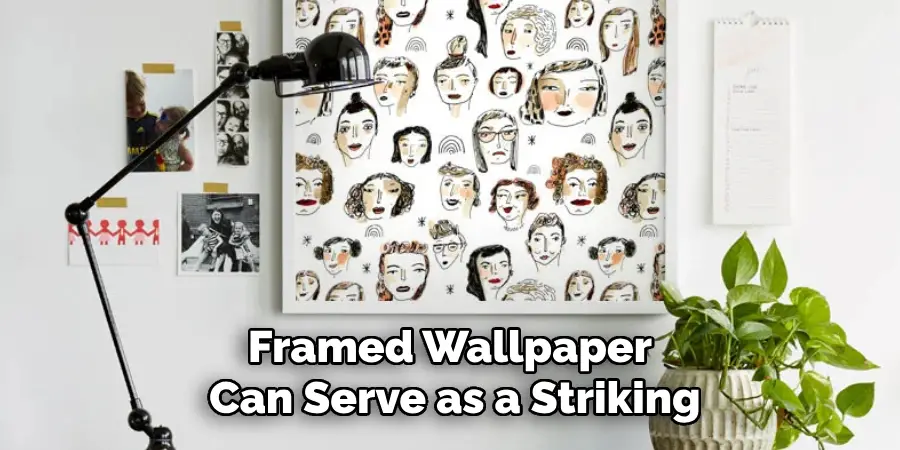
Framing wallpaper can transform your living space in several unique ways. First and foremost, it allows you to preserve and highlight patterns that hold sentimental value or represent particular aesthetic preferences. Framed wallpaper can serve as a striking piece of artwork, offering a focal point that draws attention and adds depth to a room. Additionally, it’s an excellent solution for those who may not want to commit to wallpapering an entire wall, allowing for personalization without permanence.
Framed wallpaper can also be easily switched out, offering the flexibility to refresh a room’s look with changing seasons or trends. Lastly, it provides a creative opportunity to repurpose leftover wallpaper or small samples that might otherwise go unused.
Choosing the Right Wallpaper
Selecting the right wallpaper is a crucial step in ensuring your framed piece becomes a captivating element of your décor. Begin by considering the room’s overall scheme and color palette. Choose a wallpaper pattern that complements or contrasts effectively with existing elements, like furniture and paint. For a bold statement, opt for vibrant patterns or large prints that will draw the eye immediately. Alternatively, subtle textures and muted tones can add a touch of elegance without overshadowing other room features.
If you’re drawn to historical or period designs, vintage wallpapers add character and charm, infusing your space with stories from a past era. Additionally, consider the finish of the wallpaper—whether glossy or matte—as this can affect how the light interacts with the print when framed. Lastly, think about the size of the frame in relation to the wallpaper pattern; make sure the scale of the design suits the dimensions of your frame to enhance the visual impact.
10 Methods How to Frame Wallpaper
1. Select the Right Wallpaper for Framing
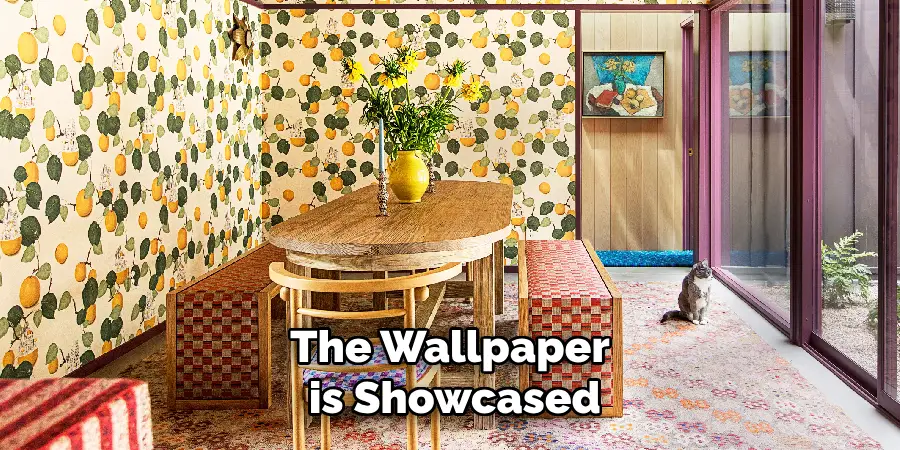
The first step to successfully framing wallpaper is selecting a design that suits the purpose of the frame. Some wallpapers work better as framed art than others. Bold patterns, intricate designs, or large motifs often make for striking framed pieces. Alternatively, wallpapers with metallic accents or textured finishes can add depth and dimension when framed. Consider the room’s aesthetic and choose wallpaper that complements the space. Whether it’s a geometric pattern, floral print, or vintage design, make sure the scale and color of the wallpaper enhance the overall vibe of your decor.
2. Measure and Cut the Wallpaper to Size
Once you’ve chosen your wallpaper, it’s essential to measure and cut it accurately for framing. Start by determining the size of the frame you plan to use and carefully measure the wallpaper to fit. Be sure to leave a slight margin for trimming, as this will allow for precision once the wallpaper is placed in the frame. Use a ruler or straight edge to make clean, even cuts. A rotary cutter or a sharp utility knife works best for cutting wallpaper without causing fraying or tears.
For large or complex patterns, consider cutting the wallpaper in sections that complement the design and maintain symmetry.
3. Choose the Right Frame Style
The frame you select will play a significant role in how the wallpaper is showcased. For a modern and minimalist look, opt for a simple frame with clean lines, such as a thin black or white metal frame. If you want to add a vintage or rustic charm, choose a frame with distressed wood or ornate detailing. When framing wallpaper, make sure the style and color of the frame don’t overpower the wallpaper pattern. If you’re working with bold or colorful wallpaper, a neutral frame can balance the overall design, while a decorative frame can enhance simpler patterns.
4. Add a Mat for an Elegant Touch
Adding a mat to your framed wallpaper can elevate its look and give it a gallery-like feel. Mats create a visual boundary between the wallpaper and the frame, offering a more refined presentation. Choose a mat color that complements the wallpaper—white or cream mats offer a classic look, while colored mats can enhance specific hues in the wallpaper. Mats are especially useful for framing smaller wallpaper sections or intricate patterns, as they draw attention to the design. For larger wallpaper pieces, a wide mat can make the artwork feel more balanced within the frame.
5. Mount the Wallpaper on Foam Board
For a sleek and professional look, consider mounting the wallpaper onto foam board before framing. Foam board provides a sturdy backing that prevents the wallpaper from warping or buckling inside the frame. To mount the wallpaper, cut a piece of foam board to the exact size of the frame. Then, use spray adhesive to carefully attach the wallpaper to the foam board, smoothing out any wrinkles or air bubbles as you go. This method creates a flat, smooth surface that ensures the wallpaper stays in place and maintains its integrity over time.
6. Use Plexiglass for Lightweight Framing
If you’re looking for a lighter alternative to traditional glass, consider using plexiglass to frame your wallpaper. Plexiglass is shatterproof and much lighter than regular glass, making it a practical choice for larger wallpaper frames or for hanging artwork in high-traffic areas where accidents might occur. It also reduces glare, ensuring that the wallpaper’s design remains visible from every angle. When using plexiglass, make sure to handle it carefully to avoid scratches, and choose high-quality, UV-resistant plexiglass to prevent fading of the wallpaper over time.
7. Create a Multi-Panel Display
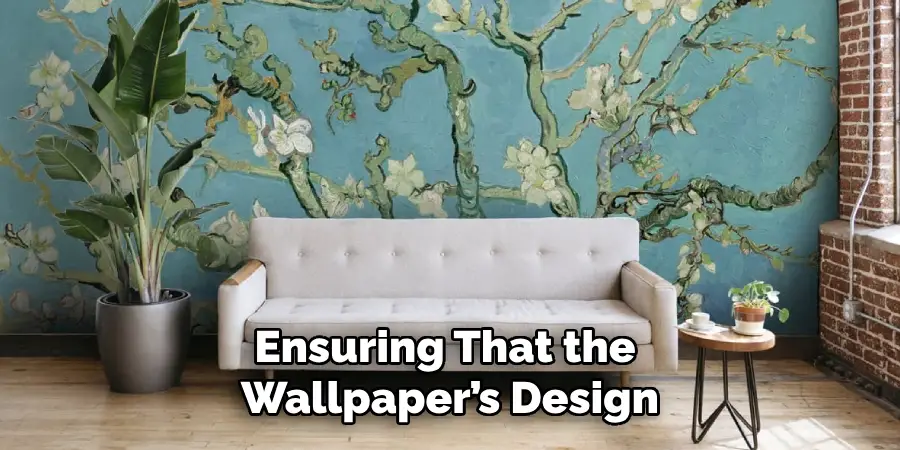
Framing wallpaper doesn’t have to be limited to a single frame. For a dynamic and modern look, consider creating a multi-panel display by dividing the wallpaper into sections and framing each one individually. This method works especially well for large patterns or murals that you want to showcase in a unique way. Arrange the frames in a grid or staggered pattern on the wall to create a cohesive visual impact. Multi-panel displays can transform wallpaper into an art installation, allowing you to highlight different parts of the pattern and add movement to the design.
8. Seal the Wallpaper with a Protective Finish
To ensure your framed wallpaper remains in good condition, consider sealing it with a protective finish before placing it in the frame. Sealing the wallpaper can prevent it from fading, yellowing, or becoming damaged by moisture. A clear acrylic spray or Mod Podge can be applied over the wallpaper to create a protective layer. Be sure to apply the sealer in thin, even coats to avoid streaks or bubbles. This step is particularly important if you’re framing wallpaper in a room with high humidity, such as a bathroom or kitchen.
9. Use Shadow Box Frames for Textured Wallpaper
If you’re framing wallpaper with a textured or 3D design, a shadow box frame is an ideal option. Shadow boxes provide extra depth between the glass and the backing, allowing textured wallpapers to stand out without being pressed flat. This is particularly useful for wallpapers with raised elements, like embossed patterns or flocked designs. The added depth of a shadow box frame enhances the texture and gives your framed wallpaper a more dramatic and sculptural appearance. When selecting a shadow box, make sure it’s deep enough to accommodate the thickness of the wallpaper while still providing a clear view of the pattern.
10. Hang Wallpaper Fragments with Clips or Ribbons
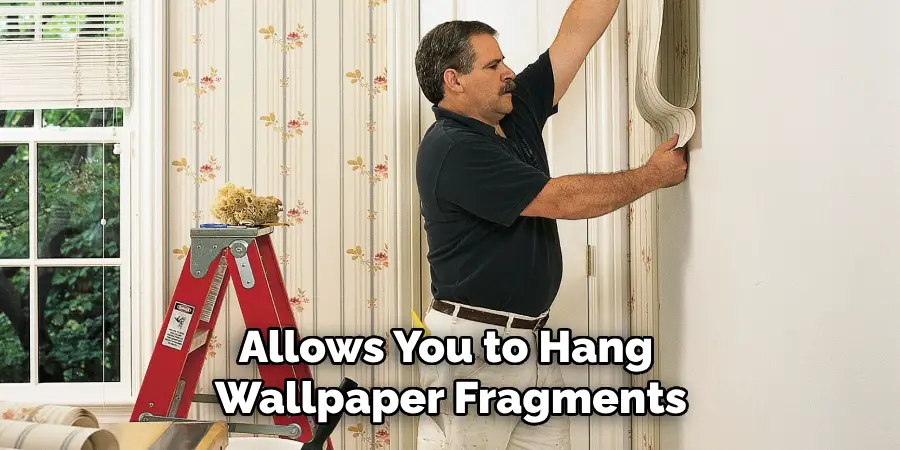
For a more casual or flexible approach to framing wallpaper, consider using clips or ribbons instead of traditional frames. This method allows you to hang wallpaper fragments in a way that’s easy to switch out and rearrange. Simply cut the wallpaper to your desired size and attach it to a piece of sturdy backing, such as cardboard or foam board. Then, use decorative clips, ribbons, or strings to hang the piece on the wall. This method works well for smaller wallpaper fragments or samples, offering a whimsical, DIY feel that’s perfect for informal spaces or eclectic decor styles.
Conclusion
Framing wallpaper is a versatile and stylish way to incorporate beautiful patterns and designs into your home without committing to permanent wallpapering. Whether you’re showcasing bold prints, textured designs, or subtle patterns, these ten methods will help you frame wallpaper with precision and creativity. From selecting the right frame and mat to experimenting with multi-panel displays or shadow boxes, each technique offers a unique way to present your wallpaper as an eye-catching work of art.
Thanks for reading, and we hope this has given you some inspiration on how to frame wallpaper!

About
Angela is the chief editor of Indoorense. She began her career as an interior designer before applying her strategic and creative passion to lifestyle and home.
She has close to 15 years of experience in creative writing and online content strategy for housekeeping and cleaning,home decorations as well as other efforts.
She loves her job and has the privilege of working with an extraordinary team. She lives with her husband, two sons, and daughter in Petersburg. When she’s not busy working she spent time with her family.