
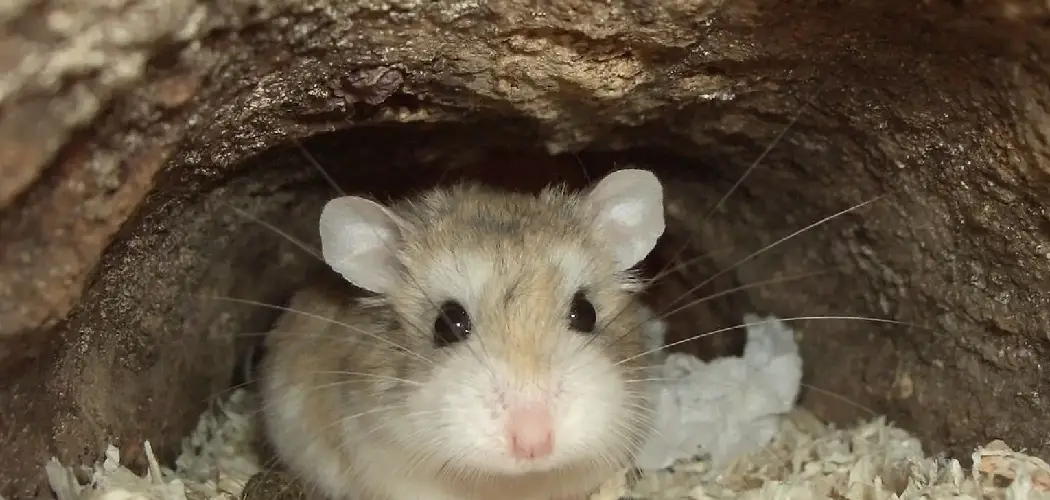
Rats can pose significant challenges when they invade a home, causing structural damage and posing health risks due to their droppings and possible parasite transmission. One of the initial signs of a rat infestation is the appearance of rat holes in and around the house. These holes serve as entry and exit points for rodents, allowing them access to shelter and food.
To prevent further damage and maintain a healthy living environment, it is crucial to address these rat holes promptly and effectively. This guide on how to fix rat holes in house will provide a step-by-step approach to identifying, repairing, and preventing rat holes, ensuring that your home remains safe and secure.
What is a Rat Hole?
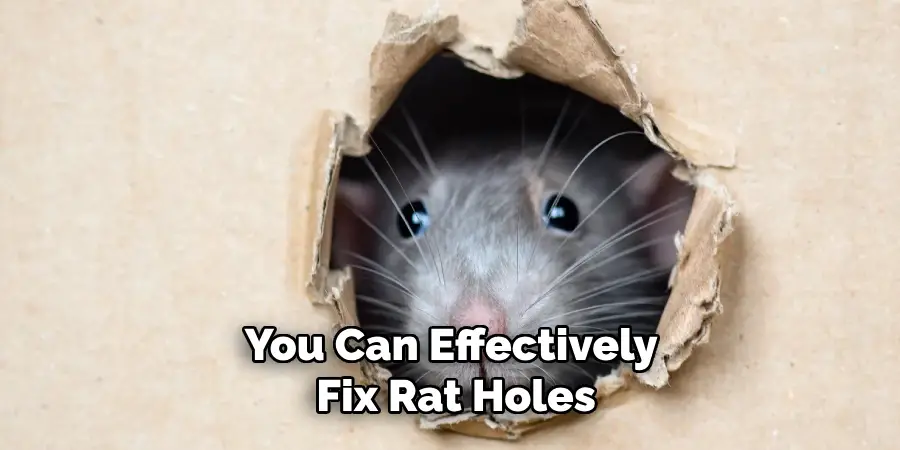
A rat hole is a small opening in or around the house created by rats to gain access to shelter and food. These holes can be found in various areas, such as walls, floors, ceilings, foundations, and even furniture. They are typically 1-2 inches wide and have rough edges due to the rodents’ constant gnawing.
It is essential to identify and address these holes as soon as possible, as they can quickly become entry points for other pests and cause further damage to the property.
Needed Materials
Before starting the process of fixing rat holes, it is essential to gather the necessary materials to ensure a thorough and long-lasting repair. These materials include:
Protective Gear:
When dealing with rat holes, it is essential to protect yourself from any potential health hazards. Wear gloves, a face mask, and protective eyewear before starting the repair process.
Tools:
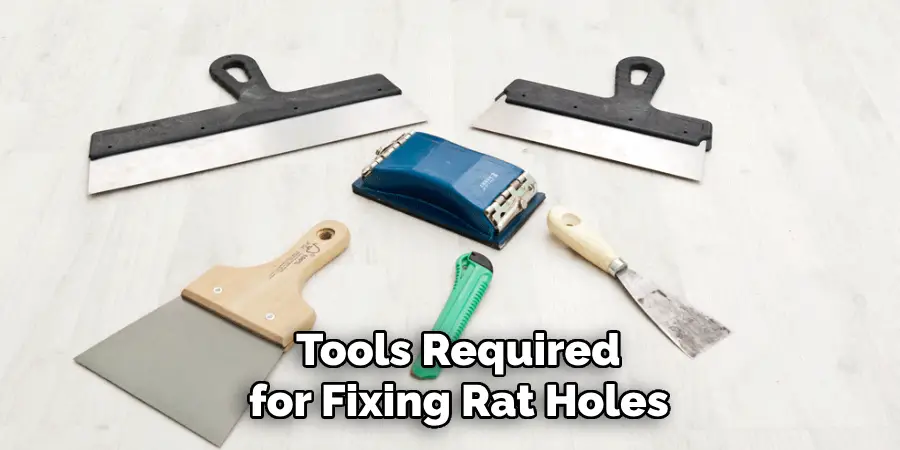
The tools required for fixing rat holes may vary depending on the location and size of the hole. However, some essential tools include a hammer, chisel, wire mesh or steel wool, caulking gun, and expanding foam insulation.
Cleaning Supplies:
After sealing the rat hole, it is crucial to clean the surrounding area thoroughly to prevent attracting other pests or rodents. Some suggested cleaning supplies include disinfectant spray, bleach solution, and trash bags.
8 Step-by-step Guidelines on How to Fix Rat Holes in House
Step 1: Identify the Holes
The first critical step in fixing rat holes is accurately identifying all potential entry points in and around your home. Begin by carefully inspecting common areas where rats are likely to create holes, such as basements, attics, garages, walls, and under cabinets. Pay close attention to any signs of gnawing, droppings, or unusual sounds, as these can indicate active rat activity. Look for holes and gaps approximately 1-2 inches in diameter with rough edges.
In some cases, a flashlight can be helpful for examining dark, hard-to-reach areas where rat holes might go unnoticed. Document each hole’s location to ensure comprehensive coverage during the repair process. Identifying all rat holes is essential to effectively eliminating entry points and preventing future infestations.
Step 2: Seal Small Holes with Expanding Foam Insulation
For small holes, typically less than an inch in diameter, expanding foam insulation can be a quick and effective solution. This material expands when applied and hardens to fill the hole completely, preventing rats from entering. Follow the manufacturer’s instructions for proper application, wear protective gear, and allow sufficient time for the foam to dry and cure.
The expanding foam insulation method is not suitable for larger holes, as rats can quickly chew through the material to create a new entry point. For larger holes, proceed to step 3.
Step 3: Use Steel Wool or Wire Mesh for Larger Holes
For larger holes that cannot be sealed with expanding foam insulation, steel wool or wire mesh can serve as an effective barrier against rodents. These materials are difficult for rats to chew through and can be cut to fit the hole’s size and shape. Use a hammer and chisel to create a snug fit around the edges of the hole before securing it with caulk or nails.
But be careful not to leave any gaps or openings, as rats can squeeze through even the tiniest spaces. For added security, consider layering the steel wool or wire mesh with expanding foam insulation.
Step 4: Fill Gaps and Cracks with Caulk
Even after sealing all identified rat holes, it is essential to fill any remaining gaps and cracks in walls or floors. Use a caulk gun to apply a generous amount of caulk along these areas, creating an impenetrable barrier against rodents. Seal any additional entry points that may have been overlooked during the initial inspection.
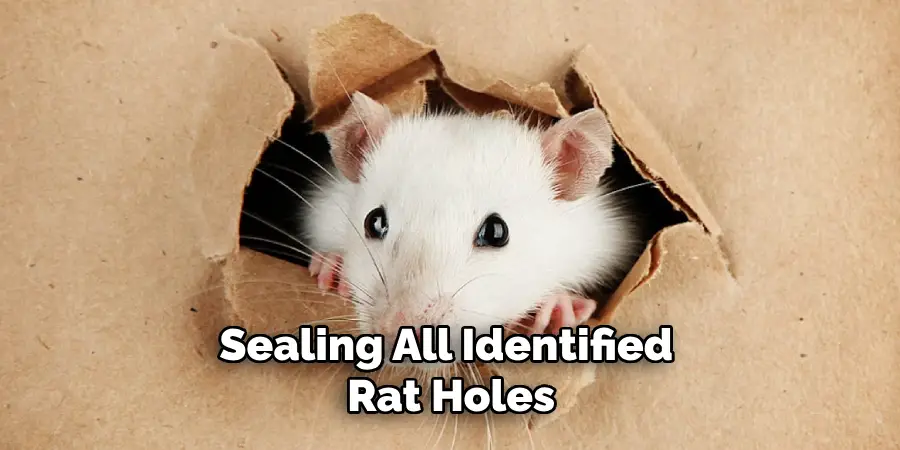
You can also use caulk to seal any openings around pipes, wires, or other plumbing fixtures that rats may use to enter your home. This method is an effective way to keep rodents out and prevent future infestations.
Step 5: Repair Damaged Areas
Once all entry points have been sealed, it’s important to address any damaged areas caused by rat activity. Rats can weaken structural elements, such as wood beams or drywall, with their constant gnawing and nesting. Begin by assessing the extent of the damage to determine if a simple repair or a more comprehensive renovation is necessary.
For minor damage, patch any holes in drywall with a suitable patch kit and replace chewed sections of wood using wood filler or replacement lumber. Ensure that all repairs are sturdy and check for concealed damage that may not be immediately visible. Strengthening these areas not only restores your home’s structural integrity but also makes it less appealing to rodents in the future. If you’re dealing with extensive damage, you may need to consult a professional to ensure proper restoration and prevent further issues.
Step 6: Clean the Area
After completing all necessary repairs, it’s crucial to clean the surrounding area thoroughly. Rats can leave behind bacteria and other disease-causing organisms in their droppings and urine, making it essential to disinfect any affected surfaces. Use a bleach solution or a commercial disinfectant spray to sanitize the area.
Dispose of any contaminated materials, such as old insulation, wood scraps, or debris, in sealed trash bags. Thoroughly vacuum the entire area using a HEPA filter vacuum to remove any remaining particles or allergens.
Step 7: Take Preventive Measures
Fixing rat holes is only one step in preventing future infestations. Taking preventive measures is essential to keep rats and other pests out of your home for good. Some tips include:
- Sealing holes and gaps in exterior walls, doors, and windows with weather-stripping or wire mesh.
- Keeping outdoor trash cans tightly covered.
- Storing food in airtight containers.
- Regularly cleaning up any potential food sources, such as crumbs or spills.
Step 8: Monitor for Future Activity
Even after completing all the necessary steps to fix rat holes in your house, it’s important to monitor for any signs of new activity. Check for any re-opened holes or new entry points regularly and address them immediately to prevent further infestations. If you notice any rat activity, consider hiring a professional pest control service to assess the situation and provide additional solutions.
By following these step-by-step guidelines on how to fix rat holes in house, you can effectively fix rat holes in your house and take preventive measures to keep them from returning. Remember to always use caution when dealing with rats and their potential health hazards, and consider seeking professional assistance if necessary. By taking swift action and implementing these tips, you can protect your home from unwanted rodent intruders for years to come.
Do You Need to Use Professionals?
When dealing with a rat infestation or damage caused by rats, you may wonder whether it’s necessary to hire professionals. While many homeowners can undertake minor repairs and preventive measures themselves, certain situations warrant the expertise of a professional pest control service. If the infestation is extensive or if you’re unsure about the extent of structural damage, consulting professionals can ensure thorough inspection, treatment, and repair.
They possess specialized knowledge, tools, and treatments to address infestations effectively and safely. Additionally, professional services can offer guidance on preventive strategies tailored to your home, reducing the risk of future infestations. Considering professional help can be a wise decision if you’re dealing with severe infestations or if you seek peace of mind knowing your home is thoroughly protected from rodents.
Frequently Asked Questions
Q: Can Rats Chew Through Expanding Foam Insulation?
A: Yes, rats can quickly chew through expanding foam insulation if the hole is large enough. It’s best to use steel wool or wire mesh for larger holes.
Q: How Do I Know If Rats Have Entered My House?
A: Some signs of rat activity in your house include droppings, gnaw marks on walls or furniture, and a musty odor. You may also hear scratching or scurrying noises coming from walls or ceilings at night.
Q: Can I Use These Methods to Prevent Other Pests?
A: While these methods are specifically targeted towards rats, they can also be effective in preventing other pests from entering your home. However, it’s always best to consult a professional for specific pest control solutions for different types of pests. So, it is important to identify the type of pest before taking any preventive measures.
Q: How Often Should I Check for Rat Activity?
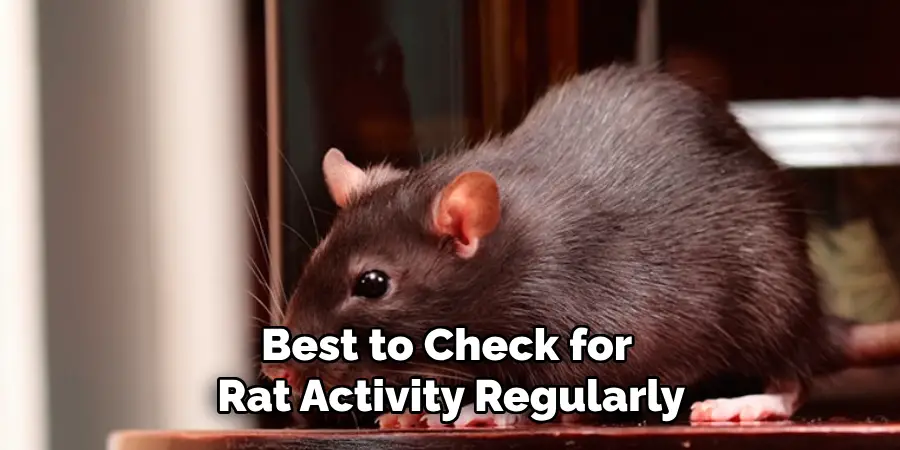
A: It’s best to check for rat activity regularly, especially after implementing preventive measures. Keep an eye out for any re-opened holes or new entry points and address them immediately to prevent further infestations.
Conclusion
In conclusion, addressing and fixing rat holes in your home is a crucial step in safeguarding your living environment from potential health risks and structural damage. By thoroughly sealing entry points, repairing any damage, and implementing preventive measures, you can greatly reduce the likelihood of future infestations. Regular monitoring is also key to ensuring that rats do not return and cause further issues.
While these guidelines on how to fix rat holes in house offer a comprehensive approach to handling rat infestations, it is important to remain vigilant and seek professional help when necessary. Taking proactive steps today will help protect your home and family from the unwanted presence of rodents in the future.

About
Angela is the chief editor of Indoorense. She began her career as an interior designer before applying her strategic and creative passion to lifestyle and home.
She has close to 15 years of experience in creative writing and online content strategy for housekeeping and cleaning,home decorations as well as other efforts.
She loves her job and has the privilege of working with an extraordinary team. She lives with her husband, two sons, and daughter in Petersburg. When she’s not busy working she spent time with her family.