
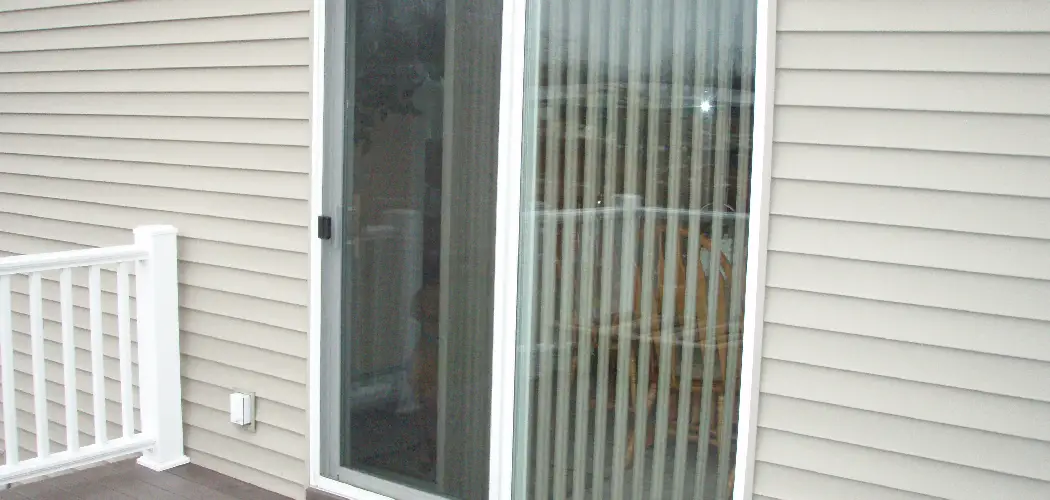
Top hung sliding doors are popular for modern homes due to their sleek design and space-saving functionality. Their ability to glide effortlessly makes them an ideal option for creating a seamless transition between spaces, enhancing both aesthetics and convenience. However, like all sliding doors, they can face operational challenges over time. Common issues include misaligned doors, door dragging on the floor, or difficulty in sliding, which often stem from loose or worn-out hardware, improper installation, or general wear and tear. Addressing these problems promptly is crucial to maintaining the door’s functionality and prolonging its lifespan.
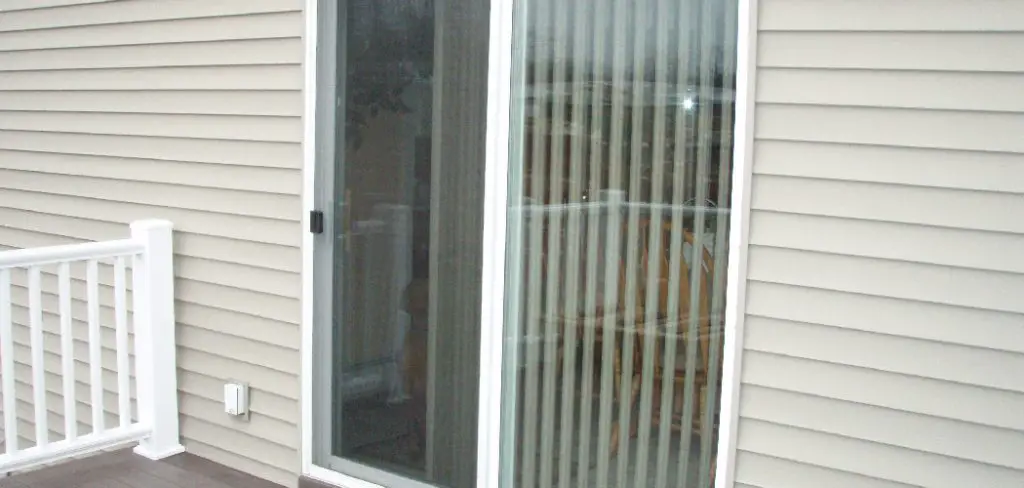
This article will provide a detailed guide on how to adjust top hung sliding doors for smooth operation. Whether your door is sticking, dragging, or not closing properly, following these steps will help restore its performance and ensure it operates flawlessly, enhancing your home’s comfort and style.
Understanding Top Hung Sliding Door Mechanisms
Top hung sliding doors are ingeniously designed to be suspended from rollers mounted on a track at the top of the door. This arrangement effectively transfers the weight of the door entirely to the top, distinguishing it from bottom-rolling doors, where the weight rests on the floor. By relying on an overhead support system, these doors offer a streamlined appearance and eliminate floor-based tracks, contributing to a cleaner aesthetic.
Components to Check:
- Rollers: The rollers are crucial as they enable smooth sliding along the track, minimizing friction and wear.
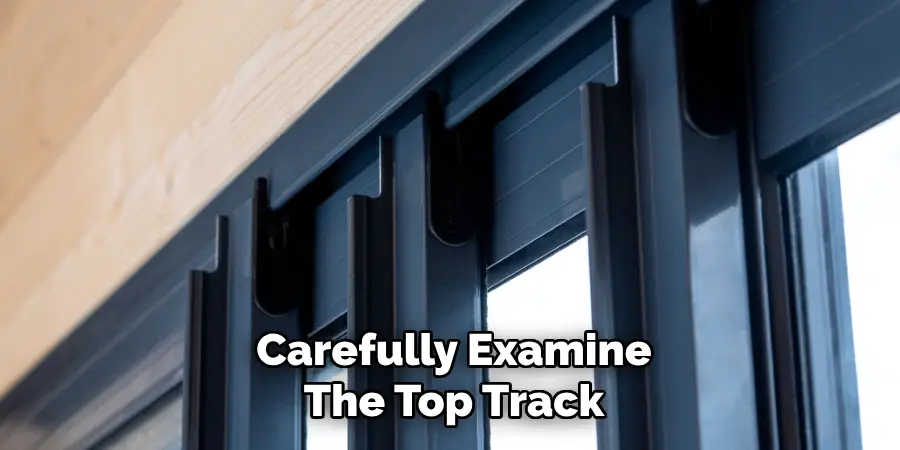
- Track: This is the horizontal rail that guides the rollers, ensuring the door moves in a straight path.
- Adjustment Screws: Located at the top of the door, these screws allow for nuanced alignment adjustments to optimize door function.
- Stops: These components prevent the door from sliding too far in either direction, ensuring safe and reliable operation.
Common Issues:
- Door Misalignment: If alignment is compromised, the door might not close properly over time or rub against the frame or floor.
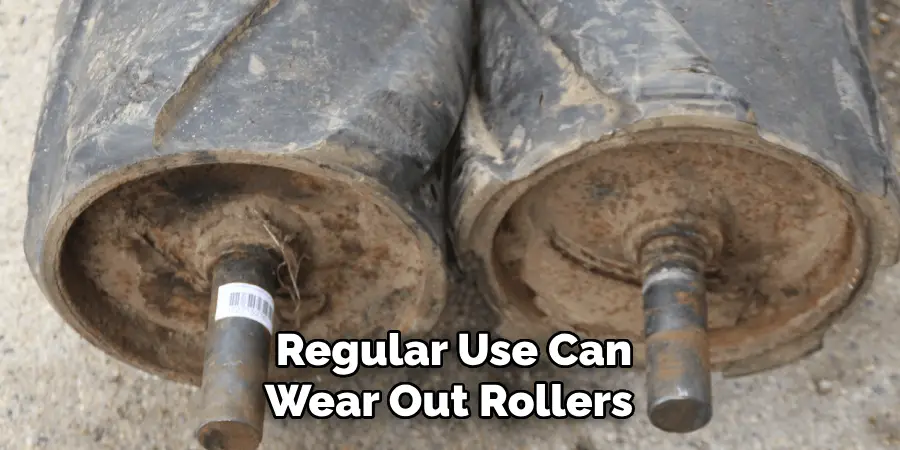
- Roller Wear: Regular use can wear out rollers, making the door increasingly difficult to slide.
- Loose or Damaged Track: The track may bend, warp, or become loose, thus impacting the door’s ability to slide smoothly and consistently along its intended path.
Tools and Materials Needed
To effectively adjust your top hung sliding door, you will need to gather a few essential tools and materials. Proper preparation can make the adjustment process straightforward and efficient. Below is a list of what you’ll need:
Tools:
- Phillips or Flathead Screwdriver: Depending on the specific hardware on your sliding door, have the appropriate screwdriver on hand for loosening and tightening screws.
- Allen Wrench: Required for adjusting the screws that align the door on its track.
- Tape Measure: Use this to ensure precise measurements when adjusting the door’s alignment.
- Level: Critical for confirming that your door is hung evenly and correctly.
- WD-40 or Lubricant: To keep the rollers operating smoothly, preventing squeaks and resistance.
Materials:
- Replacement Rollers: Have these ready in case the current rollers are worn or damaged.
- Track Cleaner or Degreaser: Removes dirt and grime that could impede the door’s movement.
- Soft Cloth or Sponge: For cleaning and applying products neatly without scratching surfaces.
- Step Stool or Ladder: Provides easier access to the top rail, especially for taller installations.
Inspecting the Door and Track
Conducting a thorough inspection of your top hung sliding door is essential to address any operational issues and ensure smooth function. Follow these steps to effectively assess your door and track:
Step 1: Check the Rollers
Start by opening the door fully, allowing a clear view of the rollers on the top track. Carefully inspect these rollers for any visible signs of wear, such as broken or cracked components. Additionally, observe whether the door appears to be sagging, which could indicate roller deterioration.
Step 2: Inspect the Track
Carefully examine the top track for any dirt, debris, or obstructions that might be hindering the movement of the rollers. Use a soft cloth and a track cleaner or degreaser to remove any buildup that could impede smooth operation.
Step 3: Check for Misalignment
Close the door to observe its alignment with the frame. A properly aligned door should hang evenly, close completely, and not rub against the floor or frame. Notice any unevenness, as this may indicate misalignment requiring adjustment.
Step 4: Look for Signs of Wear
Examine the door, especially the area near the top where it connects to the rollers, for any indications of wear or damage. Identify any loose screws or worn components that might need tightening or replacement to maintain optimal door functionality.
How to Adjust Top Hung Sliding Door: Adjusting the Height of the Sliding Door
Proper adjustment of your top hung sliding door ensures smooth operation and longevity. Follow these precise steps to adjust the door’s height effectively.
Step 1: Locate the Adjustment Screws
Begin by identifying the small adjustment screws at the top of the door. These screws are often situated on the side or near the roller housing. They are essential for controlling the door’s height and alignment.
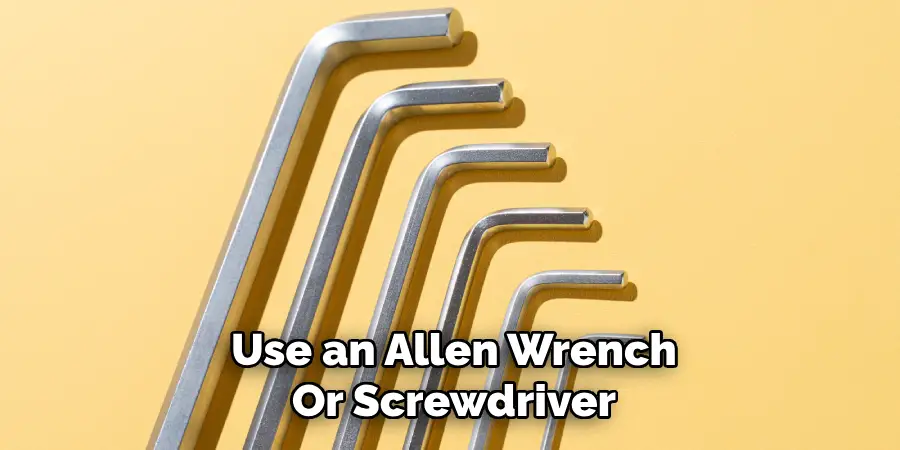
Step 2: Use the Allen Wrench or Screwdriver
Once located, use an Allen wrench or screwdriver to turn the adjustment screws. To raise the door, turn the screw clockwise; to lower it, turn counterclockwise. It is important to make small, incremental adjustments and regularly check the door’s movement to prevent over-correction and ensure accuracy.
Step 3: Balance the Door
Ensure the door remains balanced by adjusting both sides equally. Utilize a level to confirm that the door hangs parallel to both the floor and the top track. A balanced door will enhance ease of movement and diminish wear on the hardware.
Step 4: Check Door Clearance
After completing the height adjustments, test to ensure the door clears both the floor and frame as it slides. If the door persists in dragging or appearing uneven, continue to make minor adjustments until it moves without hindrance.
Step 5: Test Door Operation
Finally, slide the door open and close multiple times to thoroughly test its operation. The door should glide smoothly without any sticking or scraping. If issues persist, it may be necessary to inspect the rollers or track for further obstructions or damage.
By executing these adjustments with precision, you can maintain the efficient functionality and aesthetic appeal of your top hung sliding door.
How to Adjust Top Hung Sliding Door: Lubricating the Rollers and Track
Proper lubrication of the rollers and track is crucial for maintaining the optimal performance of your top hung sliding door. Follow these steps to ensure smooth operation and minimize friction:
Step 1: Clean the Track
Begin by using a soft cloth or sponge to wipe down the track, carefully removing any dust, dirt, or grime that may be affecting the door’s movement. Ensuring that the track is clean will aid in effective lubrication.
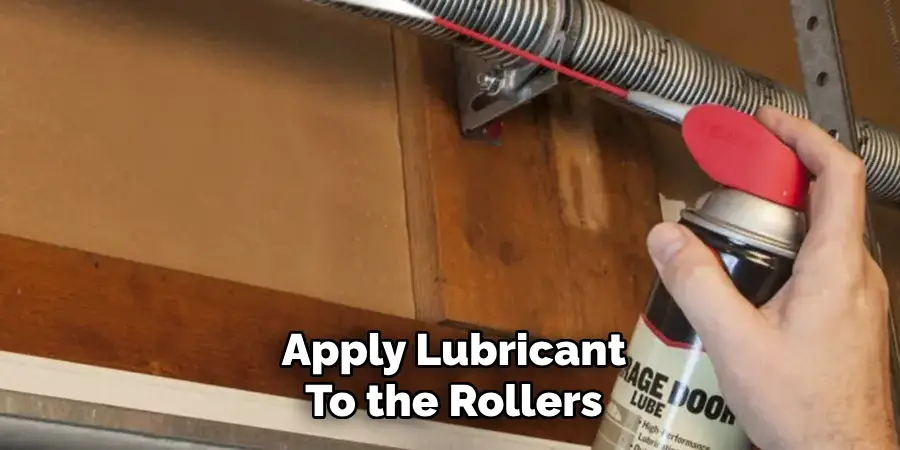
Step 2: Apply Lubricant to the Rollers
Next, apply a small amount of lubricant, such as WD-40, to the top rollers. It is important to use a minimal amount to prevent the rollers from slipping, which could compromise door functionality.
Step 3: Apply Lubricant to the Track
Lightly spray lubricant along the track to guarantee smooth movement. After application, use a clean cloth to wipe away any excess lubricant to avoid attracting future dirt buildup.
Step 4: Test the Door
Finally, slide the door back and forth multiple times to ensure smooth operation. Proper lubrication should effectively reduce friction and make the door easier to operate.
Replacing Damaged or Worn Rollers
If the rollers are damaged or worn beyond repair, you’ll need to replace them to ensure the optimal functionality of your top hung sliding door. Follow these steps to replace the rollers effectively:
Step 1: Remove the Door from the Track
Begin by lifting the door slightly to unhook it from the top track. You may need a partner to help support the door’s weight as you remove it to prevent any damage or injury.
Step 2: Remove the Old Rollers
Once the door is off the track, use a screwdriver or Allen wrench to remove the screws holding the roller assembly in place. Gently remove the rollers from the top of the door, carefully setting aside any hardware that can be reused.
Step 3: Install New Rollers
Purchase replacement rollers that are compatible with your sliding door model. Attach the new rollers to the top of the door by screwing them into place. Ensure the rollers are secure and aligned properly to prevent any operational issues.
Step 4: Reinstall the Door
Carefully lift the door and hook it back onto the top track. Make sure the rollers are seated correctly in the track to ensure that the door hangs evenly and operates smoothly.
Step 5: Adjust the Rollers
Use the adjustment screws on the new rollers to fine-tune the height and alignment of the door, following the same process as described in Section 5. It is critical to ensure the door is balanced and operates without dragging or catching.
Step 6: Test the Door
Slide the door open and closed multiple times to ensure the new rollers are functioning smoothly. Make any additional adjustments to the height or alignment if needed for optimal performance and longevity. By following these steps, you can successfully replace damaged or worn rollers and maintain the efficient operation of your top hung sliding door.
Preventing Future Issues
Regular maintenance is key to preserving the functionality and longevity of your top hung sliding door. Begin by implementing a routine cleaning schedule; periodically clean the track and rollers to prevent dirt buildup, which can cause the door to stick or become misaligned. Regularly inspect the rollers for any signs of wear or damage, as worn rollers can hinder the door’s smooth operation. If the door becomes difficult to slide, this is a signal to check and adjust or replace the rollers as needed.
In addition to these measures, it’s important to handle the door with care. Avoid slamming the door, as repeated impact can damage the track, rollers, or door hardware, eventually leading to misalignment or failure. Furthermore, lubrication plays a crucial role in maintaining smooth operation. Apply a suitable lubricant to the rollers and track every few months to minimize friction and ensure effortless sliding. Adhering to these straightforward preventative steps can effectively reduce the risk of future issues, keeping your sliding door in optimal condition.
When to Call a Professional
There are certain scenarios where calling a professional for assistance with your top hung sliding door is advisable. Extensive track damage, such as severe bends or warping, often necessitates expert repair or replacement to restore proper door operation. Furthermore, if the underlying door frame or structure is contributing to misalignment, a professional contractor should be contacted to assess and address the structural issues effectively.

Additionally, if you find yourself uncertain about making adjustments or replacing components of the door, reaching out to a professional ensures the task is completed accurately without the risk of further damage. Entrusting your sliding door maintenance and repair needs to a skilled professional provides peace of mind and guarantees that all necessary actions are performed to maintain the performance and longevity of your door.
Conclusion
Adjusting a top hung sliding door can be straightforward with the right tools and knowledge. Properly aligned doors ensure smooth operation and prevent damage to the floor and frame, contributing to the longevity of both the door and the surrounding structures. The importance of maintenance cannot be overstated; regularly cleaning and lubricating the door track and rollers and adjusting the door height when necessary will ensure your sliding door remains in optimal condition for years to come.
As a final tip, if you encounter any difficulties during the adjustment process or notice significant damage, don’t hesitate to call a professional to ensure the door operates properly. This proactive approach will prevent further complications and maintain the door’s functionality. Remember, understanding “how to adjust top hung sliding door” correctly is key to maintaining its performance and efficiency.

About
Angela is the chief editor of Indoorense. She began her career as an interior designer before applying her strategic and creative passion to lifestyle and home.
She has close to 15 years of experience in creative writing and online content strategy for housekeeping and cleaning,home decorations as well as other efforts.
She loves her job and has the privilege of working with an extraordinary team. She lives with her husband, two sons, and daughter in Petersburg. When she’s not busy working she spent time with her family.