
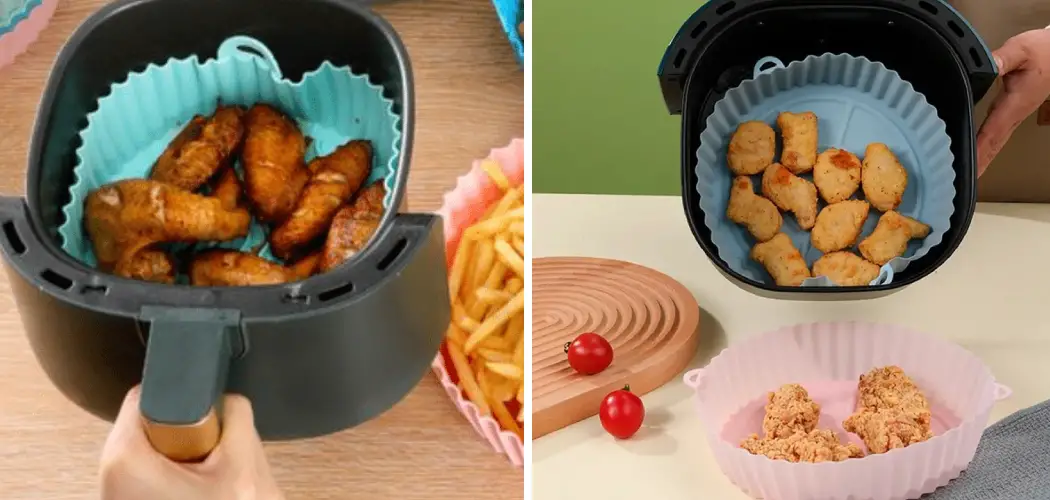
Silicone mats are a popular accessory for air fryers, offering a non-stick surface that simplifies both cooking and cleaning. They are specifically designed to prevent food from sticking, protect the air fryer basket, and promote even cooking. By using a silicone mat, you can enjoy perfectly cooked meals without the hassle of scrubbing stubborn food residues. Why use a silicone mat in an air fryer? These mats are reusable and eco-friendly and reduce dependency on disposable parchment paper or foil.
Silicone mats contribute to better heat distribution, ensuring even cooking results. This guide aims to comprehensively understand how to use silicone mat in air fryer effectively and safely. By following this guide, you can maximize the benefits of silicone mats, making your air frying experience more efficient and enjoyable.
Benefits of Using a Silicone Mat in an Air Fryer
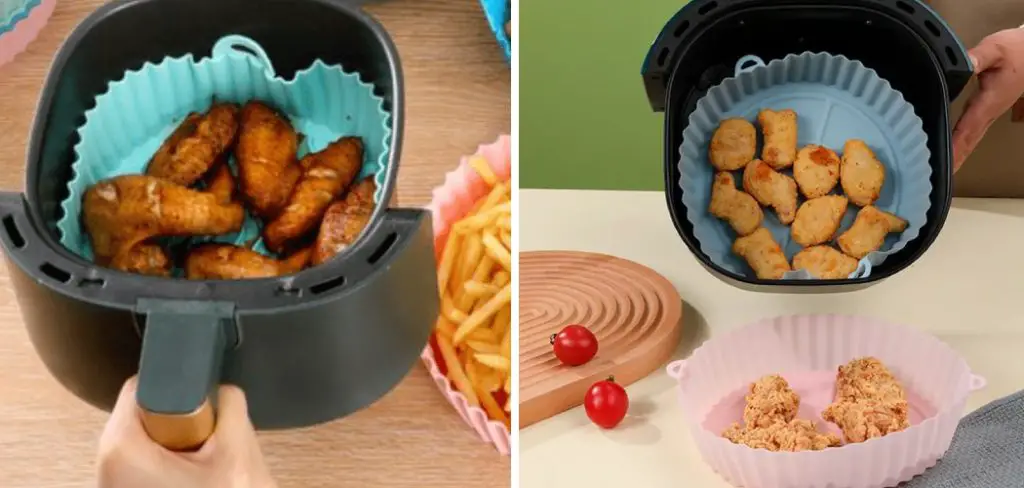
- Non-Stick Surface: One of the primary advantages of silicone mats is their non-stick properties. Foods like chicken wings, fish fillets, and baked goods won’t adhere to the mat, making cleanup much easier.
- Even Heat Distribution: Silicone mats help distribute heat more evenly across the bottom of the air fryer basket, preventing hot spots that could cause uneven cooking or burning. This ensures your meals are cooked to perfection with consistent results every time.
- Reusable and Eco-Friendly: Unlike parchment paper or aluminum foil, silicone mats are reusable. They reduce waste and are a cost-effective alternative in the long run, making them a sustainable choice for environmentally-conscious individuals.
- Protects the Air Fryer Basket: Using a silicone mat can help protect the basket from scratches and wear caused by metal tongs or utensils, extending the life of your air fryer. This adds durability and preserves the quality of the appliance.
- Easier Cleanup: The mat collects grease, crumbs, and spills, preventing them from sticking to the basket or tray. Most silicone mats are dishwasher-safe, making cleanup quick and hassle-free. This convenience makes cooking enjoyable without the burden of laborious cleaning tasks.
Choosing the Right Silicone Mat
When selecting a silicone mat for your air fryer, consider several key factors to ensure optimal performance and safety.
- Size and Shape: Not all silicone mats are designed for air fryers. Ensure the mat fits your air fryer basket correctly, allowing for sufficient airflow around the edges. Many air fryer baskets come in round or square shapes, so choose a mat that matches the basket’s design to prevent overlapping and ensure proper heat distribution.
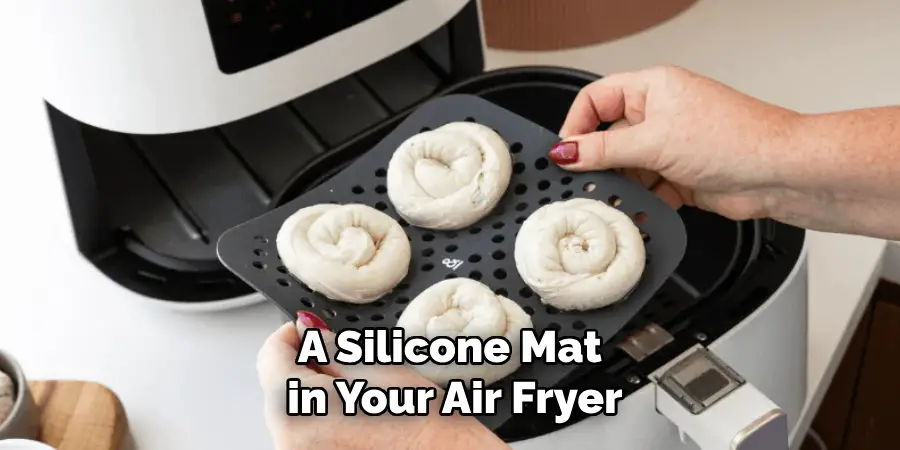
- Perforated Silicone Mats: Opt for perforated silicone mats, as they are ideal for air fryers. Perforations allow for better airflow, ensuring heat circulates effectively around the food. This feature is crucial for achieving the crispiness that air fryers are renowned for, preventing air blockages that can lead to uneven cooking.
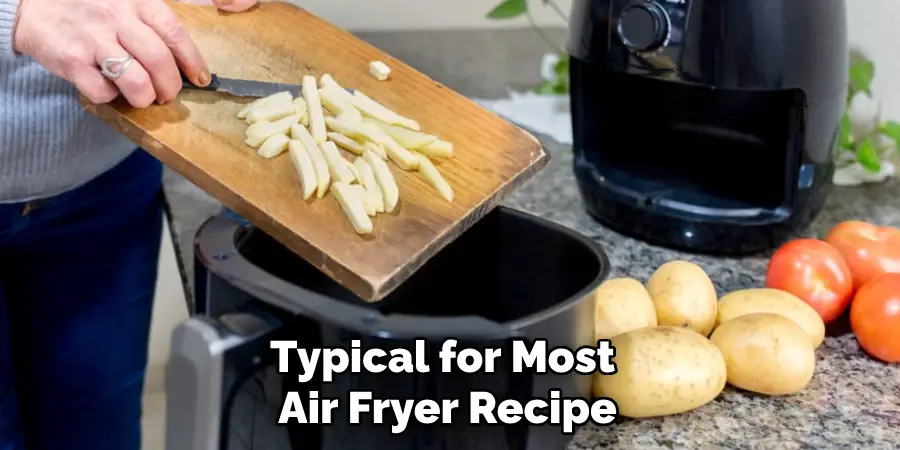
- Heat Resistance: To avoid degradation of the material, it’s essential to select a mat made from food-grade silicone that is heat-resistant. Choose mats capable of withstanding temperatures up to 450°F (230°C), which is typical for most air fryer recipes.
- Thickness: Avoid mats that are too thick, as they might obstruct airflow and lead to uneven cooking results. Ideally, the mat should balance thickness and flexibility to ensure proper air circulation while being durable.
- Dishwasher-Safe: Consider mats that are easy to clean and dishwasher-safe to save time on maintenance after cooking. This feature ensures a hassle-free cleanup, adding convenience to your air frying process.
How to Use Silicone Mat in Air Fryer: Properly Place the Silicone Mat
Step 1: Check the Fit
Before placing the mat in the air fryer, ensure it fits snugly in the basket, leaving some space around the edges for airflow. The mat should lay flat without folding or curling up. A well-fitted mat ensures optimal cooking performance by allowing air to circulate freely.
Step 2: Preheat the Air Fryer (Optional)
If your recipe requires preheating, preheat the air fryer before placing the mat inside. Preheating helps maintain an even temperature throughout the cooking process, ensuring that your food cooks evenly from start to finish.
Step 3: Place the Mat in the Basket
Place the silicone mat at the bottom of the air fryer basket. For perforated mats, ensure that the holes align with the air fryer basket to allow proper airflow. Proper alignment is essential for achieving that desired crispiness without any air blockages.
Step 4: Add Food
Arrange your food on top of the silicone mat, leaving enough space between items to allow air circulation. Do not overcrowd the basket, as it can lead to uneven cooking. Allowing space between food items promotes even browning and crispiness.
Step 5: Cook as Usual
Set the air fryer temperature and cook time according to your recipe. The silicone mat will not affect cooking times, but it can help prevent sticking and burning, making cleanup easier and ensuring your meal is perfectly cooked.
Foods to Cook on a Silicone Mat in the Air Fryer
Sticky Foods
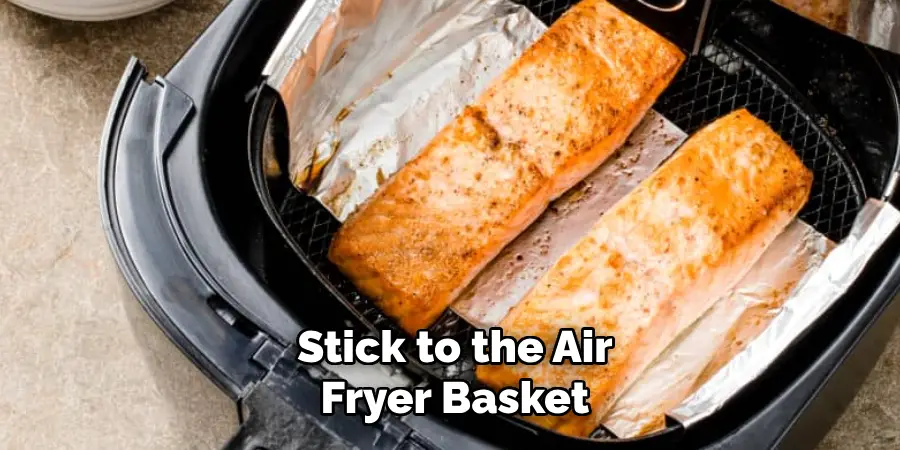
Foods that tend to stick to the air fryer basket, such as marinated chicken, fish fillets, or bacon, are ideal for cooking on a silicone mat. The mat’s non-stick surface prevents tearing or loss of seasoning during cooking, ensuring your dishes remain flavorful and intact.
Baked Goods
Small baked goods like cookies, biscuits, or mini cakes can be placed on the silicone mat to prevent them from sticking to the basket. This is particularly useful when baking without parchment paper, offering an easy cleanup and perfectly shaped treats every time.
Vegetables
Silicone mats are great for roasting vegetables like zucchini, eggplant, and sweet potatoes. The mat helps distribute heat evenly, ensuring thorough cooking. The non-stick surface guarantees that vegetables don’t get stuck or burnt, preserving their natural flavors and nutrients.
Frozen Foods
Frozen items like mozzarella sticks, fries, or chicken nuggets cook evenly on silicone mats, preventing the frozen bits from sticking to the basket. This makes the air frying process hassle-free and delivers crispy results without dealing with stuck-on food remnants.
Greasy Foods
Foods that release grease, such as sausages or hamburgers, benefit from silicone mats as they help collect excess grease, making the air fryer easier to clean afterward. This simplifies maintenance and contributes to healthier cooking by reducing overall grease consumption.
Cleaning and Maintenance of Silicone Mats
Proper cleaning and maintenance can significantly extend the life of your silicone mat, ensuring it performs optimally for air frying tasks.
Step 1: Let the Mat Cool
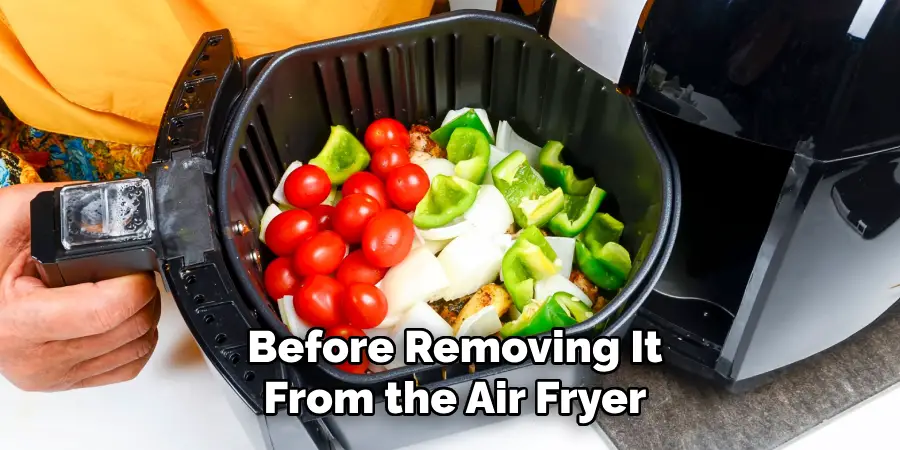
Allow the silicone mat to cool down completely before removing it from the air fryer. Handling a hot mat can cause burns and damage the mat’s structure.
Step 2: Hand Wash or Dishwasher
If hand-washing, use warm, soapy water and a soft sponge to gently scrub off any food residue. Avoid using abrasive materials that can damage the silicone surface. Most silicone mats are dishwasher-safe. Place the mat on the top rack and run a normal cycle to clean it thoroughly.
Step 3: Remove Stains and Odors
If the mat develops stains or retains food odors, you can soak it in a mixture of water and white vinegar for about 30 minutes. This will help deodorize and remove any stubborn stains.
Step 4: Dry the Mat
Allow the mat to air dry completely before storing. Store it flat or rolled up in a drawer to prevent creasing or damage.
Step 5: Inspect for Wear and Tear
Over time, silicone mats may wear out, especially if exposed to high temperatures frequently. Check for cracks, discoloration, or warping. Replace the mat if it shows signs of damage to ensure food safety.
Safety Tips for Using a Silicone Mat in the Air Fryer
When using a silicone mat in your air fryer, following these safety guidelines ensures optimal performance and prevents accidents:
- Avoid Overheating: Always confirm the heat resistance rating of your silicone mat. Typically, these mats can withstand up to 450°F (230°C). Exceeding this temperature could cause the mat to degrade or emit odors, potentially affecting food safety and taste.
- Avoid Overlapping: Do not stack multiple silicone mats or place other materials on top. Layering can obstruct airflow, resulting in uneven cooking and potential safety risks.
- Do Not Cover Entire Basket: Refrain from using a solid mat that covers the entire air fryer basket, particularly non-perforated ones. This prevents proper air circulation, leading to inconsistent cooking results.
- Handle with Care: After cooking, use tongs or heat-resistant gloves to manage the silicone mat safely. This precaution helps prevent burns from handling hot materials.
- Monitor Cooking Times: While silicone mats generally don’t alter cooking times, it’s wise to check your food midway through the process to ensure even cooking. Variations in mat thickness can slightly affect heat distribution, so monitoring ensures perfect results.
Conclusion
Using a silicone mat in your air fryer is a simple and effective way to make cooking easier, promote even heat distribution, and extend the life of your air fryer basket. By implementing the right size and type of mat, you can cook a variety of foods without worrying about sticking or burning issues. Always choose perforated silicone mats to allow for optimal airflow, clean your mats thoroughly after each use to maintain hygiene, and ensure you do not exceed the mat’s specified heat resistance to secure long-term usability.
Incorporating silicone mats enhances the cooking process and reduces waste, making it a more eco-friendly and convenient choice for air fryer enthusiasts. These practical guidelines on how to use silicone mat in air fryer ensure a seamless and satisfying cooking experience, offering tasty and well-cooked results every time.

About
Angela is the chief editor of Indoorense. She began her career as an interior designer before applying her strategic and creative passion to lifestyle and home.
She has close to 15 years of experience in creative writing and online content strategy for housekeeping and cleaning,home decorations as well as other efforts.
She loves her job and has the privilege of working with an extraordinary team. She lives with her husband, two sons, and daughter in Petersburg. When she’s not busy working she spent time with her family.