
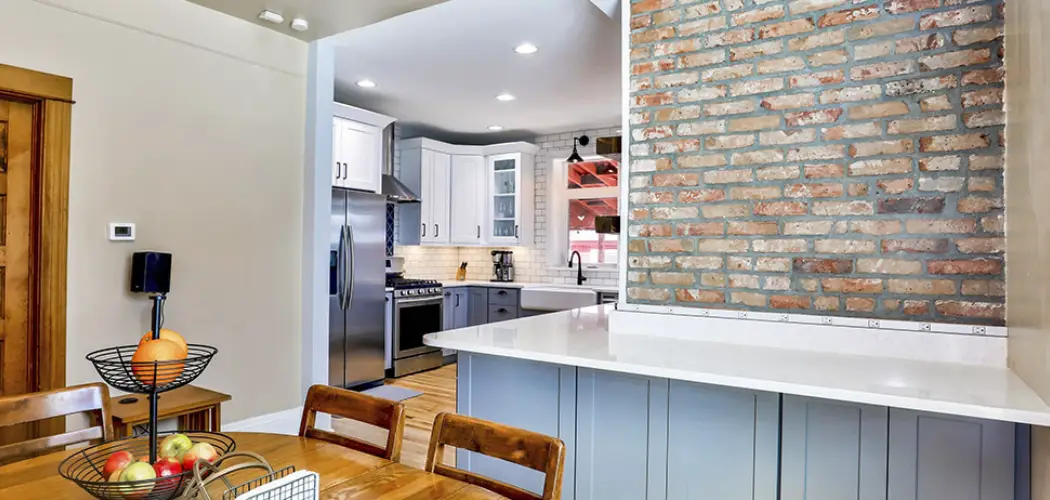
Open floor plans are a hallmark of modern homes, offering spaciousness and versatility. However, incorporating some level of separation between the kitchen and living room can enhance functionality and privacy. Having a subtle or distinct division can help delineate the areas while still retaining an open, airy ambiance.
The reasons for separating the kitchen from the living room are varied and compelling. Primarily, it allows for better organization of activities, reduces noise transfer, and helps contain kitchen smells. Additionally, a well-thought-out separation can significantly enhance the visual appeal of your interiors. Whether you are interested in a semi-permanent solution or a temporary partition, there are numerous strategies to effectively achieve this.
This guide will explore a range of practical and stylish methods for how to separate the kitchen from the living room. These options cater to different styles, budgets, and space sizes, ensuring a solution that fits your specific needs.
Using a Kitchen Island or Breakfast Bar
Install a Multi-functional Island:
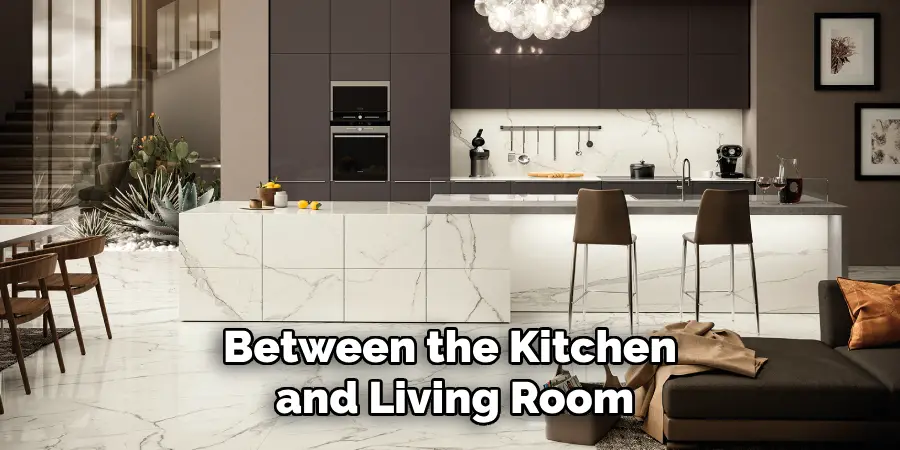
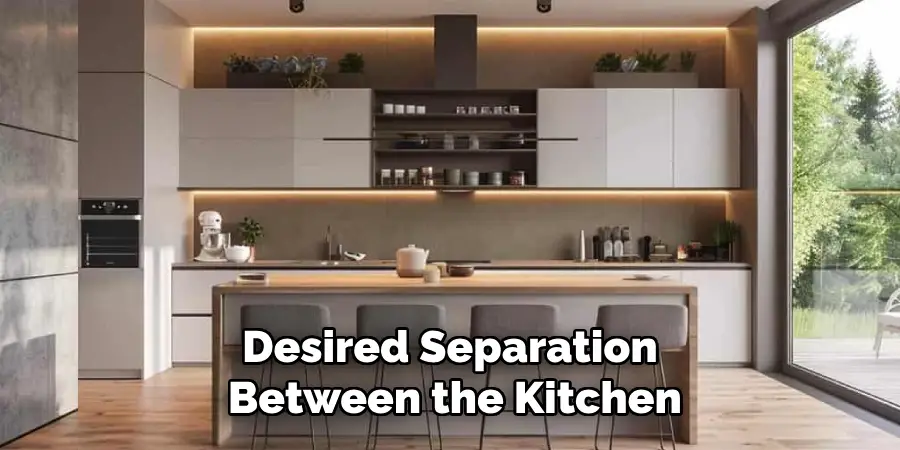
A kitchen island or breakfast bar serves as a natural divider between the two spaces while offering extra counter space and storage. Choose an island with seating to create a social zone that links both areas. This setup not only encourages interaction but also subtly delineates the boundaries of each space, enhancing the functionality of your open floor plan.
Customization Options:
Islands can be customized with features like built-in appliances, such as a stovetop or dishwasher, to maximize functionality. Additional storage options like cabinets and drawers allow for better organization, reducing clutter in both rooms. Depending on the size and layout of your space, you may choose a mobile island for flexibility or a fixed one for a more permanent solution.
Visual Separation with Materials:
Use different countertop materials or finishes for the island compared to the kitchen counters to create a visual boundary. This contrast in design further distinguishes the kitchen from the living room, while still maintaining a cohesive look throughout the space. Materials like wood, granite, or stainless steel offer various options that can complement or contrast with your existing decor.
Use Seating as a Barrier:
Adding bar stools or chairs to the kitchen island creates a space for social interaction while also establishing a visual and physical barrier between the kitchen and living room. This seating arrangement provides a welcoming spot for friends and family to gather, bridging the gap between cooking and living spaces without compromising the open atmosphere.
How to Separate the Kitchen from The Living Room: Install Sliding or Folding Doors
Step 1: Choose a Door Type:
Sliding doors, barn doors, or folding doors can be installed to provide a semi-permanent division between the kitchen and living room. Glass doors are great for maintaining light flow while providing separation, while wooden doors create a more solid, defined barrier. Consider the overall design aesthetic of your home when selecting the door type to ensure seamless integration with your existing decor.
Step 2: Create Flexibility with Sliding Doors:
Sliding doors offer the flexibility of keeping the spaces connected when needed or closing them off for privacy or noise reduction. They’re perfect for homes where you want the option of an open layout but need separation at times. Sliding doors can glide smoothly on tracks installed on the ceiling or floor, allowing for easy maneuverability and space-saving solutions.
Step 3: Folding Doors for Versatility:
Folding doors can divide the space without needing a lot of clearance room. They’re ideal for smaller homes or apartments where maximizing space is crucial. By neatly folding away, these doors create an unobtrusive division that can easily disappear when not in use, offering practical and stylish solutions for varied space demands.
Step 4: Customize the Door Finish:
Choose a door finish that complements both the kitchen and living room aesthetics. Frosted or clear glass adds a modern touch, allowing light to pass through while still providing a sense of separation. Wood finishes can bring warmth and texture to the space, enhancing a more rustic or traditional interior theme.
Step 5: Practical Considerations:
Ensure there is enough wall space for sliding doors or track systems. Folding doors may require hinges or pivot points, so plan accordingly for installation. The robustness of the door material and hardware will determine the durability and smoothness of operation, so opt for high-quality options that promise longevity and efficiency in daily use.

How to Separate the Kitchen from The Living Room: Divide with a Bookshelf or Open Shelving Unit
Step 1: Use Open Shelving for Light Separation:
An open shelving unit serves as an elegant and subtle room divider, allowing light and air to flow freely between the kitchen and living room. This setup is ideal for showcasing elements such as cookbooks, plants, or decorative items, which can create visual continuity and merge functionality with aesthetics. The openness of the shelving maintains the airy feel of the space while also providing a distinct boundary.
Step 2: Opt for a Floor-to-Ceiling Bookshelf:
For more pronounced separation, consider installing a tall, floor-to-ceiling bookshelf. This approach not only defines the boundary between the living and kitchen areas but also offers substantial storage and display functionalities. Choose a design that complements the décor and style of both spaces to ensure a cohesive and harmonious look. This method of separation enhances privacy without sacrificing style or functionality.
Step 3: Incorporate Functional Storage:
Shelving units can double as storage solutions. On one side, store kitchen essentials like dishware or utensils, and on the other side, arrange books, media, or decorative pieces. This dual-purpose usage keeps both areas tidy and organized, while maintaining a visually appealing division. By cleverly utilizing the storage capacity, you enhance the practicality of the division without cluttering either space.
Step 4: Consider Freestanding Units:
Freestanding bookshelves provide a non-permanent division solution that is both practical and adaptable. These units can be easily relocated or reconfigured to adjust to changing needs, making them an excellent choice for renters or those who desire flexible layout options. This flexibility ensures the functional separation of the space while allowing for personal adjustments and creative rearrangements in the future.
Create a Partition Wall or Half Wall
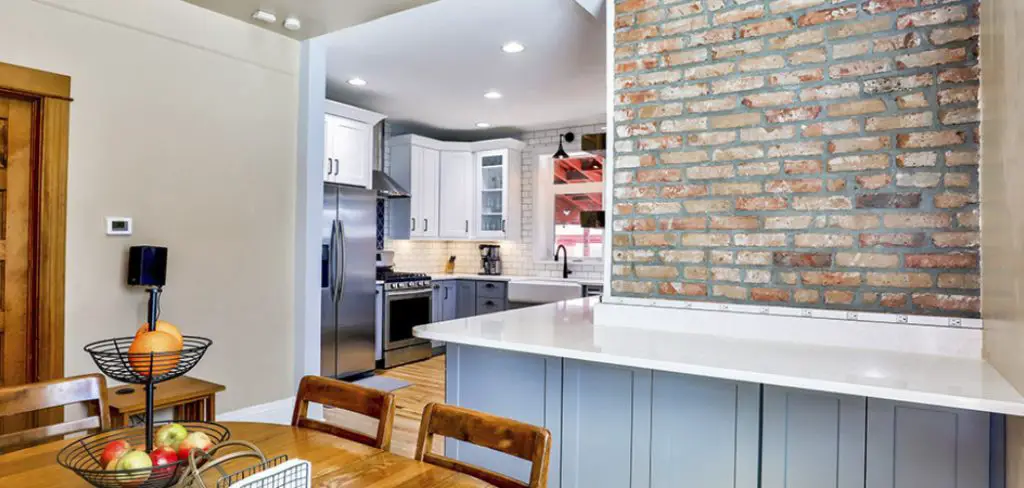
Creating a partition wall or half wall between your kitchen and living room is a versatile solution for dividing the spaces while accommodating your design preferences and functional needs.
Step 1: Build a Half Wall:
A half wall offers separation without fully enclosing the kitchen, maintaining an open flow while creating a visual boundary. This is particularly beneficial in small spaces, where a full wall might be too restrictive. A half wall can make a room feel more spacious by allowing a line of sight between areas, which contributes to a light and airy ambiance.
Step 2: Add a Countertop to the Half Wall:
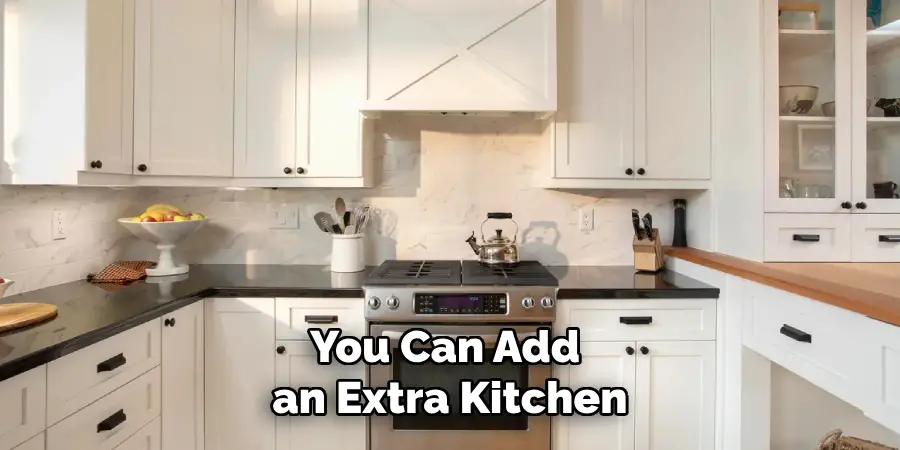
By topping the half wall with a countertop, you can add an extra kitchen workspace or establish a casual dining area. This countertop can serve as a breakfast bar or a spot for guests to mingle, further defining the space while enhancing functionality. The countertop material should complement your kitchen’s existing surfaces for a cohesive look.
Step 3: Full Partition Wall for Greater Separation:
For those seeking more privacy, a full partition wall creates distinct zones by fully dividing the kitchen and living room. This option is optimal for homeowners who need privacy or noise control, offering a clearer separation between cooking and relaxation areas. Consider soundproofing materials if noise reduction is a priority.
Step 4: Design with Windows or Openings:
Partition walls don’t have to be entirely solid. Incorporating windows or cut-out sections can help to preserve light flow and visual connection between the rooms. This design is a great compromise for those desiring separation without complete isolation, as it allows interaction while maintaining distinct spaces.
Step 5: Add Storage or Built-Ins:
Enhance the usability of a partition wall by integrating built-in shelving or cabinetry. This makes the wall more than just a divider—it becomes a functional feature that boosts storage capacity. Installed cabinets can be used to store kitchen essentials or display decorative items, maximizing efficiency and style.
Using Curtains or Room Dividers
Step 1: Install Ceiling-Mounted Curtains:
Hanging curtains from the ceiling is an affordable and flexible way to divide the kitchen from the living room. This option allows for easy adjustments whenever you want to integrate or separate the areas. Choose sheer curtains for a soft, airy separation that maintains light flow between spaces, or go for thicker, opaque curtains if you seek more privacy and a defined boundary. The versatility of ceiling-mounted curtains makes them an ideal solution for both permanent and temporary setups.

Step 2: Use Decorative Room Dividers:
Portable room dividers, such as folding screens, offer a non-permanent solution for separating spaces. Available in a variety of styles, materials, and sizes, these dividers can complement any design aesthetic, from traditional to contemporary. Easily movable and simple to store when not in use, room dividers provide both functional and aesthetic flexibility. They serve as decorative pieces that can enhance the overall style of your home while providing the desired separation between the kitchen and living room.
Step 3: Ceiling Tracks for Curtains:
For a sleek and modern look, install a ceiling track system for the curtains. This system allows curtains to glide smoothly, enabling easy transitions between open and closed settings, depending on your separation preference. Ceiling tracks add an element of luxury to the design, offering a refined way to manage the flow between spaces. This method ensures that the division is both practical and aesthetically pleasing.
Step 4: Incorporate Patterns or Colors:
Curtains and room dividers present an opportunity to incorporate color or texture into your space. Choose fabrics that complement the design of both the kitchen and living room to maintain cohesion. By selecting hues or patterns that echo existing décor elements, you can seamlessly integrate these dividers into your home while adding a personal touch to the overall ambiance.
Conclusion
Separating the kitchen from the living room doesn’t have to involve major construction projects. As highlighted, there are numerous creative and functional ways to achieve this, while still maintaining an open and cohesive feel. From using a versatile kitchen island or strategically placing rugs, to implementing shelves or ceiling-mounted curtains, each method offers unique benefits suited to different needs. When considering how to separate the kitchen from the living room, it’s crucial to think about your budget, available space, and how permanent you desire the separation to be.
Temporary solutions like rugs or decorative curtains provide flexibility, whereas options like half walls or sliding doors offer more permanent divisions. Ultimately, with the right approach tailored to your preferences, you can effectively enhance both the functionality and aesthetics of your kitchen and living space. This transforms your home into a more organized, welcoming environment that is perfectly suited to your lifestyle requirements. Thanks for reading our blog post about how to separate the kitchen from the living room.

About
Angela is the chief editor of Indoorense. She began her career as an interior designer before applying her strategic and creative passion to lifestyle and home.
She has close to 15 years of experience in creative writing and online content strategy for housekeeping and cleaning,home decorations as well as other efforts.
She loves her job and has the privilege of working with an extraordinary team. She lives with her husband, two sons, and daughter in Petersburg. When she’s not busy working she spent time with her family.