
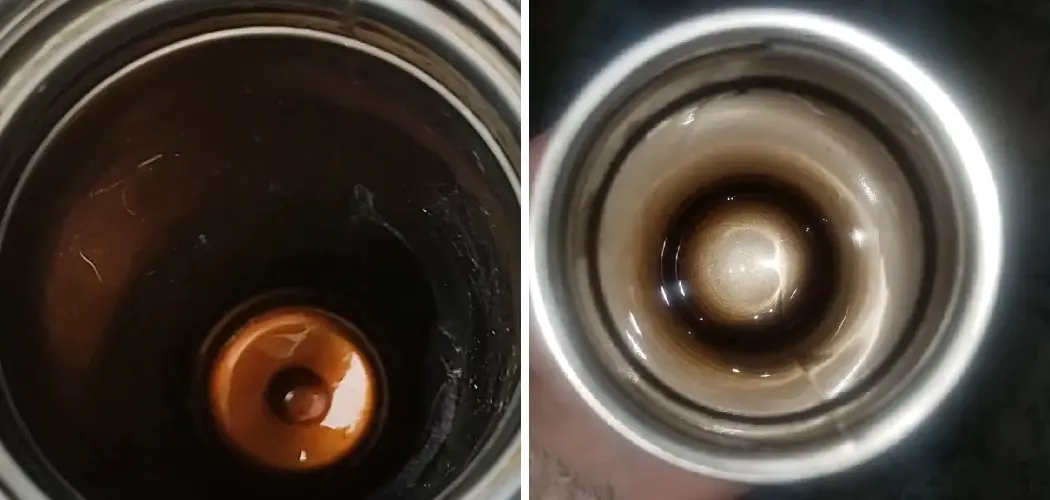
Stainless steel is a popular choice for kitchenware and appliances due to its durability and sleek appearance. However, over time, even stainless steel can suffer from unsightly tea stains that tarnish its surface. These stains can be particularly stubborn, arising from the tannins found in tea that easily adhere to the metal.
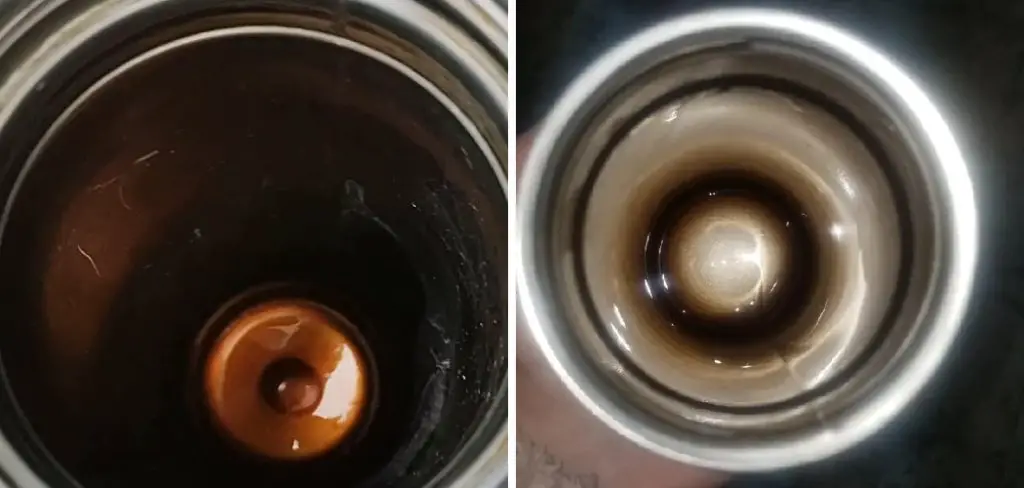
Fortunately, there are several effective methods and household remedies to tackle these stains, restoring the original shine of your stainless steel items. This guide on how to remove tea stains from stainless steel will walk you through the steps needed to remove those persistent tea marks, ensuring your stainless steel looks as good as new.
Needed Materials
Soft Cloths or Sponges:
When cleaning stainless steel, it is important to use soft cloths or sponges to avoid scratching the surface. Avoid using abrasive materials such as steel wool, as they can cause permanent damage to the metal.
Dish Soap:
Dish soap is an essential household item that can be used for a variety of cleaning purposes. It is gentle yet effective in removing stains and buildup from stainless steel surfaces without damaging them.
White Vinegar:
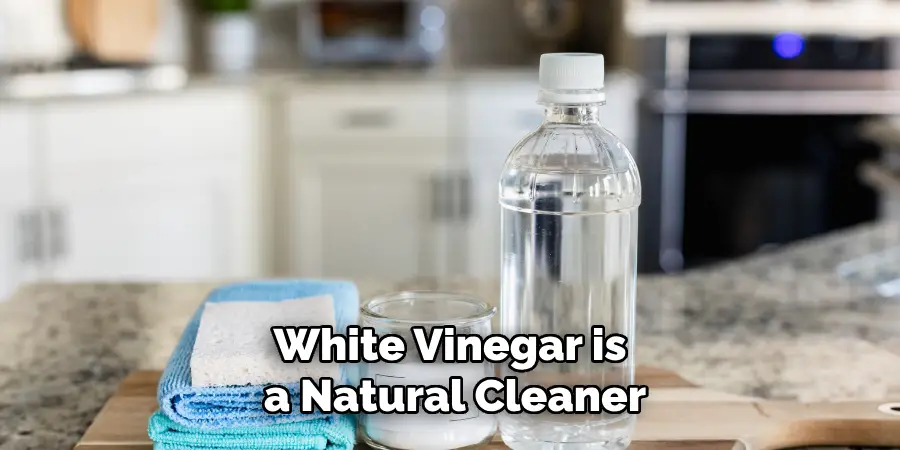
White vinegar is a natural cleaner that has acidic properties which make it ideal for removing tough stains on stainless steel. It also helps to get rid of any lingering odors.
Baking Soda:
Baking soda is another versatile household item that can be used for cleaning stainless steel. It has mild abrasive properties that help to scrub away stains and restore shine.
9 Step-by-step Guides on How to Remove Tea Stains From Stainless Steel
Step 1: Prepare the Affected Area
Begin by ensuring that the stainless steel item is cool to the touch and free from any loose debris. Rinse the affected area with warm water to remove any surface-level dirt or residue. This initial rinse will not only help you clearly see the extent of the tea staining but also make subsequent cleaning steps more effective.
After rinsing, gently pat the area dry with a soft cloth to prevent water spots from forming. By preparing the stainless steel surface, you set the foundation for more efficient stain removal in the following steps.
Step 2: Create a Cleaning Solution
In a small bowl, create a simple but effective cleaning solution by mixing equal parts of dish soap and warm water. This solution will provide the necessary cleaning power to lift tea stains without damaging the stainless steel surface. If the stain is particularly stubborn, you can add a few tablespoons of white vinegar to the mixture for added cleaning strength.
Use this solution to gently tackle the tannin deposits left by the tea. Stir the mixture well to ensure that the soap is fully dissolved and evenly distributed throughout the liquid, creating a consistent, easy-to-apply solution.
Step 3: Apply the Cleaning Solution
Use a soft cloth or sponge to dip into the cleaning solution and gently apply it to the tea-stained area. Avoid using abrasive materials that can cause scratches or further damage to the stainless steel surface.
Gently rub the solution onto the stain in circular motions, covering all affected areas. As you do this, you should begin to see the tea stains lifting from the metal. You may need to repeat this step multiple times for more stubborn stains.
Step 4: Let It Sit
Once you have thoroughly applied the cleaning solution to the stained area, allow it to sit for approximately 10 to 15 minutes. This resting period gives the solution time to penetrate and break down the tea stains effectively. The longer the solution stays on the stain, the more thoroughly it can work on dissolving the tannins that cause discoloration.
During this time, make sure the area remains damp so the solution can maintain its effectiveness. After waiting, you can proceed to the next step with stains that are easier to remove. If the stains are still visible, move on to Step 5.
Step 5: Create a Paste
To tackle any remaining stubborn tea stains, you can create a paste using baking soda and a small amount of water. In a small container, combine two tablespoons of baking soda with just enough water to form a thick, spreadable paste. Baking soda’s mild abrasiveness and natural cleaning properties add an extra layer of stain-fighting power. Carefully spread this paste over the stained area using a soft cloth or sponge.
The goal is to coat the stains thoroughly without scratching the stainless steel surface. Allow the paste to sit for 5 to 10 minutes before moving on to the next step. This time will enable the paste to further break down the tea stains, prepping them for easy removal.
Step 6: Scrub the Surface
With the paste still applied, take a soft cloth or non-abrasive sponge and gently scrub the stained area. Use small, circular motions to effectively lift and remove the stubborn tea stains. The mild abrasive action of the baking soda will aid in breaking down the remaining tannins without risking scratches to the stainless steel.
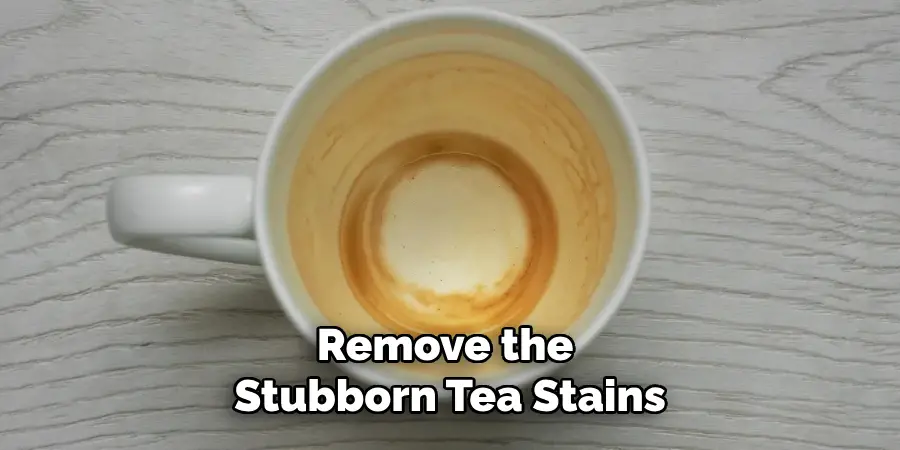
Maintain a gentle touch to ensure the metal’s surface remains smooth and undamaged. Continue scrubbing until you observe that the discoloration has visibly diminished. If necessary, reapply the baking soda paste and repeat the scrubbing process for persistent stains before moving to the next step.
Step 7: Rinse and Wipe
After completing the scrubbing process, rinse the stainless steel surface thoroughly with warm water. Use a clean cloth to wipe away any remaining baking soda residue or loose bits of tea stain. Once satisfied that all traces of the cleaning solution and paste are gone, pat the area dry with a soft cloth, leaving no moisture behind.
Rinsing is an essential step as it removes any cleaning product remnants that could cause further damage if left on the surface for extended periods.
Step 8: Check for Stubborn Stains
If, after following the above steps, some stains remain visible on your stainless steel item, you can take extra measures to remove them. One option is to soak a cloth or sponge in white vinegar and use it to gently scrub the affected area. White vinegar has acidic properties that help break down stubborn tea stains quickly.
Alternatively, you can create a stronger cleaning solution by mixing equal parts of baking soda and white vinegar together. Apply this solution directly onto the remaining stains using a soft cloth or sponge and give it time to work before rinsing it off.
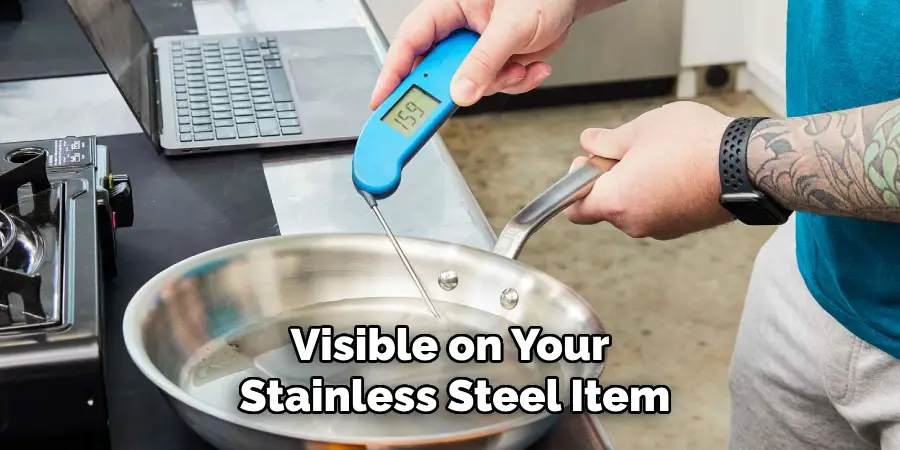
Step 9: Dry Thoroughly
After successfully removing all tea stains from your stainless steel item, dry it thoroughly with a soft cloth to prevent any water spots from forming. Make sure there is no water left on the surface as standing moisture can lead to discoloration and a buildup of mineral deposits over time.
By following these steps on how to remove tea stains from stainless steel, you can effectively remove tea stains from your stainless steel items without damaging the metal’s surface. Regular cleaning and maintenance will ensure that your items remain shiny and free from any unsightly discoloration caused by tea stains. Remember to always use gentle cleaning methods and avoid abrasive materials to preserve the beauty and longevity of your stainless steel possessions. Happy stain-free cleaning!
Preventing Future Tea Stains
To avoid dealing with stubborn tea stains in the future, it is essential to take preventive measures. After enjoying a cup of tea, make sure to rinse your stainless steel items with warm water and dry them thoroughly. This will prevent any tannins from settling on the metal’s surface, reducing the likelihood of stains forming.
Another preventative measure is to avoid letting tea sit for too long on your stainless steel items. If you are not finished drinking your tea, it is best to transfer it to another container rather than leaving it in contact with stainless steel for an extended period.
Regular cleaning and maintenance of your stainless steel items will also help prevent the buildup of tannin deposits and reduce the chances of stubborn stains forming. Soaking or scrubbing with baking soda can be done periodically as a preventive measure to keep your items looking shiny and stain-free.
By taking these simple steps on how to remove tea stains from stainless steel, you can enjoy your favorite cup of tea without worrying about stubborn stains on your stainless steel possessions. With proper care and maintenance, you can keep them looking like new for years to come.
Conclusion
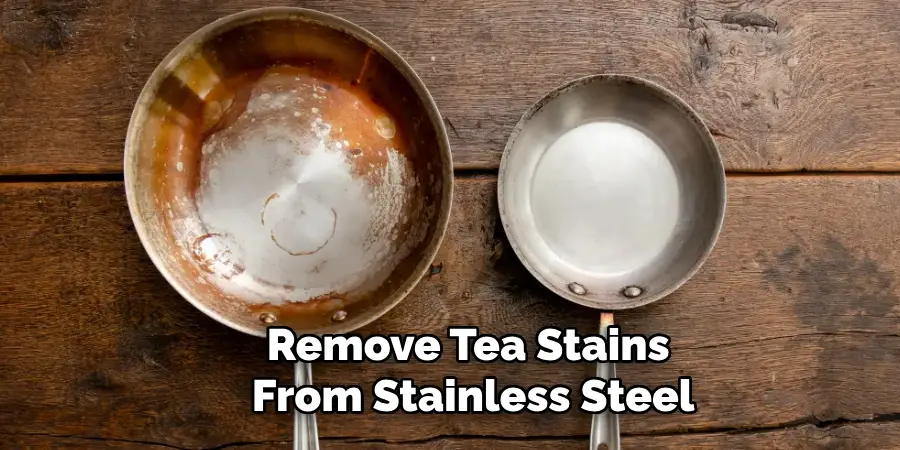
Tea stains on stainless steel can be particularly stubborn, but with the right approach, they can be effectively eliminated without damaging the metal. By using a combination of gentle cleaning agents like baking soda and white vinegar, alongside proper scrubbing techniques, you can restore your stainless steel items to their original shine.
Regular maintenance and preventive measures, such as immediate rinsing and periodic cleaning, will minimize the risk of future stubborn stains. With consistent care, your stainless steel possessions can remain pristine and stain-free, ensuring they continue to enhance your kitchen or dining experience for many years. Remember, a proactive approach to cleaning and maintenance is key to preserving the beauty and functionality of your items. Thanks for reading this article on how to remove tea stains from stainless steel.

About
Angela is the chief editor of Indoorense. She began her career as an interior designer before applying her strategic and creative passion to lifestyle and home.
She has close to 15 years of experience in creative writing and online content strategy for housekeeping and cleaning,home decorations as well as other efforts.
She loves her job and has the privilege of working with an extraordinary team. She lives with her husband, two sons, and daughter in Petersburg. When she’s not busy working she spent time with her family.