

Mirrors can enhance the aesthetic appeal of any room, providing a sense of space and light. However, over time, mirrors may develop unsightly black spots that can detract from their appearance. These spots, often a result of moisture, damage, or aging, occur when the silver backing of the mirror corrodes or deteriorates. Understanding how to effectively remove or address these spots can help preserve the mirror’s appearance and functionality. In this guide, we will explore how to remove black spots in mirror.
Why Mirrors Develop Black Spots Over Time
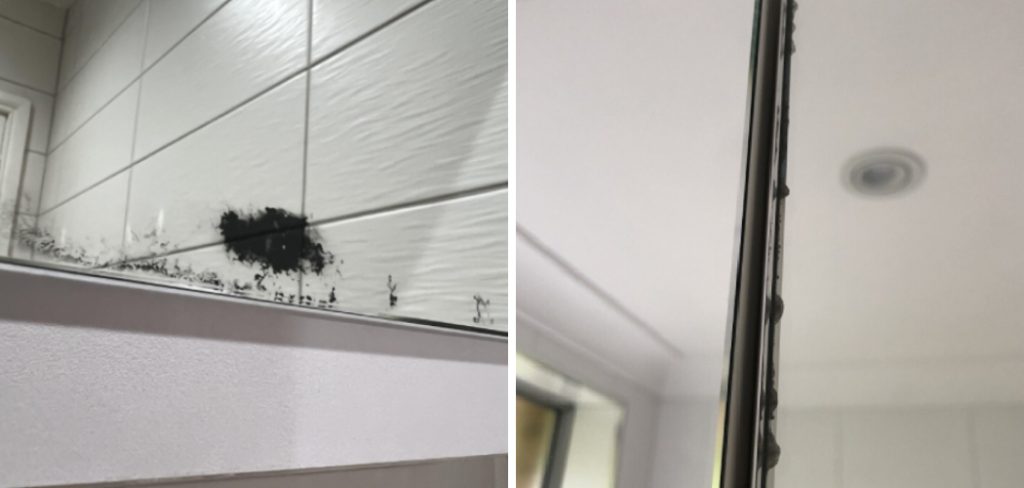
Black spots on mirrors primarily occur due to the deterioration of the reflective silver backing, a process known as desilvering. This often results from prolonged exposure to moisture, which can seep through scratches or edges and lead to the formation of these spots. Bathrooms, due to their high humidity levels, are particularly conducive environments for this issue. Additionally, chemical cleaners and harsh scrubbing can damage the protective coating on the mirror, accelerating the
desilvering process. Age is another factor; older mirrors simply become more prone to spotting as the silvering naturally breaks down over time. By understanding these causes, one can better care for mirrors to minimize the occurrence of such blemishes.
Types of Black Spots
Black spots on mirrors can vary in appearance and underlying cause. The most common type, referred to as “desilvering spots,” typically appears as small, dark patches along the edges of the mirror. These are caused by the breakdown of the silver backing due to moisture exposure and age. Another type, known as “cloudy spots,” manifests as a hazy or foggy area on the mirror’s surface, often caused by chemical damage from harsh cleaning solutions.
Additionally, “fungal spots” may appear if the mirror has been exposed to damp conditions for prolonged periods, leading to mold or mildew growth. Recognizing the type of black spots on your mirror is crucial in determining the appropriate method of restoration or care.

10 Methods How to Remove Black Spots in Mirror
1. Assess the Severity of the Damage
Before diving into any repair techniques, it’s important to assess how severe the black spots are and whether they are worth fixing. If the black spots are minor and scattered, simple DIY repairs may be enough to restore the mirror’s appearance. However, if large portions of the mirror are desilvered, it may be more cost-effective to replace the mirror altogether. Understanding the extent of the damage will help you decide whether you want to attempt a repair, mask the damage, or invest in a new mirror.
2. Use Mirror-Like Reflective Paint
One of the most straightforward ways to deal with black spots is by using a mirror-like reflective paint, which is designed to mimic the look of silvering on a mirror. This paint can be applied to the back of the mirror where the black spots have appeared, effectively covering the damaged areas. To do this, you’ll need to remove the mirror from its frame and work on the backside. Clean the area thoroughly, then apply the paint in thin, even coats.
Once it’s dry, the reflective quality of the paint can significantly reduce the visibility of black spots. While this method may not completely restore the mirror’s original appearance, it’s a cost-effective way to minimize the damage.

3. Cover Black Spots with Aluminum Foil
Aluminum foil is another inexpensive and creative way to mask black spots on a mirror. Since aluminum foil is reflective, it can be used to mimic the silver backing of the mirror. To use this method, first remove the mirror from its frame. Cut small pieces of aluminum foil to fit over the black spots on the back of the mirror, and secure them with clear adhesive or double-sided tape. When you reassemble the mirror, the foil will reflect light through the glass, making the black spots less noticeable. While this method won’t restore the mirror to its original condition, it’s a quick and easy way to hide small blemishes.
4. Apply a Mirror Resilvering Spray
For a more professional and durable solution, you can use a mirror resilvering spray. These sprays are specially formulated to restore the reflective coating on the back of the mirror. To use this method, you will need to disassemble the mirror, clean the damaged area, and apply the spray evenly to the desilvered sections. Be sure to follow the manufacturer’s instructions for best results. This technique is effective for covering small to medium black spots, and while it may not offer a perfect match to the original silvering, it can significantly improve the mirror’s appearance.
5. Use Mirror Repair Kits
There are mirror repair kits available that come with everything you need to address black spots. These kits typically include a reflective coating solution, an applicator, and detailed instructions on how to apply the product to the back of your mirror. Mirror repair kits are a convenient option for those who want a more comprehensive solution without needing to purchase multiple products. While the results may not be as perfect as a new mirror, they can reduce the appearance of black spots and extend the life of your existing mirror.
6. Apply Silver Leaf
For those who are more artistically inclined, applying silver leaf to the back of a mirror is a unique way to restore its reflective surface. Silver leaf is thin sheets of silver that can be applied to surfaces for a decorative effect. To use this method, carefully clean the back of the mirror where the black spots are located. Apply adhesive specifically designed for silver leaf, then gently place the silver leaf over the damaged area. Once the adhesive dries, the silver leaf will provide a reflective surface
that can reduce the visibility of black spots. While this method takes time and patience, it offers a creative and visually appealing way to repair a mirror.

7. Mask with Decorative Frames or Accents
If repairing the black spots directly doesn’t seem feasible, you can consider masking them with decorative elements such as frames or accents. Large or ornate frames can be used to cover up black spots around the edges of a mirror, while decorative stickers, decals, or faux gems can be strategically placed over black spots on the mirror’s surface. This approach doesn’t fix the underlying issue but allows you to get creative with how you hide the damage.
By turning the mirror into a statement piece with decorative elements, you can draw attention away from the black spots and towards the artistic flair of the frame or accents.
8. Prevent Further Desilvering with Protective Backing
To stop the spread of black spots, consider applying a protective backing to the mirror. Moisture and humidity are the primary causes of desilvering, so adding a layer of protection to the back of the mirror can help preserve its remaining reflective surface. You can use moisture-resistant tape, sealant, or even a thin layer of clear varnish to protect the back of the mirror from further exposure to moisture. While this method won’t remove existing black spots, it can prevent them from getting worse, thereby prolonging the life of the mirror.
9. Use Replacement Mirror Film
Mirror film is a thin, adhesive sheet that can be applied to the back of a mirror to restore its reflective surface. This is an excellent option if you have a large area of desilvering. To use this method, you’ll need to carefully measure the size of the damaged area, cut the film to fit, and then apply it to the back of the mirror. Mirror film provides a smooth, reflective surface that can cover black spots effectively. This method is relatively easy to apply and offers a quick fix for mirrors with moderate damage.
10. Replace the Mirror
In cases where the black spots are extensive and none of the above methods seem viable, replacing the mirror may be the best solution. While it can be more expensive than trying to repair the damage, replacing the mirror ensures that you have a flawless, fully reflective surface. If you have a unique or antique frame that you want to keep, you can have a new mirror cut to fit the existing frame. Alternatively, if the mirror itself is not particularly sentimental or valuable, replacing it with a new one may be the most practical choice.

Conclusion
Dealing with black spots on mirrors can be a challenging task, but with the variety of solutions available, you can choose the method that best suits your needs and resources. Whether you prefer a quick and temporary fix, like using aluminum foil or decorative accents, or a more permanent repair using mirror resilvering spray or repair kits, there is an option for everyone. For those who value creativity and artistry, applying silver leaf offers a unique touch, while
replacement mirror film provides an effective solution for larger areas of damage. Follow these simple instructions outlined in this blog post about how to remove black spots in mirror, and you’ll be able to get the job done with ease.

About
Angela is the chief editor of Indoorense. She began her career as an interior designer before applying her strategic and creative passion to lifestyle and home.
She has close to 15 years of experience in creative writing and online content strategy for housekeeping and cleaning,home decorations as well as other efforts.
She loves her job and has the privilege of working with an extraordinary team. She lives with her husband, two sons, and daughter in Petersburg. When she’s not busy working she spent time with her family.