
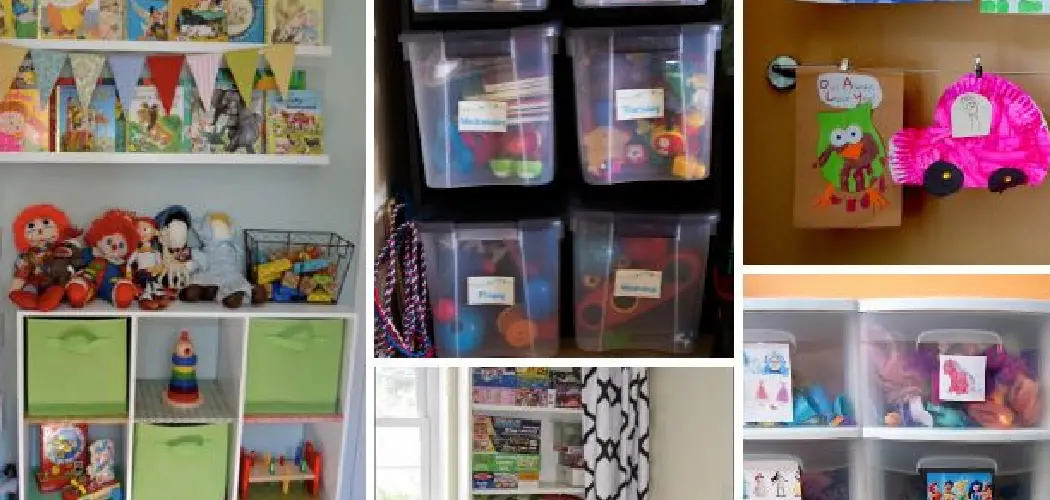
Organizing toys in a small space can be daunting for many families, as the abundance of toys often leads to clutter and chaos. The challenge of maintaining a tidy environment is compounded in limited spaces where every square foot must be maximized efficiently. Effective toy organization is crucial for keeping a neat home and reducing the stress that comes with disorganization.
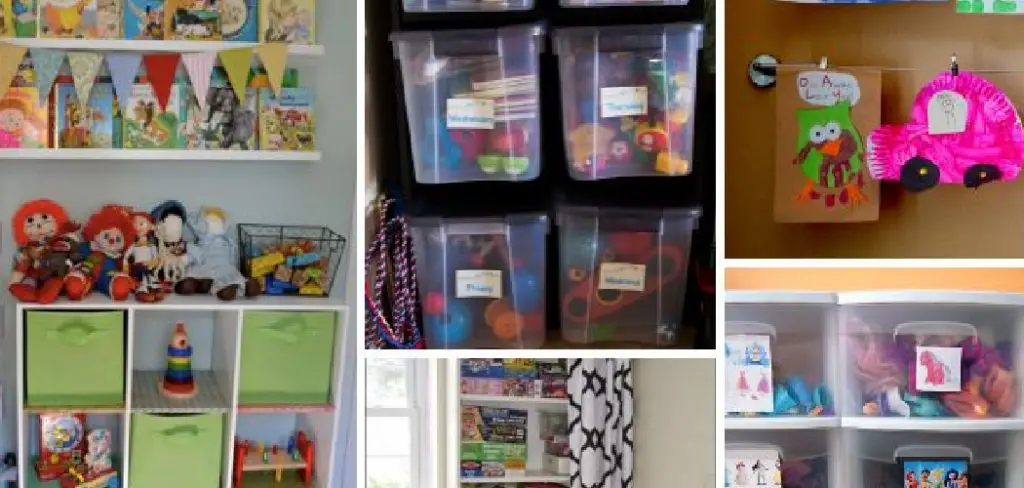
Cluttered spaces can overwhelm both children and parents, making playtime less enjoyable and cleanup more of a chore. This article addresses the pressing question of how to organize toys in a small space by offering practical and creative solutions. Our aim is to help you create an organized, functional space that also retains an element of fun and style, ensuring that play areas remain engaging for children while seamlessly blending with your home décor.
Declutter and Sort Toys
The first essential step in organizing a small toy space is decluttering. Begin by evaluating the entire toy collection and sorting through each item to determine its usefulness and sentimental value. This process will help you identify toys that are no longer played with, broken, or outgrown. Set up three primary categories: keep, donate, and discard. Involve your children in this decision-making process, encouraging them to evaluate which toys they genuinely love or use frequently. This teaches them the importance of letting go of excess and adds a sense of responsibility.
Once you’ve completed the decluttering phase, the next task is to sort the remaining toys into logical categories. Group similar items together, such as building blocks, dolls, action figures, or puzzle pieces. Consider the way your children play when creating categories, as this will influence how you store the toys. If your children have extensive collections, it might be helpful to subdivide large categories into smaller, more manageable groups, such as separating toy cars by model or art supplies by type.
Labeling is a key element in maintaining an organized toy space. Use clear and descriptive labels on storage bins and shelves to indicate where each toy category belongs. This creates an easy-to-follow system for returning items to their designated spots, making clean-up time less of a hassle. Younger children may benefit from picture labels, while older kids can use words.
Finally, establish a routine to regularly reassess the toy collection. Revisiting the decluttering process at set intervals, such as seasonally or during school breaks, ensures that your toy space remains organized and prevents the reaccumulation of clutter. Decluttering and sorting set a solid foundation for the subsequent storage and organization tasks, promoting a streamlined and enjoyable play environment.
How to Organize Toys in A Small Space: Use Multi-Functional Furniture
Incorporating multi-functional furniture is a smart strategy for maximizing toy storage in small spaces. Choosing furniture that serves multiple purposes allows you to maintain an organized environment without sacrificing style or functionality.
1. Choose Furniture with Built-In Storage
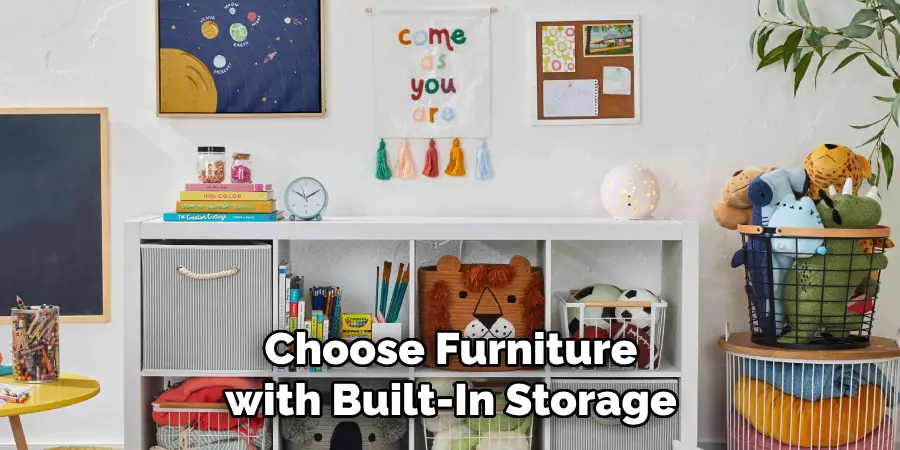
Look for pieces like ottomans, benches, or coffee tables with hidden storage compartments ideal for stashing toys. These pieces provide dual functionality, offering seating or surface space while discreetly storing away clutter. When selecting furniture, consider its style and color to ensure it complements the room’s existing décor, maintaining a cohesive and inviting atmosphere.
2. Consider Loft Beds with Space Below
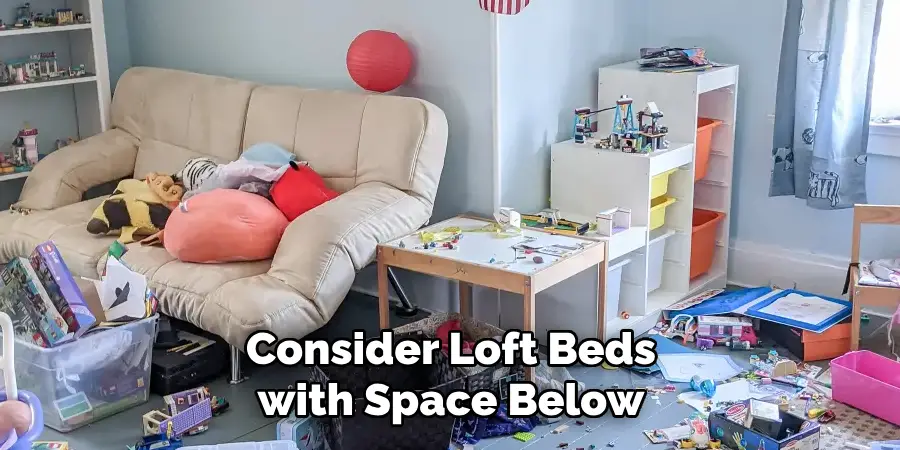
Loft beds are excellent for small spaces, as they elevate the sleeping area to create room for play or storage underneath. Utilize the space below by adding shelves or bins, creating a designated spot for toy storage that remains accessible yet organized. Loft beds free up floor space and introduce a creative play area that children will enjoy.
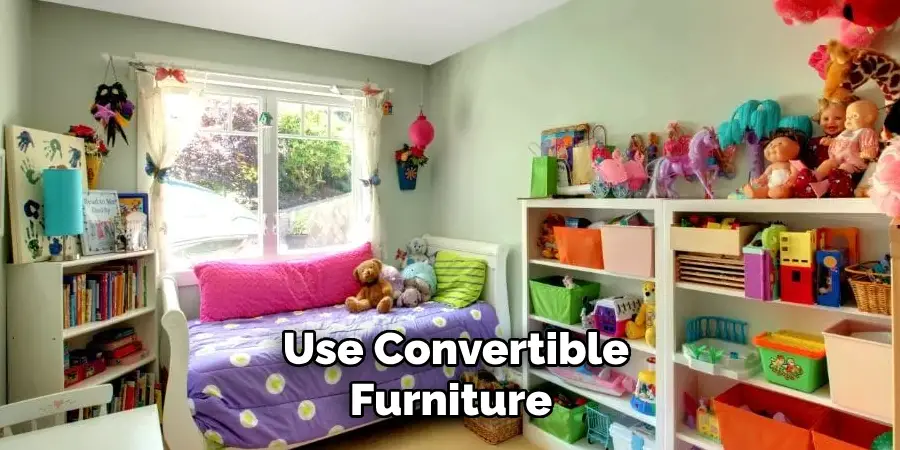
3. Use Convertible Furniture
Convertible furniture offers flexibility and adaptability, essential for changing needs and growing children. Items like foldable or stackable chairs and tables can be reconfigured as needed, providing versatile use of the available space. Consider collapsible toy storage solutions like pop-up bins or nesting baskets that can be neatly stored when not in use, allowing for quick setup and breakdown. These options provide practical and efficient ways to keep toys organized and within easy reach while maintaining a tidy and functional space.
By integrating these multi-functional solutions, you can maximize storage capabilities, enhance the room’s aesthetic, and create a playful yet organized environment for children to enjoy.
How to Organize Toys in A Small Space: Utilize Vertical Space
Maximizing vertical space is an effective approach to enhancing toy storage in small areas. By utilizing walls and doors, you can keep toys organized while maintaining floor space for play.
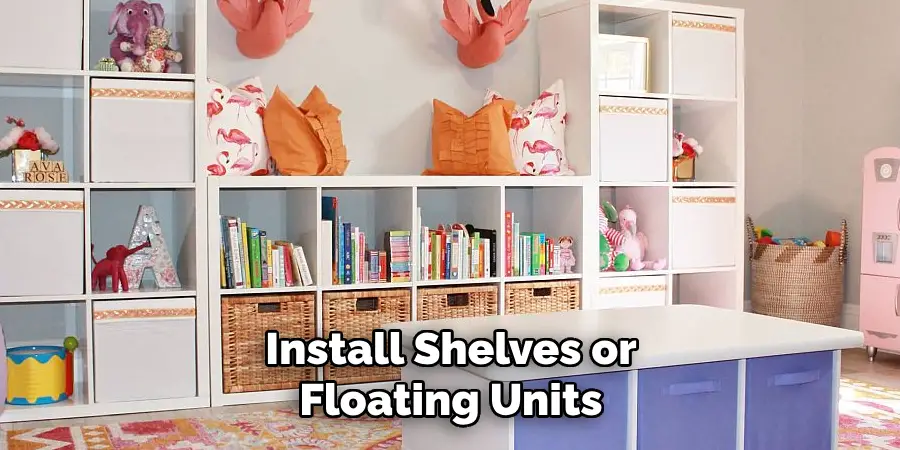
1. Install Shelves or Floating Units
Install wall-mounted shelves, floating units, or cubbies to lift toys off the floor and reduce clutter. These units can be arranged at varying heights to accommodate different toy sizes and storage needs. Adjustable shelves are particularly advantageous, as they can be modified as children grow or their toy collections evolve. When planning an installation, consider the weight capacity and ensure they are securely attached to the wall studs for safety. Arrange toys by frequency of use, placing commonly accessed items within reach and reserving higher shelves for occasional toys.
2. Use Over-the-Door Organizers
Over-the-door organizers provide an ingenious storage solution for small toys and accessories. Shoe organizers, for instance, have pockets perfect for storing smaller items like dolls, art supplies, or stuffed animals. Hooks or fabric pockets can also be used to accommodate lightweight toys. Labeling each pocket or section with pictures or words can help children easily identify and access their belongings, promoting independent organization. This method is especially effective for toys that require quick retrieval and return.
3. Hang Pegboards or Wall Hooks
Installing pegboards offers a customizable storage system that’s both functional and visually appealing. By attaching baskets or bins to the pegboard, you can store small toys and art supplies, keeping them readily available. Wall hooks are useful for hanging lightweight toys like dress-up costumes, bags, or play swords, ensuring they are neatly displayed rather than strewn across the room. When setting up a pegboard or wall hooks, ensure they are mounted at appropriate heights for accessibility. Consider using colorful hooks or bins to add a playful element to your storage system. Properly utilizing vertical space helps create an organized, easily navigable play environment while optimizing every inch of your available area.
Smart Storage Solutions for Small Toys
When organizing small toys, employing smart storage solutions can dramatically improve accessibility and tidiness.
1. Use Clear Storage Bins
Clear storage bins are ideal for managing small toys due to their transparency, allowing for immediate content visibility. This feature simplifies finding specific toys without needing to open each container. When using clear bins, it is beneficial to stack them, maximizing vertical space. To ensure easy retrieval, label each bin with the category of toys it contains, such as “Building Blocks,” “Action Figures,” or “Puzzle Pieces.” Utilizing a consistent labeling system aids in maintaining order and encourages children to independently return items to the correct bins.
2. Create a Toy Library with Baskets
A toy library system using baskets or fabric bins can facilitate organization while making toys easily accessible. Establishing a toy library involves categorizing toys and assigning them to specific baskets. Label each basket clearly, either with pictures or words, to indicate the type of toys it holds. Incorporating color-coded baskets can further assist children in distinguishing where each type of toy belongs, promoting self-sufficiency in tidying up. Regularly rotating the available toys can keep the play area fresh and engaging, preventing overwhelm and encouraging more focused play.
3. Use Drawer Dividers for Small Items
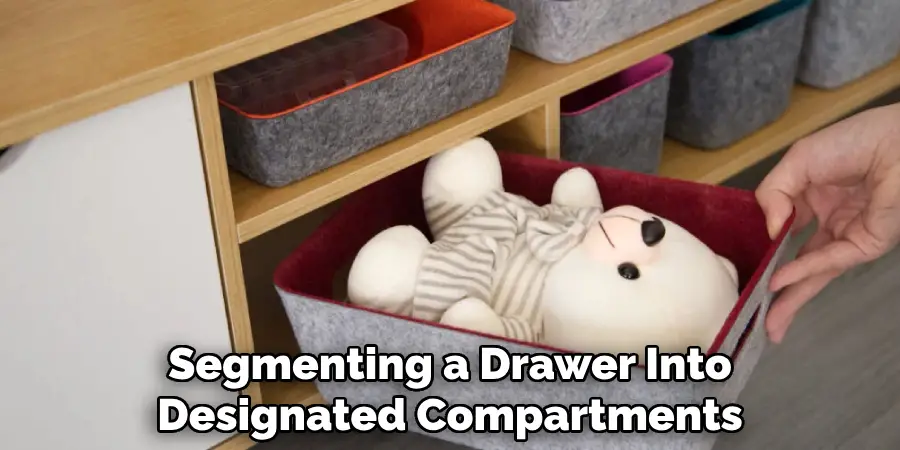
Drawer dividers or trays offer a structured way to organize small toys like cars, figurines, or puzzle pieces within drawers. By segmenting a drawer into designated compartments, each kind of toy can have its own section. This organization method minimizes clutter and helps maintain an organized appearance. To enhance this system, label each compartment with the type of item it is intended for, enabling children to quickly identify where each toy goes. Encouraging children to return toys to the properly labeled sections instills a habit of organization, fostering a more orderly play environment and reducing the time spent on clean-up.
Maximize Under-Furniture Storage
1. Use Under-Bed Storage Bins
Under-bed storage bins offer a practical solution for storing larger toys or items that are not frequently used. Opt for low-profile, rolling storage bins that can easily slide in and out, making access simple for children. Choose bins with lids to keep the contents dust-free, ensuring toys remain clean and ready for play. These bins capitalize on the often-overlooked space beneath the bed, cleverly expanding your storage capacity without cluttering living areas.
2. Store Toys Under Sofas or Couches
The space under sofas or couches can be effectively used with shallow containers or baskets. These allow for quick toy clean-up and provide an easy way for children to access and return toys during playtime. Select baskets or containers with handles or wheels to ensure children can pull them out effortlessly. Utilizing this high-demand play area allows you to maintain a neat appearance in shared spaces while keeping toys within reach.
3. Utilize the Space Under Coffee Tables
Enhance the space under coffee tables with decorative baskets or boxes that blend seamlessly with your home décor. This method allows you to hide toys in plain sight, keeping the room tidy and cohesive. Choose attractive storage solutions that complement the style of your living area, ensuring that functionality does not compromise aesthetics. This strategy optimizes storage and maintains an inviting and organized living environment.
Encourage Kids to Participate in Clean-Up
1. Create a Clean-Up Routine
Establishing a clean-up routine is essential for instilling organization habits in children. Start by setting a specific daily time dedicated to tidying up, such as before dinner or bedtime. Create a step-by-step guide that outlines tasks like sorting toys or putting them back in labeled bins. To make clean-up time enjoyable, consider using timers or playing upbeat music. Timers can turn the activity into a race, adding excitement and urgency, while the music makes the process lively, creating an association between cleaning and fun.
2. Use Labels or Pictures on Bins
Enhance organization by labeling storage bins with pictures or words corresponding to their toys. This approach helps children quickly identify where each toy should be stored, fostering independence. Visual aids are particularly beneficial for younger children who may not yet read but can recognize images. Use bright, attractive labels and ensure they are clearly visible. Incorporating a consistent labeling system simplifies the organizing process for children and promotes accountability in maintaining their play area.
3. Make Clean-Up a Game
Transforming clean-up into a game can significantly motivate children to participate eagerly. Consider engaging in activities like racing against the clock to see who can tidy up the most efficiently or introducing color-coded sorting challenges. Provide small rewards or incentives, such as stickers or extra playtime, to encourage completion. By making clean-up time playful and rewarding, children are more likely to view it as a positive and routine part of their day, resulting in a consistently neat and organized space.
Maintaining an Organized Toy Space
1. Set a Regular Toy Review Schedule
Maintaining an organized toy space often requires regular reviews of the toy collection to declutter or rotate items. Schedule monthly or seasonal clean-ups to assess which toys are no longer needed, broken, or outgrown. This reduces clutter and keeps the play area engaging and manageable. Incorporating a systematic review ensures that only relevant toys occupy the space, promoting a tidy and organized environment.
2. Keep Storage Solutions Flexible
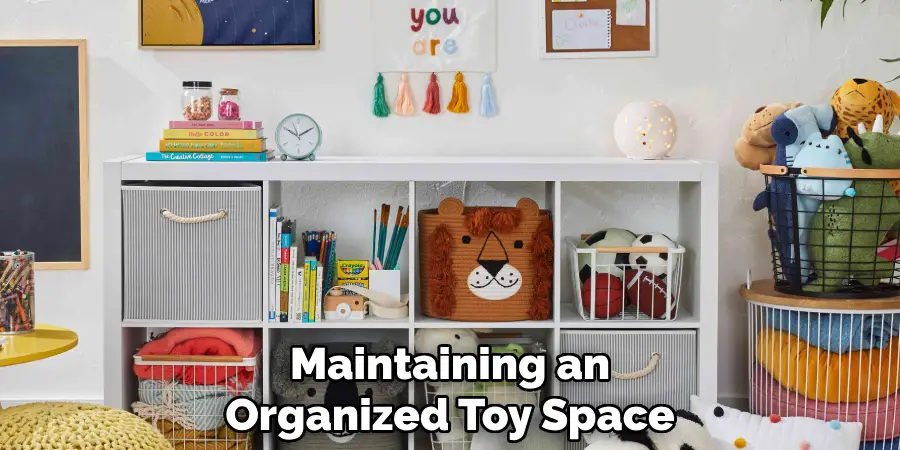
As children grow or their interests shift, it’s important to adapt storage solutions accordingly. Invest in modular or adjustable storage options that can evolve over time, accommodating changing toy preferences and ensuring longevity. Versatile storage solutions allow for easy reconfiguration, ensuring the toy space remains functional and efficient, regardless of the child’s stage or interests.
3. Reward Consistent Organization
Encourage a sense of responsibility by rewarding children for consistently keeping the toy area tidy. Implement a reward system, such as earning stickers, extra playtime, or small treats, to reinforce positive habits. Consistent recognition of their efforts will motivate children to maintain an orderly space, cultivating lifelong organizational skills and a sense of ownership over their play area.
Conclusion
Organizing toys in a small space involves implementing strategies like decluttering, using labeled storage bins, and maximizing under-furniture storage. Techniques such as encouraging children’s participation make the process enjoyable, while regular reviews ensure only relevant toys remain. It’s essential to stay creative with storage solutions, balancing practicality and style to efficiently manage limited space. Understanding how to organize toys in a small space fosters an orderly environment and contributes to a happier, more functional home. Families can enjoy a seamless blend of play and organization by maintaining a tidy play area.

About
Angela is the chief editor of Indoorense. She began her career as an interior designer before applying her strategic and creative passion to lifestyle and home.
She has close to 15 years of experience in creative writing and online content strategy for housekeeping and cleaning,home decorations as well as other efforts.
She loves her job and has the privilege of working with an extraordinary team. She lives with her husband, two sons, and daughter in Petersburg. When she’s not busy working she spent time with her family.