
When embarking on an interior design project, one of the fundamental steps is accurately measuring your room. Proper measurements are crucial to creating a well-planned space that harmonizes with your design vision. They ensure that your furniture and decorative elements fit appropriately, maximizing both function and aesthetics. With the right measurements, you can avoid costly mistakes, such as purchasing pieces that are too large or too small for your intended layout.
This guide will walk you through how to measure a room for interior design, setting the stage for a successful interior design endeavor.
Importance of Accurate Room Measurement
Accurate room measurement lays the foundation for a successful interior design project. Precise dimensions help you make informed decisions concerning furniture selection, layout design, and space utilization. If measurements are incorrect, even the most well-conceived designs may encounter functional issues, leading to disappointment and additional costs. Correct measurements also provide a clear framework for visualizing how various elements will interact
within the space, ensuring that traffic flow and accessibility are optimized. Taking the time to thoroughly measure promotes efficient use of the space and ensures that all elements work cohesively, highlighting the design’s aesthetic while maintaining practicality.
Gather Essential Tools
Before starting the measurement process, it’s crucial to gather the necessary tools to ensure accuracy and efficiency. The primary tool you’ll need is a reliable tape measure, preferably one that’s at least 25 feet long. A laser measure can also be handy for measuring longer distances with greater precision. Additionally, have a notepad or a digital device ready to record your measurements. A pencil is preferable for making easy corrections. If you’re dealing with complex
spaces, a floor plan sketching app can be invaluable. Finally, consider a level to ensure that measurements are taken consistently across the room’s height. Having these tools on hand will streamline the measurement process and set you up for success in your interior design project.

10 Methods for How to Measure a Room for Interior Design
Whether you’re a professional interior designer, a homeowner planning a remodel, or a DIY enthusiast eager to update your spaces, accurate measurements are crucial for success. Forgetting to account for a single measurement could mean that stunning sofa you eyed won’t fit through the door, or that dreamy wallpaper might be a few rolls short. With this comprehensive guide, you’ll learn the best methods to measure a room like a pro, ensuring your design projects go off without a hitch.
1. Use a Tape Measure
The classic tool for measuring any room is a tape measure. This old standby is particularly useful for smaller spaces that don’t have awkward angles or features. Make sure your tape measure is long enough for the room dimensions you need—16-25 feet is usually sufficient for most homes. When measuring, keep the tape taut to avoid sagging, which could lead to inaccuracies.
2. Opt for a Laser Measure
For tech-savvy designers and homeowners, a laser measure can provide quick and highly accurate measurements. These tools are excellent for larger spaces and offer the advantage of one-person operation. Simply point the laser at the opposite wall, and voilà—the measurement displays on the screen. Remember to check for obstructions like furniture or wall decor that could skew your reading.
3. Create a Sketch of the Room
Before you start measuring, sketch a rough outline of the room including all walls, doors, windows, and fixed features like fireplaces. This sketch will serve as a blueprint to record your measurements. Use graph paper to maintain scale and precision.

4. Measure Wall Lengths
Begin by measuring the length of each wall. Place your tape measure or laser at one corner, extending it to the other. Record these measurements on your sketch. Don’t forget to note the position and width of doors and windows, as these affect furniture placement and decor.
5. Calculate Ceiling Height
Knowing the ceiling height is key for hanging art, installing cabinets, and planning vertical storage. Use a tape measure from floor to ceiling. If ceilings are too high, use a laser measure or a measuring rod. Standard ceilings measure around 8 feet, but variations are common.
6. Measure Window Dimensions
Window sizes influence light levels and dictate curtain or blind sizes. Carefully measure width and height, and note the distance from the floor and ceiling. Additionally, measure any window sills or frames to ensure complete understanding of the window area.
7. Measure Door Sizes and Swings
Door size matters for furniture delivery and flow within the room. Measure width and height, and take note of the swing direction and clearance. Space constraints might mean opting for sliding doors or rethinking furniture layout.
8. Consider Built-In Features
Built-ins like alcoves, radiators, and fireplaces need to be measured for accurate floor plans. Measure their height, width, and depth, and include these in your layout to avoid surprises when positioning furniture or installing surround fixtures.
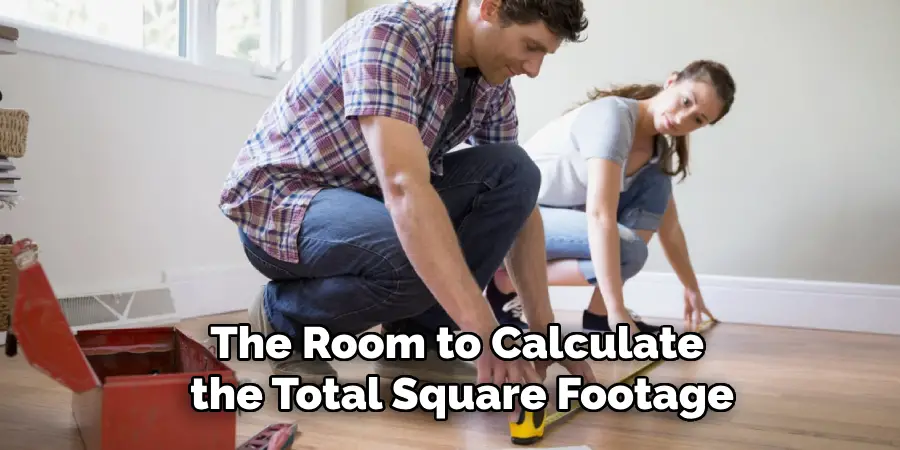
9. Calculate Total Square Footage
Multiply the length and width of the room to calculate the total square footage. This is critical for ordering flooring, painting, or wallpaper. For irregularly shaped rooms, break the space into simpler shapes, calculate each area, and sum together.
10. Document Everything
Thorough documentation is essential. Use a digital tool or app to keep track of your measurements and sketches. This makes it easy to share with contractors or refer back to if questions arise during your project.
Consider Flooring and Rug Sizes
Choosing the right flooring and rug sizes is vital to enhance the aesthetics and functionality of your room. Begin by understanding the total square footage of the space, as this will determine how much flooring material you need. Additionally, consider the room’s layout and traffic patterns when selecting flooring, as these factors can influence the durability and type of flooring that would work best. When it comes to rugs, ensure that they are proportionate to your room size and furniture arrangement.
An area rug should ideally leave an 18-24 inch border of bare floor around the edges of the room unless you’re working with a smaller space. For seating areas, all the furniture legs should either sit on the rug entirely or just the front legs for a cohesive look. Properly coordinating your flooring and rug choices will not only add warmth and texture but also help unify the overall design of the space.
Maintenance and Upkeep
Once your interior design project is complete, maintaining and upkeeping your space is crucial to ensuring longevity and continued aesthetic appeal. Regular cleaning and upkeep of furniture, flooring, and decor are essential. Vacuum carpets and rugs frequently to prevent dirt buildup and use appropriate cleaners for different flooring types to maintain their finish. Dust surfaces and clean upholstery with fabric-appropriate products. Keep an eye out for any necessary repairs,
such as tightening screws on loose furniture or refreshing paint jobs on walls to prevent wear and tear from diminishing your room’s beauty. Additionally, inspect and replace any light fixtures or bulbs to maintain a consistent ambiance. By staying on top of maintenance routines, you’ll preserve the function and charm of your carefully curated interior for years to come.
Alternative Methods and Tips
When it comes to designing and measuring a room, there are always alternative methods and tips that can enhance your process and outcome. If traditional tools or technology don’t suit you, consider hiring a professional interior designer or using online design platforms. These can provide expert guidance, digital visualization, and precise measurements to help you achieve your desired look. Additionally, if you’re working alone, using painter’s tape to outline furniture placement on the floor can give you a better sense of space before making any purchases.
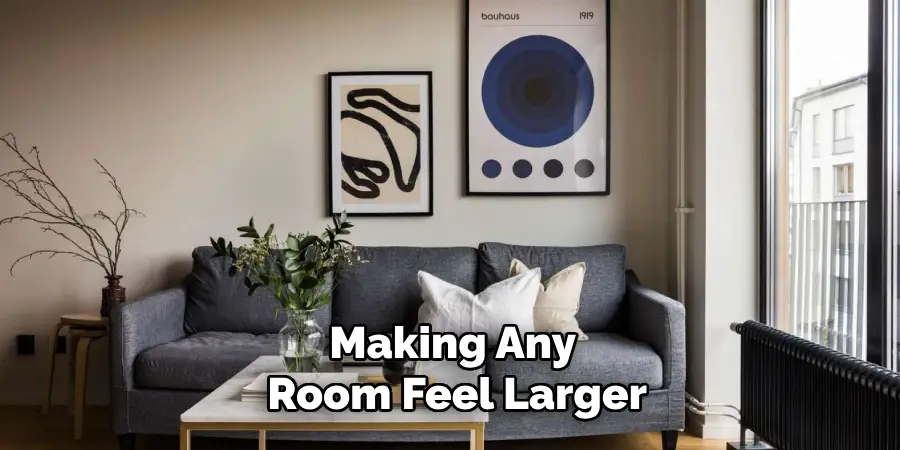
One valuable tip is to incorporate multipurpose furniture, especially in compact spaces. Pieces like storage ottomans, extendable tables, or sleeper sofas maximize utility while saving space. Also, consider lighting strategically; using a mix of floor lamps, table lamps, and overhead fixtures can create a warm, inviting ambiance. Lastly, always think about the natural light available and how mirrors can be used to reflect it, making any room feel larger and more open. Integrating these alternative methods and tips into your design process can lead to more personalized and efficient interior decorating solutions.
Conclusion
Embarking on an interior design journey involves a thoughtful blend of measurements, planning, and creativity. By meticulously measuring your space, calculating dimensions, and considering every aspect of your room’s layout, you set the stage for a successful design project. Selecting appropriate flooring and rug sizes based on traffic patterns and aesthetics can enhance the functionality and charm of the space. Regular maintenance ensures that your interiors continue to
exude beauty and remain in prime condition over time. Follow these simple instructions outlined in this blog post about how to measure a room for interior design, and you’ll be able to get the job done with ease.

About
Angela is the chief editor of Indoorense. She began her career as an interior designer before applying her strategic and creative passion to lifestyle and home.
She has close to 15 years of experience in creative writing and online content strategy for housekeeping and cleaning,home decorations as well as other efforts.
She loves her job and has the privilege of working with an extraordinary team. She lives with her husband, two sons, and daughter in Petersburg. When she’s not busy working she spent time with her family.