
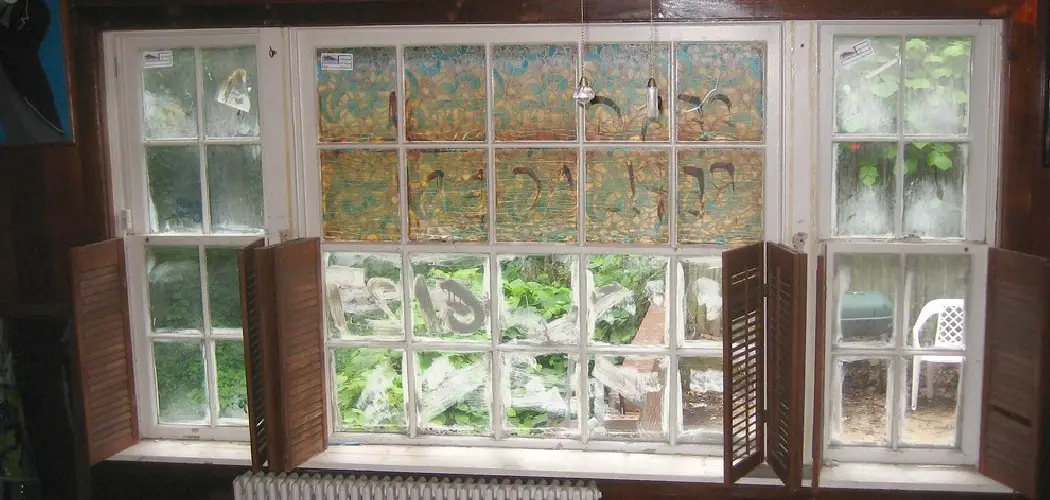
Windows are a prominent feature of any home, and over time, they can begin to show signs of wear and tear. Restoring old windows not only enhances their appearance but also contributes to energy efficiency and home value. Whether you have wooden, metal, or vinyl windows, there are various approaches to breathe new life into them without opting for a complete replacement.
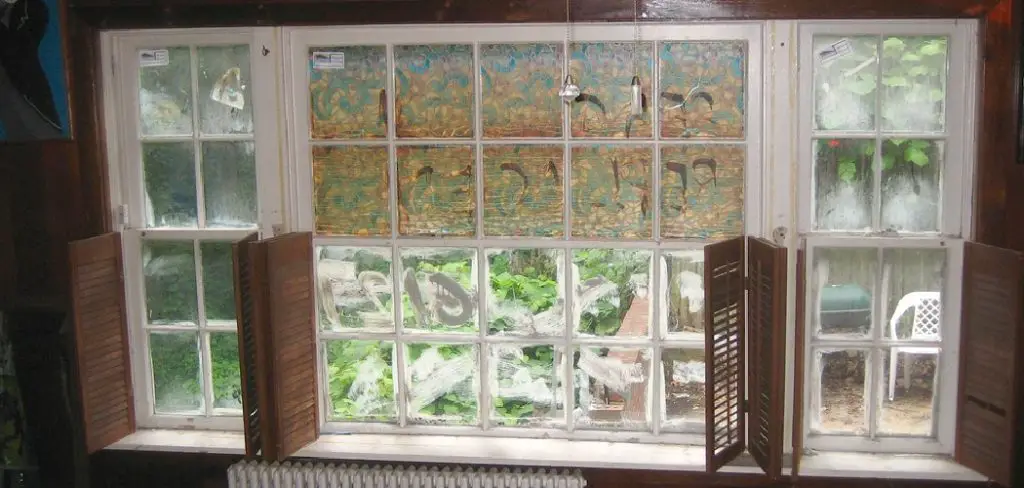
This guide on how to make old windows look new will provide you with effective strategies to transform your old windows, making them look as good as new. From simple cleaning techniques to more involved restoration processes, you’ll discover how a little effort can yield remarkable results.
Why Restore Old Windows?
Before we delve into the steps to make old windows look new, let’s first understand why it’s worth your time and effort. Here are some reasons to consider restoring old windows instead of replacing them:
Cost-effective:
Restoring old windows is a more budget-friendly option compared to buying brand-new ones. Replacement windows can be expensive, especially if you have multiple windows in your home. By restoring old windows, you can save a significant amount of money while still achieving the desired results.
Historic preservation:
For older homes, maintaining and restoring the original windows is essential for preserving its historic charm and character. Replacing them with modern options can drastically alter the appearance of a historical building.
Energy efficiency:
Restoring old windows can also contribute to energy efficiency. Sealing gaps and cracks, replacing damaged weatherstripping, and adding storm windows can all help to reduce drafts and heat loss during colder months.
Environmental impact:
Replacing old windows means adding more materials to landfills, whereas restoration helps to minimize waste and reduce the environmental impact.

8 Steps on How to Make Old Windows Look New
Step 1: Clean and Prep
The first step in revitalizing your old windows is thorough cleaning and preparation. Begin by removing any dust, dirt, or cobwebs from the window surfaces. Use a mild detergent mixed with warm water and a soft cloth or sponge to clean the glass panes, frames, and sills. For stubborn grime or build-up, a gentle glass cleaner can be added to your cleaning routine. Ensure you rinse thoroughly and dry with a lint-free cloth to prevent streaks.
This initial cleaning will not only improve the appearance but also reveal any underlying issues, such as cracks or peeling paint, that need attention. Additionally, make sure to remove any old caulking or loose paint using a putty knife or paint scraper, taking care to avoid damaging the window frame. Proper preparation sets the foundation for successful restoration and ensures that any repairs or enhancements will adhere properly.
Step 2: Repair and Replace
Once your windows are clean and prepped, it’s time to address any visible damage. Wooden windows may have rotted or damaged wood, while metal or vinyl windows may have chips or cracks. These issues should be repaired promptly to prevent them from worsening.
For wooden windows, use wood filler to fill in any holes or gaps. Sand down the surface once the filler has dried to create a smooth finish. For significant damage, consider replacing the damaged section of wood entirely.
For metal or vinyl windows, repair any chips or cracks using a patching compound designed for the specific material once it has dried, sand and smooth out the surface to blend it in with the rest of the window.
Step 3: Strip and Sand
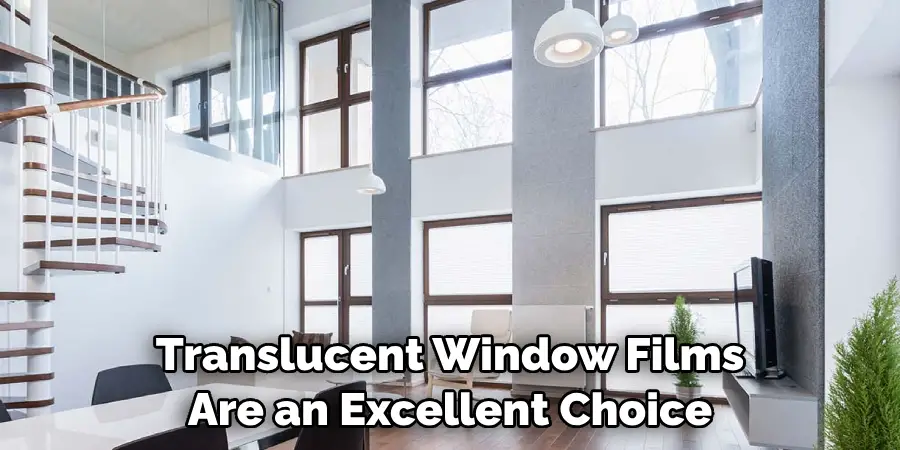
If your old windows have multiple layers of paint, it may be necessary to strip them down to bare wood or metal. This will not only improve their appearance but also make it easier to repaint or refinish them. Use a paint stripper following the manufacturer’s instructions, and then sand down the surface to create a smooth finish.
If your windows have intricate details, you may need to use a small brush or sandpaper to reach all the nooks and crannies.
Step 4: Refinish or Repaint
With your windows stripped and sanded, you can now choose to refinish them with a stain or repaint them with a fresh coat of paint. For wooden windows, staining can enhance their natural beauty while still providing protection against the elements. Apply the stain using a brush or cloth, following the wood grain for an even application.
If painting is preferred, use high-quality exterior paint that is suitable for the specific material of your windows. Apply multiple coats if needed for a smooth, long-lasting finish.
Step 5: Replace Hardware and Accessories
Upgrading the hardware and accessories of your windows can significantly enhance both functionality and aesthetics. Start by examining the existing hardware, such as locks, handles, and hinges, for any signs of wear, rust, or malfunction. Replace any damaged or outdated hardware with modern alternatives that match the style of your home.
Opt for materials like stainless steel or brass that not only look appealing but are also durable and resistant to corrosion. Consider updating window treatments, such as curtain rods or blinds, to complement the refreshed look of your windows. By incorporating new hardware and accessories, you’ll ensure smoother operation and improve the overall appearance, completing the transformation of your old windows.
Step 6: Install Weatherstripping
One of the most significant benefits of restoring old windows is improving energy efficiency. Adding weatherstripping can help to seal any gaps or cracks and prevent drafts, resulting in lower heating and cooling costs. Measure the length and width of your window frames and purchase weatherstripping accordingly. There are various types available, such as adhesive strips or v-strips, so choose the one that best suits your needs.
Carefully apply the weatherstripping along the edges of the window frame, ensuring it creates a tight seal when closed. You may need to trim it to fit correctly or use a caulk gun for better adhesion. Repeat this process for all your windows to maximize energy savings.
Step 7: Add Storm Windows
For even more significant energy savings, consider installing storm windows on top of your restored old windows. These are installed on the exterior of the primary window and provide an additional layer of insulation. Choose from various materials such as glass or plastic, and opt for ones with low-emissivity coatings for maximum efficiency.
Storm windows also offer added protection against harsh weather conditions and can reduce outside noise, making them a worthwhile investment for both historic preservation and cost-saving purposes.
Step 8: Maintain Regularly
To ensure that your restored old windows continue to look new for years to come, it’s crucial to include them in your regular home maintenance routine. This includes periodic cleaning and inspection for any signs of damage or wear. Touch up any chipped paint or damaged areas promptly to prevent further deterioration.
Additionally, lubricate hinges and tracks as needed to maintain smooth operation and replace weatherstripping as it wears out. With proper maintenance, your old windows can continue to enhance the charm and character of your home while providing practical benefits like energy efficiency.
By following these 8 steps on how to make old windows look new, you can make your old windows look new again and preserve their historic value while also reaping the many benefits they offer. Don’t let the outdated appearance of your windows discourage you – with a little effort and care, they can be restored to their former glory and enhance the beauty of your home. So, grab your supplies and get started on giving your old windows a much-needed makeover!
Frequently Asked Questions
Q: Can I Use Regular Wood Filler for My Wooden Windows?
A: Yes, you can use regular wood filler to repair small holes or gaps in your wooden windows. However, for significant damage, it’s best to replace the damaged section of wood entirely. The wood filler should only be used for minor repairs.
Q: How Often Should I Repaint or Refinish My Windows?
A: The frequency of repainting or refinishing your windows depends on various factors, such as the type of material and exposure to elements. Generally, wooden windows require maintenance every 3-5 years, while vinyl windows may only need repainting every 10-15 years. Keep an eye out for signs of wear and damage and address them promptly to extend the lifespan of your windows.
Q: Are Storm Windows Worth the Investment?
A: Yes, storm windows can provide significant energy savings and protect your primary windows from harsh weather conditions. They are also a great option for historic homes, as they can preserve the original windows while still providing modern benefits. Consider the climate and your specific needs to determine if storm windows are a worthwhile investment for you.
Conclusion
Restoring old windows can be a rewarding project that blends historic preservation with modern efficiency. By following the detailed steps on how to make old windows look new, homeowners can rejuvenate their windows, enhancing both aesthetics and functionality. The process not only revitalizes the look of your home but also offers practical benefits like improved energy efficiency and cost savings. Additionally, by incorporating modern hardware and applying regular maintenance, you ensure that your windows remain in excellent condition for years to come.
Embrace the challenge of breathing new life into your windows and enjoy the satisfaction that comes from preserving a piece of your home’s history. With a thoughtful approach and careful execution, you can achieve results that honor the past while embracing the present.

About
Angela is the chief editor of Indoorense. She began her career as an interior designer before applying her strategic and creative passion to lifestyle and home.
She has close to 15 years of experience in creative writing and online content strategy for housekeeping and cleaning,home decorations as well as other efforts.
She loves her job and has the privilege of working with an extraordinary team. She lives with her husband, two sons, and daughter in Petersburg. When she’s not busy working she spent time with her family.