
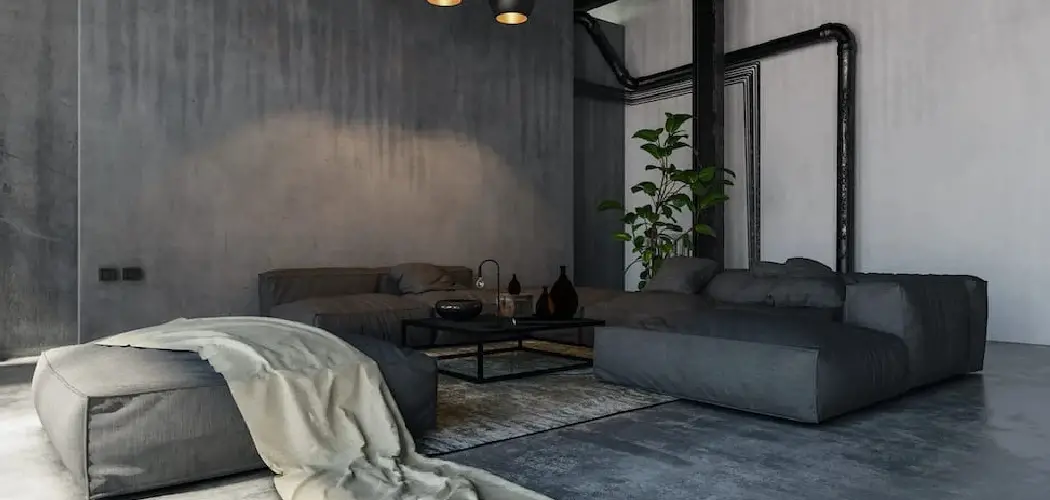
Warehouse living has emerged as an intriguing trend in recent years, particularly in urban areas teeming with old industrial buildings. The allure of converting such spaces lies in their inherent spaciousness, allowing for open floor plans that spark creativity and unique interior designs. Additionally, these spaces often come with the benefit of being more cost-effective than traditional apartments in similar neighborhoods. The industrial character of warehouses allows residents to blend raw, untouched aesthetics with personalized, stylish elements.
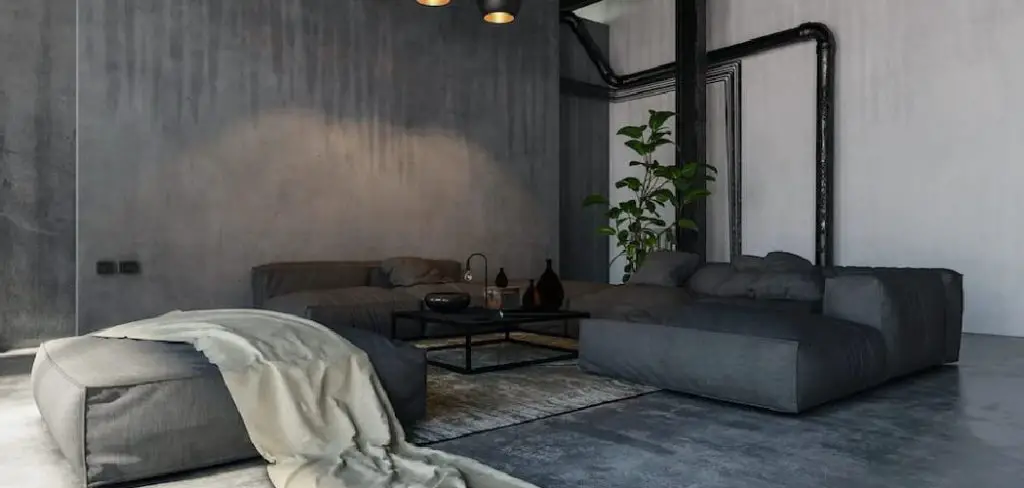
This article seeks to serve as a comprehensive guide on how to live in a warehouse, addressing the key aspects needed to turn these cavernous spaces into functional homes. Topics range from navigating the legal frameworks and zoning regulations to the best ways of designing and maintaining a comfortable living environment. Readers can explore the feasibility and excitement of transforming a warehouse into a vibrant dwelling through this guide.
Understanding Warehouse Living
What Is Warehouse Living?
Warehouse living refers to adapting previously commercial or industrial spaces into residential dwellings. This trend has evolved as urban areas experience a decline in manufacturing activities, leaving behind vast, unused buildings. Many of these spaces have been artfully transformed into modern homes, offering both character and functionality. Different types of warehouse living include converted industrial spaces, artist lofts, and shared living communities, each offering a distinct living experience.
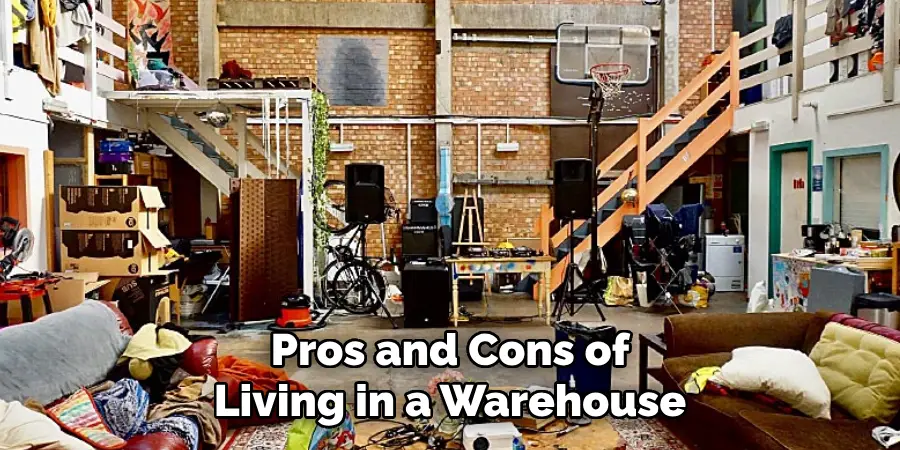
Pros and Cons of Living in a Warehouse
Pros:
- Spaciousness and Open Floor Plans: Warehouses offer expansive areas ideal for creating unique living environments.
- Potential for Customization and Unique Interior Design: The vast, open layouts allow for creative flexibility in interior design.
- Often Lower Rent Compared to Traditional Apartments in Urban Settings: Due to their non-traditional nature, renting a warehouse space can be more budget-friendly.
Cons:
- Potential Zoning and Legal Issues: Navigating zoning laws and obtaining the necessary permits can be complex.
- Lack of Privacy in Shared Spaces: Maintaining privacy can be challenging Without traditional room divisions.
- Challenges with Heating, Cooling, and Insulation: Large spaces can present difficulties in maintaining comfortable temperatures.
Legal Considerations and Zoning Regulations
Researching Local Zoning Laws
Before converting a warehouse into a living space, it’s crucial to understand the zoning regulations pertaining to residential use in your area. Zoning laws dictate how properties can be used and are essential to ensure your living arrangements are compliant. Begin by researching your locality’s specific codes through local government websites or visiting municipal offices. Engaging with community planners can provide valuable insights into any zoning restrictions or requirements applicable to warehouse living. This upfront research is vital to avoid legal complications and to ensure a smooth transition from a commercial to a residential property.
Obtaining Necessary Permits
Converting a warehouse into a residential space typically requires various permits and compliance with building codes. These may include permits for zoning, construction, and occupancy changes. Ensuring that the construction meets building and safety regulations, such as fire safety standards, plumbing systems, and electrical installations, is imperative. To facilitate this process, it is advisable to consult with professionals, such as architects or contractors, who are familiar with local guidelines. Doing so will help maintain safety standards and protect both the property’s value and its occupants.

Working with Landlords and Property Owners
Clear communication with landlords is vital when leasing warehouse space for residential purposes. To avoid future disputes, outline and obtain written agreements covering modifications, rent conditions, and specific living arrangements. Discussing and documenting any structural changes or improvements you wish to make will ensure mutual understanding and provide a legal framework for your plans. Building a cooperative relationship with property owners can foster an amicable ongoing involvement, benefiting both parties involved in the lease.
How to Live in A Warehouse: Designing Your Warehouse Living Space
Creating a functional and comfortable living space within a warehouse requires a thoughtful design that takes advantage of the unique open layout while ensuring practicality and personal flair. Here, we’ll explore methods for effectively utilizing your warehouse to create distinct zones, maximize space, and infuse personality into your new home.

Creating Functional Zones
The expansive layouts of warehouses allow for creative flexibility when designing functional zones. Start by evaluating how you use your daily living space and what areas you need, such as a living room, kitchen, bedroom, and workspace. To divide these areas while preserving an open feel, consider using furniture arrangements and room dividers creatively. Bookshelves can double as dividers and storage, while curtains or sliding panels offer flexible, temporary boundaries. Employing different textures or rugs can subtly indicate separate areas without physical barriers.
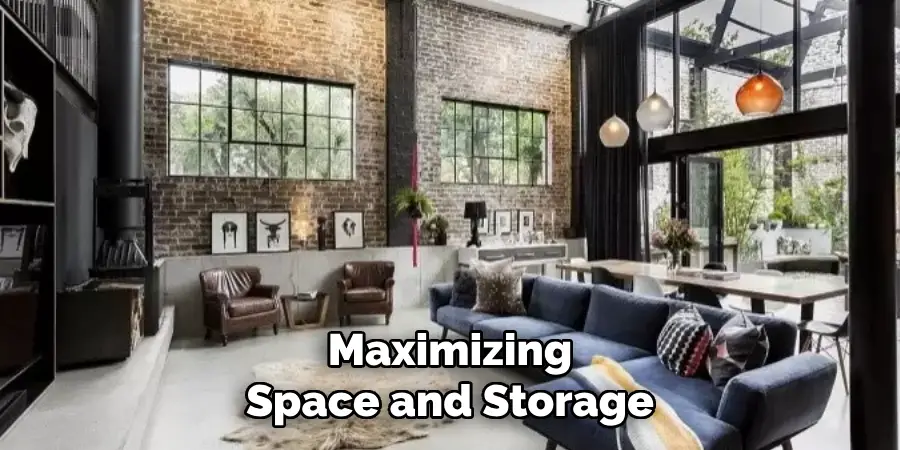
Maximizing Space and Storage
With the vast ceilings typical of warehouse spaces, maximizing verticality is crucial. Install shelving units or wall-mounted storage options to keep floor space clear and utilize every bit of space effectively. Lofted beds can create additional living or storage areas beneath them, making the most of your space. Incorporate multifunctional furniture, such as sofa beds or tables with built-in storage, to keep the space organized and uncluttered. Such pieces combine functionality with the sleek, modern aesthetic suited to a warehouse environment.
Lighting and Ambiance
Lighting is essential in enhancing the atmosphere and functionality of a warehouse living space. Taking advantage of natural light through large windows can illuminate the space and enhance its openness. However, supplementing with ample artificial lighting is vital for setting the right ambiance. Consider a mix of floor lamps, pendant lights, and string lights to provide layers of illumination. Adjustable lighting can cater to different moods and functionalities, from warm, ambient lights for relaxation to focused lighting in work or cooking areas.
Personalizing Your Space
While maintaining the industrial style of the warehouse is an attractive choice, personal touches can add warmth and comfort. Use art and wall hangings to introduce color and personality to the space. Incorporating plants will bring life and freshness, offsetting the industrial heft of the architecture. Personal items and decor elements, such as textiles in your favorite hues or family mementos, can transform a stark space into a cozy, unique home. By embracing the industrial aesthetic yet adding personal details, you create a harmonious balance between raw elements and homely warmth, ensuring your warehouse is truly a reflection of you.
How to Live in A Warehouse: Practical Living Arrangements
Utilities and Amenities
To ensure comfort and functionality, living in a warehouse requires careful planning of essential utilities like water, electricity, heating, and internet access. Proper plumbing and electrical work is vital for safety and compliance with residential building codes. It is advisable to hire licensed professionals to inspect and install systems that will effectively meet your needs. When setting up internet access, consider using robust Wi-Fi solutions to cover large open spaces and maintain a reliable connection.
Maintaining Comfort in a Warehouse
Maintaining a comfortable temperature in a warehouse can be challenging due to its large, open spaces. Insulation plays a crucial role in regulating indoor temperatures and can be complemented by strategically placed area rugs and heavy curtains to reduce drafts. Investing in efficient heating and cooling units, such as ductless mini-splits or portable heaters and fans, can provide localized climate control. Creating a cozy environment is achievable by arranging furniture to form intimate, inviting areas, encouraging relaxation and warmth. Soft textiles and comfortable seating can enhance the space, making it a welcoming retreat.
Addressing Noise and Privacy Issues
One of the potential drawbacks of warehouse living is the presence of echoes and noise due to open layouts and hard surfaces. To mitigate noise, consider soundproofing strategies such as adding rugs and curtains that absorb sound and wall treatments that reduce reverberation. For privacy while maintaining the open feel, use screens, tall plants, or curtain systems to section off personal areas. These divisions can help create private zones for sleeping or working, offering a respite from the open sprawls while preserving the spaciousness that is characteristic of warehouse living. You can foster a peaceful and personalized living environment through these thoughtful arrangements.
Building a Community in a Warehouse
Engaging with Neighbors
Living in a warehouse environment offers a unique opportunity to foster a vibrant and supportive community. Connecting with your neighbors enhances your living experience and enriches the warehouse’s communal atmosphere. Organizing events like potlucks, game nights, or workshops can help break the ice and allow residents to form lasting relationships. Hosting periodic meetings or gatherings in shared spaces encourages ongoing interaction and makes the community feel more cohesive and inclusive.
Shared Amenities and Resources
Warehouses often provide shared amenities that become focal points for community engagement. Potential shared spaces may include communal kitchens, lounges, or gardens for relaxation and collaboration. Coordinating with neighbors to maintain these areas is beneficial, ensuring they remain accessible and well-kept for everyone’s enjoyment. Additionally, collaborating on joint projects such as gardening or social initiatives can strengthen ties among residents. By working together on maintenance and communal activities, a sense of solidarity and teamwork forms, enriching the overall warehouse living experience and cultivating a genuine sense of belonging.
Legal and Financial Considerations
Insurance Needs
Securing renters’ insurance is crucial in a warehouse living setting to protect personal belongings from unforeseen events, such as theft, fire, or water damage. Warehouses might face unique risks due to their structure and location, so choosing insurance that specifically covers these circumstances is important. When searching for suitable options, consider policies that offer comprehensive protection tailored to unconventional living spaces. Consult with an insurance agent who understands the nuances of warehouse living to ensure coverage meets your needs.
Budgeting for Warehouse Living
Living in a warehouse can come with a variety of costs, including rent, utilities, and potential renovations to make the space habitable. It’s important to map out a budget for fixed and variable expenses. Rent may vary considerably based on location and size, while utilities can fluctuate with seasonal temperature changes due to large spaces. Renovations like installing partitions or kitchen upgrades should also be factored into your financial plan. By devising a flexible budget that anticipates these costs, you’ll be better prepared to manage your finances effectively.
Long-Term Planning
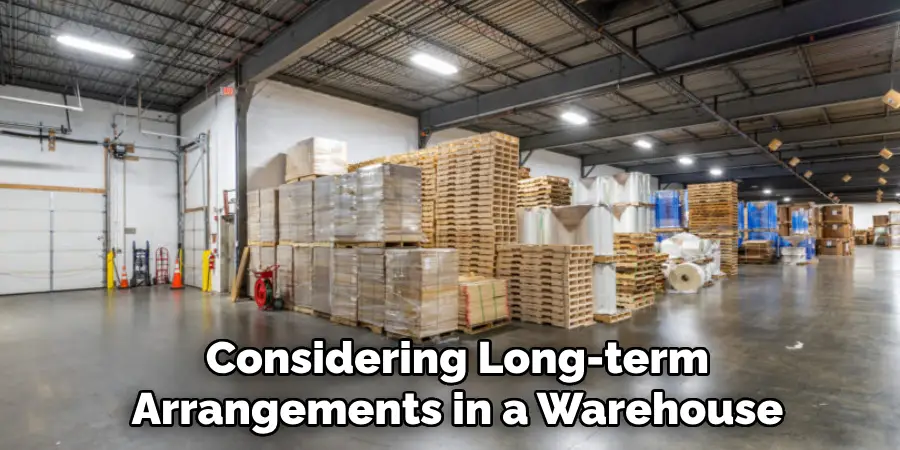
For those considering long-term arrangements in a warehouse, it is wise to explore resale or leasing potential if the space is transformed into a rental property. Urban warehouses, in particular, may appreciate in value as areas become revitalized, offering beneficial returns on investment. Assess the local real estate market and seek advice from property experts to understand the prospects of property appreciation. Such forward-thinking strategies will ensure your investment remains sound while also providing options should your living needs change over time.
Conclusion
In summary, successfully living in a warehouse involves addressing a range of considerations, from legal aspects to innovative design and fostering community ties. Understanding “how to live in a warehouse” necessitates careful planning, ensuring compliance with regulations, and creating a welcoming home. Focus on crucial elements like insurance needs, budgeting, and long-term real estate strategies. Embrace the freedom of such a unique lifestyle, which allows for creativity and adaptability, ultimately transforming an industrial space into a cozy, personalized haven. Through thoughtful approaches, warehouse living offers an opportunity for a fulfilling and distinct residential experience.

About
Angela is the chief editor of Indoorense. She began her career as an interior designer before applying her strategic and creative passion to lifestyle and home.
She has close to 15 years of experience in creative writing and online content strategy for housekeeping and cleaning,home decorations as well as other efforts.
She loves her job and has the privilege of working with an extraordinary team. She lives with her husband, two sons, and daughter in Petersburg. When she’s not busy working she spent time with her family.