
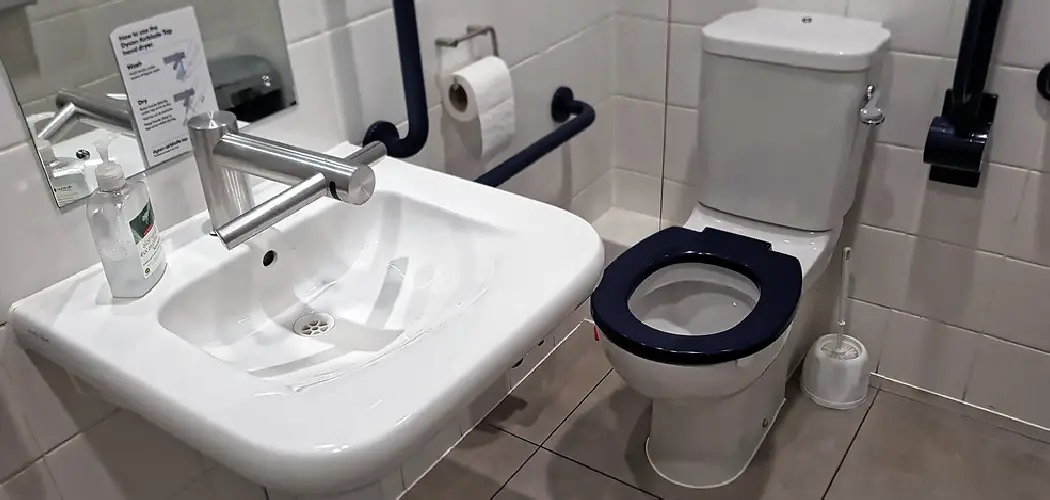
Household plumbing issues are common, yet they can be quite disruptive, especially concerning toilet clogs. Toilets are a vital component of everyday life, and a clog can cause inconvenience and potential damage if not addressed promptly. Recognizing the signs of a clogged toilet is essential to prevent overflow or severe damage to your plumbing system.
This article aims to guide you on how to know if your toilet is clogged, highlighting the key indicators and offering practical steps to confirm and resolve a clog. These insights will empower homeowners to address clogs efficiently and maintain a smoothly functioning toilet, ensuring peace of mind and avoiding costly repairs. Understanding the early signs lets you act quickly, minimizing disruption and preserving your home’s plumbing integrity.
Understanding How Toilets Function
Basic Toilet Mechanics
To fully grasp how a toilet can become clogged, it’s important to understand its basic components and how they work together. A standard toilet consists of a tank, bowl, flapper, and trap. The tank holds water that is released into the bowl when the flapper lifts during a flush. This surge of water is crucial in pushing waste through the trap and into the plumbing system. The trap, shaped like an S, holds some water to prevent sewer gases from entering the home while allowing waste to pass through efficiently.
Overview of How Toilets Flush
The flushing process begins with pressing the handle, which lifts the flapper and allows water to rush from the tank into the bowl. The force of this water helps to evacuate waste through the trap and into the main drain line. The tank then refills through a float-driven valve system, preparing the toilet for the next use. Water is pivotal in waste removal, ensuring that debris is carried out of the bowl effectively.
Common Causes of Clogs
Clogs typically occur when materials obstruct the flow of water and waste. Common culprits include excessive toilet paper, foreign objects, and non-flushable items like wipes and feminine products. Additionally, mineral buildup from hard water in older toilets can constrict passages and contribute to blockages. Recognizing these potential causes can help prevent future clogs and maintain the functionality of your toilet.
How to Know if Your Toilet Is Clogged: Signs Your Toilet Is Clogged
1. Water Level Issues
High Water Level:
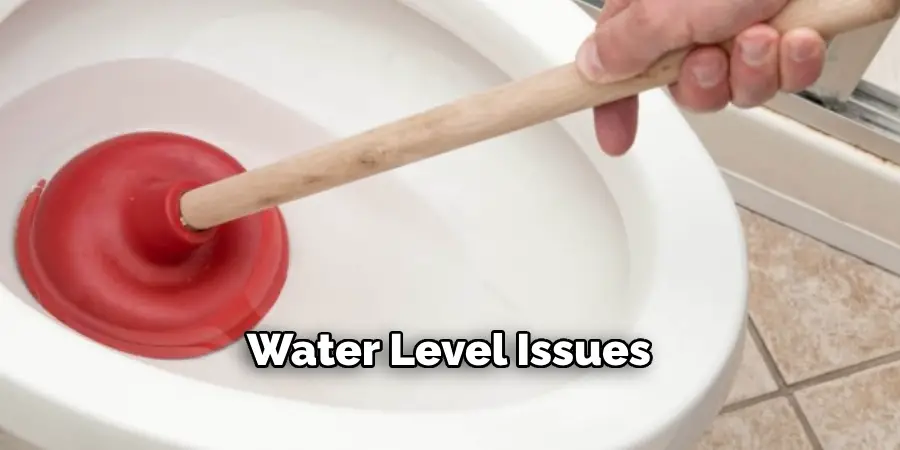
A common indicator of a clogged toilet is when the water level in the bowl rises dangerously high, often on the verge of spilling over. This occurs when a blockage prevents water and waste from flowing properly down the drain, causing a backup. Monitoring water levels after each flush can help catch these issues early. If the water rises above its normal level, it’s crucial to act quickly to prevent potential overflow.
Low Water Level:
Conversely, a low water level might suggest a partial clog or issues with the toilet’s flushing mechanism. A partial obstruction can alter the pressure and flow, leaving less water in the bowl. To determine if the problem lies with the water supply, check the tank’s water level and ensure the fill valve is working correctly. If the tank fails to provide enough water, it could lead to inefficient flushes and low water levels in the bowl.
2. Gurgling Noises
Gurgling noises emanating from your toilet during or after flushing can signal trapped air in the plumbing, typically caused by a blockage. These noises are often a sign that waste and water are struggling to move past a clog, resulting in air pockets. If gurgling occurs, investigate further, as it may indicate the beginnings of a bigger clogging issue. Addressing minor blockages promptly can prevent more severe problems later on.
3. Slow Drainage
When the toilet bowl drains slowly, it’s often a sign of an emerging clog. Normal flushing should see water and waste rapidly evacuated from the bowl, but obstructions can impede this flow, leading to sluggish drainage. Pay attention if water lingers longer than usual after a flush, as this can be an early warning that action is needed to clear a developing blockage before it completely obstructs the drain.
4. Frequent Backups
Repeated backups and overflow events are strong indicators of a persistent clog that needs immediate attention. If your toilet often backs up or overflows, it may face a more serious underlying issue that temporarily unclogging efforts cannot resolve. To prevent damage, it’s advisable to address these backups promptly, potentially involving professional help to diagnose and clear any severe obstructions lurking in your plumbing system.
5. Overflowing
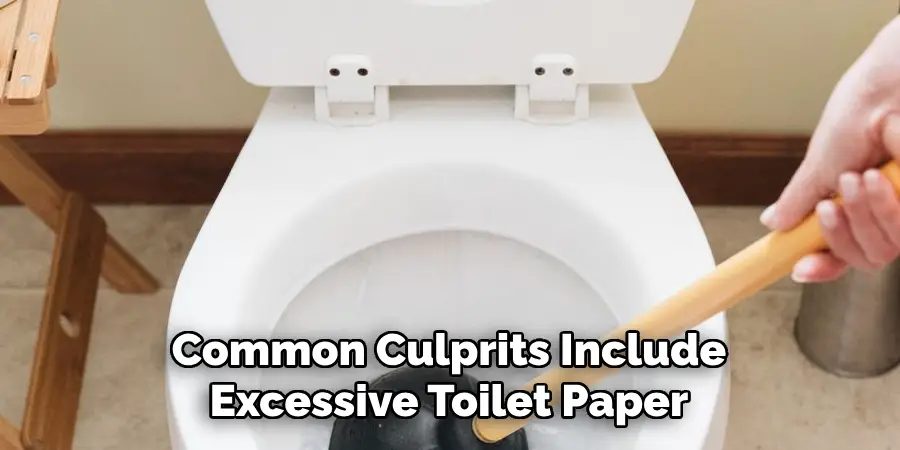
A clogged toilet can lead to messy and damaging overflow situations, where water spills out of the bowl. Recognizing the signs of an impending overflow, such as high water levels and gurgling noises, can be crucial in responding swiftly. If overflow seems imminent, stop any further flushing and use a plunger to attempt to dislodge the blockage. Quick action can mitigate water damage and help restore normal function to the toilet.
How to Know if Your Toilet Is Clogged: Initial Steps to Confirm a Clog
1. Observe Water Behavior After Flushing
To begin diagnosing a potential clog, start by flushing the toilet and observing the behavior of the water. Watch closely as the water moves from the bowl into the drain. You should note whether the water level rises alarmingly high, suggesting that it is not draining properly, or if it remains stagnant or drains slowly. These are indicative signs of a possible obstruction.
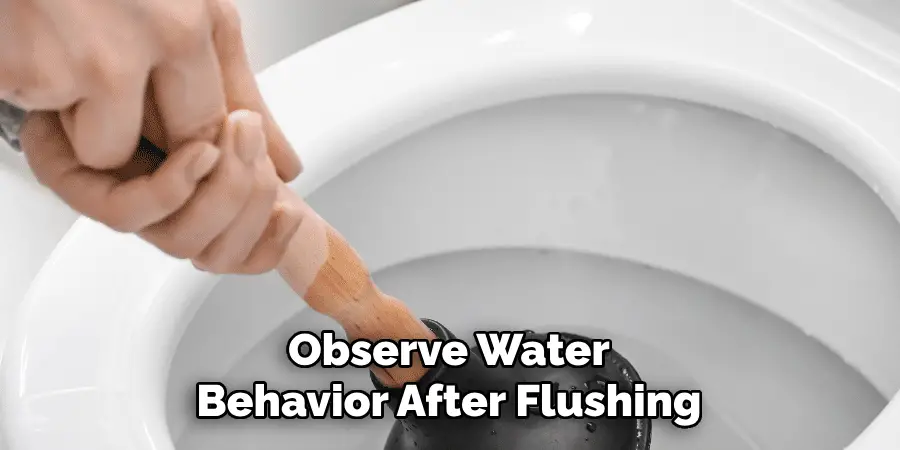
It’s crucial to allow a short period after flushing to see if the water eventually starts to lower, which could highlight a temporary or partial clog. Understanding these water flow patterns can serve as an initial confirmation step, assisting in pinpointing the problem.
2. Use a Plunger
If you suspect a clog, using a plunger is one of the most straightforward and effective initial measures. Begin by selecting a plunger with a flange, as this design creates a better seal. Position the plunger over the toilet’s drain opening and apply firm, consistent pressure. The goal is to use strategic pushes and pulls to create a vacuum effect that may dislodge the clog.
Ensure you use enough force to generate adequate suction but avoid excessive aggression that could damage the bowl. After plunging, flush the toilet again to see whether normal water flow is restored. Successful plunging is often indicated by a sudden drop in the water level, signaling that the obstruction has been cleared.
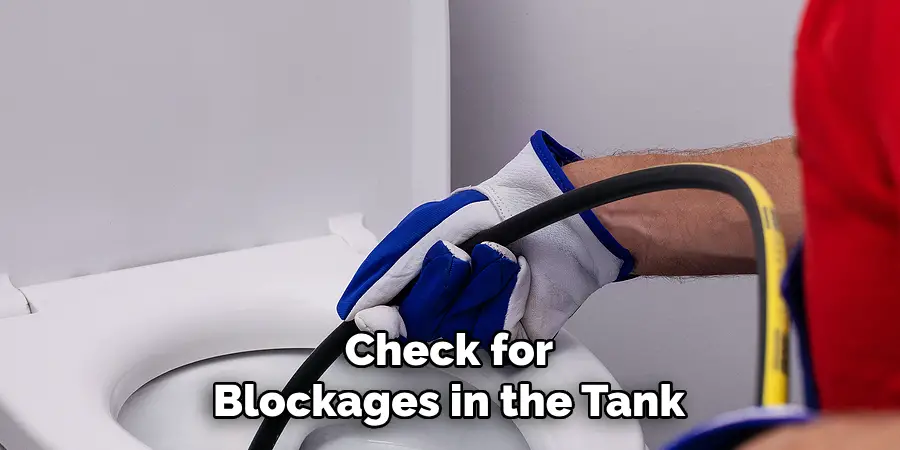
3. Check for Blockages in the Tank
An often-overlooked step in confirming a clog involves inspecting the toilet tank itself. Remove the tank lid and examine the flapper, which should be lifting smoothly when the flush handle is activated. Ensure there are no obstructions that might prevent it from sealing properly. Next, verify the water level in the tank; it should be within about an inch of the overflow tube. If the water is too low, it may not provide enough pressure to facilitate a proper flush.
Additionally, check that the fill valve is functioning correctly to prevent inadequate water flow into the tank, which could mimic the symptoms of a clog. By ensuring all components are in good working condition, you can rule out mechanical issues as the cause of the flushing problem.
When to Call a Professional
Indications of Serious Problems
Repeated clogs, persistent overflow, or the inability to flush properly are clear signs that it might be time to call in a professional plumber. While minor blockages can often be handled with DIY techniques, these persistent issues may point to more severe underlying problems. Potential causes could include tree root intrusion into sewer pipes, major sewer line blockages, or inherent plumbing design flaws. Each of these issues can pose significant challenges that require expert intervention to diagnose and resolve effectively.
Choosing the Right Professional
When selecting a plumber, finding someone with the right qualifications and experience in dealing with toilet-related issues is crucial. Look for a licensed plumber or a reputable plumbing service with a proven track record, ensuring they specialize in managing toilet clogs and associated problems. It’s important to communicate the problem in detail with your chosen professional to help them diagnose the issue thoroughly. Be prepared to describe the frequency of the clogs, any noises or water behaviors observed, and any previous attempts at resolving the problem. Doing so increases the likelihood of a successful resolution to restore your plumbing to full function.
Preventive Measures to Avoid Clogs
1. Regular Maintenance
Routine maintenance is crucial for preventing clogs. Begin with regular cleaning to avoid the buildup of mineral deposits or waste that can lead to blockages. Use a brush to scrub under the rim and around the bowl, ensuring all areas are clean. Incorporate enzyme-based cleaners into your cleaning routine, as they are highly effective in breaking down waste and keeping pipes clear. These cleaners use natural bacteria to digest organic materials safely without damaging plumbing, helping maintain a free-flowing drainage system.
2. Being Mindful of What Goes in the Toilet
Being cautious about what is flushed can significantly reduce the risk of clogs. Items such as wipes, feminine hygiene products, and other non-flushable materials should never be disposed of in the toilet. These items do not dissolve easily and can cause severe blockages. Instead, place a trash bin in the bathroom for proper disposal, making it convenient for everyone to correctly dispose of waste materials without risking a clog.
3. Monitor Water Levels
Regularly checking the water levels in your toilet bowl and tank ensures optimal performance and prevents clogs. The water level should be appropriate for effective flushing. If not, adjusting the float or flapper might be necessary. Proper water levels ensure that enough water pressure is available to move waste through the system efficiently, preventing potential clogs from forming. Regular monitoring helps catch issues early, allowing for timely corrections.
Conclusion
Understanding “how to know if your toilet is clogged” is essential for maintaining a healthy plumbing system. Early indicators such as slow drainage, rising water levels, and persistent clogs highlight the need for immediate attention to prevent more significant problems. This guide outlines key steps for confirming and resolving a clog, from using a plunger to inspecting the tank for blockages. Adopting preventive measures like regular maintenance and mindful flushing habits can greatly reduce the incidence of future clogs. Being proactive in toilet care ensures a well-functioning system, avoiding costly repairs and inconveniences.

About
Angela is the chief editor of Indoorense. She began her career as an interior designer before applying her strategic and creative passion to lifestyle and home.
She has close to 15 years of experience in creative writing and online content strategy for housekeeping and cleaning,home decorations as well as other efforts.
She loves her job and has the privilege of working with an extraordinary team. She lives with her husband, two sons, and daughter in Petersburg. When she’s not busy working she spent time with her family.