
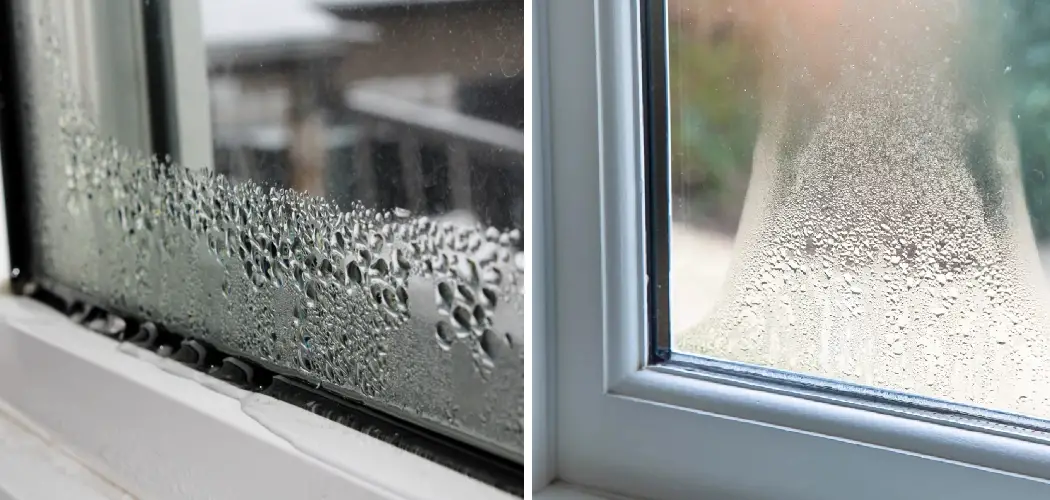
Condensation on windows is a common issue during the winter months, often leading to drip-ledges, mold, and related problems. This occurs when warm, moist air inside the home meets the cold surface of the window glass, resulting in water droplets. Addressing condensation not only helps maintain clear views and natural light but also prevents potential damage to window frames and surrounding areas. In this guide, we will explore how to keep condensation off windows in winter, ensuring your home remains comfortable and dry throughout the chilly season.
Why Condensation Forms on Windows During Winter
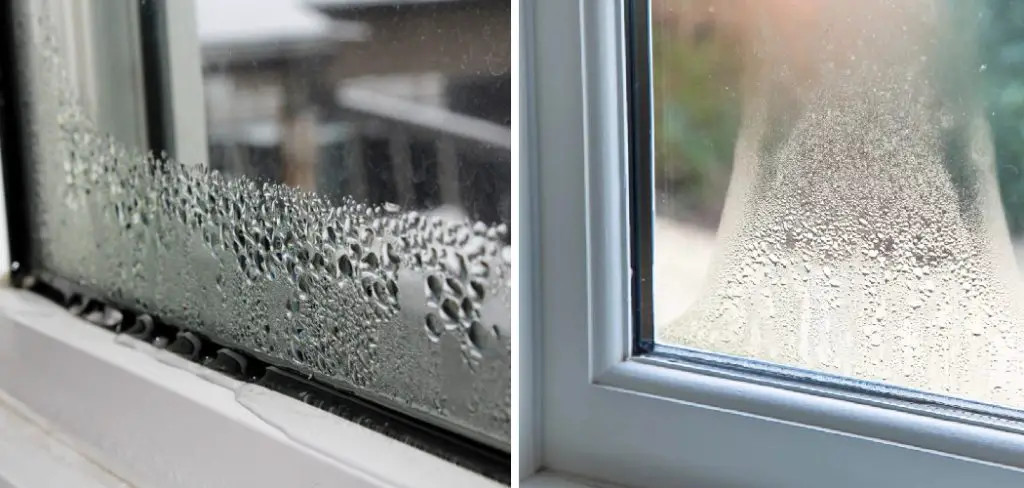
Condensation primarily forms on windows during winter due to the significant temperature difference between the inside and outside environments. Inside a heated home, the air often contains higher levels of moisture, stemming from daily activities like cooking, bathing, and even breathing. When this warm, moist air comes into contact with the cold glass surfaces of windows, the air cools rapidly, and its ability to hold moisture decreases sharply.
This results in the excess moisture condensing into water droplets on the window glass. The situation is exacerbated by the fact that windows are generally less insulated than walls, making them the prime target for condensation. Understanding these dynamics is crucial for implementing effective solutions to minimize window condensation.
Types of Condensation
Condensation can manifest in several forms, each with its unique causes and implications:
- Surface Condensation: This is the most common type of condensation observed on windows. It occurs when the surface temperature of the glass falls below the dew point of the surrounding air. Surface condensation is typically seen as moisture accumulating on the interior side of the window. To manage this, it’s important to regulate indoor humidity levels and ensure proper ventilation.
- Interstitial Condensation: Occurring within the walls or inside insulated windows, interstitial condensation is more challenging to detect. It happens when moisture becomes trapped between layers, such as within double-glazed window units. Over time, this can lead to structural damage or mold growth. Prevention requires ensuring airtight seals and proper insulation of window units.
- Cold Bridging Condensation: This type arises when a cold bridge—a part of a building that has significantly higher thermal conductivity—causes localized cold spots. Condensation forms as a result of the temperature disparity, often found at window frames or joints. This can be mitigated by using materials with low thermal conductivity and providing insulation solutions.
Understanding these types of condensation will aid homeowners in identifying and implementing targeted solutions to maintain window performance and indoor air quality.

10 Methods How to Keep Condensation off Windows in Winter
1. Reduce Indoor Humidity Levels
One of the main causes of window condensation is high indoor humidity. Warm air inside your home carries more moisture, which condenses when it comes into contact with cold windows. To reduce condensation, start by lowering the humidity levels inside your home. This can be done by using a hygrometer to monitor humidity and keeping it between 30% and 50%. If humidity levels are too high, consider using a dehumidifier, especially in rooms where moisture tends to build up, such as bathrooms, kitchens, and basements.
By maintaining proper indoor humidity, you can significantly reduce the formation of condensation on your windows.
2. Ventilate Your Home Regularly
Proper ventilation is key to managing moisture levels inside your home. During winter, it can be tempting to keep all windows and doors tightly shut to preserve heat, but this can trap moisture indoors and lead to condensation on your windows. To counter this, make a habit of opening windows for a few minutes each day to allow fresh air to circulate and excess moisture to escape. Installing trickle vents on windows can also provide continuous ventilation without the need to fully open them.
Exhaust fans in bathrooms and kitchens should be used when cooking or showering to expel warm, moist air directly outside.
3. Use Window Insulation Film
Window insulation film is an affordable and effective way to reduce condensation on windows. This thin plastic film can be applied to the interior of your windows, creating a barrier between the warm indoor air and the cold window surface. The film not only helps reduce condensation but also improves the overall insulation of your home, keeping heat inside and reducing energy costs. Window insulation kits are available at most hardware stores and are easy to install—simply cut the film to size, stick it to the window frame, and use a hairdryer to shrink it for a snug fit.

4. Install Double-Glazed or Triple-Glazed Windows
Upgrading to double-glazed or triple-glazed windows is a long-term solution that can significantly reduce condensation. These windows feature two or three panes of glass with a layer of gas, typically argon, sandwiched between them. This design helps to insulate the windows, reducing the temperature difference between the inside and outside surfaces, which in turn minimizes condensation. While this option requires a larger initial investment, the energy savings and reduction in condensation make it a worthwhile upgrade for many homeowners, especially in colder climates.
5. Keep Curtains and Blinds Open During the Day
While it might seem counterintuitive, keeping curtains and blinds open during the day can help reduce condensation. When you keep your window coverings closed, they trap warm air between the fabric and the window, increasing the likelihood of moisture forming on the glass. By leaving your curtains or blinds open during the daytime, you allow warm air to circulate freely across the window, preventing the buildup of condensation. In addition, natural sunlight can help warm the window surface, further reducing the temperature differential that leads to moisture accumulation.
6. Use a Dehumidifier
A dehumidifier is an effective appliance for controlling moisture levels, especially during winter when condensation problems are more prevalent. By extracting excess humidity from the air, a dehumidifier can help maintain optimal indoor moisture levels and prevent condensation from forming on windows. Portable dehumidifiers are particularly useful for smaller, more confined spaces such as bedrooms or basements, while whole-house systems can be installed to manage humidity throughout the home.
Regularly emptying the water reservoir and cleaning the filter ensures the dehumidifier continues to work efficiently.

7. Place Moisture Absorbers Near Windows
Moisture absorbers, such as silica gel packs or specially designed products like DampRid, can be placed near windows to absorb excess moisture from the air and prevent condensation. These products are particularly useful in areas of the home where condensation tends to be more of a problem, such as bedrooms and living rooms. Silica gel packs can be reused by drying them out in the oven, making them a low-cost solution for ongoing moisture management. Simply place the moisture absorbers on window sills or near problem windows to catch excess humidity before it turns into condensation.
8. Ensure Your Home is Properly Insulated
Proper insulation plays a crucial role in preventing condensation on windows. If your walls, attic, or roof are poorly insulated, heat will escape more easily, leading to colder windows and a higher risk of condensation. Ensuring that your home is well-insulated reduces the temperature differential between the inside and outside, thereby minimizing condensation. Adding insulation to areas that tend to lose heat, such as around windows and doors, can make a big difference. Weatherstripping around window frames and caulking any gaps can also help reduce drafts and prevent cold air from seeping inside.
9. Use Ceiling Fans to Circulate Warm Air
Ceiling fans aren’t just for summer cooling; they can also help prevent window condensation in winter by circulating warm air. Set your ceiling fan to rotate clockwise at a low speed to push warm air that rises to the ceiling back down into the room. This helps maintain a more even temperature throughout the space and keeps window surfaces warmer, reducing the chances of condensation forming. This is especially effective in rooms with high ceilings, where warm air tends to accumulate near the top of the room while windows remain cool.
10. Wipe Down Windows Regularly
Even with the best preventative measures, some condensation may still occur, especially on very cold days. To avoid moisture buildup that can lead to mold and damage, make a habit of wiping down your windows with a clean, dry cloth or squeegee every morning. Removing condensation as soon as it appears prevents it from accumulating and seeping into window frames or surrounding materials. While this doesn’t stop condensation from forming, it’s a simple maintenance task that can help minimize the effects of moisture and protect your windows from long-term damage.

Conclusion
Winter window condensation is a common issue, but it doesn’t have to be an ongoing problem. By managing indoor humidity, improving ventilation, and using insulation techniques, you can reduce or even eliminate condensation on your windows. Whether you choose to install double-glazed windows, run a dehumidifier, or simply wipe down your windows each day, these ten methods can help you maintain a comfortable, moisture-free home throughout the winter months.
Thanks for reading, and we hope this has given you some inspiration on how to keep condensation off windows in winter!

About
Angela is the chief editor of Indoorense. She began her career as an interior designer before applying her strategic and creative passion to lifestyle and home.
She has close to 15 years of experience in creative writing and online content strategy for housekeeping and cleaning,home decorations as well as other efforts.
She loves her job and has the privilege of working with an extraordinary team. She lives with her husband, two sons, and daughter in Petersburg. When she’s not busy working she spent time with her family.