
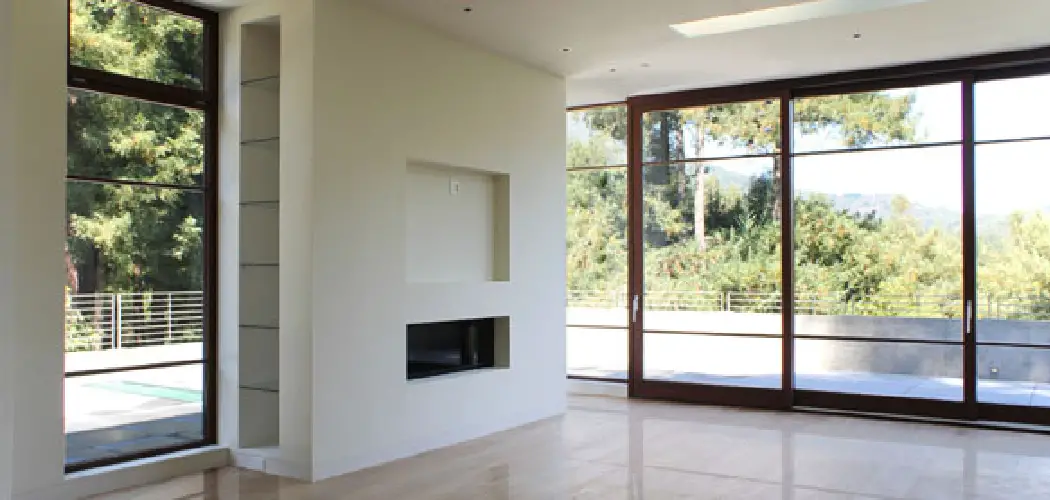
Are you planning a kitchen renovation? Do you want to avoid the unsightly structural columns that are taking up valuable space in your kitchen? Don’t worry. We’ve got you covered on how to hide structural columns in kitchen!
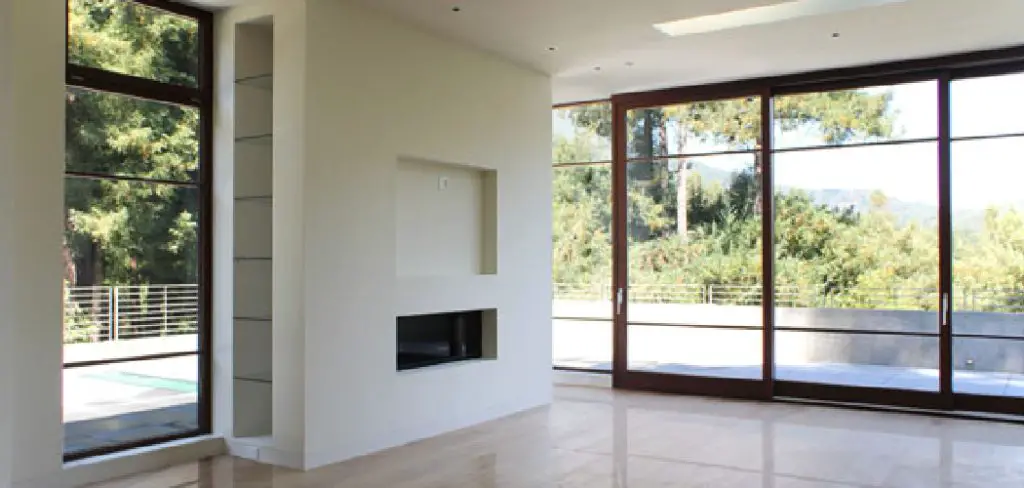
When remodeling a kitchen, one typical challenge homeowners face is dealing with structural columns that disrupt the space’s smooth flow and open layout. These columns are often essential for support but can be an eyesore in an otherwise beautifully designed kitchen. Fortunately, creative solutions are available to cleverly hide or incorporate these elements into the kitchen décor, offering functionality and aesthetic appeal.
Whether through strategic placement of cabinetry, innovative design choices, or even transforming the columns into standout features, there are ways to turn these necessary supports into assets rather than obstacles in your kitchen design.
What Will You Need?
Before we dive into different methods for hiding structural columns in your kitchen, here are some essential tools and materials you may need:
- Measuring tape
- Power drill
- Screws or nails
- Stud finder (if attaching to walls)
- Level
- Decorative elements (such as trim or molding)
- Wood filler (if using wood to cover the columns)
Now that you have all the necessary tools let’s explore some practical ways to hide those unsightly structural columns in your kitchen.
10 Easy Steps on How to Hide Structural Columns in Kitchen
Step 1: Assess the Column’s Location and Impact
Before you start hiding the structural column, it’s crucial to assess its location and the impact it has on your kitchen design. Consider factors such as the flow of movement around the column, its visibility from different angles, and how it affects the overall aesthetic of your kitchen. This assessment will help you decide the best approach for incorporating the column into your kitchen design, whether concealing it or turning it into a design feature. Once you’ve evaluated these factors, you can proceed confidently to tackle the column to enhance your kitchen’s functionality and style.

Step 2: Choose the Method of Concealment
Once you have assessed the column’s location and impact, it’s time to decide on the method of concealment. Various ways to hide structural columns depend on your design preferences and budget. You could integrate the column into cabinetry, conceal it, and add functional storage space. Alternatively, you might wrap the column with decorative paneling or create a faux finish that blends seamlessly with your kitchen’s decor. For those looking for a bold approach, consider turning the column into a statement piece by using contrasting materials or paint to highlight it. Selecting the right method will ensure the column melds harmoniously with your kitchen design, enhancing both form and function.

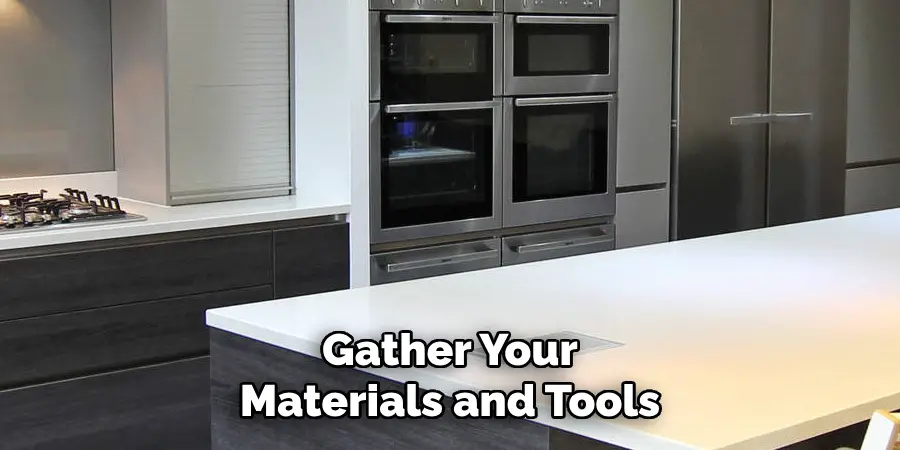
Step 3: Gather Your Materials and Tools
Before implementing your chosen method of concealment, gather all the necessary materials and tools required for the task. This includes items such as the cabinetry or decorative paneling you’ve selected, along with tools like a power drill, screws, a level, and measuring tape. Ensure you also have safety gear like goggles and gloves ready to protect yourself during installation. Being prepared with all your materials and tools will help the project proceed smoothly without interruptions, allowing you to focus on achieving the best result for your kitchen transformation.
Step 4: Prepare the Work Area
Before you begin hiding the structural column, prepare your work area properly. Clear the kitchen space surrounding the column of any furniture, appliances, or decorations that might obstruct your work. Lay down protective coverings, such as drop cloths, to safeguard your flooring and nearby surfaces from dust or potential damage during the project. Having a clean and organized work area not only ensures safety but also improves efficiency as you proceed with your chosen method of concealment.
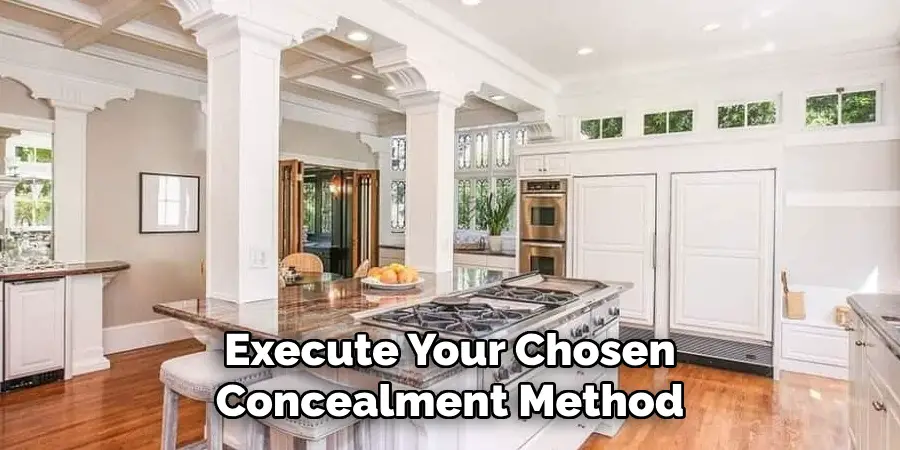
Step 5: Execute Your Chosen Concealment Method
With the work area prepared and materials in hand, it’s time to execute the concealment method you have chosen for the structural column. If you want to integrate the column into cabinetry, begin by measuring and cutting the necessary panels to fit snugly around the column. Secure them in place using a power drill and screws, ensuring they are leveled and aligned accurately. For those using decorative paneling or faux finishes, start by attaching the panels with screws or applying the selected finish, being careful to cover all visible sides of the column. Throughout the process, periodically check for stability and alignment, adjusting as necessary to ensure a seamless and professional look.
Step 6: Add Decorative Elements
Once you have executed your chosen method of concealment, it’s time to enhance the appearance of the structural column with decorative elements. Add trim or molding to create a polished and cohesive look that complements your kitchen’s overall design. You might also use wood filler to smooth out gaps or seams, ensuring a seamless appearance. Painting or staining the finished surface can further integrate the column into the kitchen’s aesthetic. Feel free to get creative with color and texture to make the column a subtle feature or a standout focal point. This finishing touch not only conceals the column but also elevates the style of your kitchen, adding character and charm.
Step 7: Review and Make Final Adjustments
After adding decorative elements to your concealed structural column, take a moment to review your work thoroughly. Carefully inspect every angle to ensure that the column blends seamlessly with the rest of the kitchen and meets your design expectations. Check for any uneven surfaces, visible gaps, or alignment issues that need fine-tuning. Use this opportunity to make necessary adjustments, whether it’s tightening screws, applying additional wood filler, or touching up paint. Ensuring that every detail is perfect enhances the visual appeal of your kitchen and confirms the stability and longevity of your design solution. Once satisfied, clean up your work area, remove protective coverings, and reintegrate furniture or appliances to transform your kitchen.
Step 8: Maintain Your Concealed Column
After successfully concealing the structural column and integrating it into your kitchen design, it’s important to plan for regular maintenance. Clean the column and surrounding elements by dusting and wiping surfaces to maintain their appearance. Check periodically for any signs of wear or damage, such as loose panels or chipped paint, and address them promptly to prevent further deterioration. If you use certain materials like wood or metal, follow manufacturer recommendations for upkeep to preserve their finish and durability. By incorporating routine maintenance into your cleaning schedule, you’ll ensure that your concealed column continues to enhance your kitchen’s aesthetic and functionality for years to come.
Step 9: Get Creative and Have Fun!
Concealing a structural column in your kitchen provides endless opportunities to get creative and have fun with your design. Don’t be afraid to experiment with different materials, colors, or textures to make the column a unique statement piece in your kitchen. Consider incorporating built-in lighting or shelving for added functionality and style. And remember, this is your chance to let your personal style shine through, so enjoy the process and have fun transforming your kitchen into a space that truly reflects your vision and personality.
Step 10: Celebrate Your Success
Congratulations on successfully concealing the structural column in your kitchen! Take a moment to appreciate the transformation and the hard work that made it possible. Invite friends and family to admire your handiwork, or use this newly updated space as a backdrop for gatherings and celebrations. A well-executed design not only enhances the visual appeal of your kitchen but also provides a sense of accomplishment and pride. Embrace this achievement as a testament to your creativity and skill, and enjoy your home’s added beauty and functionality.
By following these steps, you can confidently tackle concealing a structural column in your kitchen and create a cohesive and stylish space that meets both your design and practical needs.
5 Things You Should Avoid
- Ignoring Structural Integrity: Avoid making any changes that could compromise your home’s structural integrity. Consult with a structural engineer before attempting to redesign or conceal columns.
- Using Low-Quality Materials: Using high-quality materials when disguising columns is crucial. Cheap or unsuitable materials may not blend well and can detract from the kitchen’s overall aesthetic.
- Blocking Natural Light: When hiding columns, do not obstruct windows or sources of natural light. Maximizing natural illumination is essential for a welcoming and functional kitchen space.
- Overcrowding with Decorations: Avoid cluttering the column with excessive decor. Keep it simple and stylish to ensure it complements the existing design without overwhelming the space.
- Neglecting Access: Ensure that any construction or covering does not hinder access to essential plumbing or electrical systems within or around the column. Always plan for easy maintenance and future accessibility.
Conclusion
How to hide structural columns in kitchen demands thoughtful planning, creativity, and practicality.
Opt for solutions that seamlessly integrate columns into the design, such as custom cabinetry that matches the kitchen’s style or integrating the column into an island. Alternatively, embrace the column as a design feature by wrapping it in materials like wood or stone that add character to the space. Whichever approach you choose, prioritize maintaining the kitchen’s functionality by ensuring adequate light and foreseeing future access needs.
With careful consideration, hidden columns can contribute to a cohesive and harmonious kitchen environment.

About
Angela is the chief editor of Indoorense. She began her career as an interior designer before applying her strategic and creative passion to lifestyle and home.
She has close to 15 years of experience in creative writing and online content strategy for housekeeping and cleaning,home decorations as well as other efforts.
She loves her job and has the privilege of working with an extraordinary team. She lives with her husband, two sons, and daughter in Petersburg. When she’s not busy working she spent time with her family.