
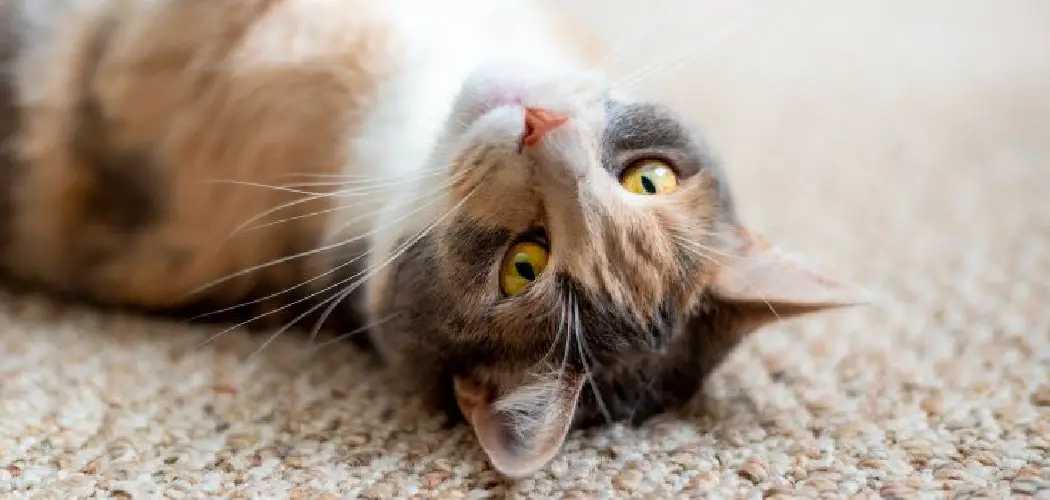
Cats are beloved pets known for their playful and curious nature, but this can sometimes lead to damage around the home, particularly to carpets. Scratching and playing are natural behaviors for cats, which, unfortunately, can result in shredded fibers and unsightly rips. Addressing carpet damage promptly is crucial not only to maintain the visual appeal of your home but also to prevent further tearing that could lead to larger issues.

This article aims to equip you with practical solutions on how to fix ripped up carpet from cat activities, offering guidance on both minor fixes and more significant repairs. By understanding the common causes of carpet damage and learning effective repair techniques, cat owners can maintain a harmonious living space without sacrificing the playful environment their pets enjoy.
Understanding Cat Behavior and Carpet Damage
Why Cats Scratch Carpets
Cats have an innate instinct to scratch to maintain their claws’ sharpness, mark territory, and stretch their bodies. This scratching behavior is a natural part of feline life and helps them express emotions or even relieve stress. However, when cats are stressed, bored, or seeking attention, their scratching can become more frequent and potentially destructive. Understanding these triggers is essential for addressing and diverting their attention to healthier scratching alternatives.
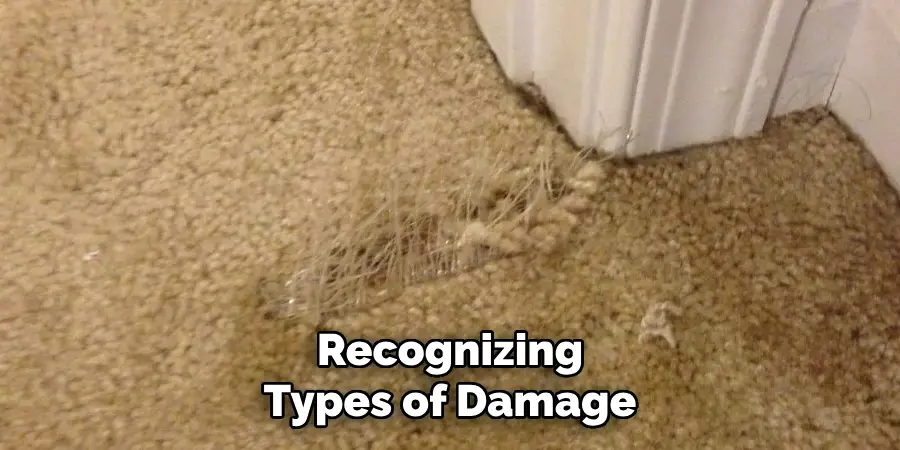
Recognizing Types of Damage
Carpet damage caused by cats can vary, typically manifesting as pulls, frays, or even major rips in the fabric. Pulls and frays are often the result of a cat’s claws catching the carpet fibers during a scratch session. A determined cat might cause outright rips in more severe cases, which demand more attention. To identify the best repair strategy, carefully assess the damage’s extent.
Minor issues, such as small pulls, can often be resolved with glue or trimming, whereas larger rips may necessitate more comprehensive solutions like patching or section replacements. Familiarizing yourself with the specific damage type is key to choosing an effective and lasting fix.
How to Fix Ripped up Carpet from Cat: Quick Fixes for Minor Damage
1. Carpet Glue or Tape
For minor carpet frays and pulls, carpet glue or double-sided carpet tape can be effective solutions. Start by gently pressing the frayed edges back into place to assess the extent of the damage. When using carpet glue, apply a thin, even layer along the damaged area and use a small brush to spread it carefully. Allow the adhesive to dry completely to ensure it holds securely. Cut a piece slightly larger than the damaged area for carpet tape and press it firmly underneath the carpet fibers, ensuring a smooth finish. Take care to avoid excess glue or tape, which can create lumps or bumps on the carpet surface, maintaining its clean appearance.
2. Scissors and Trimming
Sharp scissors can be a simple yet effective tool for tidying up minor carpet damage. Begin by isolating the frayed fibers or pulls and gently trim them back to the carpet’s surface level. It’s crucial to avoid cutting into the carpet backing, which can cause further damage. Work slowly and confidently, making small snips to ensure precision. Regularly check your progress to prevent over-trimming, which could worsen the appearance of the affected area. This method is best suited for dealing with small, superficial blemishes on the carpet.

3. Fabric Patch Method
Creating a fabric patch is a practical approach for concealing small rips or worn spots in the carpet. Start by sourcing a matching carpet remnant or a similar fabric piece that blends seamlessly with the surrounding area. Cut the patch slightly larger than the damaged section for full coverage. Use fabric glue or carpet adhesive tape to secure the patch in place, ensuring the edges adhere well to prevent peeling. Carefully align the patch’s fibers with the existing carpet pattern for an inconspicuous repair. Once installed, press the patched area firmly and allow it to set, resulting in a durable fix that masks the damage effectively.
How to Fix Ripped up Carpet from Cat: Repairing Significant Damage
1. Carpet Repair Kit
Carpet repair kits are invaluable tools for tackling larger rips or tears in your carpet. These kits typically include adhesive, tools like seam cutters or scrapers, and color-matched patches or fibers. To use a carpet repair kit effectively, clean the area surrounding the damage. Carefully trim any loose fibers with scissors and ensure all debris is removed. Place the included adhesive into a dispenser or apply an applicator tool evenly along the edges of the tear.
Use a brush to spread the adhesive slightly beyond the rip for added strength. Press the patch or fibers into the tear, carefully aligning them with the carpet’s pattern. Hold the fibers in place while the adhesive dries to create a smooth, unnoticeable surface. Carpet repair kits are an affordable, DIY-friendly solution that can restore the appearance of your carpet with minimal effort.

2. Carpet Replacement Sections
Replacing entire sections of carpet may be necessary for more extensive damage that a simple patch or repair kit can’t fix. Begin by measuring the damaged area with a measuring tape for accuracy. Cut along the edges of the damaged section using a utility knife, being careful not to damage the underlying flooring. Once the section is removed, prepare the replacement piece by cutting a matching carpet remnant to the appropriate size. Ensure this piece matches the surrounding carpet in both color and texture to maintain visual consistency.
Apply carpet adhesive or double-sided tape to the subfloor before placing the new piece. Press firmly on all sides to ensure the edges are securely bonded and leveled with the existing carpet. Use a seam roller to smooth out any edges, creating a seamless transition. Replacing carpet sections may take some time, but it’s a valuable method for handling larger repair areas without needing full carpet replacement.

3. Professional Repair Services
Hiring a professional repair service may be the best option in cases where carpet damage is extensive. Professionals bring expertise, specialized tools, and high-quality materials that a typical DIY repair cannot match. Consider professional repairs if the damage covers a broad area or involves complex features like woven patterns or high-end carpet materials. While the costs of hiring professionals might vary, the benefits often outweigh the expenses.
Professionals provide peace of mind with warranties on their work, ensuring the repairs last and blend seamlessly with the original carpet. This investment not only enhances your home’s aesthetics but also extends your carpeting’s lifespan. Assess the degree of your carpet damage honestly and consult with reputable local service providers to explore options tailored to your specific needs. This ensures your carpet remains both functional and visually appealing.
Preventing Future Damage
1. Providing Scratching Alternatives
Preventing future damage starts with understanding your cat’s natural behavior to scratch and providing suitable alternatives. Investing in scratching posts or pads can effectively redirect your cat’s attention away from carpets. When selecting a scratching alternative, consider options made from durable materials like sisal, cardboard, or carpet to match your cat’s preferences. Height and stability are also crucial factors; taller structures encourage full-body stretching, while sturdiness ensures safe usage. Place these scratching posts in prominent areas where your cat frequently spends time, such as their favorite lounging spots or near window sills. Enhance attractiveness by sprinkling catnip on the scratching surfaces or dangling toys to entice interaction, making them more appealing than your carpets.
2. Using Deterrents
Deterring cats from targeting carpets as scratching surfaces can include the use of pet-safe sprays or mats. Deterrent sprays are formulated with scents unpleasant to cats but safe for household use and can be applied around or on areas where your cats typically scratch. To prevent carpet discoloration, test any spray on a small, unseen area first. Additionally, placing protective mats with textures cats find uncomfortable, like vinyl or sticky strips, in high-risk areas can also be effective. For a more scent-based approach, consider incorporating smells like citrus or lavender, which are typically disliked by cats, to keep them away from carpets. Combined with positive reinforcement as your cat uses approved scratching surfaces, these methods can help maintain carpet integrity.
3. Regular Nail Trimming
Regularly trimming your cat’s nails is crucial in minimizing carpet and furniture damage. Overgrown nails increase the risk of snags and tears and can lead to uncomfortable walking for your cat. Ideally, trim your cat’s nails every few weeks using specialized clippers and focus on the sharp tips rather than the nail beds. If you’re unsure about the correct technique, seek advice from a veterinarian or professional groomer for a demonstration. For cats resistant to nail trimming, consider scheduling regular appointments with grooming services to ensure proper maintenance. Establishing a nail care routine protects your carpet and supports your cat’s overall well-being and comfort.
Maintaining Carpet Integrity
1. Regular Cleaning
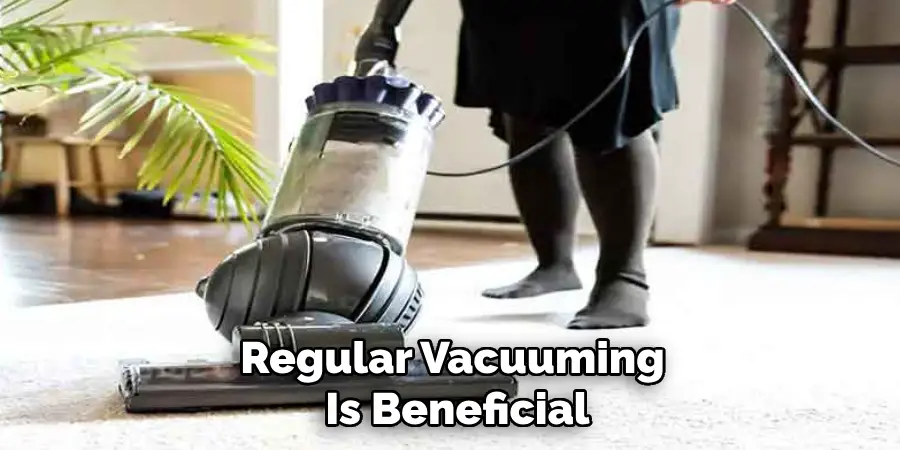
Maintaining clean carpets is essential to prevent further wear and tear caused by accumulated dirt and debris. Regular vacuuming keeps your carpet free from surface dust while also preventing particles from settling deeper into the fibers, which can cause abrasion and accelerate damage over time. It’s recommended to vacuum high-traffic areas at least twice a week and less frequented areas weekly. In addition, promptly tackle spills and stains through spot cleaning using a mild detergent or a specialized carpet cleaner to prevent permanent discoloration. This proactive approach enhances the appearance of your carpets and contributes to a fresher indoor environment.
2. Professional Carpet Cleaning
While regular vacuuming is beneficial, professional carpet cleaning services offer a more thorough approach by removing deeply embedded dirt, dust mites, and allergens that can persist in carpet fibers. These services are particularly adept at tackling stubborn stains and odors, utilizing advanced techniques such as steam cleaning or hot water extraction for a deep clean. Scheduling professional cleanings every 12 to 18 months can significantly extend the lifespan of your carpet while maintaining its appearance and hygiene. Coordinating these services just before festive seasons or major home events ensures your carpets are pristine, creating a welcoming atmosphere for guests.
Conclusion
In summary, understanding how to fix ripped up carpet from cat involves several approaches tailored to the extent of damage. Quick fixes are ideal for minor tears, while professional services are recommended for extensive repairs. Adopting proactive measures, such as providing scratching alternatives, using deterrents, and maintaining your cat’s nails, significantly reduces the risk of future damage. A clean, well-maintained carpet preserves one’s home aesthetics and creates a harmonious environment for both pets and owners. Ultimately, comprehending cat behavior is key to managing and minimizing carpet damage effectively, ensuring a habitable space where everyone can thrive.

About
Angela is the chief editor of Indoorense. She began her career as an interior designer before applying her strategic and creative passion to lifestyle and home.
She has close to 15 years of experience in creative writing and online content strategy for housekeeping and cleaning,home decorations as well as other efforts.
She loves her job and has the privilege of working with an extraordinary team. She lives with her husband, two sons, and daughter in Petersburg. When she’s not busy working she spent time with her family.