

Matted blankets are a common issue that many people face, leading to blankets that feel less soft and look unsightly. Over time, frequent use and improper washing can cause the fibers in the blanket to become tangled and compressed, resulting in an unappealing, matted appearance. Factors such as friction from regular use or using harsh detergents and high heat during washing and drying can exacerbate this problem. Understanding how to fix matted blankets can help you restore their original softness and appearance. This article aims to provide you with effective methods to rejuvenate your matted blankets. By following these practical tips, you can ensure your blankets remain comfortable and cozy for years to come.

Understanding the Causes of Matted Blankets
Matted blankets often result from a combination of common factors that affect the fibers’ integrity. One primary cause is friction and wear from regular use. As blankets are used daily, the constant rubbing and pressure can cause the fibers to tangle and compress, leading to matting. Another significant contributor is incorrect washing and drying techniques. Using hot water or high heat settings in the dryer can damage delicate fibers, making them more susceptible to matting. Harsh detergents and fabric softeners can also coat and stiffen the fibers, worsening the problem.
Certain types of blankets are more prone to matting due to their material composition. Fleece, wool, sherpa, and synthetic materials are particularly susceptible because of their fibrous nature and tendency to trap lint and debris. The effects of matting are noticeable and impact the blanket’s appearance and feel. Matted fibers make the blanket feel rough and less cozy, reducing its overall softness and warmth. Aesthetically, matted blankets can look old and worn out, detracting from their visual appeal. Understanding these causes is the first step in learning how to fix matted blankets and restore them to their original, plush condition.
Preparing the Blanket for Treatment
To ensure the best results, a matted blanket must be adequately prepared before being rejuvenated. This preparation involves a thorough inspection and proper cleaning.
Inspecting the Blanket:
- Identifying the most matted areas: Carefully examine the entire blanket, particularly the sections that endure the most use, such as the center and edges. Look for clusters of tangled and compressed fibers that indicate heavy matting.
- Checking for any damages or tears: While inspecting the blanket, also check for any tears, holes, or weakened areas in the fabric. Repairing these damages before proceeding with treatment is crucial to prevent further deterioration.
Cleaning the Blanket:
- Washing the blanket according to care instructions: Adhering to the manufacturer’s care instructions is vital in maintaining the integrity of the blanket’s fibers. Read the care label thoroughly before washing.
- Using a gentle detergent and cold water: Choose a mild detergent free from harsh chemicals and additives. Cold water helps preserve the blanket’s fibers, preventing further matting.
- Avoiding fabric softeners that can worsen matting: Fabric softeners can coat and stiffen fibers, exacerbating matting issues. Forego their use to ensure the fibers remain as soft and pliable as possible.
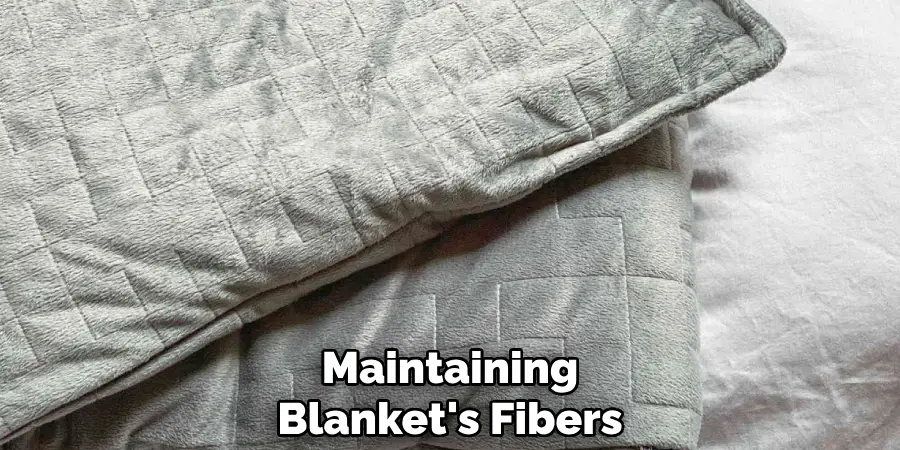
Drying the Blanket:
- Air drying vs. using a dryer on a low heat setting: To retain the blanket’s softness, consider air drying it. If using a dryer, set it to a low heat setting to minimize heat damage.
- Using dryer balls to help fluff the blanket: Adding dryer balls to the drying cycle can help to fluff the blanket, reducing matting by gently separating the fibers as they tumble.
Proper preparation ensures your blanket is ready for subsequent treatments to restore its plushness.
How to Fix Matted Blanket: Using a Fabric Brush or Comb
Utilizing a fabric brush or comb can significantly aid in detangling and fluffing matted blanket fibers. Choosing the right type of brush or comb and employing the correct techniques are essential for achieving the best results.
Types of Brushes and Combs:
- Pet brushes: These brushes are designed to gently remove tangles and mats from pet fur, making them a suitable choice for blanket fibers. They typically have fine wire bristles that can effectively separate and lift matted fibers.
- Slicker brushes: Often used for grooming pets, slicker brushes have closely spaced wire bristles that can penetrate deep into the fibers to break apart tangles and mats.
- Wide-tooth combs: These combs feature widely spaced teeth that can gently detangle and fluff fibers without causing damage. They are particularly useful for blankets with longer fibers or those made from more delicate materials.
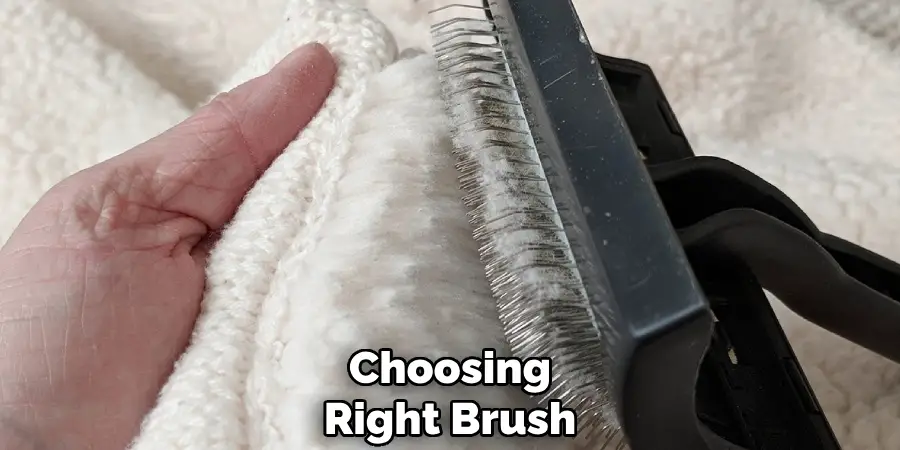
Brushing Technique:
- Gently brushing small sections at a time: Focus on working with small sections of the blanket to avoid overwhelming the fibers and to ensure a thorough detangling process.
- Starting from the edges and working towards the center: Begin brushing at the blanket’s edges, gradually moving towards the center. This method helps distribute any pressure evenly and reduces the risk of causing further matting.
- Being careful not to pull or damage the fibers: Use gentle, fluid strokes to avoid pulling or stretching the fibers. Harsh brushing can lead to fiber breakage and increase the risk of matting.
Frequency and Maintenance:
- Regular brushing to prevent future matting: Incorporate regular brushing into your blanket maintenance routine to prevent future matting. Aim to brush your blanket every few weeks or as needed, depending on the frequency of use and the blanket’s tendency to mat.
Regularly using a fabric brush or comb will not only help to fix existing matting but also maintain the overall softness and appearance of your blanket, ensuring it remains cozy and inviting for years to come.
Using a Lint Roller or Sticky Tape
Employing a lint roller or sticky tape can effectively remove surface lint and debris that contribute to matting, helping to restore the blanket’s plush feel and appearance. These tools are ideal for maintaining a blanket between more intensive treatments.

How Lint Rollers Help:
- Removing surface lint and debris that contribute to matting: Lint rollers are designed to pick up and remove small particles, such as lint, pet hair, and dust, from fabric surfaces. By eliminating these particles, you reduce the friction and build-up that cause fibers to mat.
Proper Use:
- Rolling over matted areas in one direction: For best results, roll the lint roller over the matted areas of the blanket in a single direction. This method ensures that lint and debris are lifted away from the surface rather than being pushed deeper into the fibers.
- Repeating until the blanket is free of lint: Continue rolling over the affected areas until the blanket is visibly free of lint and debris. You may need to replace the adhesive sheets on the lint roller as they fill up to maintain their effectiveness.
Alternatives to Lint Rollers:
- Using sticky tape wrapped around your hand: If you don’t have a lint roller, sticky tape can serve as an effective alternative. Wrap a strip of sticky tape around your hand, sticky side out, and pat it gently over the blanket’s surface to lift off lint and debris.
Using a lint roller or sticky tape regularly can help to keep your blanket looking fresh and prevent the accumulation of particles that lead to matting.
Employing a Fabric Shaver
A fabric shaver is a practical tool designed to remove pills and matted fibers from blankets, effectively refreshing their appearance. Available in both electric and manual versions, fabric shavers use a set of sharp blades to cut away fuzz and lint, restoring the blanket’s smooth texture.
Description of Fabric Shavers:
- Electric or manual devices designed to remove pills and matted fibers: Fabric shavers come in various shapes and sizes, with electric versions offering more power and efficiency, while manual shavers provide greater control. Both types are effective in removing surface imperfections that contribute to a blanket’s matted look and feel.
Safe Usage Instructions:
- Holding the shaver flat against the blanket: Always hold the fabric shaver flat against its surface to avoid damaging the blanket. This position ensures that the blades can trim the pills and matted fibers without cutting into the fabric.
- Moving the shaver in gentle, circular motions: For the best results, move the shaver in gentle, circular motions. This technique helps to evenly remove pills and fuzz without causing undue stress on the fibers.
- Emptying the shaver frequently to maintain efficiency: Shaving generates a significant amount of lint and fuzz that can clog the device. Empty the shaver’s collection chamber frequently to maintain its efficiency and avoid overheating or reduced performance.
Precautions:
- Avoiding areas with loose threads or delicate fabrics: Exercise caution around areas with loose threads or more delicate materials to prevent snagging or unintentional damage. If you are unsure about the shaver’s compatibility with the fabric, test it on a small, inconspicuous section of the blanket.
Using a fabric shaver regularly can significantly enhance the appearance and longevity of your blanket by removing unwanted pills and matted fibers, ensuring it remains soft and inviting.
Deep Conditioning for Extra Softness
Deep conditioning your blanket can help restore its softness and suppleness, making it feel fresh and inviting. This process involves using a fabric softener solution to revitalize and condition the fibers.
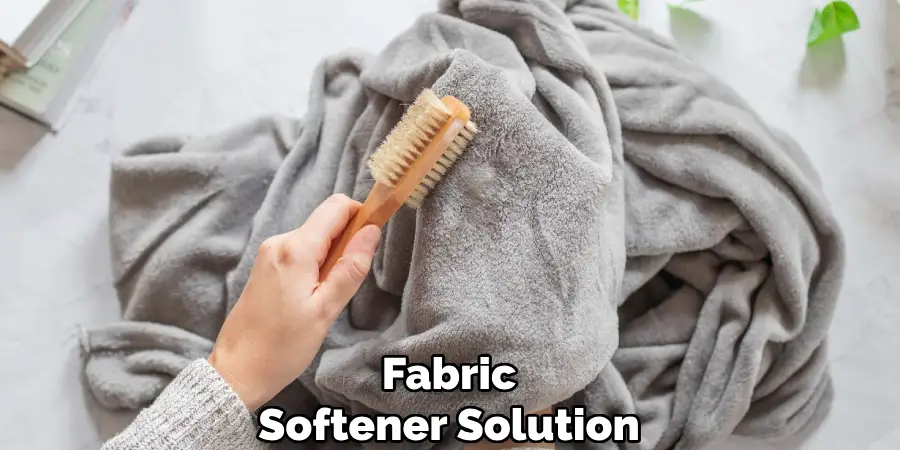
Making a Fabric Softener Solution:
- Mixing water and a gentle fabric softener or conditioner: Prepare a mixture of water and a gentle fabric softener or conditioner. Use approximately one cup of softener for every gallon of water. Be sure to choose a product that is suitable for delicate fabrics to avoid causing any damage.
Applying the Solution:
- Spraying the solution onto the matted areas: Pour the solution into a spray bottle for easy application. Lightly spray the mixture onto the matted areas of the blanket, ensuring that the fibers are evenly coated but not overly saturated.
- Gently massaging the solution into the fibers: Use your fingers to gently massage the solution into the fibers. This step helps the conditioner penetrate deep into the material, loosening the matted fibers and making them softer.
Rinsing and Drying:
- Rinsing the blanket thoroughly to remove residue: After allowing the solution to sit for about 15-20 minutes, rinse the blanket thoroughly with clean, cool water. Make sure all residual conditioner is removed to prevent any buildup that could attract dirt or cause the fibers to stick together.
- Air drying or using a low heat setting in the dryer: Once rinsed, you can either air dry the blanket by laying it flat on a clean, dry surface or use a low heat setting in the dryer. Avoid high heat, as it can damage the fibers and negate the benefits of the conditioning treatment.
Incorporating deep conditioning into your blanket care routine can help maintain its luxurious feel and extend its lifespan, keeping it cozy and comfortable for years to come.

Preventative Measures to Avoid Future Matting
Implementing preventative measures can help avoid future matting and keep your blankets in pristine condition. Here are some effective strategies to consider:
Proper Washing Techniques:
- Using gentle cycles and mild detergents: Always wash your blankets using a gentle cycle on your washing machine. Opt for mild detergents that are less likely to cause damage to the fibers. Harsh chemicals and vigorous washing can lead to matting and wear.
- Washing blankets separately from heavy items: To prevent unnecessary friction and stress on your blankets, wash them separately from heavier items such as towels and jeans. Mixing heavy and light items in the wash can cause the delicate fibers in your blanket to mat and pill.
Correct Drying Methods:
- Air drying or using low heat settings: For best results, dry your blankets flat to maintain their shape and softness. If using a dryer, choose a low heat setting to avoid excessive shrinkage or damage to the fibers.
- Adding dryer balls to maintain fluffiness: Placing dryer balls in the dryer with your blanket can help maintain their fluffiness by preventing clumping and distributing the fibers evenly during the drying process.
Regular Maintenance:
- Brushing and shaking out the blanket regularly: Regularly brush and shake out your blanket to remove any loose fibers or debris that could contribute to matting. This simple routine can drastically enhance its longevity and appearance.
- Storing the blanket properly when not in use: Ensure your blanket is stored in a cool, dry place when not in use. Avoid cramming it into tight spaces or under heavy items, as this can lead to unnecessary matting and wear.
By following these preventative measures, you can help keep your blankets in top condition, ensuring they remain soft, comfortable, and free from matting for years to come.

Conclusion
In conclusion, maintaining the softness and longevity of your blanket involves a combination of revitalizing and preventative care techniques. From using a fabric shaver to deep conditioning treatments and adopting proper washing and drying methods, these steps effectively address how to fix matted blankets. Regular maintenance, including gentle brushing and appropriate storage, further preserves the blanket’s integrity.
Following these comprehensive care instructions ensures your blankets remain soft, cozy, and inviting. By incorporating these simple and practical measures into your routine, you can enjoy the comfort and warmth of a well-maintained blanket for years to come. Taking the time to understand and implement these guidelines empowers you to extend the lifespan of your favorite blankets, keeping them in pristine condition and enhancing your comfort with every touch.

About
Angela is the chief editor of Indoorense. She began her career as an interior designer before applying her strategic and creative passion to lifestyle and home.
She has close to 15 years of experience in creative writing and online content strategy for housekeeping and cleaning,home decorations as well as other efforts.
She loves her job and has the privilege of working with an extraordinary team. She lives with her husband, two sons, and daughter in Petersburg. When she’s not busy working she spent time with her family.