
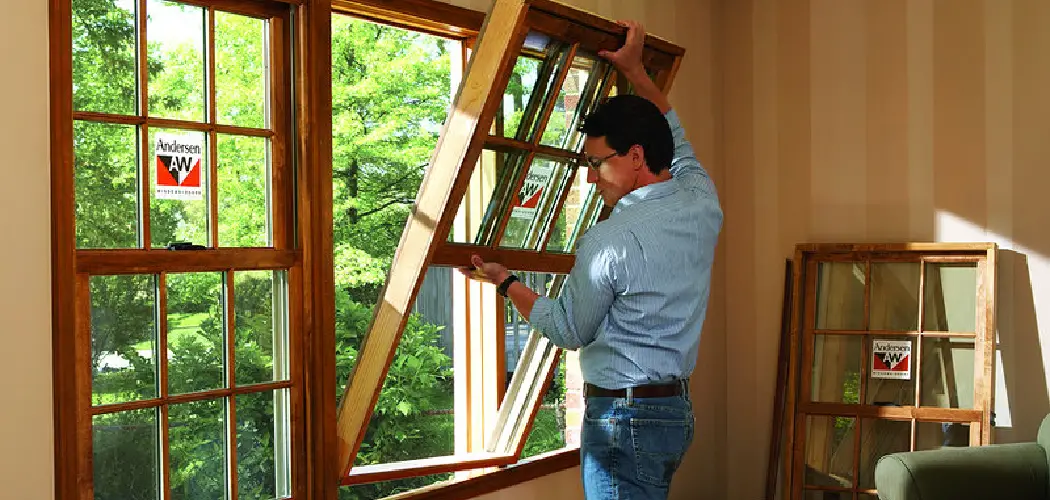
Drafts in a house can lead to numerous inconveniences, including uncomfortable temperature fluctuations, elevated energy expenses, and poor heating or cooling efficiency. These unwelcome breezes are often the result of gaps or cracks surrounding windows, doors, or other structural apertures, which can disrupt the desired climate of your home. Identifying and sealing these drafts can substantially enhance your home’s insulation and maximize energy efficiency.
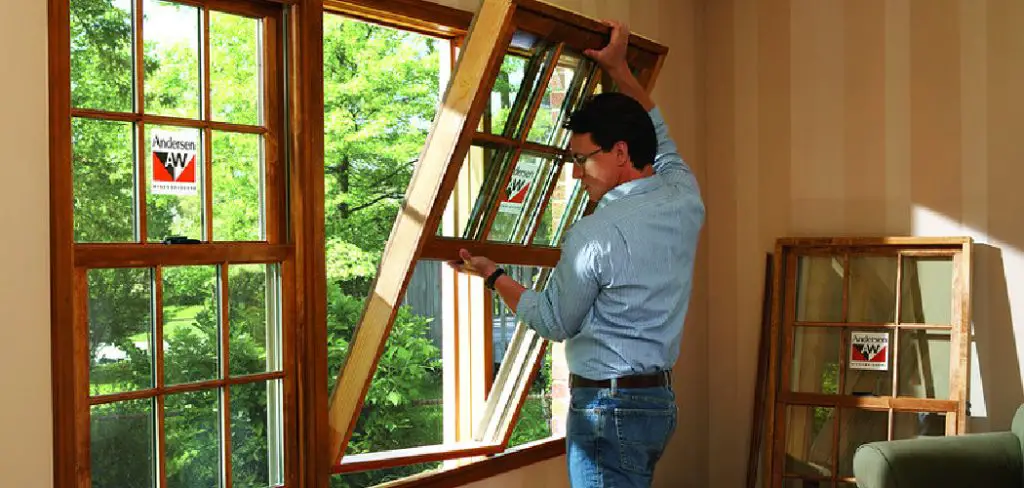
In this article, we will guide you on how to find a draft in your house, offering practical steps to pinpoint common sources of drafts. We’ll then provide effective solutions to address these issues, ensuring a more comfortable and cost-effective living environment. By understanding and addressing these common culprits, you’ll be equipped to improve your home’s climate control, ultimately leading to reduced utility bills and a more sustainable household.
Why It’s Important to Find and Fix Drafts
Drafts can significantly impact the comfort and efficiency of your home. During the winter, cold air entering through gaps can make rooms feel chillier, resulting in discomfort for the occupants, who may need to pile on extra blankets or layers of clothing. Conversely, in the summertime, drafts allow warm air to seep in, forcing your air conditioning system to compensate by using more energy to cool your home down. This leads to an unpleasant indoor environment and increases your energy bills, putting unnecessary strain on your budget.
Moreover, a drafty house results in your HVAC system working overtime. The constant battle to maintain a consistent temperature means that your heating and cooling systems have to cycle on and off more frequently, leading to wear and tear that can shorten the system’s lifespan. Repairing drafts allows your HVAC system to operate more efficiently, keeping your home at a comfortable temperature with less effort.
From an environmental perspective, fixing drafts reduces your home’s energy consumption. By minimizing the demand for heating and cooling systems, you cut down on the energy required to maintain your desired indoor climate. This reduction lowers your carbon footprint and contributes to a more sustainable planet, underscoring the importance of addressing drafts for both personal comfort and environmental responsibility.

Common Sources of Drafts in a House
Drafts can originate from various areas in a house, with some of the most common sources being windows, doors, attic and crawl spaces, basements and foundations, electrical outlets and light fixtures, as well as fireplaces and chimneys. Starting with windows, gaps around window frames, old or damaged weatherstripping, and single-pane windows are notorious for allowing cold air to seep in. Similarly, doors, particularly exterior ones, can be poorly sealed, permitting drafts around the edges and underneath the door.
Attics and crawl spaces often house gaps around vents, chimneys, or poorly insulated access doors, which can introduce drafts into living spaces. In basements and foundations, cracks or gaps around basement windows are significant culprits for unwanted airflow. Electrical outlets and light fixtures also contribute to the problem; gaps around outlets, light switches, and recessed lighting in exterior walls can channel drafts into your home. Finally, fireplaces and chimneys pose a considerable risk, as an unused or open fireplace can let in cold air, especially if the damper is not properly sealed. Identifying and addressing these sources is key to maintaining a comfortable, energy-efficient home.
Tools and Materials Needed to Find Drafts
When embarking on the task of finding and fixing drafts in your home, having the right tools and materials is essential to ensure thoroughness and effectiveness. Basic tools required include a flashlight to help illuminate dark or hidden areas where drafts may originate. An incense stick or candle can be used to detect air movement by observing the flicker of the flame or the direction of the smoke. For those seeking more advanced options, a thermal leak detector or infrared camera can identify temperature differences, pinpointing precise locations of drafts. Additionally, essential materials such as weatherstripping and caulking are necessary for sealing identified gaps.
Consider optional tools like a door draft stopper to prevent air from seeping under doors. A window insulation kit can add an additional layer of protection against drafts entering through windows. To further improve insulation, attic insulation materials can be useful in addressing drafts from above.

How to Find a Draft in Your House: Methods to Detect
Detecting drafts in your home is the first step toward enhancing its energy efficiency and comfort. Here are some practical methods to identify these unwanted air currents:
Step 1: The Hand Test
Begin your draft detection journey with a straightforward hand test. Slowly move your hand around common draft sources such as windows, doors, and electrical outlets. You will likely feel cold air where there is a draft, highlighting areas that require attention.
Step 2: Use an Incense Stick or Candle
For a more visual approach, light an incense stick or a candle and hold it near potential draft sources. Observe the smoke or flame’s behavior—if it flickers, moves erratically, or gets pulled in one direction, a draft is present. This method not only reveals drafts but also pinpoints their exact locations.
Step 3: Inspect During Windy Days
Conduct inspections on particularly windy or cold days when drafts are more pronounced. Walk through your home and pay special attention to areas where you notice a significant influx of cold air. The increased external pressure helps identify less obvious drafts.
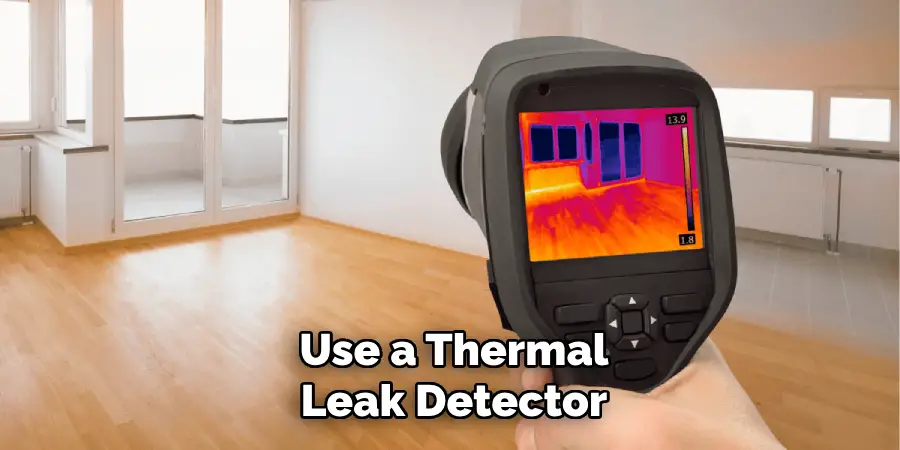
Step 4: Use a Thermal Leak Detector or Infrared Camera
Use a thermal leak detector or infrared camera for a more advanced detection method. These tools unveil precise areas of heat loss by highlighting cold spots, making it easier to spot drafts that are not detectable by simple methods.
Step 5: Check for Light Penetration
Finally, during nighttime, turn off all the lights and observe for any light penetrating through gaps in doors and windows. Any visible light from outside suggests a draft, as it indicates an opening only air should penetrate.
How to Fix Drafts
Addressing drafts in your home is crucial for maintaining comfort and energy efficiency. Here is a detailed guide to effectively seal common draft sources:
Step 1: Sealing Windows
To prevent drafts around windows, start by applying weatherstripping to the movable parts, such as sashes, to establish a tight seal when closed. Also, caulking can be used to seal gaps in the window frames, ensuring an airtight barrier. Consider using window insulation film for older, single-pane windows to add an extra protective layer against cold air infiltration.
Step 2: Fixing Drafty Doors
Drafts around doors are often a result of gaps beneath or around the door itself. Install door sweeps or draft stoppers at the bottom of doors to prevent air from sneaking in underneath. To block drafts around the sides and top, apply weatherstripping along the edges. These measures collectively help preserve your home’s internal climate by minimizing air leakage.
Step 3: Insulating the Attic and Crawl Spaces
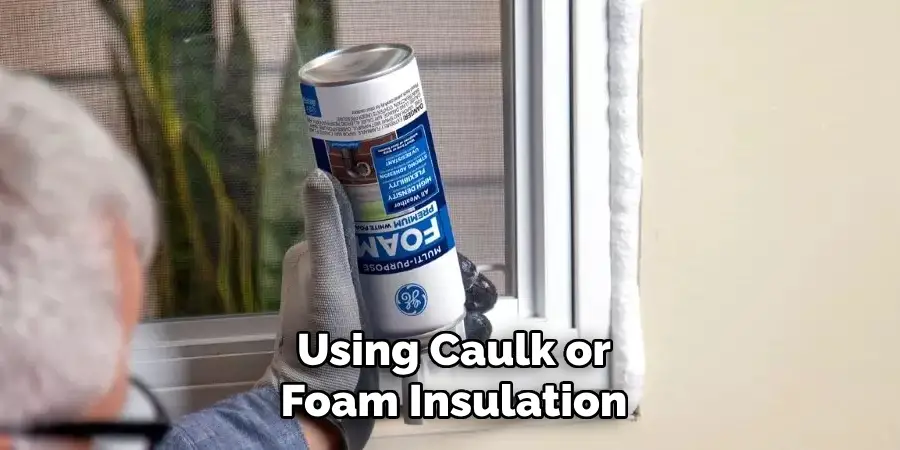
Attics and crawl spaces are notorious for housing gaps that let drafts seep into living areas. Check for openings around attic vents and insulate attic hatches securely to prevent heat loss. For crawl spaces, inspect the foundation for any cracks and seal them using caulk or foam insulation to keep out cold drafts, enhancing overall insulation effectiveness.
Step 4: Electrical Outlets and Switches
Drafts can also enter through electrical outlets and switches, especially on exterior walls. Install foam gaskets behind each outlet and light switch to create a barrier against air infiltration. For added protection, consider using child-proof outlet covers, which can serve as an additional buffer against unwanted drafts.
Step 5: Chimney and Fireplace
A fireplace can be a major source of drafts if not properly sealed. Ensure that the chimney damper is tightly shut when not in use to prevent cold air from entering. For no-longer-used fireplaces, consider installing a draft stopper or blocking the flue entirely, helping maintain a cozy indoor environment while reducing heat loss.
Preventing Future Drafts
Proactively managing your home’s thermal efficiency by preventing future drafts will contribute to sustained comfort and energy savings. Schedule regular inspections, particularly before the onset of winter, to identify and rectify new draft issues promptly. This process involves checking window seals and door weatherstripping and assessing the quality of existing insulation. Consider upgrading outdated single-pane windows to energy-efficient double or triple-pane alternatives, and invest in insulated exterior doors to further diminish the risk of drafts.
Additionally, enhancing your home’s insulation, particularly in areas like the attic, crawl spaces, and walls, will bolster your home’s ability to resist temperature fluctuations. Such improvements significantly reduce the possibility of future drafts. Lastly, maintain your HVAC system by regularly servicing it. An efficient HVAC system can regulate your home’s temperature more effectively, minimizing the impact of any residual drafts and ensuring it doesn’t have to work excessively to maintain comfort. By implementing these strategies, you can safeguard your home against future drafts and optimize your energy efficiency year-round.
When to Call a Professional
While many draft issues can be addressed with DIY methods, there are situations where professional intervention is necessary. Structural Issues: If you discover large gaps or cracks in the foundation or walls, consider hiring a professional contractor to preserve the structural integrity of your home. Such problems may require specialized tools and expertise to ensure proper repair and prevention of further damage.

Challenging Drafts: For drafts that are particularly elusive or involve complex systems like HVAC or chimneys, enlisting the help of a professional energy auditor can be invaluable. They have the skills to identify hidden energy leaks and suggest effective solutions. Full Home Energy Audit: A professional energy audit is beneficial if you aim for a comprehensive evaluation of your home’s energy efficiency. Auditors can measure heat loss and provide detailed recommendations for improvements, optimizing your home’s energy consumption and comfort.
Conclusion
Finding and fixing drafts in your home is essential for maintaining comfort and reducing energy costs. Simple techniques, such as the candle test or using thermal detectors, provide practical solutions to identify problem areas, making it easier to learn how to find a draft in your house. Timely repairs play a crucial role in ensuring your home remains energy-efficient and cozy throughout the seasons. By addressing problematic drafts promptly, you enhance your home’s insulation and minimize unnecessary energy expenditure.
Regular maintenance and improvements, including sealing gaps and upgrading insulation, are vital strategies in preventing future drafts and ensuring lower energy bills. Incorporating these practices into your home care routine safeguards your living space against temperature fluctuations, promoting long-term savings and comfort. Keep your home sealed effectively, and enjoy the benefits of enhanced thermal efficiency year-round.

About
Angela is the chief editor of Indoorense. She began her career as an interior designer before applying her strategic and creative passion to lifestyle and home.
She has close to 15 years of experience in creative writing and online content strategy for housekeeping and cleaning,home decorations as well as other efforts.
She loves her job and has the privilege of working with an extraordinary team. She lives with her husband, two sons, and daughter in Petersburg. When she’s not busy working she spent time with her family.