
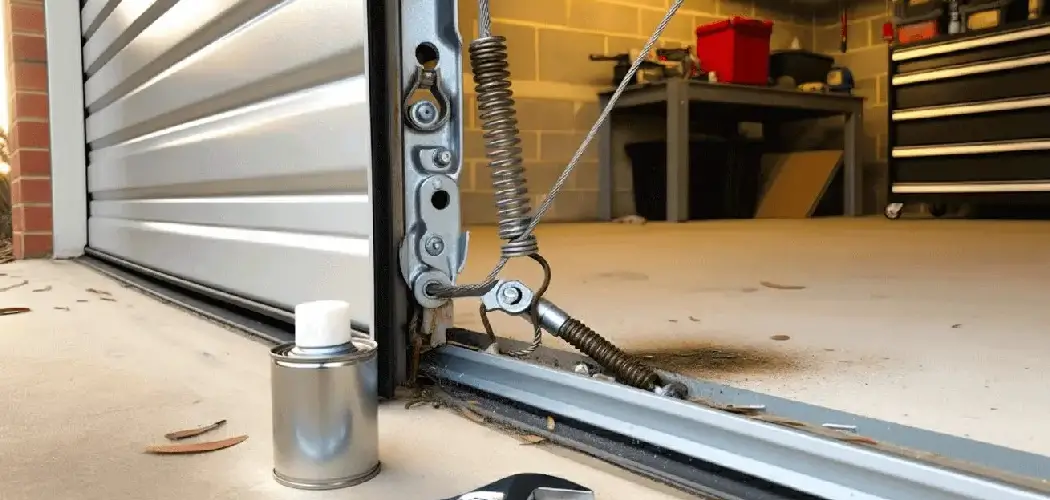
A properly sealed garage door is essential for keeping out drafts, rain, pests, and debris. Over time, it’s common to notice a gap forming between the bottom of your garage door and the floor. This not only compromises your home’s energy efficiency but also its security. Fortunately, fixing this issue is often a straightforward DIY project that doesn’t require calling a professional.
Adjusting the door’s travel limits or replacing the bottom seal can usually solve the problem. This guide will provide clear, beginner-friendly instructions on how to adjust a garage door gap, helping you create a tight, secure seal.
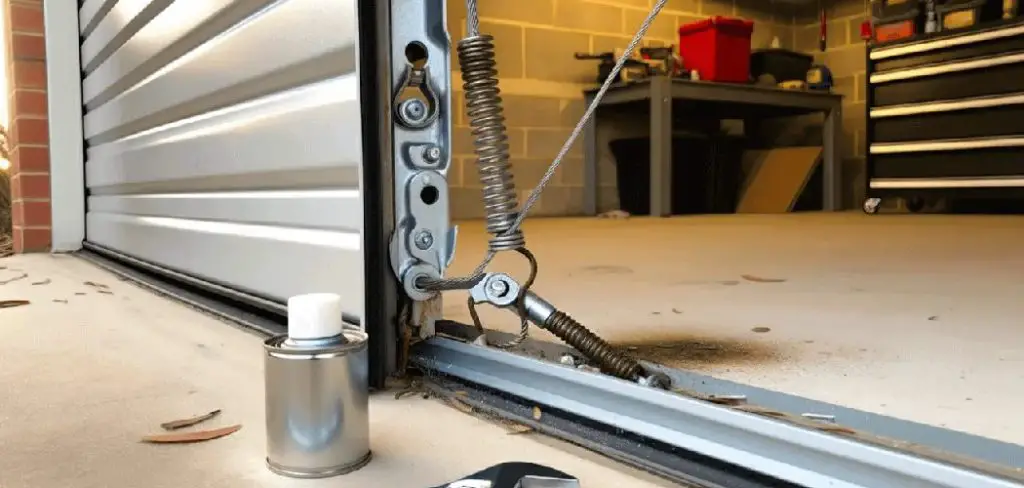
A garage door gap can be more than just an aesthetic inconvenience; it allows drafts, pests, and even water to infiltrate your garage, potentially causing bigger issues over time. Addressing this problem promptly can save you energy costs, protect your belongings, and enhance your home’s overall comfort. With the right tools and a bit of patience, you can easily tackle this repair and restore your garage door’s proper seal.
Why Fixing a Garage Door Gap is Important
Fixing a garage door gap is essential for multiple reasons. First and foremost, it helps improve energy efficiency by reducing drafts that can cause your garage and even your home to lose heat in the winter or cool air in the summer. This can lead to noticeable savings on your energy bills. Additionally, sealing the gap prevents pests like insects, rodents, and other small animals from entering your garage, which could lead to infestations or damage to belongings stored inside.
A properly sealed garage door also keeps out rain and moisture, protecting against water damage and mold growth. Beyond the practical benefits, a snug seal adds to the overall security of your garage, making it harder for intruders to exploit any weak spots. Addressing gaps promptly ensures your garage stays safe, comfortable, and functional year-round.
7 Step-by-Step Guide on How to Adjust a Garage Door Gap
Step 1: Inspect the Garage Door
Before making any adjustments, conduct a thorough visual inspection. Close the garage door completely and observe the gap from both inside and outside. Is the gap uniform across the entire width of the door, or is it larger on one side? Check the concrete floor for any signs of heaving, cracking, or settling, as an uneven floor can be the root cause of the gap. Also, examine the bottom weather stripping on the door itself. If it is cracked, brittle, or compressed, it may be the sole reason for the gap and will need replacement instead of a door adjustment.
Step 2: Clean the Tracks and Sensors
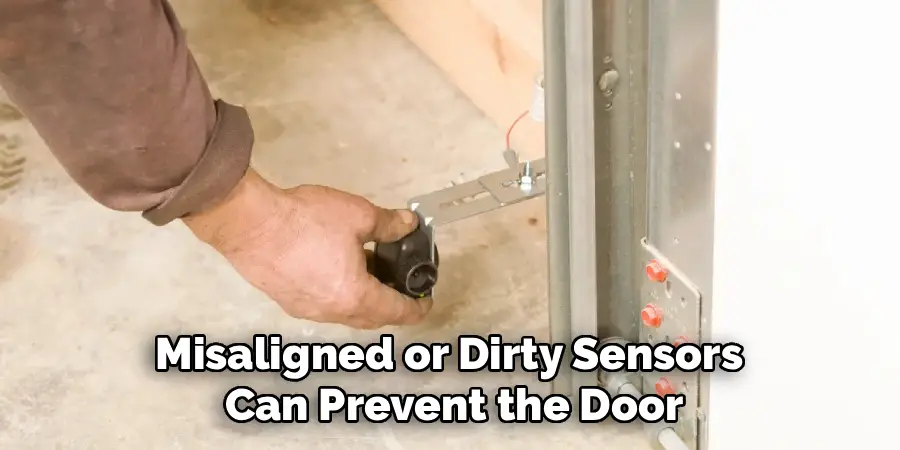
Sometimes, a garage door won’t close all the way due to obstructions or dirty sensors. Start by unplugging the garage door opener for safety. Use a rag to wipe down the metal tracks on both sides, removing any dirt, cobwebs, or debris that could impede the rollers. Next, locate the two safety sensors, which are small black boxes near the bottom of the tracks. Wipe the lenses of both sensors with a soft, clean cloth. Misaligned or dirty sensors can prevent the door from closing fully, creating the appearance of a gap.
Step 3: Check the Down-Limit Switch
The most common cause of a uniform gap is an improperly set down-limit switch on the garage door opener unit. This switch tells the motor when to stop as the door is closing. Locate the adjustment screws or buttons on your garage door opener motor, which is the unit mounted on the ceiling. They are typically labeled “Down” or “Close Limit” and may have arrows indicating the direction to turn. These controls determine the door’s final stopping point. Adjusting this setting is often the simplest and most direct way to close the gap under the door.
Step 4: Make Small Adjustments
To adjust the down-limit, you will typically use a flathead screwdriver or the buttons on the opener. Turn the “Down” or “Close” adjustment screw in small increments—usually a quarter-turn at a time. The direction to turn it should be indicated on the unit, but generally, one direction lowers the door’s final position, and the other raises it. After each small adjustment, plug the opener back in and run the door through a full open and close cycle to see the effect. The goal is to make the door close just enough to compress the bottom seal slightly without straining the motor.
Step 5: Test the Safety Reversal System
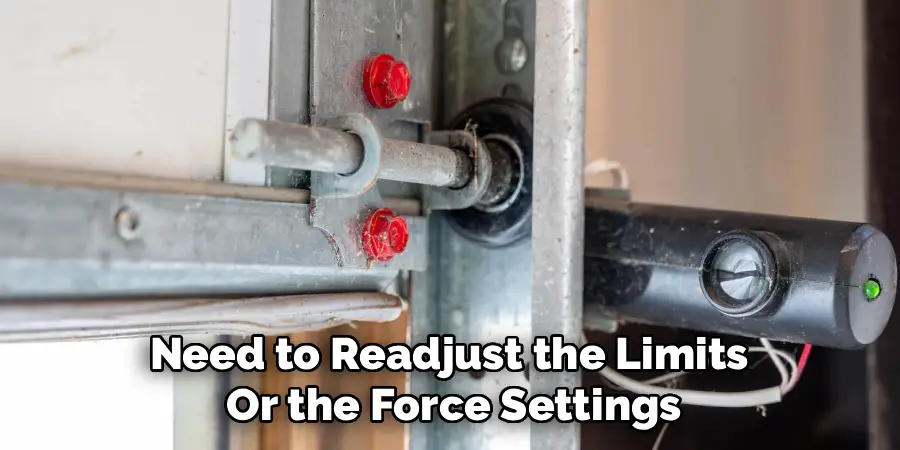
Anytime you adjust the closing limits of your garage door, you must test the safety reversal system. Place a 2×4 board flat on the ground in the center of the door’s path. Close the garage door. When the door makes contact with the board, it should immediately reverse and go back up. If it does not reverse, the closing force is set too high, or the down limit is too low, creating a dangerous situation. You will need to readjust the limits or the force settings until the door passes this critical safety test.
Step 6: Adjust the Door if the Gap Is Uneven
If the gap is uneven—higher on one side than the other—the issue might be with the door’s tension cables. WARNING: Adjusting garage door springs and cables can be extremely dangerous and is best left to a professional. However, a minor unevenness can sometimes be addressed. With the door fully open, you can slightly tighten the bolts that hold the bottom bracket to the door on the side that is closing too far. This is a very subtle adjustment and should be done with extreme caution, as these brackets are under tension.
Step 7: Replace the Bottom Weather Seal
If adjustments to the opener do not close the gap, or if the original seal is worn out, it is time to replace it. You can buy a new garage door bottom seal at any home improvement store. To replace it, open the garage door fully and secure it with locking pliers on the track to prevent it from moving. The old seal can then be slid out of the channel on the bottom of the door. After cleaning the channel, you can slide the new seal into place. This can often be the most effective solution for a persistent gap.
Safety Precautions
When performing any maintenance on your garage door, it is important to prioritize safety. Ensure the garage door is completely open and securely fastened with locking pliers or clamps to prevent any accidental movement while you work. Wear protective gloves to avoid injuries from sharp edges or tools, and use safety glasses if you’re handling chemicals or cleaning solutions. Avoid placing your fingers in the tracks or near moving parts to reduce the risk of pinching hazards. If the repairs involve electrical components, make sure the garage door opener is unplugged to eliminate the risk of electric shock. Always follow the manufacturer’s instructions and, if you feel uncertain about any step, consider seeking professional assistance.
Frequently Asked Questions
Why Is There a Gap Under My Garage Door?
A gap under your garage door can be caused by several factors. The most common reasons include:
- The garage door opener’s “close” limit is set too high, preventing the door from closing all the way.
- The concrete floor is uneven due to settling or heaving.
- The rubber weather seal at the bottom of the door is old, compressed, or damaged.
- Debris in the tracks or dirty safety sensors are preventing a full closure.
Is a Small Gap Under a Garage Door Normal?
No, a properly installed and adjusted garage door should close flush against the floor, creating a tight seal. The flexible rubber weather stripping at the bottom is designed to compress slightly to seal any minor imperfections in the concrete. Any visible gap that allows daylight, drafts, or pests to enter is a sign that an adjustment or repair is needed.
How Much Does It Cost to Have a Garage Door Gap Fixed Professionally?
The cost can vary greatly depending on the cause. A simple limit switch adjustment by a professional might cost between $75 and $150 for a service call. If the problem is a worn-out bottom seal, you can expect to pay between $100 and $200 for parts and labor. If the issue is a significantly uneven concrete floor, the repair could involve concrete grinding or replacement, costing much more.
Can I Adjust the Garage Door Springs Myself?
It is highly recommended that you do not attempt to adjust garage door springs yourself. Torsion springs, the kind typically found above the door, are under extreme tension and can cause serious injury or even death if they are released improperly. This job requires special tools and training and should always be left to a qualified garage door technician.
How Do I Know if My Bottom Seal Needs Replacing?
Inspect the rubber or vinyl seal along the bottom edge of your garage door. If you see signs of cracking, brittleness, or tearing, it needs to be replaced. You can also perform a simple test: with the door closed, try to slide a piece of paper under it. If the paper slides through easily without any resistance, your seal is likely compressed and no longer effective.
Conclusion
A gap under your garage door is more than just an eyesore; it’s a breach in your home’s thermal envelope and security. Thankfully, in many cases, it’s a problem you can solve yourself with a few simple adjustments. By methodically inspecting the door, cleaning the components, and carefully adjusting the opener’s down-limit switch, you can often restore a perfect seal. For more complex issues like worn seals or major misalignments, a DIY replacement or a call to a professional is a wise choice. Now that you have a guide on how to adjust a garage door gap, you can confidently tackle this project and ensure your garage is secure and weatherproof.

About
Angela is the chief editor of Indoorense. She began her career as an interior designer before applying her strategic and creative passion to lifestyle and home.
She has close to 15 years of experience in creative writing and online content strategy for housekeeping and cleaning,home decorations as well as other efforts.
She loves her job and has the privilege of working with an extraordinary team. She lives with her husband, two sons, and daughter in Petersburg. When she’s not busy working she spent time with her family.